

The grieving parents of a five-year-old kindergartener killed in the tragic October mass shooting at an Oregon elementary school have initiated legal action aimed at securing crucial evidence before it is permanently lost. Lillian and Kelik Summer filed a pre-suit discovery petition in Deschutes County Circuit Court targeting Shauntai Nickerson, the mother of the 16-year-old gunman, Griffin J. John II. The legal maneuver seeks to compel Nickerson to surrender comprehensive records detailing the purchase of the firearm utilized in the attack, while simultaneously demanding the preservation of the teenager’s expansive digital footprint, including online communications, gaming profiles, and interactions with artificial intelligence platforms.
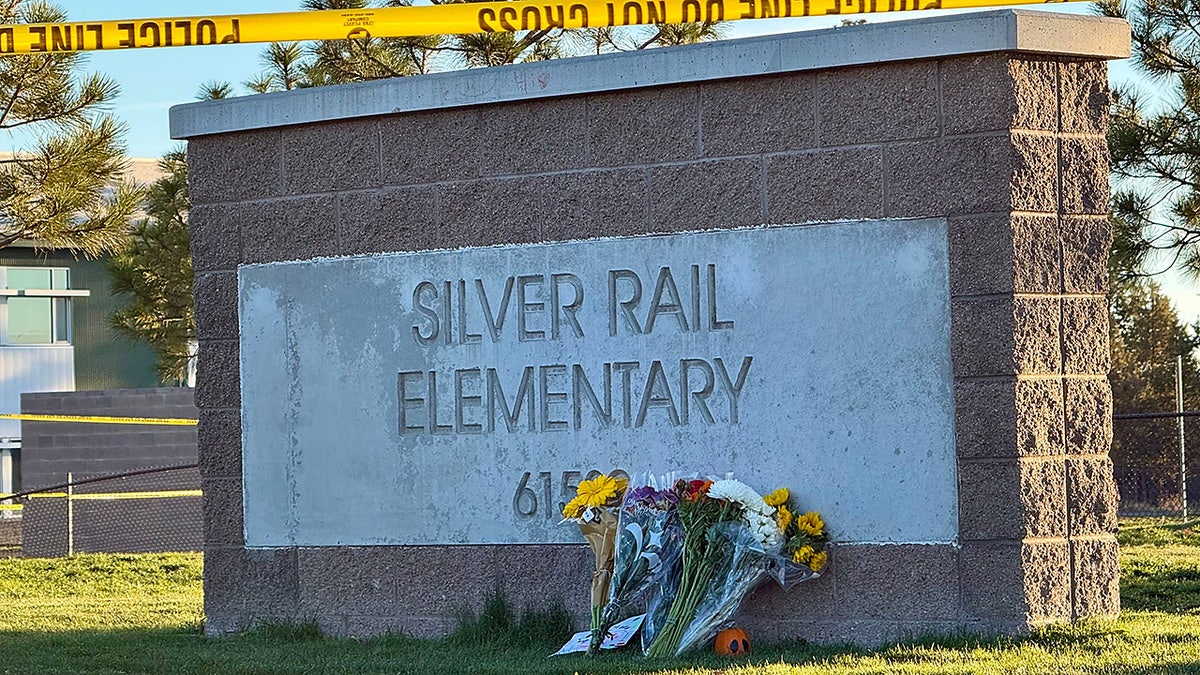
The devastating incident occurred on October 15 at Silver Rail Elementary School in Bend, Oregon. During the rampage, the teenage assailant opened fire inside a special education classroom, claiming the lives of three children and a teacher before being fatally intercepted and stopped by an armed parent who rushed to the scene. Among the victims was five-year-old Rhoam Summer, who had been enrolled in kindergarten for just six weeks. Legal filings note that Rhoam is believed to be the youngest victim ever killed in a deliberate mass school shooting in the United States.
As the community continues to grapple with the profound trauma of the tragedy, the legal strategies deployed by the victims’ families highlight the complex intersections of civil liability, criminal investigation, and the modern digital landscape that often surrounds troubled youth.
Chronology of the Tragedy and the Investigation

The sequence of events leading up to and following the shooting at Silver Rail Elementary School underscores a timeline of red flags and mounting systemic concerns. According to public records and court filings, the teenage gunman, Griffin J. John II, had a deeply troubled attendance record, having not attended regular classes since November 25, 2025.
Investigators have since turned their attention to the months preceding the October 15 rampage. Public reports and preliminary findings indicate that the suspect’s mother, Shauntai Nickerson, purchased a Maverick 88 12-gauge shotgun around the time of her son’s birthday in August, subsequently providing the weapon to him as a gift.
On October 15, the shooter executed the attack at Silver Rail Elementary, targeting a special education classroom. The violence was abruptly halted when an armed parent intervened, taking down the gunman and preventing further loss of life. In the immediate aftermath, law enforcement agencies secured the scene, established memorials, and launched a multi-jurisdictional investigation into the gunman’s background, motivations, and potential accomplices.
By November, attorneys representing the Summer family began preparing for a comprehensive wrongful death lawsuit. Recognizing that the scope of a criminal investigation differs significantly from civil litigation, the family’s legal team filed the pre-suit discovery petition on Monday to ensure that perishable digital and physical evidence is preserved.
The Push for Digital Preservation and Firearm Records

Tim Williams, the attorney representing Lillian and Kelik Summer, revealed that law enforcement officials have informed the family they are actively reviewing thousands of pages of communications associated with the shooter. Investigators have reportedly described these communications as exposing an online subculture of individuals who obsess over school and mass shootings.
Furthermore, police interviews with individuals who interacted with John online have raised alarming new dimensions regarding the planning of the attack. According to Williams, at least one online contact intimated that artificial intelligence platforms may have been utilized to assist in planning or structuring the school shooting.
The pre-suit petition specifically requests a limited deposition of Nickerson, along with formal production of firearm purchase records, gun-related communications, and unrestricted access to the late gunman’s social media, online gaming accounts, and AI interactions. The legal filing identifies several potential defendants for the forthcoming wrongful death lawsuit, including the estate of Griffin J. John II, Bend-La Pine Schools, the undisclosed licensed firearms dealer who facilitated the sale of the shotgun, and various online platforms or individual users who may have aided or abetted the plot.
Obstacles in Obtaining Voluntary Cooperation
Despite the gravity of the tragedy and the clear intent of the grieving family to uncover the full chain of accountability, voluntary cooperation has reportedly hit immediate roadblocks. According to the court filing, David Glenn, the attorney representing Shauntai Nickerson, informed the Summers’ legal representation that his client will not voluntarily produce the requested records outside of a formal court order.
Similarly, educational authorities have maintained a guarded posture. Fox News Digital reached out to Bend-La Pine Schools for comment regarding the district’s potential liability and the attendance history of the shooter, but did not immediately receive a response. The school district’s institutional response, policies regarding truancy, and campus security protocols are expected to face intense scrutiny as the civil litigation unfolds.
Broader Legal Implications and Societal Impact
The legal battle unfolding in Deschutes County highlights several broader societal and legal debates currently taking place across the United States. Foremost among these is the legal accountability of parents who purchase firearms utilized by minors in mass casualty events. In recent years, prosecutors and civil attorneys have increasingly targeted parents for negligence, unsafe firearm storage, or directly gifting lethal weapons to troubled minors, establishing legal precedents that redefine culpability in school shootings.
Additionally, the potential involvement of artificial intelligence and radicalizing online communities introduces a novel and terrifying frontier in mass violence investigations. As law enforcement agencies grapple with the proliferation of online hate groups and the accessibility of generative AI tools, legal experts note that civil discovery processes are often necessary to unearth digital breadcrumbs that traditional criminal probes—focused narrowly on the immediate perpetrator—might overlook or fail to preserve.
For Lillian and Kelik Summer, the pursuit of transparency is fundamentally rooted in ensuring that accountability is fully realized and that institutional or individual failures are brought to light. As the court weighs the pre-suit discovery petition, the outcome could set a significant legal standard for how evidence is preserved and how liability is apportioned in the wake of America’s ongoing epidemic of school violence.

