
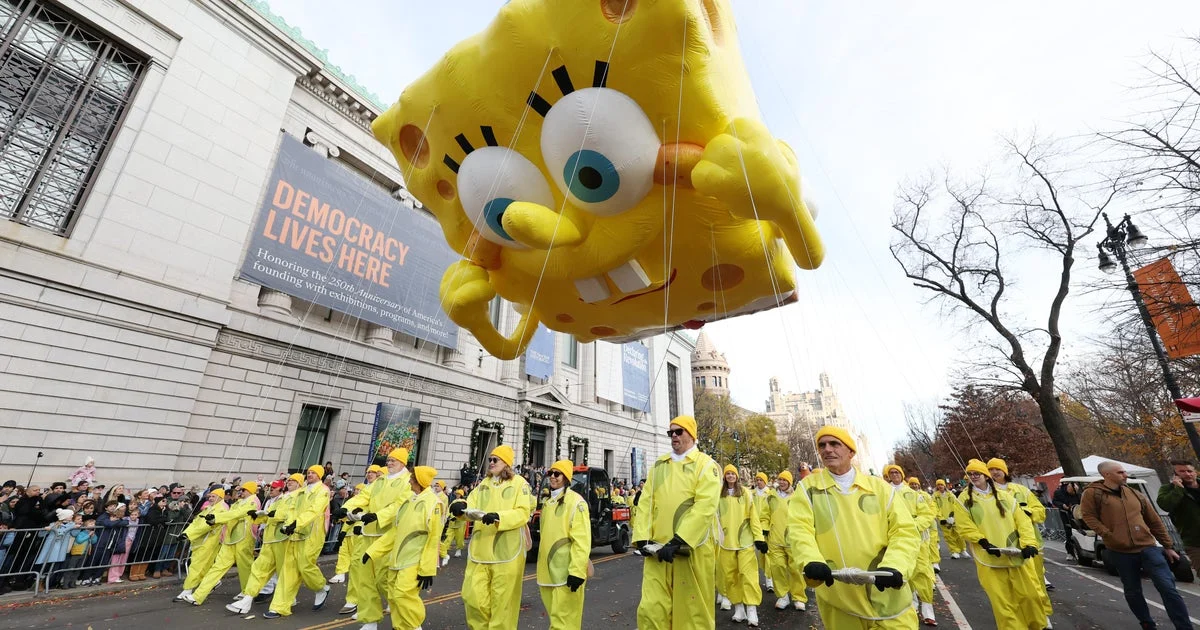
For the first time in the century-long history of the event, the Macy’s Thanksgiving Day Parade has been officially postponed, marking a historic deviation from a tradition that has remained a staple of American culture since 1924. Macy’s announced on Wednesday that the 100th annual celebration, originally scheduled for Thursday, November 26, 2026, will now take place on Saturday, November 28, at 8:30 a.m. This unprecedented decision was necessitated by a formidable coastal storm system forecast to deliver high winds, heavy precipitation, and hazardous conditions to the New York City metropolitan area throughout Thanksgiving Day.
A Century of Tradition Interrupted
The Macy’s Thanksgiving Day Parade is more than just a procession; it is a global icon of the holiday season. Since its inception as the Macy’s Christmas Parade in 1924—designed to celebrate the expansion of the Macy’s flagship store in Herald Square—the event has only ever been paused during the years of World War II. From 1942 to 1944, the parade was suspended entirely as the United States prioritized resources for the war effort, during which time the event’s famous rubber balloons were famously donated to the government for their raw rubber content.
While the parade has endured through minor rain and cold, it has never before been delayed due to meteorological threats. The decision to shift the date to Saturday represents a significant logistical recalibration, acknowledging that the safety of spectators, marching bands, balloon handlers, and staff must take precedence over the traditional timing of the event.
Meteorological Factors and Safety Protocols
The decision to postpone was reached after exhaustive consultations between Macy’s organizers, the New York City Mayor’s Office, the New York City Police Department (NYPD), and meteorological experts. The primary concern lies in the wind profiles associated with the incoming coastal storm. The parade’s giant helium-filled balloons are subject to strict safety regulations; historically, if sustained winds exceed 23 mph or gusts exceed 34 mph, the balloons must be grounded or significantly lowered to prevent accidents.
Current weather models indicate that the storm system will bring wind gusts well in excess of these safety thresholds, combined with heavy rain that would diminish visibility and create slick conditions for the thousands of performers marching along the 2.5-mile route. Beyond the immediate threat to the balloons, the density of the crowds—which typically draw millions of spectators to the sidewalks of Manhattan—presents a significant risk if the weather deteriorates rapidly, complicating emergency egress and crowd control.
Logistical Challenges and Operational Shifts
Moving an event of this magnitude on less than 24 hours’ notice creates a massive operational ripple effect. The parade involves thousands of participants, including high school and university marching bands from across the country, professional floats, massive character balloons, and television production crews for the national broadcast.
"The safety of our participants and spectators is our top priority," Macy’s stated in an official release. "After close consultation with our city and agency partners, we have made the decision to move the celebration due to expected severe weather. We thank the thousands of volunteers, performers, and partners who create the magic millions enjoy each year. We look forward to celebrating together on Saturday."
For the marching bands, the shift requires immediate coordination regarding travel, hotel accommodations, and instrument storage. Many ensembles had scheduled their travel departures for late Thursday or Friday; these groups are now forced to navigate the logistical complexities of extending their stays in one of the most expensive and crowded cities in the world. Similarly, the television broadcast partners—responsible for transmitting the event to millions of households—must adjust their entire programming grid, affecting advertising contracts and technical staffing.
Public and Community Sentiment
Despite the disappointment of losing the traditional Thursday morning viewing experience, the general public response has been largely supportive. Observers watching the balloon inflation process on Wednesday night expressed relief that the organizers prioritized safety.
"So much goes into the parade each year. It’s a tradition to get up early and watch with the whole family," said one spectator in attendance at the inflation site. "I’m really excited that they are changing it because so much work goes into it every year. People come from all over the country to help with the balloons. The fact that they are still making an effort to do it, even on a different day, makes it feel just as special."
This sentiment reflects the deep-seated cultural importance of the parade. For many, the parade is synonymous with the Thanksgiving holiday itself; while the shift to Saturday is unconventional, the consensus among attendees is that the event’s survival is preferable to a cancellation.
Economic and Broader Implications
The economic impact of the Macy’s Thanksgiving Day Parade on New York City is substantial. The event generates millions of dollars in tourism revenue, hotel bookings, and retail spending. While a postponement to Saturday may mitigate some losses, it also introduces uncertainty. Weekend tourism is typically high, but the combination of a major storm and a shifted event date could lead to cancellations or reduced foot traffic for local businesses that rely on the parade’s massive draw.
Furthermore, this event serves as a case study for large-scale outdoor event management in an era of increasingly unpredictable weather patterns. As coastal storms become more frequent and severe, the precedent set by this 100th-anniversary postponement may force other major annual events to re-evaluate their contingency planning. The ability to pivot quickly, as Macy’s has done, will likely become a benchmark for municipal event security.
Looking Toward Saturday
As of late Wednesday, crews are working to secure the massive balloons and equipment against the impending gusts. The city is preparing for a modified security and traffic plan to accommodate the parade on Saturday, a day that will now feature a unique blend of holiday spirit and post-storm recovery.
While the "magic" of the parade is traditionally linked to the morning of Thanksgiving, organizers remain confident that the spirit of the event will remain intact. The postponement highlights the resilience of the parade organizers and their commitment to preserving a century of tradition, even when faced with the realities of modern climate volatility.
For the millions of fans across the country, the wait will be extended by 48 hours. As the storm passes, New York City will prepare to turn the page on this historic week, welcoming the 100th Macy’s parade on a crisp Saturday morning. This development remains a fluid situation, and participants are urged to monitor official channels for updates regarding transit, road closures, and any further adjustments to the schedule as the weekend approaches.

