
A federal advisory council, predominantly staffed by Trump administration appointees, is on the cusp of significantly curtailing a crucial federal review process designed to assess the impact of new development projects on historical properties. This week, the Advisory Council for Historic Preservation (ACHP) is poised to vote on measures that would drastically reduce the involvement of states, tribal nations, and the general public in Section 106 reviews, a foundational component of the National Historic Preservation Act (NHPA). Sources familiar with the internal deliberations, and documents reviewed by CBS News, indicate these changes would fundamentally alter how the nation’s cultural and historical heritage is protected, raising alarms among preservationists, Indigenous communities, and state officials.
The ACHP, which currently counts 20 of its 24 members as appointees from the Trump administration, is set to consider a proposal that critics argue would effectively "gut" the established framework for historic preservation oversight. The council currently operates without a Senate-confirmed chairman, a position nominated by the president, and one appointee reportedly stepped down in June, leaving the balance of power heavily skewed towards recent executive branch selections. Three additional members serve as ex-officio representatives from national preservation organizations, though their influence appears insufficient to counter the prevailing majority. The implications of such a vote are far-reaching, potentially granting federal agencies expanded authority to proceed with construction or renovation projects on historic sites with substantially diminished scrutiny and public accountability.
The Foundation of Historic Preservation: Section 106 Explained
At the heart of this contentious debate is Section 106 of the National Historic Preservation Act, a landmark piece of legislation enacted 60 years ago in 1966. This law mandates that any federal agency undertaking, licensing, or funding a project must "consider the effects on historic properties" before proceeding. This consideration is not merely a formality; it triggers a comprehensive review process designed to identify historic properties, assess the potential adverse effects of proposed undertakings, and explore alternatives that might avoid, minimize, or mitigate those effects.
Under the current robust Section 106 process, the ACHP plays a pivotal role in mediating consultations. Federal agencies are required to consult with a broad array of stakeholders, including State Historic Preservation Officers (SHPOs), Tribal Historic Preservation Officers (THPOs), local governments, and various interested parties, including the public. This collaborative approach ensures that diverse perspectives are considered, from the architectural significance of a colonial building to the spiritual importance of an ancient Indigenous burial ground. The goal is to reach a consensus on how projects can move forward while safeguarding irreplaceable cultural and historical assets for future generations. For decades, this process has been instrumental in protecting countless sites, from national monuments and archaeological treasures to historically significant neighborhoods and cultural landscapes across the United States.
Sweeping Changes on the Horizon: Details of the Proposed Rule
The proposal under consideration by the ACHP, a copy of which has been reviewed by CBS News, introduces several significant alterations that critics contend would dismantle key protective mechanisms. Among the most concerning changes are:
- Redefinition of "Historic Property": The proposal seeks to modify the very definition of what constitutes a "historic property." While specific details of the redefinition are not fully public, experts warn that narrowing this definition could exclude numerous sites currently protected under federal law, rendering them vulnerable to development without review. This could lead to a loss of protection for sites that may not fit a conventional architectural mold but hold immense cultural, social, or archaeological significance.
- Optional SHPO Review: Currently, consultation with State Historic Preservation Officers is a mandatory step in the Section 106 process. SHPOs are experts in their respective states, possessing invaluable knowledge of local history, archaeology, and preservation needs. The proposed rule would make their review optional, effectively sidelining state-level expertise and oversight. This shift could lead to federal projects proceeding without adequate consideration of local historical contexts or state preservation priorities.
- Elimination of Mandatory Public Comment: Perhaps one of the most contentious proposed changes is the removal of the requirement for public comment. Under the existing framework, the public has a right to weigh in on projects that could affect historic properties in their communities. Eliminating this requirement would drastically reduce transparency and democratic participation, preventing citizens, local historical societies, and grassroots organizations from voicing concerns or offering alternative solutions. This move would isolate the decision-making process within federal agencies, removing a vital layer of public accountability.
- Limiting Tribal and Native Hawaiian Organizations’ Authority: The proposed changes would also severely restrict the ability of Indian tribes and Native Hawaiian organizations to protest projects that may impact their ancestral lands, sacred sites, or cultural resources. This is particularly alarming given the federal government’s trust responsibility to tribal nations and the unique legal status of Indigenous cultural heritage. Weakening their voice in the review process would undermine tribal sovereignty and could lead to irreversible damage to sites of profound spiritual and historical importance to Indigenous peoples.
These proposed changes, if implemented after a final rule is passed, would impact all future federal undertakings, setting a dangerous precedent for how the nation approaches its shared heritage.
Political Undercurrents: The President’s Interest in Construction
The push for these regulatory changes occurs against a backdrop of the current administration’s known interest in streamlining development and construction, often with a stated aim of reducing perceived bureaucratic hurdles. President Trump himself has several high-profile construction projects either underway or planned in the Washington, D.C., region, which highlights a potential conflict of interest for the appointees driving these regulatory changes.
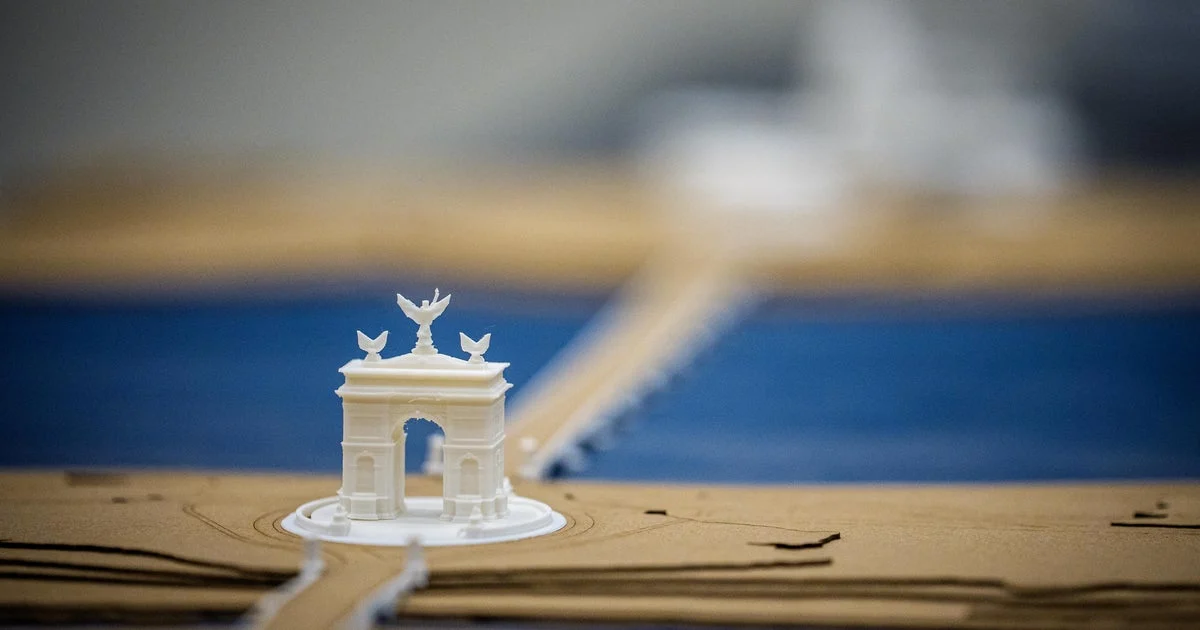
While the proposed ballroom addition to the East Wing of the White House is not subject to Section 106 review, being on White House grounds and thus under a different regulatory framework, other presidential projects are directly impacted. Notably, the president’s ambitious plans for a triumphal arch, intended to be built near Arlington National Cemetery, is currently undergoing a Section 106 review. This particular project has already drawn significant criticism from preservation groups due to its scale and location.
The National Trust for Historic Preservation, a leading advocacy organization, has expressed profound concerns regarding the review process for the proposed arch. Rob Nieweg, senior vice president of the National Trust for Historic Preservation, testified before the National Capital Planning Commission earlier this month, stating, "We are deeply concerned about the limited nature of the consultation, the rushed timeline, the exclusion of many parties (including the National Trust) from the consultation process, and the failure to consider less harmful alternatives." This specific example underscores the very anxieties that critics have about the broader proposed changes to Section 106 – that they are designed to expedite projects with minimal oversight, even those with significant cultural impact.
Outcry from Preservation and Tribal Leaders
The proposed changes have ignited a firestorm of opposition from a wide array of stakeholders dedicated to preserving America’s historical and cultural legacy.

The National Trust for Historic Preservation has been unequivocal in its condemnation. In a letter obtained by CBS News, the organization asserted its strong opposition, warning that the proposed changes would "eviscerate the preservation of our shared civic and cultural heritage in the United States." The Trust has gone further, declaring its intent to pursue legal action to compel the withdrawal of the proposal should it be adopted. Brent Leggs, CEO of the National Trust for Historic Preservation, articulated the dire consequences in a statement: "If implemented, federal agencies will no longer be required to avoid or minimize damage to our nation’s historic sites and landscapes, or seek public input on federal projects that would impact historic places." This signals a potential protracted legal battle, reminiscent of other environmental and regulatory challenges faced by previous administrations.
Indigenous communities have also voiced fierce opposition, emphasizing the profound impact these changes would have on their ancestral lands and sacred sites. The National Association of Tribal Historic Preservation Officers (NATHPO), which holds an ex-officio seat on the ACHP, argues that the proposed alterations would fundamentally weaken the role of Tribal Nations in the review process and undermine the protection of places they hold sacred. Ira Matt, the association’s executive director of Indigenous Diplomacy and Federal Relations, condemned the proposal as "an affront to Tribal sovereignty." Matt further elaborated, "Any effort to diminish our voice or disregard the places, traditions, and practices we hold sacred is egregious and represents a violation of the federal government’s trust and treaty responsibilities that is neither morally nor ethically defensible." For tribal nations, the Section 106 process is not just about historical buildings; it is about the living connection to their heritage, their spiritual practices, and the graves of their ancestors.
The National Conference of State Historic Preservation Officers (NCSHPO), representing state-level experts who are often the first line of defense for historic properties, also strongly objected to the proposed changes. Erik Hein, the group’s executive director, expressed his disbelief in a statement to CBS News: "It is baffling that during our semiquincentennial the very agency charged with overseeing Section 106 appears to be trying to relive that history, deliberately mislead its own members about what it is doing, and making it easier to destroy our historic places." Hein’s reference to the nation’s semiquincentennial (250th anniversary) underscores the irony of weakening preservation efforts at a time when national heritage is meant to be celebrated and protected.
Broader Implications and Future Outlook
The potential ramifications of these proposed changes extend far beyond the immediate projects and stakeholders.
Erosion of Cultural Heritage: The most direct and devastating impact would be the increased vulnerability of countless historic sites, archaeological treasures, and cultural landscapes across the United States. Without robust review and public input, developers and federal agencies could prioritize speed and cost-efficiency over the careful preservation of irreplaceable heritage. This could lead to the irreversible loss of sites that tell the story of America, from early Indigenous settlements to civil rights landmarks, potentially erasing chapters of shared history.
Diminished Public Trust and Democratic Process: Removing mandatory public comment undermines the democratic principles of transparency and public participation in federal decision-making. It fosters distrust between government agencies and the communities they serve, leaving citizens feeling disempowered and unrepresented when projects impact their local heritage.
Undermining Tribal Sovereignty and Treaty Obligations: For Indigenous nations, the proposed changes represent a profound breach of trust and a disregard for their inherent sovereignty. The federal government has a unique legal and moral responsibility to consult with tribes on matters affecting their lands and cultural resources, often enshrined in treaties. Weakening Section 106 would make it easier to bypass these critical consultations, leading to further desecration of sacred sites and a deepening of historical injustices.
Legal Challenges and Regulatory Uncertainty: Should the ACHP vote to adopt these changes, it is almost certain to trigger a wave of legal challenges from preservation groups, tribal nations, and potentially even states. Such lawsuits could tie up federal projects in court for years, creating regulatory uncertainty and potentially delaying the very projects the new rules are intended to expedite. The legal arguments would likely center on administrative procedure, statutory interpretation, and the federal government’s trust responsibilities.
Precedent for Future Administrations: The success of these proposed changes could set a dangerous precedent, signaling to future administrations that regulatory frameworks designed to protect public goods—whether environmental, cultural, or social—can be easily dismantled by stacking advisory bodies with political appointees. This could lead to a broader erosion of regulatory oversight across various sectors.
In response to inquiries about the impending vote and the proposed changes, both the White House and the Interior Department have declined to comment, maintaining official silence on a matter that has ignited passionate debate among those dedicated to safeguarding America’s past for its future. As the ACHP prepares for its critical vote this week, the fate of the nation’s historic preservation framework hangs in the balance, with profound implications for how the United States values and protects its invaluable cultural heritage.
By Olivia Rinaldi and Emma Nicholson
July 22, 2026 / 5:44 PM EDT / CBS News

