
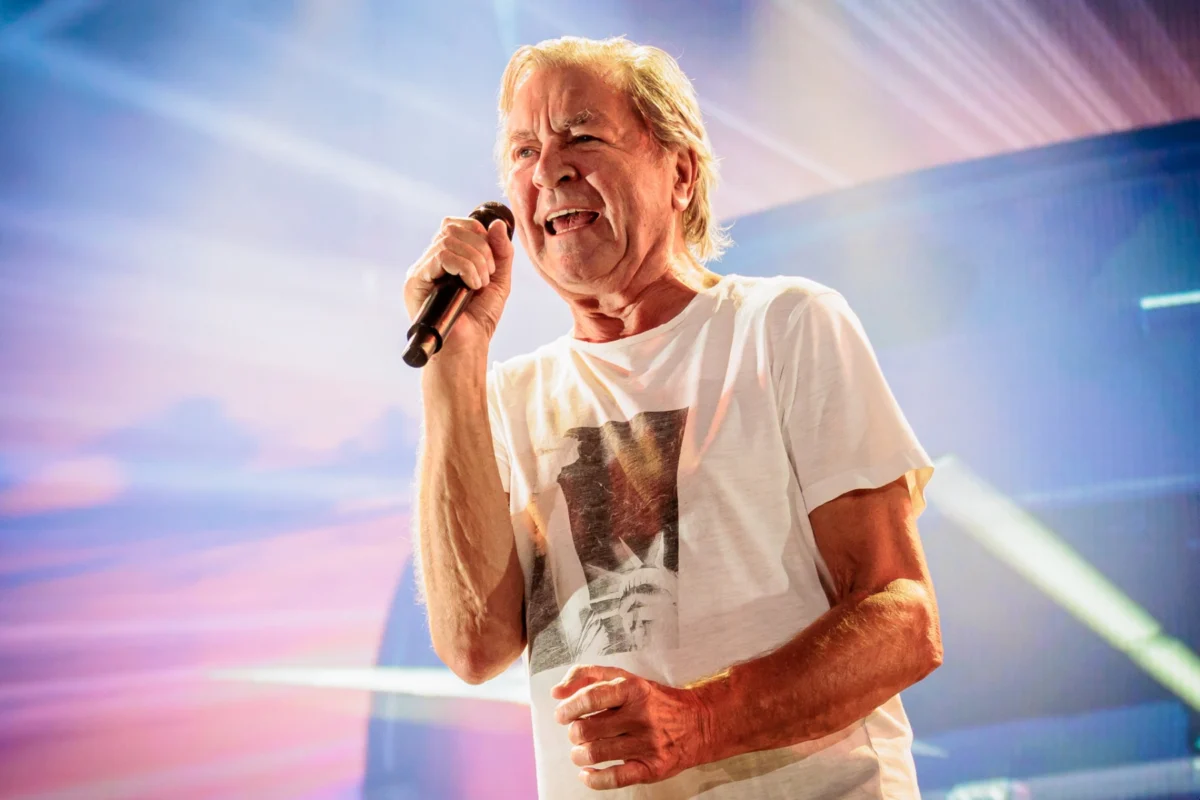
Legendary rock vocalist Ian Gillan, best known as the powerhouse frontman for the pioneering hard rock band Deep Purple, is currently recovering following a successful medical procedure. The intervention became necessary after an unexpected health emergency struck while the band was on the road in Germany, forcing the group to halt its extensive international touring schedule and postpone the remainder of its United Kingdom and European dates.
The health scare has brought a temporary halt to the band’s energetic live itinerary, prompting an outpouring of concern and support from rock music enthusiasts across the globe. As Gillan focuses on his recuperation, the music community has been left reflecting on the resilience of a career that spans more than half a century, as well as the logistical and operational realities of maintaining rigorous tour schedules for veteran legacy acts in the modern era.
Immediate Circumstances and Medical Update
The sequence of events leading to the tour postponement began in late October, while Deep Purple was in the midst of the European leg of their ongoing world tour. Gillan, 81, experienced a sudden medical issue while in the German city of Leipzig, which required immediate medical intervention and hospitalization.
Initially, the severity of the situation was unclear, leading to the cancellation of only the first few consecutive performances. However, after comprehensive medical evaluations, it became evident that continuing the rigorous demands of a live concert tour posed substantial and unacceptable health risks to the veteran singer.
On Saturday, November 7, Gillan provided a direct update to his dedicated fan base via social media, confirming that he had undergone a medical procedure that turned out to be successful.
"I had a procedure yesterday which was successful," Gillan wrote in a statement published on his official channels. "I now have to rest, in order to make a complete recovery and ensure that I’m as fit as can be before getting back to work. Thank everybody for your patience and understanding. I really do appreciate it and apologize for all the inconvenience."
This communication followed an earlier statement released via Instagram shortly after his initial hospital admission in Leipzig, in which the singer detailed the difficult decision-making process that preceded the total suspension of the tour.
"Thank you for all the good wishes and support over the last few days, it means the world," Gillan wrote at the time. "I had a medical problem whilst in Leipzig which required urgent attention at the hospital. I was hoping that I would get the all-clear to hang on until the end of the tour, but there are very serious risks involved in me doing so. As a result, and on the advice of my medical team and management, we have made the decision to postpone the rest of the European/UK tour until further notice."
Chronology of the Tour Interruption
The disruption to Deep Purple’s live schedule unfolded rapidly over the course of several days, catching promoters, venue operators, and ticket holders by surprise. The timeline of the cancellation events underscores the sudden and urgent nature of the medical emergency:
- Late Summer / Autumn: Deep Purple embarks on their comprehensive "SPLAT!" world tour, performing in various international markets and drawing large crowds of longtime supporters and new generations of rock fans alike.
- October 31: The band is scheduled to perform at the QI Arena in Leipzig, Germany. This show is abruptly canceled after Gillan experiences a sudden health issue requiring urgent hospitalization.
- November 1: A subsequent concert scheduled at the Sporthalle in Hamburg, Germany, is also canceled as medical professionals assess the singer’s condition and determine the need for ongoing care.
- Early November: Following thorough consultations with medical specialists and tour management, the difficult decision is finalized to scrub the entire remaining itinerary for the U.K. and European leg, which had been slated to run through late November.
- November 7: Ian Gillan publicly confirms that he has successfully undergone a medical procedure and has transitioned into a strict recovery and resting phase.
Despite the sweeping cancellations throughout the United Kingdom and Europe, the band’s international schedule outside of those regions remains under review. As of press time, Deep Purple’s official tour documentation indicates that the Latin American leg of the "SPLAT!" world tour is still officially scheduled to commence on December 5 in São Paulo, Brazil, with a planned final stop of that run in Mexico City on December 19. However, industry analysts note that decisions regarding those dates will undoubtedly depend on Gillan’s ongoing recovery trajectory and the explicit clearance of his medical team.

Background and Context of Ian Gillan’s Career with Deep Purple
To understand the weight of the current tour postponement, one must examine Ian Gillan’s monumental role in the history of rock music. Born in London in 1945, Gillan rose to international prominence when he joined Deep Purple in 1969, replacing original vocalist Rod Evans. Alongside guitarist Ritchie Blackmore, keyboardist Jon Lord, bassist Roger Glover, and drummer Ian Paice, Gillan became a foundational pillar of the lineup colloquially known as the "Mark II" era—widely regarded as the classic and most commercially successful iteration of the band.
During his multiple stints with the group, Gillan’s soaring vocal range, dynamic stage presence, and distinctive lyrical style helped define the nascent heavy metal and hard rock genres. He lent his voice to landmark studio albums such as In Rock (1970), Fireball (1971), and Machine Head (1972).
It was during the sessions for Machine Head that the band recorded "Smoke on the Water," a track featuring one of the most recognizable guitar riffs in music history and a vocal performance by Gillan that cemented his legacy. The single became a massive commercial success, ultimately peaking at No. 4 on the U.S. Billboard Hot 100 chart and remaining a staple of classic rock radio for more than five decades.
Although Gillan famously departed and returned to Deep Purple on several occasions due to creative differences and solo pursuits—including a brief stint fronting Black Sabbath in the early 1980s—he has remained the band’s permanent and definitive voice since his return in 1992. His enduring stamina has allowed Deep Purple to maintain a grueling global touring schedule well into the 21st century, releasing contemporary studio material that consistently charts well among dedicated rock audiences.
Logistical and Financial Implications for Promoters and Fans
The sudden cancellation of a major international tour by a heritage rock act of Deep Purple’s stature carries significant ripple effects across the live entertainment ecosystem. Major arena tours involve intricate coordination between booking agencies, local promoters, technical crews, freight transport companies, and thousands of ticket holders.
When an artist is forced to cancel dates due to unforeseen medical emergencies, promoters immediately face the complex task of processing refunds, rescheduling venues, and managing insurance claims. For fans who purchased tickets months in advance—often accompanied by non-refundable travel and accommodation expenses—the postponement is a profound disappointment, though tempered by widespread sympathy for Gillan’s health situation.
Furthermore, the physical toll of international touring on artists in their eighties has become an increasingly prominent conversation within the music industry. As founding members of the first generation of hard rock and heavy metal bands continue to perform into their late seventies and eighties, management teams and medical supervisors face unprecedented challenges in balancing the artistic desire to perform with the undeniable biological realities of aging.
Industry Outlook and Future Prospects
As Ian Gillan enters his mandatory recovery period, the immediate focus of Deep Purple’s management remains squarely on the singer’s health and well-being. Medical professionals have emphasized that adequate rest is non-negotiable for a complete and uncompromised recovery, particularly given the vocal strain and physical exertion required to front a hard rock band night after night in large arena settings.
While the cancellation of the European and U.K. dates represents a temporary setback for the band and its European following, the successful outcome of Gillan’s procedure offers an encouraging sign for the future. Promoters are expected to announce rescheduled dates for the postponed European shows once Gillan receives definitive medical clearance to resume international travel and performance duties.
For now, the rock world waits patiently, extending well-wishes to a vocalist whose voice helped shape the landscape of modern rock music, trusting that the legendary frontman will take the necessary time to heal before stepping back up to the microphone.

