

Newly revealed government data from the second half of 2025 indicates that several elite American universities have accepted millions of dollars from foreign sources appearing on federal watchlists, including some with direct ties to the Chinese military. This alarming trend has prompted stern warnings from U.S. government officials, who underscore the significant national security implications of such financial relationships and signal potential restrictions on federal grant funding for institutions that fail to enhance due diligence.
The revelations, first brought to light by CBS News and corroborated by Fox News Digital, expose a intricate web of financial transactions between leading U.S. academic institutions and foreign entities flagged by various federal agencies for posing risks to American interests. The total reported sum from watchlisted entities for this six-month period alone stands at $27.6 million, though a broader assessment by the Education Department points to nearly $405 million from "counterparties of concern" across American universities.
The Evolving Landscape of Foreign Influence in Academia
The spotlight on foreign funding in U.S. universities is not new, but intensified government scrutiny has brought previously obscure financial dealings into sharp focus. For decades, Section 117 of the Higher Education Act of 1965 has mandated that U.S. institutions disclose gifts and contracts from foreign sources. However, enforcement and transparency were often criticized as lax, with universities frequently reporting only aggregated sums or country of origin, obscuring the specific entities behind the funding.
A significant shift occurred with the Trump administration, which prioritized national security concerns related to foreign influence in academia. Policies enacted during this period aimed to enhance transparency and enforcement of Section 117. An Education Department spokeswoman, referencing these changes, stated, "While previous administrations often looked the other way or kept this data hidden, that policy changes now. Through our updated Section 117 Dashboard, the Trump Administration’s framework is bringing this cash out of the shadows so every student, family and taxpayer knows exactly who is signing the checks, while equipping the State Department to use that data to protect our nation." This framework, bolstered by a key directive issued during the Trump administration that mandated more granular reporting, has culminated in the detailed data now emerging for the latter half of 2025.
Key Universities and Their Watchlisted Donors
Among the institutions identified in the report are Northwestern University, the University of California, Irvine (UC Irvine), the University of Connecticut, Bryant University, and the University of California, Berkeley (UC Berkeley). These universities, some of America’s foremost research powerhouses, are now facing questions about their judgment and oversight regarding foreign engagements.
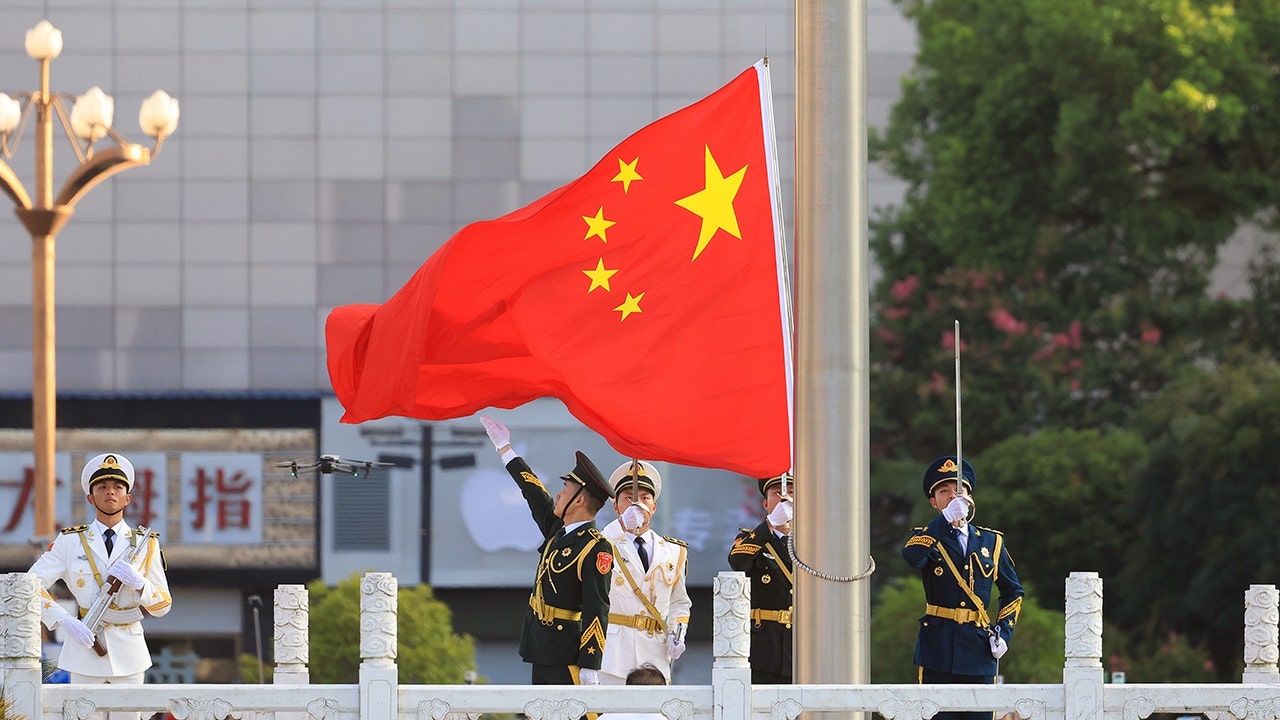
One of the most prominent watchlisted entities implicated is the Aero Engine Corporation of China (AECC). This state-owned enterprise is a critical component of China’s military-industrial complex, responsible for developing engines for advanced fighter jets and attack helicopters used by the People’s Liberation Army (PLA). Its strategic importance to China’s defense capabilities has led to its inclusion on the Treasury Department’s Foreign Assets Control List and designation as a "military end-user entity" by the Department of Commerce.
According to government data, AECC funneled $7.8 million to Northwestern University, UC Irvine, and the University of Connecticut over the past several years. The specific application of these funds remains undisclosed in the documents filed with the Department of Education, raising concerns about potential technology transfer or research that could inadvertently benefit a foreign adversary’s military advancement.
Another significant concern centers on Sun Yat-sen University, a prestigious Chinese academic institution that hosts China’s National Supercomputing Center. This university is listed on the Pentagon’s "1286 List," which identifies research institutions believed to be engaged in "problematic activities" from a national security perspective. UC Berkeley, a leading research institution in areas like artificial intelligence, quantum computing, and advanced materials – fields where the United States and China are in direct competition – received a substantial $7.6 million grant from Sun Yat-sen University. The nature and specific projects supported by this funding at UC Berkeley are now under intense scrutiny.
Bryant University’s Relationship with Beijing Institute of Technology
Bryant University, a private institution in Rhode Island, also found itself in the federal spotlight due to a $22.6 million contract with the Beijing Institute of Technology (BIT). BIT is a state-key university with strong ties to China’s defense industry and military research, appearing on at least two federal watchlists, including the Commerce Department’s Entity List and the Pentagon’s 1286 List. The contract supported a "jointly operated academic program in China."
A spokesman for Bryant University provided a detailed response to Fox News Digital, clarifying the nature and status of the engagement: "The reporting reflects payments associated for a now-terminated accounting program whose contract was originally established in 2014 with the independent Beijing Institute of Technology, Zhuhai and terminated ten years later in 2024." The spokesman emphasized that "The program was educational instruction only and never included research activities, federally funded research, defense-related work, technology transfer, or intellectual property development."
Crucially, Bryant University stated that it initiated the termination of its relationship after learning that Beijing Institute of Technology (BIT) had fully acquired the Zhuhai institution and, more critically, following BIT’s addition to the Department of Defense’s 1286 list. The university is currently in a "teach-out period" for existing students, expected to conclude on June 30, 2027, in accordance with accreditation requirements, and has stopped enrolling new students. This proactive measure by Bryant University highlights the growing awareness and responsiveness among some institutions to the heightened scrutiny.
University Responses and Lack Thereof
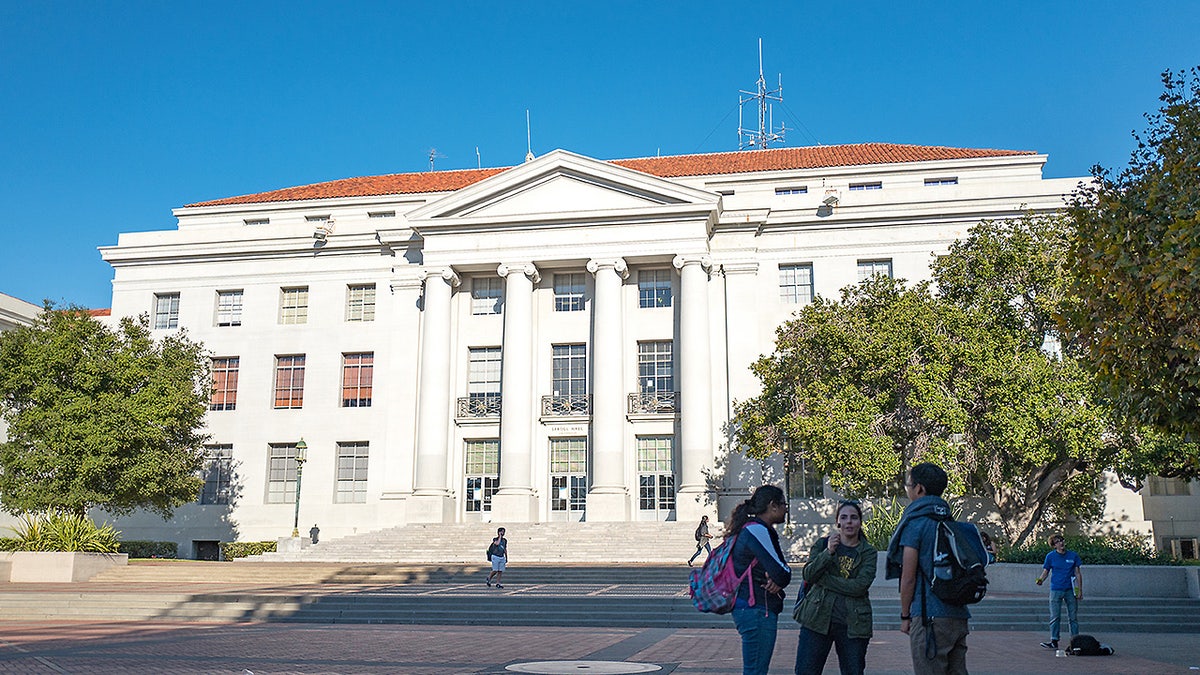
While Bryant University offered a comprehensive explanation, UC Berkeley also issued a statement defending its practices. A spokesman for UC Berkeley told Fox News Digital, "We wish to state, unequivocally, that UC Berkeley complies with all of the statutes and regulations that apply to contracts and gifts from foreign sources." The spokesman also indicated that the university was "still in the process of analyzing and fact-checking the characterization of the government’s data and the referenced CBS reporting." Furthermore, UC Berkeley took issue with a specific detail in the CBS report, clarifying that while the Lawrence Berkeley National Laboratory (LBNL) is geographically located in Berkeley, UC Berkeley does not manage or oversee the Department of Energy’s primary high-performance computing facility at LBNL.
In contrast, Northwestern University, UC Irvine, and the University of Connecticut did not respond to requests for comment from Fox News Digital regarding the reported payments from the Aero Engine Corporation of China. The Department of Education also did not immediately respond to inquiries. This silence from several implicated institutions only amplifies concerns and leaves critical questions unanswered regarding their due diligence processes and future intentions.
National Security Implications and Government Warnings
The core concern animating these revelations is the potential for foreign adversaries, particularly China, to leverage academic partnerships and financial contributions to advance their strategic interests, often at the expense of U.S. national security. This includes the risk of intellectual property theft, unauthorized technology transfer, espionage, and subtle influence over research directions or curricula.
Under Secretary of State for Public Diplomacy Sarah B. Rogers issued a stark warning to the boards of these universities last week. In a letter obtained by CBS News, Rogers cautioned that continued relationships with watchlisted entities could lead to restrictions on their access to federal grant funding. "In light of the above, I urge you, as board members, to ensure heightened diligence on this matter which has important national security implications for our country," the letter read. This direct appeal to university leadership underscores the gravity with which the federal government views these connections and signals a potential shift towards more punitive measures for non-compliance.
Experts in research security have long warned about these vulnerabilities. LJ Eads, founder of Data Abyss and director of research intelligence at Parallax Advanced Research, commented to CBS News on the long-standing nature of these concerns within "research security circles." Eads described the situation as a "huge policy fail in terms of implementing restrictions without follow-through over the years," drawing an analogy to "having kids and not parenting well. Or giving your teenager a cellphone and having no restrictions on cellphone use." This highlights a historical disconnect between policy intent and effective enforcement that the current administration’s enhanced reporting mechanisms seek to rectify.
Broader Context: U.S.-China Strategic Competition
The issue of foreign funding in academia is inextricably linked to the broader geopolitical rivalry between the United States and China. China’s "Military-Civil Fusion" strategy, which aims to integrate civilian and commercial research with military development, makes distinctions between benign academic collaboration and strategic technology transfer increasingly blurred. U.S. officials are particularly wary of China’s efforts to acquire advanced technologies and scientific expertise that can bolster its military modernization and economic competitiveness.

This heightened vigilance has led to increased scrutiny of Chinese student and scholar visas, federal investigations into researchers who allegedly concealed foreign ties, and a broader re-evaluation of international academic partnerships. The concern is not merely about direct espionage but also about the cumulative effect of seemingly innocuous collaborations that can contribute to China’s strategic goals in fields like AI, quantum computing, biotechnology, and aerospace.
The Path Forward: Balancing Collaboration and Security
The revelations pose a significant challenge for American universities, which have long championed open research environments and international collaboration as cornerstones of academic excellence. These institutions often rely on diverse funding sources, including from foreign entities, to support their research and educational missions. However, the imperative of national security now demands a more rigorous and transparent approach to accepting foreign funds, particularly from sources identified as potential risks.
Universities are now under immense pressure to review their foreign funding policies, enhance their due diligence processes, and potentially sever ties with entities on federal watchlists. Failure to do so could not only jeopardize federal funding but also damage their reputations and potentially expose them to legal repercussions. The federal government, for its part, is likely to continue strengthening its oversight mechanisms, providing clearer guidelines, and enforcing penalties for non-compliance.
The dialogue between government and academia will be crucial in navigating this complex terrain. Striking a balance between fostering global scientific advancement and safeguarding national interests will require ongoing vigilance, transparency, and a shared understanding of the evolving threats in an increasingly competitive geopolitical landscape. The data from the second half of 2025 serves as a stark reminder that the financial ties binding some of America’s most prestigious academic institutions to foreign entities pose tangible national security risks that can no longer be overlooked.

