
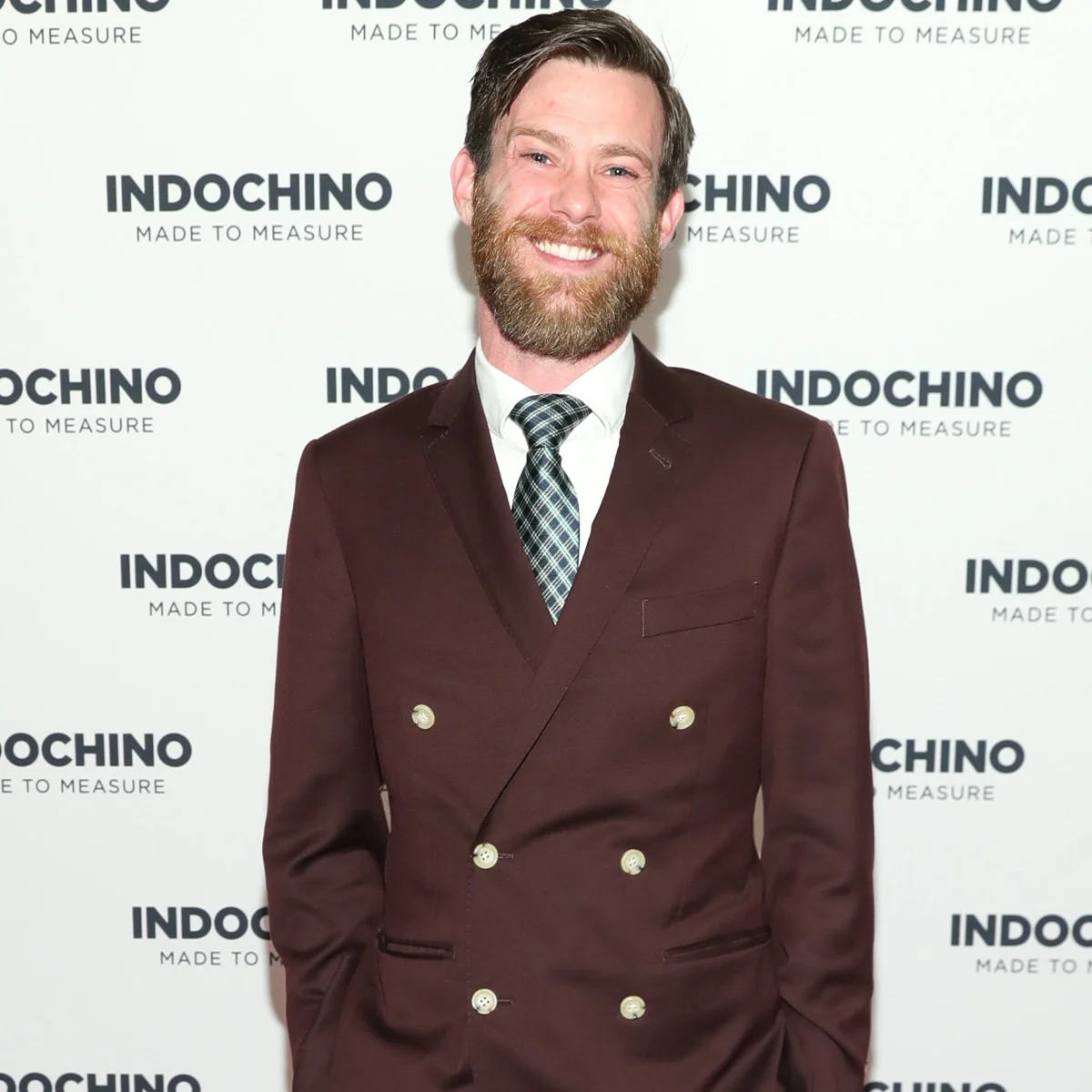
Brandon "Bug" Hall, the actor widely recognized for his iconic portrayal of Alfalfa in the 1994 feature film The Little Rascals, has publicly sought financial assistance via a GoFundMe campaign as he and his wife, Jill, prepare for the arrival of their sixth child. The appeal marks a significant departure from the lifestyle Hall has cultivated since 2020, when he announced a self-imposed withdrawal from his acting career and a commitment to a "vow of poverty."
Currently residing in a camper van in Mountain View, Arkansas, with his growing family, Hall—now 41 years old—detailed the logistical and financial hurdles currently facing his household. The fundraiser, launched on November 5, seeks to bridge a gap in basic living expenses, including utility fees, propane for heating, and the finalization of housing infrastructure on their rural land.
A Chronology of a Radical Lifestyle Shift
The trajectory of Hall’s life changed dramatically following his exit from the mainstream entertainment industry. His professional career, which included roles in films such as Get a Clue, essentially ceased in 2020. This transition period was marked by personal and legal challenges, most notably an arrest that same year related to the inhalation of air duster cans—an incident for which he reportedly faced no formal charges.
In the years that followed, Hall and his family embraced an off-the-grid existence, which he has frequently documented through social media and independent video platforms. In an April 2025 YouTube broadcast, Hall characterized his family’s lifestyle as a "radical Catholic extremist" approach, emphasizing a rejection of modern consumerist norms in favor of a life centered on faith and self-sufficiency.
By early 2025, Hall provided further clarity regarding his financial philosophy in an interview with the Daily Mail. He stated that his objective was to eliminate the necessity for a steady income, opting instead to perform intermittent odd jobs only when specific, immediate financial obligations arose. This "vow of poverty," as he described it, was intended to decouple his identity and survival from the fluctuations of the Hollywood economy.
The Current Financial Impasse
The recent plea for assistance highlights the tension between ideological commitment and the practical demands of raising a large family. According to Hall, while the family successfully relocated to their land in Arkansas, they remain "a few materials short" of establishing a fully functional homestead.
The timing of this request is critical, as the birth of the family’s sixth child is expected within less than a month. Hall noted that he intends to use the funds to finalize their living conditions within a two-week window, which would subsequently allow him to return to temporary, paid work before the baby arrives. He has been transparent about the specific nature of his debts, citing outstanding phone bills, propane costs, and an unexpected service fee for an electric hookup.
In his public appeal, Hall expressed a sense of reluctance, acknowledging that he had "avoided doing one of these [fundraisers] in all that time" because he viewed the situation as a personal choice. However, he admitted that the lack of resources had reached a threshold where he no longer had an alternative.
Philosophical and Social Implications
The choice to abandon a successful career in favor of a minimalist, religiously-driven lifestyle is a trend observed among a subset of former child actors who have sought to distance themselves from the pressures of fame. Hall’s situation serves as a case study in the difficulties of maintaining such an existence when faced with the unpredictable costs of family expansion and rural property management.
From a sociological perspective, the "vow of poverty" reflects a broader, albeit niche, movement of individuals opting out of traditional labor markets. However, the reliance on crowdfunding platforms—which inherently depend on the participation of the public—creates a paradox for those who claim to prioritize independence from society’s economic structures. Hall has acknowledged this, noting in his request that he is "no more deserving than anyone else" and welcomes support in the form of prayers, the sharing of his campaign, or direct monetary donations.
Contextualizing the Departure from Hollywood
Bug Hall is part of a growing cohort of industry figures who have, in recent years, opted to relocate away from Los Angeles to pursue lifestyles that prioritize personal or spiritual fulfillment over professional advancement. This phenomenon—often colloquially termed "leaving Hollywood"—has seen stars move to diverse locations, from the English countryside to rural America, often citing a desire to escape the "industry bubble."
For example, actors such as Josh Hartnett and Jesse Eisenberg have sought refuge in quieter locales to raise their families, emphasizing that the environment of the entertainment industry can feel unstable or one-dimensional. Others, like Elisha Cuthbert and Cameron Diaz, have taken extended hiatuses from acting to focus on motherhood, highlighting the difficulty of balancing high-pressure production schedules with domestic life.
Furthermore, some figures have pivoted toward entirely different professional sectors. Eliza Dushku has moved into the mental health field, becoming certified in psychedelic-assisted therapy, while Bridgit Mendler shifted from acting to the aerospace industry, pursuing a PhD and launching a satellite startup. These transitions underscore a collective desire for "dharma" or a sense of purpose that transcends the fame associated with early acting roles.
Broader Trends and Public Reception
The public reaction to Hall’s request has been mixed, reflecting a divide between supporters who admire his dedication to a faith-based life and critics who question the sustainability of his decisions, particularly regarding the welfare of his children. While his fans often view his journey as a courageous rejection of the "Hollywood machine," others express concern over the lack of traditional financial safety nets for a household of eight.
The financial vulnerability of the Hall-Barnett family, as they call themselves, illustrates the risks inherent in rejecting conventional employment. When emergencies arise or when infrastructure projects remain incomplete, the safety net for those who have "opted out" often relies on the very public they sought to distance themselves from.
Analysis of Future Outlook
As Hall nears the birth of his sixth child, the immediate success of his GoFundMe campaign will likely determine the stability of his living arrangements for the coming winter. Whether he maintains his vow of poverty or is forced to reintegrate into the workforce more permanently remains an open question.
For the time being, Hall continues to frame his life as a path of sacrifice and service. By inviting the public to engage with his story—not just through financial support but through prayer and social media advocacy—he maintains a connection to the digital sphere even as he lives physically off-grid. The situation remains a stark reminder of the complexities involved in pursuing a life of radical simplicity within a modern, interconnected economic system. As the deadline for his project completion approaches, the outcome of his appeal will likely serve as a litmus test for the sustainability of his chosen lifestyle.

