
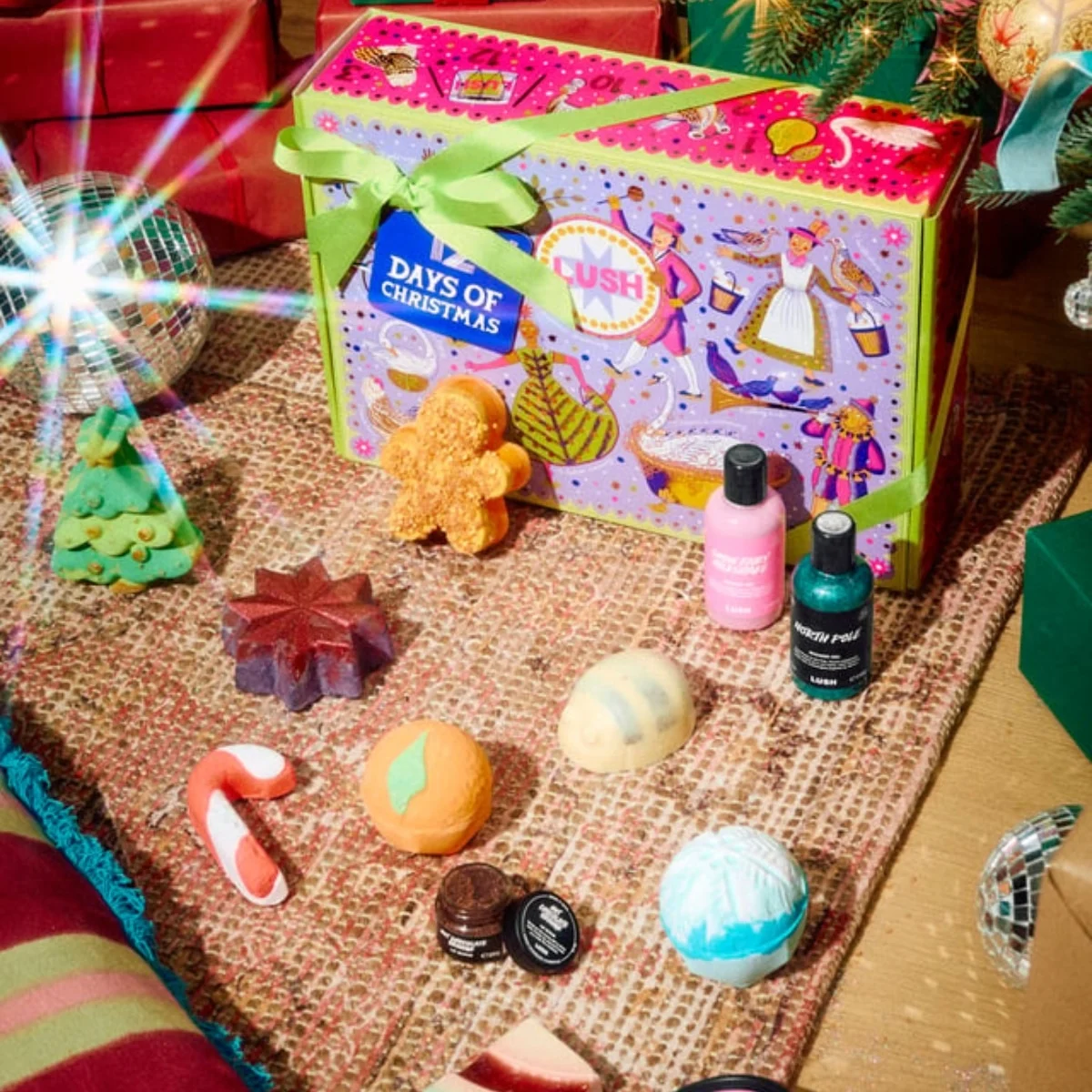
The tradition of the beauty advent calendar has evolved significantly over the past decade, shifting from a niche holiday novelty into a major retail phenomenon. Originally rooted in 19th-century German customs—where families marked the days leading up to Christmas with chalk lines or candles—the concept has been completely reimagined by the modern cosmetics industry. Today, these calendars serve as strategic holiday marketing vehicles that allow brands to drive high-volume sales, introduce consumers to new product lines, and clear inventory before the start of the new fiscal year.
As the retail industry approaches the critical Black Friday and Cyber Monday window, the competition among beauty brands to secure a spot on the consumer’s "holiday wish list" has reached an all-time high. With supply chain logistics often requiring products to be in warehouses by late summer, the countdown for consumers now begins as early as October. For the 2026 holiday season, retailers are placing a heightened emphasis on "total order value" to combat consumer skepticism regarding the price-to-product ratio of luxury gift sets.
The Economics of the Holiday Countdown
The surge in popularity of beauty advent calendars can be attributed to a shift in consumer spending habits. Data from retail analytics firms indicates that shoppers are increasingly looking for "value bundles" that offer full-size products alongside travel-sized samples, effectively lowering the cost-per-ounce of premium beauty routines.
Industry analysts suggest that the primary driver for this year’s success is the diversification of offerings. Brands are no longer restricted to traditional makeup; the 2026 market features highly specialized collections ranging from K-Beauty-focused glass-skin routines to high-end fragrance discovery sets. This segmentation allows retailers to target specific demographics—ranging from the budget-conscious Gen Z shopper looking for affordable hair accessories to the luxury consumer seeking exclusive, full-sized designer perfume bottles.
Chronology of the 2026 Beauty Advent Market
The rollout of these products followed a distinct, tiered timeline designed to maximize engagement:
- Early September: Teasers and "waitlist" sign-ups appeared for high-end luxury calendars, such as the BYREDO and Molton Brown sets, to gauge demand.
- Early October: Mainstream retailers like Sephora and Ulta began the official launch phase, coinciding with early-access member events.
- Late October/Early November: The current period serves as the "pre-Black Friday" push, where brands introduce competitive discounting to capture consumers before the major November retail crush.
- Mid-November: The final window for availability, as historical data shows that high-value calendars typically sell out or face inventory shortages before the actual start of December.
Notable 2026 Collections and Their Value Propositions
The market this year is defined by a wide spectrum of price points and product curation strategies. Below is an analysis of key releases currently shaping the market:
High-Value Luxury and Multi-Category Sets
The Bluemercury 31 Days of Dazzle stands out as a premier example of the "value-first" approach. With an estimated order value of $943, the calendar incorporates items from prestigious houses such as Augustinus Bader and Dr. Barbara Sturm. Similarly, the MAC Cosmetics 24 Days of Icons calendar, valued at $565, focuses on deep-inventory replenishment for long-time brand loyalists. These sets are positioned as long-term investments rather than impulse buys.

Specialized and Niche Market Offerings
For those seeking specific beauty outcomes, the industry has provided targeted solutions. The ANUA 7-Days of Glass Skin calendar reflects the continued growth of the K-Beauty sector in North America, focusing on a consolidated routine rather than a broad assortment. Conversely, the LANEIGE 12 Days of Wonder and the Olive Young x Sephora collection highlight the ongoing institutional partnership between Korean retailers and Western marketplaces, bringing specialized skincare formulations to a broader global audience.
Fragrance and Lifestyle Collections
The Maison Margiela REPLICA 7-Day Holiday Calendar represents a pivot toward "experience-based" gifting. Rather than focusing solely on traditional cosmetics, this set leans into sensory lifestyle products—candles, shower gels, and hand creams—which have seen a 14% increase in demand during the Q4 holiday period. Similarly, the BYREDO advent calendar offers a 25-day journey through signature scents, catering to the luxury fragrance market.
Affordable and Accessible Grooming
Makeup Revolution and essence have continued to dominate the accessible price tier, with calendars priced below $70. These products provide a high quantity of items, appealing to younger consumers or those looking for giftable items that do not require a three-digit investment. The inclusion of hair accessories in collections like the Conair or Kitsch 2026 calendars further underscores the industry’s push to move beyond skincare into broader personal care categories.
Strategic Implications for Retailers
Retailers have adopted a "curation-as-service" model. By interviewing experts, analyzing customer reviews, and leveraging editorial partnerships, brands are attempting to mitigate the "filler" problem—a common consumer complaint where high-priced calendars contain low-value items like single hair clips or sample packets.
The current trend toward "clean" and "botanical" beauty is also evident, with sets like the True Botanicals 12 Days of Decadent Delights gaining traction among consumers who prioritize ingredient transparency. Furthermore, the inclusion of sustainable packaging and reusable vanity boxes suggests that retailers are responding to the growing consumer demand for environmentally conscious gifting.
Future Outlook and Consumer Considerations
As the holiday season progresses, the implications for the beauty industry remain clear: the advent calendar has transitioned from a holiday tradition to a core component of the retail beauty strategy. For consumers, the decision to purchase rests on three primary factors: the presence of "hero" products, the actual retail value versus the sticker price, and the utility of the included items.
While the temptation to purchase is high, industry watchdogs advise consumers to verify the contents against their current needs. As the market enters the final weeks of availability, those looking to secure high-demand sets are advised to act before the traditional Black Friday sales event, as limited-edition runs are unlikely to be restocked.
The 2026 season confirms that whether one is looking for a comprehensive skincare overhaul from a brand like Dermstore or a whimsical collection of nail polishes from Olive & June, the diversity of the current market ensures that the "advent" experience is no longer one-size-fits-all. It is a highly segmented, data-driven, and meticulously curated reflection of the broader global beauty industry’s commitment to year-end growth.

