
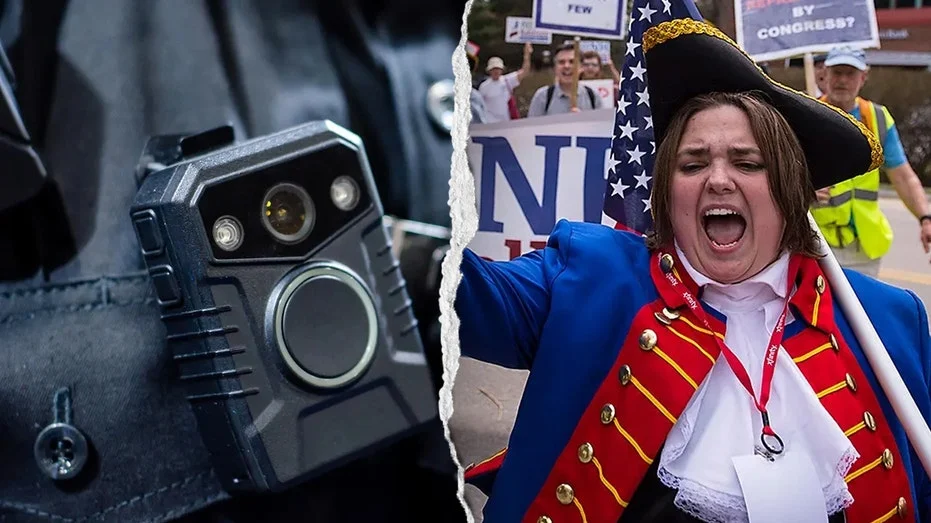
The legal battle surrounding New Hampshire Democratic State Representative Ellen Read’s alleged 107 mph traffic stop has forcefully propelled the critical discussions around police transparency technology, specifically body-worn and dashboard cameras, back into the public consciousness. This renewed focus is particularly acute in Rockingham County, where the Sheriff’s Office, the agency involved in the high-speed stop, openly confirmed its lack of such crucial recording equipment, citing persistent funding shortfalls. The absence of verifiable video evidence from the incident creates a significant void in the legal proceedings and amplifies calls for enhanced accountability and technological investment within local law enforcement.
The Incidents and Representative Read’s Legal Challenge
Representative Ellen Read is currently contesting charges stemming from two separate traffic stops conducted by the Rockingham County Sheriff’s Office. The more prominent of these incidents, which has garnered significant media attention, involves a deputy’s accusation that she was driving at an alarming speed of 107 miles per hour. This stop reportedly occurred while Read was en route to or from legislative duties. Read, however, disputes the specific allegation of 107 mph, acknowledging that she was traveling approximately 85 mph. She has publicly stated her willingness to accept a speeding ticket for the speed she admits to, but not for the higher alleged speed or a charge of reckless driving.
Crucially, Read has also refuted the sheriff’s office’s assertion that she recorded any part of the stop on her cellphone. She expressed regret that she did not, stating that the lack of official video corroboration from the officers has prompted her to consider investing in a personal dash camera for future protection. Instead of personal video, a witness who was on a phone call with Read during the stop later provided testimony in court, offering an alternative account to the deputy’s narrative.
At the core of Read’s defense is a profound constitutional argument: she contends that both traffic stops violated a provision of the New Hampshire Constitution designed to protect lawmakers from impedance while traveling to and from their legislative duties. This clause, a historical artifact of legislative privilege, aims to prevent interference with the functioning of the state government by ensuring representatives can attend sessions without undue delay or arbitrary arrest. Read clarifies that her argument is not one of absolute immunity from prosecution for any offense, but rather protection from being delayed or arrested during her legislative commute, thereby impacting her ability to fulfill her public service role.
The Body Camera Vacuum in Rockingham County
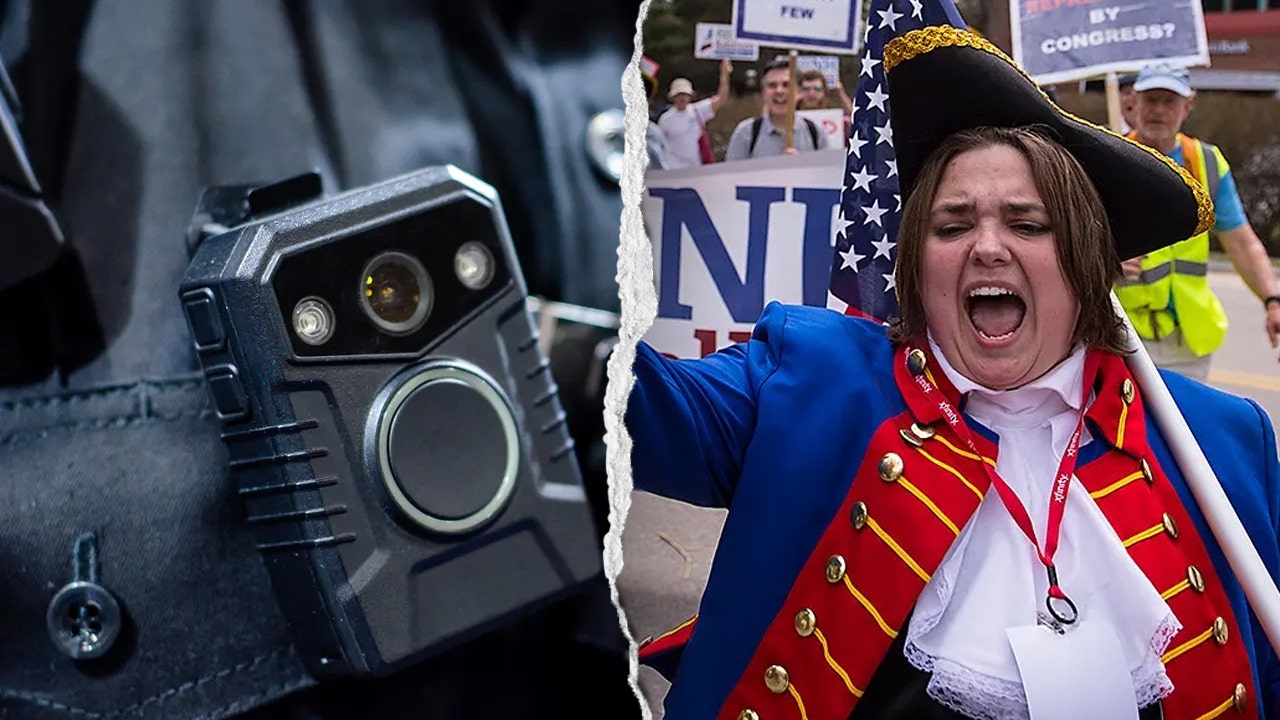
A central element of this unfolding legal and public debate is the Rockingham County Sheriff’s Office’s admitted lack of modern transparency technology. Major Christopher Bashaw, representing the sheriff’s office, confirmed to Fox News Digital that their deputies do not utilize body-worn cameras or dashboard cameras. The primary impediment, according to Bashaw, is a severe lack of financial resources required not only for the initial purchase of the sophisticated equipment but also for the substantial ongoing costs associated with maintenance, replacement, and, crucially, the secure storage of large volumes of digital data. Despite these budgetary hurdles, Major Bashaw articulated the agency’s desire to equip its deputies with this technology, underscoring a recognized need for enhanced transparency and evidence collection capabilities.
The absence of objective recording equipment in this high-profile case transforms what would otherwise be a matter potentially verifiable by video into a "he said, she said" scenario. In such situations, the deputy’s testimony stands largely uncorroborated by independent visual or audio records, making it challenging for courts to ascertain the precise sequence of events and for the public to gauge the fairness of the interaction. In an era where public trust in law enforcement is increasingly tied to transparency and accountability, the lack of such evidence can complicate judicial processes, fuel public skepticism, and leave critical questions unanswered regarding the specifics of police-civilian interactions, irrespective of the actual facts of the stop.
A Broader Look at Police Transparency Technology: National Context
The debate over body cameras and dash cameras extends far beyond the borders of New Hampshire, representing a national conversation about police accountability, evidence collection, and public trust. Across the United States, the adoption of body-worn cameras (BWCs) by law enforcement agencies has seen a significant surge over the past decade. According to a 2018 Bureau of Justice Statistics (BJS) report, approximately 80% of large police departments (those with 1,000 or more sworn officers) had implemented BWCs, with the overall adoption rate for local police departments standing at 47%. While these figures are several years old, the trend has largely continued upwards, driven by public demand for greater transparency, especially in the wake of high-profile incidents involving police use of force and misconduct allegations.
Proponents of body cameras argue that they offer multiple benefits that contribute to both public safety and police professionalism:
- Enhanced Accountability: BWCs provide an objective, third-party record of encounters, which can protect both officers from false accusations and civilians from potential misconduct or abuses of power.
- Improved Evidence Collection: The cameras capture crucial visual and audio details that can be invaluable for criminal investigations, prosecutions, and legal defense, often providing context that written reports alone cannot.
- Reduced Use of Force and Complaints: While studies on their effectiveness vary, many suggest a potential reduction in use-of-force incidents by officers and a decrease in citizen complaints when officers wear cameras. This is often attributed to a "civilizing effect" on both parties, as awareness of being recorded can lead to more professional behavior.
- Training Opportunities: The recorded footage can be a powerful tool for training new recruits, evaluating officer performance, and refining existing police procedures and de-escalation tactics.
However, the implementation of comprehensive body camera programs is not without its significant challenges, primarily financial. The costs are substantial, encompassing not only the cameras themselves (which can range from a few hundred to over a thousand dollars per unit) but also the robust IT infrastructure required for secure data storage, specialized software for redacting sensitive information, personnel dedicated to managing and reviewing footage, and ongoing training for officers and staff. A single agency’s body camera program can cost hundreds of thousands, if not millions, of dollars annually, depending on its size, the volume of data generated, and the chosen storage solution (cloud-based vs. on-premises servers). For smaller, rural departments like the Rockingham County Sheriff’s Office, these financial hurdles are often insurmountable without substantial external aid or dedicated state funding.
New Hampshire’s Funding Landscape and Policy Framework
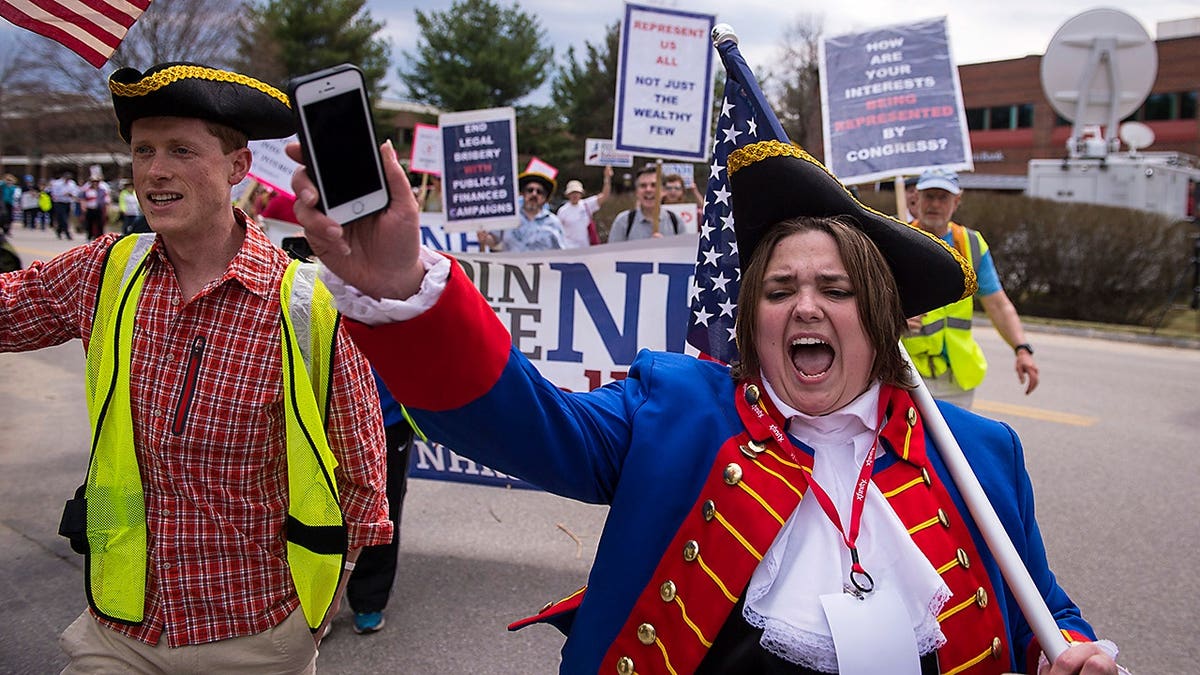
Recognizing these inherent financial barriers faced by local law enforcement, New Hampshire lawmakers took proactive steps to address the issue. In 2021, they established a dedicated Body-Worn and Dashboard Camera Fund. This legislative initiative was specifically designed to provide crucial financial assistance to local law enforcement agencies across the state, offering matching grants to help them acquire the necessary camera equipment. Beyond the initial purchase, the fund also aims to alleviate the burden of ongoing operational costs, including maintenance, equipment replacement, and the often-overlooked yet significant expense of secure digital data storage and management. All local law enforcement agencies within the state are eligible to apply for these grants, signaling a clear legislative intent to promote the widespread adoption of transparency technology statewide.
Despite the existence of this dedicated fund, state law currently does not mandate that agencies purchase or utilize body cameras. Instead, it creates a regulatory framework that encourages, rather than compels, adoption. The law stipulates that any agency choosing to deploy such cameras must adopt comprehensive policies governing when officers are required to record law enforcement encounters, including routine traffic stops. This approach leaves the ultimate decision and the responsibility for pursuing available funding to individual departments.
It remains unclear whether the Rockingham County Sheriff’s Office has, in fact, applied for funding through this state grant program since its inception. Major Bashaw’s statements highlight the office’s desire for the technology but do not explicitly detail efforts to secure the available state assistance. Representative Read, herself a consistent proponent of body cameras, has publicly expressed her support for legislation governing their use and for funding initiatives like the state grant program. Furthermore, she has publicly offered to collaborate with the Rockingham County Sheriff’s Office to help them secure the necessary funding in the upcoming state budget cycle, underscoring a potential bipartisan interest in addressing this technological gap. Read’s support for body cameras is particularly notable given her expressed skepticism about other forms of law enforcement spending, such as military-grade equipment and expensive vehicles, indicating a belief in the unique value proposition of transparency tools for accountability and evidence.
Legislative Immunity: A Historical Perspective and Modern Application
Representative Read’s invocation of legislative immunity introduces a profound constitutional dimension to her case, delving into centuries-old legal principles. The concept of legislative privilege, often codified as "freedom from arrest" or "privilege from arrest," originated in English common law and was adopted by many early American state constitutions, as well as the U.S. Constitution (Article I, Section 6, Clause 1, for federal legislators). Its primary purpose was to protect members of legislative bodies from harassment, arbitrary arrest, or undue interference by the executive branch or other entities, thereby ensuring they could freely attend and participate in legislative sessions without fear of reprisal or delay. This was particularly crucial in historical contexts where executive power might seek to undermine legislative independence or prevent votes on critical legislation.
Professor Lawrence Friedman, a legal scholar at New England Law, provided expert analysis on this constitutional provision. He emphasized that while the clause dates back centuries, its modern interpretation is unlikely to grant absolute immunity from all forms of arrest or legal consequence. Friedman articulated that the provision was fundamentally intended to prevent lawmakers from being delayed in their legislative duties, not to shield them from accountability for actions like traffic violations or criminal behavior that would apply to any other citizen. He believes it is improbable that a court would rule that a legislator is entirely immune from arrest for a moving violation simply because of their office, as such an interpretation would create a special class of citizens above the law for common infractions.
The New Hampshire Supreme Court’s decision not to immediately hear Read’s constitutional challenge further supports this measured view. Friedman clarified that this refusal should not be construed as a definitive ruling on the merits of her argument. Instead, it indicates the Supreme Court’s preference for the case to proceed through the lower trial courts first, allowing a more complete factual record and legal analysis to develop before it considers an appeal. This procedural step suggests that the constitutional argument, while significant, is not so immediately dispositive as to warrant bypassing the usual judicial process.

Major Bashaw of the Rockingham County Sheriff’s Office echoed this sentiment, asserting that the constitutional provision was designed to prevent interference with legislative business, not to provide blanket immunity for dangerous driving. He posed a stark hypothetical, questioning whether such a claim would extend to vehicular homicide, suggesting that interpreting the clause as absolute immunity from all arrests, even for severe infractions, would undermine public safety and the fundamental principle of equal accountability under the law. Read, for her part, acknowledged the antiquated language of the constitutional provision, noting it was "written before cars existed," and conceded that its wording could benefit from modernization while still preserving its core intent of protecting legislative functions.
Implications for Justice and Policy
The case of Representative Read and the Rockingham County Sheriff’s Office carries several significant implications for both the administration of justice and future policy decisions in New Hampshire:
-
Evidentiary Challenges in Court: The absence of body camera or dashboard camera footage creates a significant evidentiary void in judicial proceedings. In situations where there are conflicting accounts between a law enforcement officer and a citizen, video evidence can be crucial for resolving disputes, corroborating testimony, or highlighting discrepancies. Without it, judges and juries are left to weigh credibility based solely on verbal accounts, which can be inherently more challenging and susceptible to bias or memory lapses. This case underscores the tangible impact of lacking such technology on the fairness and efficiency of the judicial process.
-
Public Trust and Law Enforcement Transparency: In an era of heightened scrutiny of law enforcement, transparency is paramount for maintaining public trust and fostering positive police-community relations. The ability for the public to review video footage of police interactions fosters greater confidence in the fairness and integrity of police actions. When such footage is unavailable, it can lead to public skepticism and accusations of a lack of accountability, irrespective of the actual facts of the case, potentially eroding community confidence.
-
Funding Disparities Among Agencies: The Rockingham County Sheriff’s Office’s candid admission of funding issues highlights a common challenge faced by smaller and rural law enforcement agencies across the state and nation. While larger metropolitan departments may have the resources to invest in advanced technology, smaller agencies often struggle with chronic budget constraints, making it difficult to keep pace with evolving standards of transparency and evidence collection. This case could serve as a catalyst for renewed legislative discussions about state funding mechanisms and their accessibility to all law enforcement agencies, ensuring equitable access to essential tools.
-
Modernizing Constitutional Provisions: Read’s constitutional defense, while rooted in historical precedent, also brings to light the need for modern interpretations or even amendments to constitutional provisions that predate contemporary realities. The debate over whether a privilege designed to protect lawmakers from politically motivated arrests should extend to high-speed traffic violations is a legitimate one that could prompt legislative review and potentially lead to clearer guidelines for future applications of the clause.
-
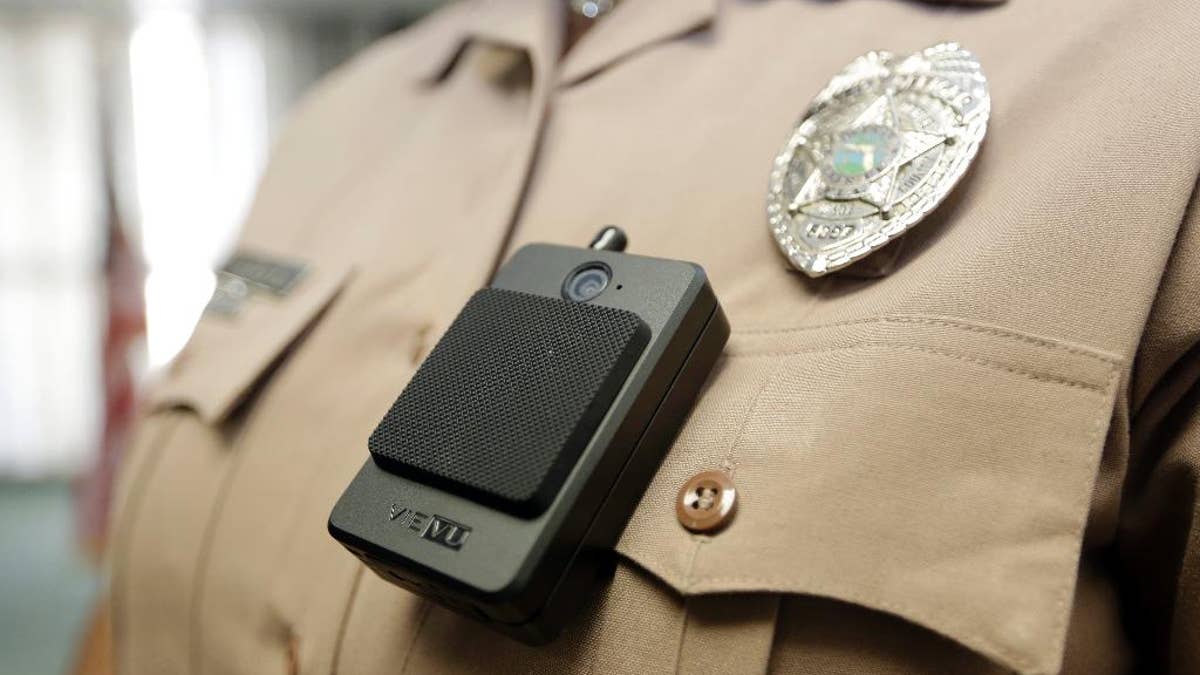
Precedent Setting and Policy Influence: Depending on how Representative Read’s case ultimately resolves, particularly regarding the legislative immunity claim, it could establish important legal precedents in New Hampshire concerning the scope and limitations of such constitutional protections. Similarly, the intense public discourse surrounding the lack of body cameras in Rockingham County could influence legislative actions to either mandate their use statewide or enhance funding incentives for their adoption, ensuring that all New Hampshire citizens benefit from increased police accountability and transparency.
The Path Forward
As Representative Read’s legal battle continues through the trial courts, the outcomes will be closely watched by legal experts, lawmakers, and the public alike. The judiciary will have to navigate the complex interplay between individual rights, historical legislative privilege, and contemporary expectations for public safety and law enforcement accountability. Simultaneously, the spotlight on the Rockingham County Sheriff’s Office’s technological deficit could galvanize efforts to secure funding for body and dash cameras, potentially with the assistance of legislators like Read herself. This incident, while specific to one lawmaker and one county, serves as a microcosm of broader national challenges concerning police transparency, accountability, and the perennial struggle to balance historical legal traditions with modern societal expectations. The resolution of this case will undoubtedly contribute to the ongoing evolution of these critical discussions within New Hampshire and beyond, shaping future policy and legal interpretations.

