
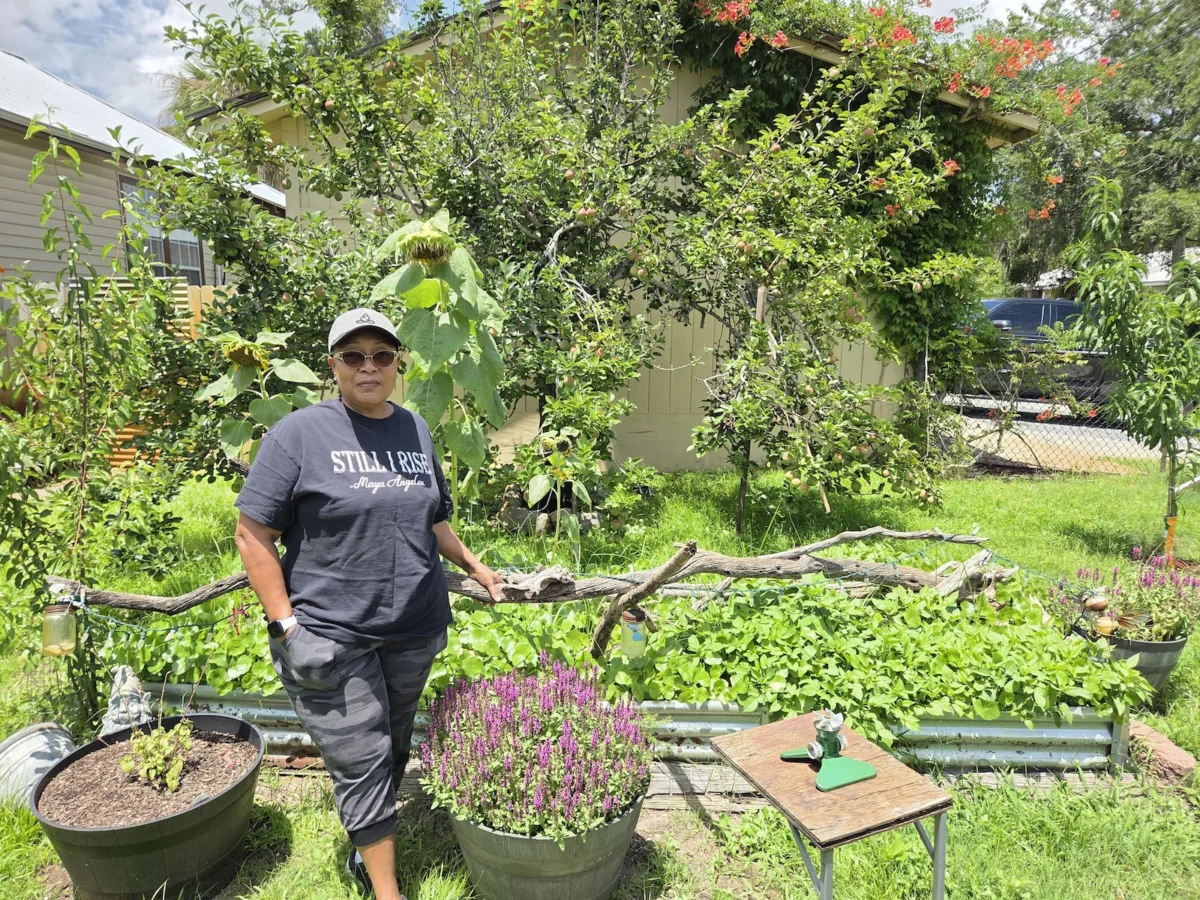
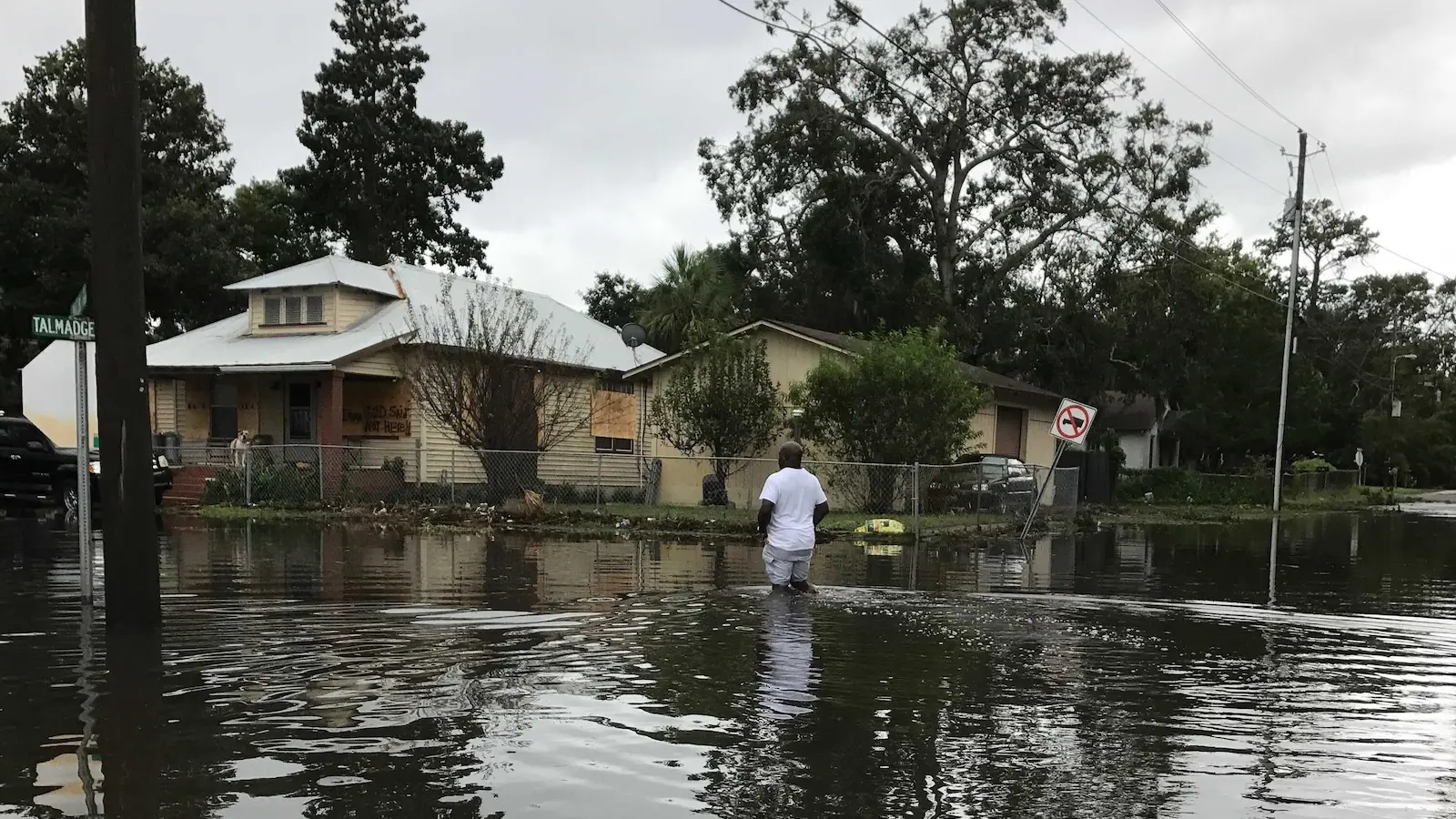
In the coastal city of Brunswick, Georgia, the intersection of industrial history and environmental vulnerability is a daily reality for residents like Semona Holmes. From her front porch, Holmes looks out over a landscape of fruit trees and fish ponds that, during periods of heavy rain or exceptionally high tides, is frequently reclaimed by rising waters. This flooding is not merely a logistical inconvenience; it represents a potential public health crisis. Holmes lives less than half a mile from a former pesticide plant, now designated as a federal Superfund site. When the streets of her neighborhood transform into what she describes as a "river," the water carries with it the invisible legacy of decades of industrial contamination.
To address these growing concerns, a consortium of six major research institutions has announced the launch of Georgia’s first-ever Superfund research center. Supported by a $15 million grant from the National Institute of Environmental Health Sciences (NIEHS), the center will embark on a five-year intensive study of the four toxic Superfund sites located within Glynn County. The project brings together experts from Emory University, the University of Georgia, Georgia Tech, Morehouse School of Medicine, Spelman College, and Texas Tech University. This interdisciplinary team aims to map the pathways of contamination and evaluate how the escalating effects of climate change—specifically sea-level rise and intensified storm surges—threaten to breach existing containment measures.
The Industrial Legacy of Glynn County
Glynn County has long served as a hub for Georgia’s industrial sector, but this economic history has left behind a complex environmental burden. The county currently hosts four sites on the Environmental Protection Agency’s (EPA) National Priorities List, more commonly known as Superfund sites. These locations are among the most contaminated in the United States, requiring long-term federal oversight and remediation.
The sites under investigation include the LCP Chemicals site, the Terry Creek Dredge Spoil Areas/Hercules Outfall, the Hercules 009 Landfill, and the Brunswick Wood Preserving site. For decades, these facilities produced or processed a variety of hazardous substances, including mercury, polychlorinated biphenyls (PCBs), toxaphene, and creosote. While the EPA has implemented various remediation strategies over the years—such as "capping" contaminated soil with protective layers or installing groundwater treatment systems—local residents remain skeptical about the long-term efficacy of these barriers, particularly as the coastal climate shifts.
Semona Holmes’ fears are rooted in the physical reality of her environment. "Everything from that chemical plant has flowed into our community," she said, reflecting on years of observing floodwaters rise to knee-height. In one instance following a hurricane, the flooding was so severe that neighbors were forced to navigate the residential streets by canoe. The new research center aims to move beyond anecdotal evidence, providing the scientific data necessary to understand exactly what chemicals are moving through the soil, air, and water, and how they are impacting human biology.
A Two-Pronged Scientific Mandate
The Georgia Superfund research center is structured around two primary objectives, according to Noah Scovronick, an assistant professor of environmental health at Emory University’s Rollins School of Public Health. The first objective is retrospective: understanding the health consequences of past chemical exposures. The second is prospective: developing strategies to mitigate future risks.
"One is to understand the health effects of past chemical exposures, and the other is to try and reduce people’s future exposures," Scovronick explained. To achieve this, the team will conduct extensive environmental sampling and utilize advanced modeling to track the movement of toxins. This involves not only testing the soil and water near the industrial sites but also investigating how these chemicals bioaccumulate in local wildlife and food sources.
A critical component of the study involves modeling the impacts of climate change. Coastal Georgia is experiencing some of the fastest rates of relative sea-level rise on the Atlantic coast. As water levels rise, the hydrostatic pressure can push groundwater upward, potentially saturating contaminated soils that were previously dry. Furthermore, stronger and more frequent hurricanes bring storm surges that can physically erode the protective caps designed to keep toxic waste sequestered. The research team wants to ensure that "remediation that is ongoing at those sites is resilient to extreme weather moving forward," Scovronick noted.
The Role of the Research Consortium
The $15 million grant facilitates a unique collaboration between diverse institutions, each bringing a specific expertise to the table:
- Emory University: Leading the public health and epidemiological aspects of the study.
- University of Georgia (UGA): Focusing on ecological impacts and the movement of toxins through coastal ecosystems.
- Georgia Tech: Providing engineering insights into "resilient remediation" and stormwater management.
- Morehouse School of Medicine & Spelman College: Focusing on community engagement and the disproportionate impact of pollution on marginalized populations, ensuring that environmental justice remains at the forefront of the research.
- Texas Tech University: Contributing specialized toxicological analysis to determine the precise health risks of specific chemical mixtures found in Brunswick.
This multi-institutional approach is designed to create a holistic view of the problem, bridging the gap between high-level laboratory science and the lived experience of the residents in Glynn County.
Chronology of Contamination and Response
The environmental issues in Brunswick did not emerge overnight. The timeline of industrial activity and subsequent regulatory action spans over half a century:
- 1950s–1980s: Intense industrial activity occurs at the LCP Chemicals and Hercules plants. Waste disposal practices, common for the era but later found to be hazardous, lead to the accumulation of mercury and pesticides in the salt marshes.
- 1994: The LCP Chemicals site is added to the EPA’s National Priorities List after massive contamination of the surrounding marshland is discovered.
- 2000s: Various remediation efforts begin, including the removal of thousands of tons of contaminated soil and the installation of "caps" to seal in remaining toxins.
- 2017–2018: Hurricanes Matthew and Irma cause significant flooding in Brunswick, raising questions about whether the Superfund sites remained contained during the storm surges.
- 2024: The National Institute of Environmental Health Sciences awards $15 million to establish the Georgia Superfund research center, marking the start of a new era of data-driven oversight.
Community Concerns and Environmental Justice
For the people of Glynn County, the research is more than an academic exercise; it is a matter of survival and transparency. Many families have already adapted their lives to avoid perceived risks. Holmes and her family, for example, have long avoided drinking tap water and refrain from eating seafood caught in local waterways—a significant sacrifice in a community where subsistence fishing was once a way of life.
The proximity of schools to these sites is a particular point of contention. Holmes has six grandchildren, some of whom attend an elementary school located just blocks from a contaminated zone. "We want them to be healthy," she said. "And you don’t want to worry that they’re playing on a playground that has contaminated soil."
The research team has prioritized community involvement, meeting with residents like Holmes during the planning stages of the grant application. By incorporating local concerns into the study’s design, the scientists hope to answer the specific questions that have haunted residents for years: Is the air safe to breathe during a heatwave? Is the soil in the backyard safe for a vegetable garden? What are the long-term risks for children growing up in the shadow of these plants?
Broader Implications and the Path Forward
The findings of this five-year study could have implications far beyond the borders of Glynn County. Across the United States, there are thousands of Superfund sites located in areas increasingly vulnerable to climate change. The "Brunswick model" of resilient remediation could serve as a blueprint for how the EPA and state agencies manage toxic waste in the face of a warming planet.
Furthermore, the study seeks to hold the industrial entities accountable, at least in the court of public record. While many of the companies that originally operated these sites have merged, changed names, or declared bankruptcy, the legacy of their operations remains. Holmes emphasizes that documentation and acknowledgment are crucial steps toward healing. "It shows that you care about humanity," she said, "and that you are able to acknowledge that, ‘Yeah, by our actions, we have possibly contaminated an entire county.’"
As the researchers begin their work, the focus remains on "continued action." The $15 million investment represents a significant commitment to uncovering the truth about Glynn County’s environment, but for the residents living on the front lines of the climate and toxic crisis, the ultimate goal is a future where the rain no longer brings the fear of chemical exposure. The work of the Georgia Superfund research center will be a critical step in determining whether that future is possible.

