
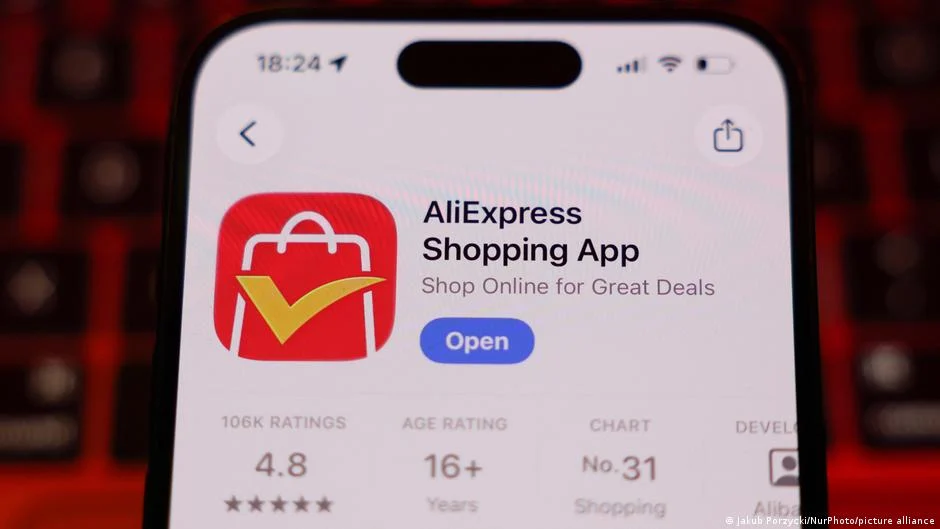
Chinese e-commerce giant AliExpress has announced its intention to appeal a monumental €550 million ($629 million) penalty imposed by European Union regulators. The unprecedented fine, the largest ever levied under the bloc’s landmark Digital Services Act (DSA), stems from the European Commission’s findings of significant shortcomings in the platform’s efforts to curb the proliferation of illegal, unsafe, and counterfeit goods. This decision underscores the EU’s escalating determination to hold very large online platforms accountable for content and product safety within its digital single market.
The EU’s Stance: A Failure to Uphold Obligations
The European Commission, the EU’s executive arm, made its findings public on Monday, asserting that AliExpress, a subsidiary of Alibaba Group, had fallen short of its obligations under the DSA. Henna Virkkunen, European Commission Vice President, articulated the gravity of the situation, stating, "The spread of counterfeit clothing, unsafe toys, dangerous cosmetics and other illegal and harmful products is not an unavoidable cost of shopping online – it is a failure by AliExpress to comply with its obligations under the Digital Services Act." This statement powerfully conveys the Commission’s position that online marketplaces bear direct responsibility for the safety and legality of products sold through their platforms, moving beyond a historical stance that often viewed platforms as mere intermediaries.
The fine represents a critical moment in the enforcement of the DSA, a comprehensive regulatory framework designed to create a safer and more transparent online environment for EU citizens. Enacted in stages, with key provisions for Very Large Online Platforms (VLOPs) and Very Large Online Search Engines (VLOSEs) coming into force in August 2023, the DSA aims to tackle a broad spectrum of online harms, from illegal content and hate speech to unsafe products and disinformation. For e-commerce platforms like AliExpress, the Act mandates rigorous risk assessments, robust content moderation systems, and proactive measures to prevent the sale of illicit goods.
AliExpress’s Rebuttal: Disproportionate and Excessive
In response to the Commission’s decision, AliExpress swiftly indicated its intention to challenge the penalty, labeling it "disproportionate" and "excessive." The company stated that the EU’s decision "ignores our sound risk management framework and the significant, proactive enhancements we have made." Furthermore, AliExpress highlighted its collaborative efforts with the Commission to meet "evolving expectations," suggesting a perceived disconnect between its internal compliance measures and the regulatory body’s assessment. This disagreement sets the stage for a potentially protracted legal battle, as AliExpress seeks to overturn or reduce the penalty and defend its operational integrity.
The appeal process could involve several stages, potentially including a challenge before the European Court of Justice. Such legal proceedings are often lengthy and complex, requiring detailed arguments regarding the interpretation and application of the DSA, as well as the factual basis of the Commission’s findings. The outcome will be closely watched by other major online platforms operating in the EU, as it could establish important precedents for future DSA enforcement actions.
Chronology of Scrutiny and DSA Implementation
The journey leading to this significant fine is rooted in the EU’s broader legislative push to regulate digital services.
- December 2020: The European Commission first proposed the Digital Services Act and Digital Markets Act (DMA) packages, signaling a new era of digital regulation.
- April 2022: A political agreement was reached on the DSA text.
- October 2022: The Digital Services Act officially entered into force, with different provisions becoming applicable at different times.
- February 2023: The Commission identified 19 VLOPs and VLOSEs, including AliExpress, that would be subject to the most stringent DSA rules due to their significant reach in the EU (over 45 million monthly active users).
- August 25, 2023: The most stringent DSA obligations for VLOPs and VLOSEs came into effect, requiring them to conduct comprehensive risk assessments, implement mitigation measures, and be more transparent about their operations.
- Prior to the Fine: A year ago, AliExpress had reportedly agreed to tighten controls on illegal and potentially dangerous goods, specifically mentioning medicines and supplements. However, the European Commission indicated that these measures did not fully address its broader concerns regarding the platform’s overall compliance. This suggests an ongoing dialogue and a perceived lack of sufficient progress from the regulators’ perspective.
- October 20, 2024: AliExpress faces a deadline to not only pay the fine but also submit a detailed plan outlining how it will address the identified breaches. This plan will then be reviewed by EU regulators, with the potential for further penalties if the proposed measures are deemed inadequate.
This timeline highlights a period of intense regulatory scrutiny and a gradual escalation of enforcement, culminating in the current penalty.
The Scope of the Digital Services Act (DSA)
The DSA is a cornerstone of the EU’s digital strategy, aiming to create a safer, more predictable, and trustworthy online environment. Its core objectives include:
- Combating Illegal Content and Goods: Requiring platforms to implement "notice and action" mechanisms, enabling users to flag illegal content or products, and obliging platforms to act swiftly.
- Protecting Fundamental Rights: Ensuring freedom of expression, data protection, and consumer rights are upheld online.
- Enhancing Transparency and Accountability: Mandating platforms to provide more information on content moderation decisions, advertising, and recommender systems.
- Managing Systemic Risks: Requiring VLOPs to assess and mitigate risks related to the dissemination of illegal content, negative impacts on fundamental rights, and electoral manipulation, among others.
- Empowering Users: Giving users more control over their online experience and providing avenues for redress.
For e-commerce platforms, the DSA specifically focuses on product safety, consumer protection against misleading practices, and the prevention of counterfeit goods. Platforms are expected to know their business users ("Know Your Business Customer" principle), design interfaces that do not mislead consumers, and have robust systems to remove unsafe or illegal products.
The Pervasive Threat of Counterfeit and Unsafe Goods
The EU’s crackdown on AliExpress is not merely a bureaucratic exercise; it addresses a significant economic and public safety concern. The proliferation of counterfeit and unsafe goods on online marketplaces poses multifaceted threats:
- Economic Impact: The EU Intellectual Property Office (EUIPO) consistently reports billions of euros in lost sales annually due to counterfeiting across various sectors, from clothing and cosmetics to electronics and toys. This translates into lost tax revenues, reduced investment, and job losses within legitimate industries. A 2023 EUIPO report estimated that counterfeiting costs EU businesses €16 billion annually in lost sales across 11 key sectors, leading to 200,000 direct job losses.
- Consumer Safety: Unsafe products, ranging from toys with hazardous chemicals to electronics that pose fire risks, directly endanger consumers. Counterfeit medicines, cosmetics, or food products can have severe health consequences. Regulators worldwide frequently issue recalls for products purchased online that do not meet safety standards.
- Erosion of Trust: The presence of illicit goods erodes consumer trust in online shopping, making users wary of purchasing from platforms perceived as lax in their oversight.
- Unfair Competition: Legitimate businesses that invest in product development, quality control, and safety compliance are undermined by counterfeiters who bypass these costs, offering cheaper, inferior alternatives.
The Commission’s statement explicitly mentioned "counterfeit clothing, unsafe toys, dangerous cosmetics," highlighting the specific categories of concern that AliExpress is accused of failing to adequately address.
AliExpress’s Market Position and Broader Industry Context
AliExpress holds a substantial footprint in the European e-commerce landscape. According to the EU, it boasts 193 million users in the bloc, making it the largest Chinese e-commerce platform by user count, ahead of other fast-growing players like Shein (156 million users) and Temu (130 million users). The combined reach of these platforms is considerable, with Vice President Virkkunen noting that "One in five Europeans say they shop once a month from Shein, Temu and AliExpress." This immense user base amplifies the potential impact of any safety or compliance failures.
The fine against AliExpress is not an isolated incident but part of a broader pattern of DSA enforcement actions targeting major online players.
- Temu’s Fine: In May, Temu, another rapidly expanding Chinese e-commerce platform, was reportedly fined €200 million for DSA violations, specifically related to the sale of unsafe and non-compliant products. This indicates a consistent focus by EU regulators on product safety across platforms.
- X (formerly Twitter) Fine: In December of last year, Elon Musk’s social media platform X was also fined €120 million for breaking digital rules, though the specifics of that violation differed, focusing more on content moderation and transparency.
These actions collectively demonstrate the EU’s resolve to use the DSA as a powerful tool to rein in "Big Tech" and other large online services, compelling them to adhere to European standards of safety, transparency, and accountability. The aggregate value of these fines sends a clear message that non-compliance carries significant financial consequences.
Implications for E-commerce and Global Regulation
The AliExpress fine carries profound implications for the global e-commerce industry and the future of digital regulation:
- Increased Compliance Burden: All online marketplaces operating in the EU, particularly VLOPs, will face heightened pressure to review and enhance their compliance frameworks. This includes investing in more sophisticated AI-driven detection systems, increasing human moderation teams, improving seller verification processes, and establishing more transparent grievance mechanisms for consumers.
- Shift in Platform Responsibility: The DSA fundamentally shifts the paradigm of responsibility, moving away from platforms as passive conduits towards active gatekeepers accountable for the legality and safety of content and products. This sets a precedent that could influence regulatory approaches in other jurisdictions.
- Consumer Empowerment: For European consumers, this enforcement action reinforces the promise of the DSA: a safer online shopping experience with stronger protections against dangerous and fraudulent goods. It may also lead to increased awareness among consumers about their rights when shopping online.
- Potential for Regulatory Harmonization: The EU’s proactive stance with the DSA may inspire similar legislative efforts in other regions, potentially leading to a more harmonized global approach to online platform regulation, or conversely, creating new complexities for global companies navigating divergent regulatory landscapes.
- Business Model Adjustments: For platforms heavily reliant on third-party sellers, like AliExpress, the costs of compliance could necessitate adjustments to their business models, potentially impacting seller onboarding, fees, and operational practices. The balance between fostering open marketplaces and ensuring stringent safety checks will be a critical challenge.
- Long-Term Market Impact: While immediate market reactions might focus on the financial penalty, the long-term impact could be a cleaner, more trustworthy e-commerce environment within the EU, potentially benefiting compliant businesses and fostering greater consumer confidence.
The €550 million fine against AliExpress is more than just a monetary penalty; it is a declaration of intent from the European Union. It signals that the DSA is not merely a piece of legislation but a vigorously enforced framework designed to reshape the digital economy and protect its citizens. As AliExpress prepares its appeal and other platforms assess their own compliance, the saga underscores the ongoing tension between rapid digital innovation and the imperative for robust regulatory oversight. The outcome of AliExpress’s appeal and its subsequent compliance plan will undoubtedly set important precedents for the evolving landscape of global e-commerce governance.

