
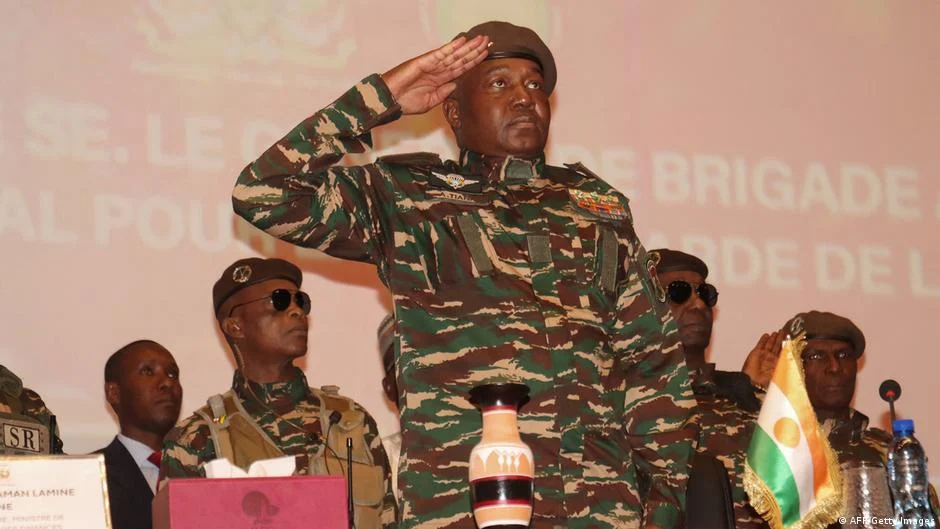
One year has passed since Niger’s military seized power on July 26, 2023, ushering in a new era under General Abdourahamane Tchiani. The coup, which saw the ouster of democratically elected President Mohamed Bazoum, was justified by its orchestrators on the grounds of a deteriorating security situation, despite significant international support aimed at stabilizing the Sahelian nation. However, twelve months later, the promises of improved security, economic revitalization, and a swift return to civilian rule remain largely unfulfilled, leaving the country embroiled in deeper crises and facing complex geopolitical realignments.
The Coup and its Justification
The events of July 26, 2023, unfolded rapidly. Elements of the presidential guard detained President Bazoum, culminating in General Tchiani, then the head of the presidential guard, declaring himself the leader of the newly formed National Council for the Safeguard of the Homeland (CNSP). In his initial address, General Tchiani cited the "deteriorating security situation" and "poor governance" as the primary motivators for the military intervention. He argued that the previous administration had failed to effectively combat the persistent jihadist insurgency, which had plagued the country for years, despite considerable military and financial assistance from international partners, including France and the United States. This narrative resonated with a segment of the population disillusioned by ongoing violence and economic hardship, leading to initial public displays of support for the junta.
In the weeks following the takeover, the military government announced a transitional period, initially proposing a maximum duration of three years before a return to constitutional order and democratic elections. This timeline, however, was met with skepticism both domestically and internationally, given the historical precedent of military regimes in the Sahel often extending such transitions indefinitely. Critics argued that the coup itself undermined democratic principles and would only exacerbate the region’s already fragile stability.
Unfulfilled Promises and Prolonged Transition
A year into military rule, the political landscape remains dominated by the transitional government, which continues to hold all levers of power. The much-touted roadmap for a swift return to democracy has seen little concrete progress. While initial promises included combating corruption, boosting the economy, and enhancing security, the reality on the ground paints a starkly different picture. The proposed "advisory commission" involving youth, mentioned by General Tchiani, has not significantly altered the centralized control of the CNSP, and the concerns of broader civilian participation in decision-making remain largely unaddressed.
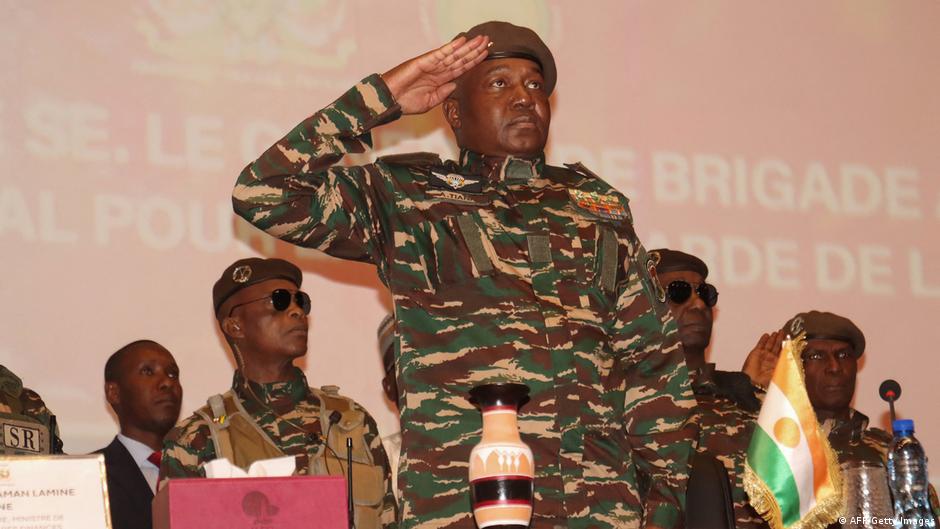
Tahirou Garka, a close ally of the ousted President Bazoum and spokesperson for the G25, a movement advocating for a return to constitutional order, sharply criticizes the junta’s performance. "They have failed economically and socially," Garka stated, highlighting the persistent struggles faced by ordinary Nigeriens. His observations contradict the optimistic narrative occasionally presented by the military authorities.
Escalating Security Crisis and Humanitarian Toll
Far from improving, the security situation in Niger, particularly in the southwestern Tillabery region, has demonstrably worsened since the coup. This vast and volatile area, bordering Mali and Burkina Faso, has become a hotbed for jihadist activity. Attacks by various Islamist groups, including Jama’at Nusrat al-Islam wal-Muslimin (JNIM) and the Islamic State in the Sahel Province (ISGS), have surged in frequency and intensity. These two rival factions often clash with each other, but both pose a severe threat to state forces and civilian populations.
Independent conflict monitor ACLED (Armed Conflict Location & Event Data Project) corroborates this alarming trend, reporting a significant deterioration in security since July 2023. According to ACLED, the Tillabery region accounts for the highest death toll in the central Sahel, with nearly 1,200 fatalities recorded in the region in 2025 alone (note: assuming 2025 in the original text was a typo for 2024, or a projection, as the article is written in July 2024). Heni Nsaibia, an ACLED staff member, emphasized to DW that "The situation in Niger has worsened, particularly in the Tillaberi region, where the death toll is the highest in the central Sahel."
The human cost of this escalating violence is immense. Maiga, a resident of Tera, a city of 30,000 in Tillabery, who spoke to DW anonymously for security reasons, lamented the drastic change in daily life. "Today, attacks on the armed forces and the civilian population are significantly more frequent and violent than they were three years ago," he said. He recalled a time when, despite insecurity, weekly markets operated, and supplies were regular. Now, entire villages have been abandoned, schools remain closed, and thousands have been forced to flee their homes, plunging the region into a severe humanitarian crisis. These internally displaced persons (IDPs) often live in makeshift shelters, exposed to the elements and struggling to find basic necessities. A woman interviewed by DW described their plight: "We live in makeshift shelters and are defenseless against the elements; we take on small odd jobs to survive." Another local herder added, "I used to be able to live with dignity from my work, but right now it’s very difficult; even drinking water is a problem for us."
The most recent major attack, reported on July 17, claimed the lives of at least 16 soldiers and 15 terrorists, according to Niger’s state media, ANP, underscoring the ongoing volatility and the significant challenges faced by the military junta in fulfilling its primary justification for seizing power.
Economic Struggles and Public Sentiment

Beyond security, the economic situation remains precarious for many Nigeriens. Despite the junta’s stated intentions to boost the economy, sanctions imposed by regional bodies, coupled with internal governance challenges, have severely impacted livelihoods. Tahirou Garka’s assertion that "People are struggling to find drinking water; there is no water, no electricity, no fuel" paints a grim picture of daily life for the majority. Niger, one of the world’s poorest countries, heavily relies on external aid and regional trade. The disruption caused by the coup and subsequent international isolation has undoubtedly compounded existing vulnerabilities.
However, not all sentiments are uniformly negative. Hamani Oumarou of LASDEL, a social sciences research institute in Niamey, offers a nuanced perspective. He suggests that for a significant portion of Niger’s low-income population, particularly those outside the middle class or elite, the socioeconomic situation might have seen some improvement. "Households with low incomes have more money left over to feed their families," Oumarou told DW. This perspective might stem from reduced corruption in certain sectors or a shift in resource allocation, though it contrasts sharply with the general narrative of economic decline. Nevertheless, Niger’s reliance on food imports during certain times of the year means that prices can still sharply rise, impacting food security for many.
Among the youth, a segment initially optimistic about the coup, discussions in "Fadas" (youth assemblies) reveal a mixed bag of disappointment and cautious hope. Fadila, a young Nigerien, expressed that while the immediate aftermath of the coup was challenging with delayed salaries and supply issues, "for some time now, things have been going pretty well overall." This indicates a potential stabilization in some areas or a degree of resilience among the population, perhaps willing to give the new regime time. General Tchiani has also attempted to engage youth, claiming that an advisory commission has been established to include young people in decision-making bodies, a stark contrast to their perceived exclusion before the coup.
Geopolitical Realignments and Regional Isolation
The coup in Niger did not just alter domestic politics; it sent ripples across the Sahel and beyond, triggering significant geopolitical realignments. In the immediate aftermath, the Economic Community of West African States (ECOWAS) adopted a firm stance, imposing stringent sanctions and even threatening military intervention to restore constitutional order. This unprecedented pressure, however, failed to dislodge the junta.
In response, Niger, alongside Mali and Burkina Faso – both also under military rule following coups – formed the Alliance of Sahel States (AES) in September 2023. This tripartite alliance signaled a clear break from traditional regional and international partnerships. The AES member states subsequently announced their withdrawal from ECOWAS, criticizing the regional bloc for being unduly influenced by external powers and for failing to address their security concerns effectively. This move marked a significant blow to ECOWAS’s regional integration efforts and its long-standing role as a guarantor of democracy in West Africa.
Simultaneously, the junta in Niger, following the footsteps of Mali and Burkina Faso, began distancing itself from Western partners, particularly France. French troops, who had been instrumental in counter-terrorism operations in the region, were ordered to withdraw, as were the French ambassador and other diplomatic personnel. This pivot away from traditional Western allies has been accompanied by a visible move towards closer ties with Russia, which has increasingly sought to expand its influence in Africa. The presence of Russian military instructors and security contractors in Niger, as well as an uptick in diplomatic and economic engagement, underscores this strategic shift. This realignment has raised concerns among Western nations about the erosion of democratic norms, human rights, and the potential for increased instability in a region already grappling with complex challenges.

Regional Diplomacy and Hopes for Rapprochement
Despite the pronounced distancing, there are nascent signs of potential rapprochement between the AES member states and ECOWAS. Pape Ibrahima Kane, an expert on international organizations, views the recent election of former Guinean Prime Minister Lansana Kouyate as ECOWAS’s chief negotiator as a positive development. Kouyate, known for his diplomatic acumen and regional standing, is reportedly accepted by the AES, suggesting a willingness from both sides to engage in dialogue.
"We are at the beginning of a promising process, as both sides are truly on the same page when it comes to starting talks," Kane told DW. He emphasizes the critical role of economic negotiations, given Niger’s enduring dependencies. Niger relies heavily on access to the port of Benin for trade and on its electricity supply from Nigeria and Benin, both key ECOWAS member states. The economic leverage held by ECOWAS could be a crucial factor in facilitating a diplomatic breakthrough. Sanctions, while causing hardship, have also highlighted the interconnectedness of West African economies, making a sustained isolation difficult for any nation in the long run. The African Union continues to maintain political sanctions against the military leaders of the Sahel Alliance, further underscoring the international community’s desire for a return to constitutional rule.
Challenges Ahead
As Niger marks one year under military rule, the path forward remains fraught with challenges. The military government faces the formidable task of genuinely improving security, revitalizing a struggling economy, and addressing the deep-seated grievances that fueled both the coup and the ongoing insurgency. The humanitarian crisis, exacerbated by conflict and climate change, demands urgent attention.
Internationally, the delicate balance between upholding democratic principles and engaging with de facto authorities to prevent further destabilization will continue to define relations. The trajectory of Niger, and indeed the broader Sahel, will largely depend on the ability of its leaders to deliver on their promises, the resilience of its people, and the efficacy of regional and international diplomatic efforts to foster stability and a return to constitutional governance. The coming months will be crucial in determining whether the promises made a year ago will ever move beyond rhetoric to tangible improvements for the people of Niger.

