
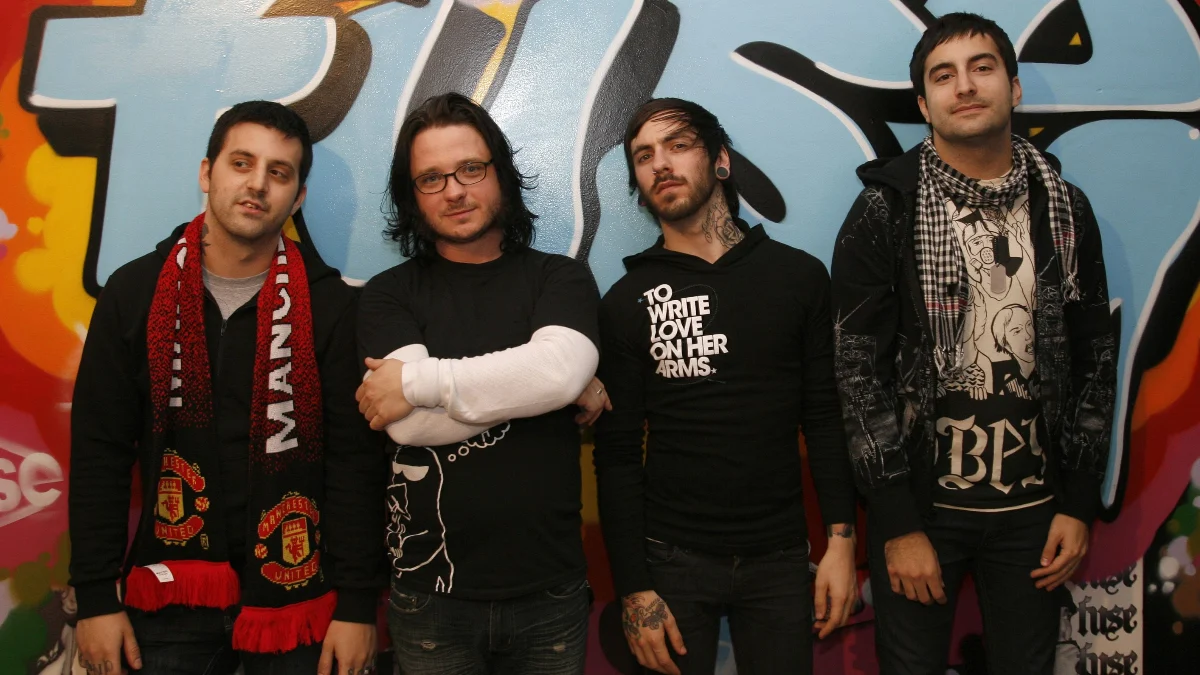
The cultural reclamation of the 2000s alternative and emo music landscape by Generation Z has transformed nostalgia into a mainstream economic and cultural force. Decades after eyeliner, studded belts, and side-swept bangs dominated the pop-culture lexicon, younger cohorts—many of whom were toddlers or entirely un-born during the genre’s commercial peak—are championing the sounds of the early millennium. While marquee acts like My Chemical Romance have successfully transitioned into generational touchstones, selling out stadium tours to audiences sporting vintage merch, a wider tier of foundational acts remains ripe for rediscovery. Examining the structural evolution of the era reveals that artists such as Bayside, Dashboard Confessional, and Coheed and Cambria played critical roles in defining a movement that continues to resonate in contemporary digital spaces.
The Resurgence of Millennial Soundscapes in the Digital Age
To understand the current fascination with 2000s emo, industry analysts point to the cyclical nature of youth culture and the democratizing power of short-form video platforms like TikTok. Gen Z’s cultural consumption is heavily driven by algorithmically curated aesthetics, where hyper-specific subcultures are compressed, repackaged, and presented as novel. Emo music, with its high-drama lyricism, confessional angst, and melodic intensity, fits seamlessly into an era where mental health advocacy, emotional vulnerability, and anti-establishment sentiments are openly discussed by youth online.
Streaming data underscores this trend. Catalog tracks from the mid-2000s regularly experience viral spikes, prompting legacy booking agencies and festival promoters to reconsider lineups. Yet, while bands like Fall Out Boy and Paramore command massive headlines, the ecosystem of 2000s alternative rock was vast, supported by dedicated independent labels, cross-country touring circuits like the Warped Tour, and print publications that have since transitioned to digital archives. Introducing younger audiences to foundational bands outside the immediate radio rotation provides a more comprehensive picture of an era characterized by stylistic experimentation and raw emotional expression.
Bayside: Resilience, Tragedy, and Enduring Melodic Punk
Among the acts deserving of broader contemporary appreciation is Bayside, a band formed in Queens, New York, in 2000. While categorized broadly under punk and emo, Bayside carved out a distinct niche through intricate guitar work, sophisticated songwriting, and frontman Anthony Raneri’s distinctively soaring vocal delivery.
The band’s trajectory was forever altered in October 2005 during a national tour supporting their self-titled sophomore release on Victory Records. While traveling through Cheyenne, Wyoming, in severe winter conditions, the band’s tour van lost control and rolled over on Interstate 80. The tragic accident resulted in the death of 22-year-old drummer John "Beatz" Holohan and left bassist Nick Ghanbarian seriously injured.
The loss sent shockwaves through the independent music community. Rather than disbanding, the remaining members chose to honor Holohan’s legacy through music. In 2006, Bayside released Acoustic, a stripped-down record that opened with the profoundly sentimental and haunting track "Winter," written as a direct tribute to Holohan. The song quickly became an emotional anchor for Millennials navigating grief and adolescence.
Concurrently, their 2005 self-titled album produced enduring fan favorites such as "Blame It On Bad Luck," showcasing a blend of aggressive punk energy and melancholic lyricism. Two decades later, Bayside continues to maintain an active recording and touring schedule, proving that artistic integrity and resilience can sustain a career far beyond initial commercial trends. For Gen Z listeners exploring the deeper cuts of mid-2000s punk-adjacent emo, Bayside offers a masterclass in musicianship and emotional endurance.
Dashboard Confessional: Bridging the Second and Third Waves of Emo
Few artists encapsulate the intimate, diary-entry style of early 2000s alternative music quite like Dashboard Confessional. Spearheaded by singer-songwriter Chris Carrabba, the project evolved from a solo offshoot of the band Further Seems Forever into a cultural phenomenon that bridged the gap between the underground "second wave" of emo and the explosive, commercially viable "third wave."
During the late 1990s and early 2000s, emo was largely an underground subculture characterized by abrasive instrumentation and cryptic lyricism. Dashboard Confessional stripped the genre down to its acoustic core. Anthems like "Screaming Infidelities" and "Hands Down" resonated with listeners by articulating the specific, universal pain of heartbreak and unrequited love. These tracks became essential artifacts of the era, laying the groundwork for the mainstreaming of alternative music.
A pivotal moment in the band’s history—and for the genre at large—occurred in 2002 when Dashboard Confessional performed a career-defining session on MTV’s Unplugged 2.0. The broadcast captured an enraptured audience singing every word back to Carrabba, an image that crystallized the communal, participatory nature of emo culture.
The band’s commercial footprint expanded further in 2004 when their single "Vindicated" was selected for the closing credits of Columbia Pictures’ blockbuster Spider-Man 2. The track introduced the band to a global, mainstream audience, cementing their place in cinematic pop-culture history. Subsequent releases, such as the 2006 studio album Dusk and Summer—featuring standout cuts like "Don’t Wait" and "Rooftops and Invitations"—showcased a fuller, full-band rock sound while retaining the confessional urgency of Carrabba’s earlier work.
Dashboard Confessional’s ongoing relevance is evidenced by active touring schedules, including high-profile co-headlining runs, such as their 2026 tour with alternative rock peers The Fray. For younger fans discovering the genre, Carrabba’s catalog serves as a vital historical bridge to understanding how raw acoustic vulnerability conquered commercial radio.
Coheed and Cambria: Conceptual Rock and Anime-Adjacent Worldbuilding
Categorizing Coheed and Cambria has long been a subject of debate among music critics and purists. Refusing to fit neatly into a single box, the band fuses elements of emo, progressive rock, post-hardcore, and heavy metal. However, their early records contained distinct emo DNA, characterized by high-register emotive vocals, intricate twin-guitar interplay, and themes of alienation and dramatic conflict.
Where Coheed and Cambria holds a distinct advantage in capturing Gen Z’s imagination is its overarching conceptual framework. Nearly all of the band’s albums serve as chapters in a sweeping science fiction narrative known as The Armory Wars, written by frontman Claudio Sanchez. These albums coincide with the release of companion comic books and graphic novels that visually and textually expand upon the songs’ narratives.
This multi-media approach aligns closely with contemporary consumption habits. In an era where cross-media storytelling, graphic novels, and Japanese anime dominate youth culture, the visual and narrative depth of The Armory Wars offers an immersive experience that traditional music acts rarely match. The artwork and aesthetic associated with the project share stylistic crossovers with anime and modern fantasy illustration, providing an immediate visual entry point for younger audiences.
Key tracks containing prominent emo and alternative rock elements include "A Favor House Atlantic," "The Suffering," "33," "Devil In Jersey City," and "Feathers." These songs balance complex musical arrangements with accessible, soaring hooks. Maintaining an aggressive touring schedule—including recent runs with bands like Turnover and The Home Team—Coheed and Cambria continues to demonstrate that genre-defying artistry can outlive temporary stylistic classifications.
Implications and the Future of Alternative Legacy Acts
The ongoing re-evaluation of 2000s alternative music highlights a broader shift in the music industry: catalog value has eclipsed fleeting radio trends. Record labels, streaming platforms, and independent venues increasingly recognize that fans are willing to invest heavily in the nostalgia and community associated with formative cultural periods.
For Generation Z, digging into the archives of bands like Bayside, Dashboard Confessional, and Coheed and Cambria is not merely an exercise in retro appreciation; it is an active search for authenticity. In a digitally saturated media landscape, the earnest, unpolished lyricism and human instrumentation of the 2000s emo and alternative scene offer a tangible connection to an era perceived as rawer and more direct. As these bands continue to tour and find new life on streaming algorithms, their contributions to modern alternative music are finally receiving the generational validation they have long warranted.

