
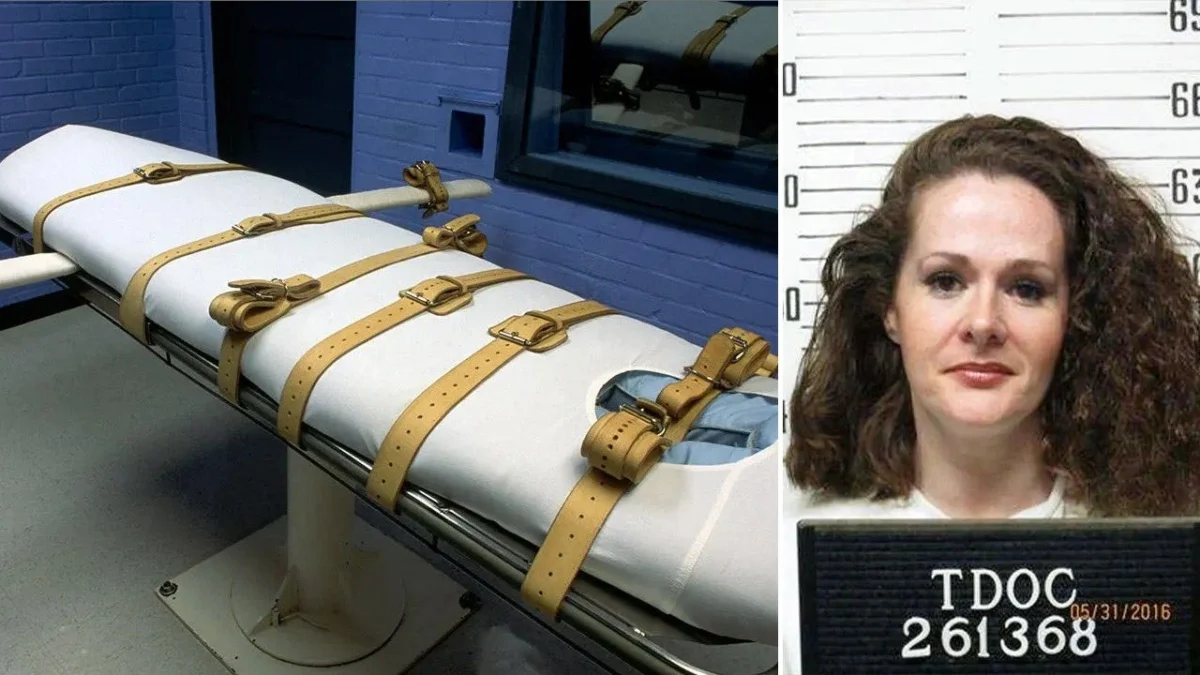
Death row inmate Christa Pike, who narrowly survived a highly controversial and legally unprecedented botched lethal injection attempt in Tennessee, has filed an emergency federal court motion to prevent prison officials from transferring her back to her former housing block. Pike, 50, argues that her severely compromised physical condition leaves her entirely defenseless and that returning to her previous unit would place her life in immediate, unacceptable danger.
The emergency filing introduces a new legal layer to an already high-profile capital punishment case that has captured national attention, sparked systemic probes into state execution protocols, and prompted the temporary suspension of capital punishment across Tennessee. Pike is currently being housed in solitary confinement within the infirmary at the Debra K. Johnson Rehabilitation Center in Nashville, where she continues to recover under medical supervision following the failed execution procedure.
Immediate Danger and Vulnerability Cited in Court Filings
According to the emergency motion submitted by her legal team, Pike contends that her profound physical weakness—a direct result of surviving two doses of the lethal injection drug pentobarbital during the Sept. 30 execution attempt—renders her incapable of protecting herself from physical violence or navigating the unsanitary conditions of her former housing pod.
The legal documents paint a grim picture of the unit to which prison officials intend to return her. "This pod houses inmates with significant histories of assaults and disciplinary problems," the motion explicitly states. Detailing her firsthand observations from two years of living in the unit prior to her execution date, Pike noted that she witnessed multiple violent incidents, including assaults by close-custody inmates against both fellow prisoners and corrections officers, as well as severe acute psychological breakdowns among the prison population.
Furthermore, Pike’s filing warns that her current recovery state exposes her to a heightened risk of infection and medical complications. The motion highlights that returning to her prior housing unit would force her to manually clean and utilize an alleged roach-infested shower facility while still physically debilitated. "In my current physical condition, I could not defend myself or get away if another inmate attacked me," Pike wrote in the filing, expressing deep fear for her physical safety if the transfer proceeds.
An Overview of the Botched Execution on September 30
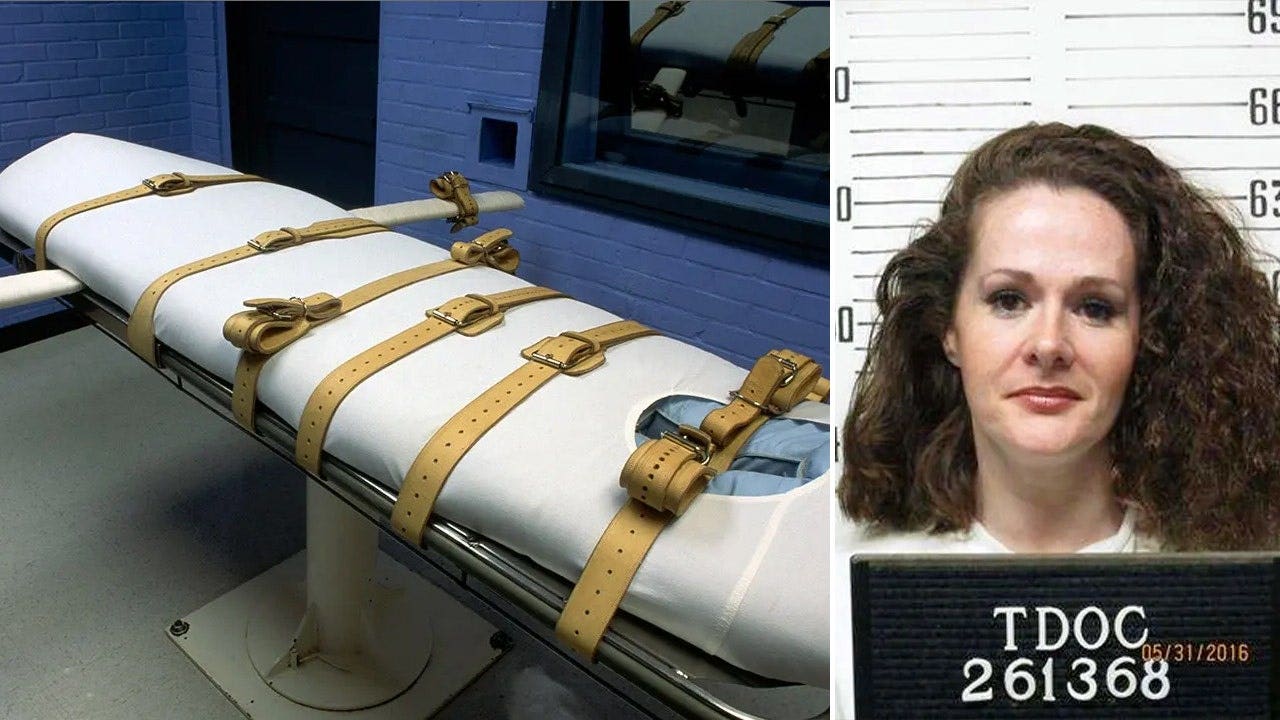
The crisis surrounding Pike’s housing situation stems from the catastrophic failure of her scheduled execution on Sept. 30. Pike was poised to become the first woman executed by the state of Tennessee in more than two centuries. However, the lethal injection protocol failed when medical personnel administered two doses of pentobarbital that failed to induce death.
Independent medical experts and defense attorneys later revealed that the lethal chemicals were improperly administered. An execution doctor analyzing the procedure determined that a misplaced intravenous (IV) line sent the lethal drugs into Pike’s arms rather than directly into her veins, causing excruciating pain and failing to achieve the state’s intended objective.
Miraculously surviving an ordeal she never expected to walk away from, Pike later described the harrowing experience of waking up after a procedure designed to end her life. Following the botched execution, Pike was rushed to an outside hospital for evaluation and treatment before being discharged and returned to the Debra K. Johnson Rehabilitation Center’s infirmary.
Background and Conviction of Christa Pike
Christa Pike has spent decades on Tennessee’s death row for a notorious 1995 crime that shocked the state. In January 1995, Pike—then just 18 years old—along with co-defendants, brutally murdered 19-year-old Colleen Slemmer. Both young women were participants in a Job Corps training program stationed in Knoxville, Tennessee. Slemmer was lured to a remote area on the campus of the University of Tennessee, where she was tortured, beaten, and ultimately killed.
Pike was subsequently convicted of first-degree murder and conspiracy to commit murder in March 1996. A Knox County jury sentenced her to death by electrocution, making her the youngest woman on death row in the United States at the time. Years later, in 2001, while already incarcerated, Pike received an additional conviction for the attempted murder of a fellow inmate, Patricia Jones, whom Pike attacked with a metal spoon wrapped in wire.
Throughout decades of appeals, Pike’s attorneys exhausted numerous avenues contesting her sentence, arguing various legal and mental health factors, though courts consistently upheld her conviction and death sentence until the state finally scheduled her execution for the fall of 2026.
Systemic Aftermath and State Response
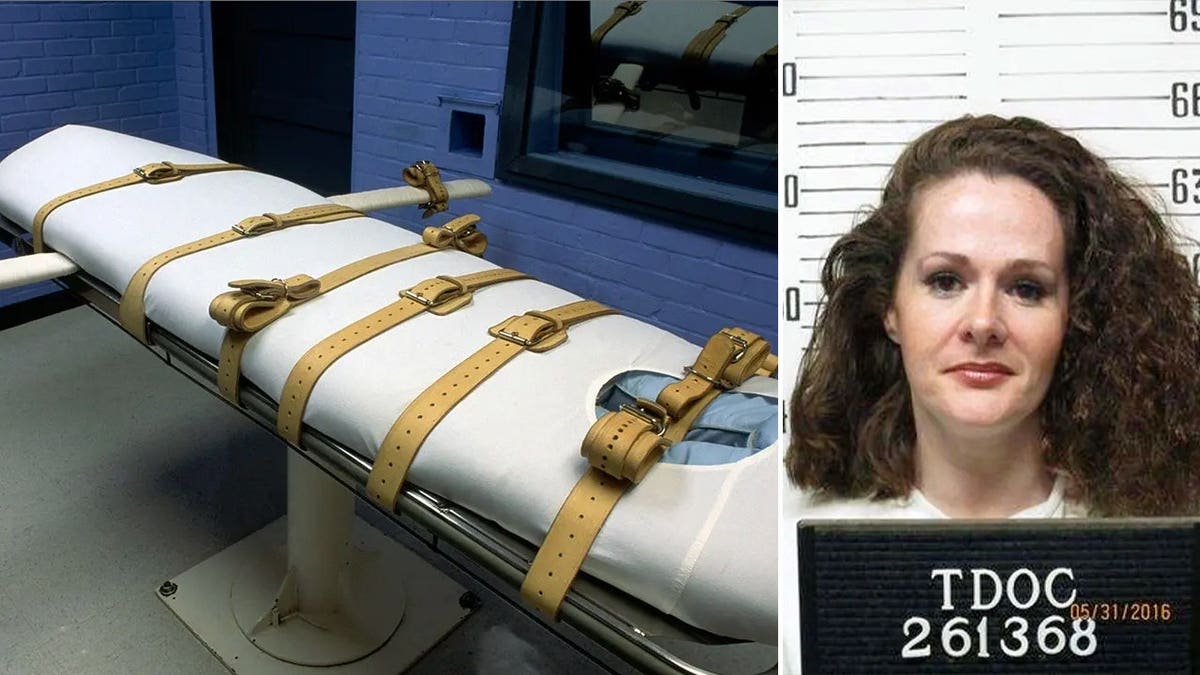
The catastrophic failure of Pike’s execution has sent shockwaves through the Tennessee Department of Correction (TDOC) and state politics, prompting sweeping institutional fallout. Following the incident, Tennessee Gov. Bill Lee announced a temporary halt on all state executions, ordering an independent and comprehensive investigation into the execution protocols, medical personnel training, and procedural breakdowns that led to the botched procedure.
The fallout also claimed high-level leadership within the state’s penal system. Shortly after the failed execution, the Tennessee state corrections chief resigned amid mounting pressure, intense legislative scrutiny, and public outcry over how an execution could so severely deviate from state protocol.
Legal analysts note that the state now faces unprecedented constitutional and ethical questions. Executing an inmate who has already survived a state-sanctioned lethal injection attempt raises complex Eighth Amendment concerns regarding cruel and unusual punishment, potentially opening the door to prolonged legal battles that could permanently alter or halt capital punishment practices in Tennessee.
Broader Implications for Capital Punishment
The emergency motion filed by Pike is expected to force judicial intervention regarding the immediate duty of care correctional facilities owe to inmates, particularly those subjected to extraordinary state trauma. Legal experts point out that prison officials have a constitutional obligation to ensure the safety and medical recovery of individuals in their custody. If federal judges determine that transferring Pike to a high-risk housing unit constitutes deliberate indifference to her safety and health, it could result in a permanent injunction against her transfer.
As the federal court weighs the merits of Pike’s emergency motion, the Tennessee Department of Correction faces mounting scrutiny from civil rights organizations, legal scholars, and the public. Fox News Digital has reached out to TDOC for official comment regarding the impending transfer and the safety conditions of the housing pod in question, but responses remain pending as the litigation unfolds.

