

With the legislative calendar narrowing, House Republicans are intensifying efforts to secure a bipartisan immigration agreement before the transition of power in the upcoming session. Lawmakers are expressing significant urgency, arguing that passing a balanced reform bill under the current leadership is the only way to avoid more radical, amnesty-focused legislation that could be introduced once Democrats assume control of both chambers of Congress in January.
At the center of these discussions is the Dignity Act, a proposal spearheaded by Rep. Maria Elvira Salazar, R-Fla. The bill, which has garnered support from over a dozen Republican co-sponsors, seeks to address critical labor shortages and border management by providing renewable legal status and work authorizations for qualifying undocumented immigrants, while notably stopping short of offering a direct, guaranteed pathway to citizenship.
The Legislative Window of Opportunity
The push for immediate action follows recent comments from President Donald Trump during a "60 Minutes" interview, where he signaled a willingness to engage in bipartisan discussions regarding immigration. This pivot has energized proponents of the Dignity Act, who view the current climate as a rare window to codify a middle-ground solution.
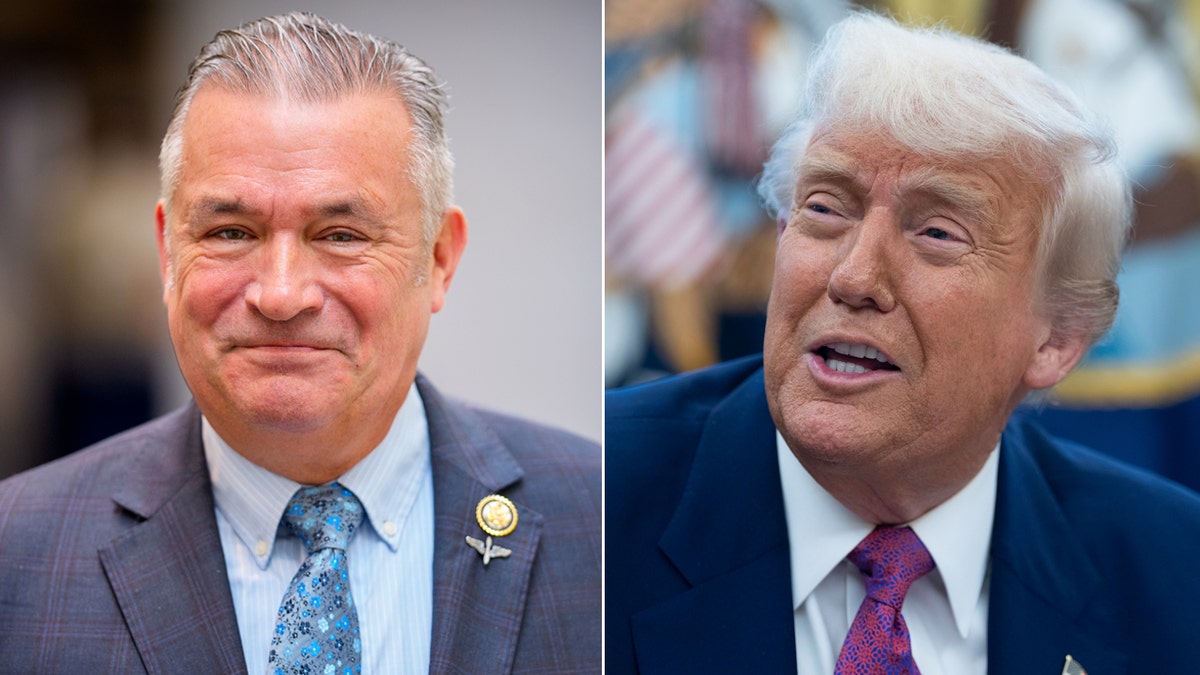
Rep. Don Bacon, R-Neb., has been a vocal advocate for this timeline. According to Bacon, the dual pressures of a tightening domestic labor market and the Republican party’s need to improve its standing among Hispanic voters make reform not only a policy imperative but a strategic necessity. "Yes, it’s going to happen under this Congress," Bacon stated, emphasizing that the objective is to provide a much-needed boost to the workforce while simultaneously establishing accountability for those who have circumvented immigration laws.

However, the strategy is not without its detractors within the GOP. The prospect of any deal that offers legal status to undocumented individuals has sparked friction among the party’s more conservative base. Despite this, supporters of the bill argue that the alternative is far less desirable. Rep. Marlin Stutzman, R-Ind., noted that failing to act now would leave the door open for what he termed "amnesty-ridden" alternatives that might be proposed when the 120th Congress convenes.
Contextualizing the Immigration Landscape
To understand the current urgency, one must look at the historical context of immigration reform in the United States. For decades, the legislative branch has struggled to find a consensus that addresses both national security concerns at the border and the economic reality of a reliance on foreign labor.
Historically, immigration policy has been dominated by executive actions and narrow judicial rulings, with comprehensive legislative reform remaining elusive since the Immigration Reform and Control Act of 1986. The current effort attempts to bypass the ideological gridlock that has stalled previous attempts at reform. By decoupling the issue of legal work status from immediate citizenship, proponents hope to peel away enough support from both sides of the aisle to reach a majority.
The economic data behind this urgency is compelling. Recent reports from the Department of Labor indicate that sectors such as agriculture, hospitality, and construction are experiencing persistent vacancies that are directly impacting inflation and supply chain stability. Economists argue that a formalized, legal workforce would provide stability to these industries and increase tax revenue, potentially shifting the debate from a purely ideological one to a fiscal one.
Timeline of Recent Developments
The current momentum is the culmination of several months of behind-the-scenes negotiations and public signaling:
- Early 2025: Rep. Maria Elvira Salazar formally introduces the Dignity Act, setting the stage for a new approach to immigration policy that emphasizes workplace regulation and legal status over broad-spectrum amnesty.
- May 2025: Rep. Don Bacon and other GOP moderates begin lobbying party leadership to prioritize the bill, citing shifting demographic data and economic indicators.
- May 20, 2025: During a high-profile television interview, President Trump indicates he is open to a deal, provided it addresses security and workforce needs.
- Late 2026: As the end of the current congressional term approaches, the legislative clock becomes the primary driver for debate. Internal GOP friction intensifies as the party weighs the benefits of reform against the risk of alienating core constituents.
Perspectives from Across the Aisle
While the initiative is being led by Republicans, it has attracted cautious interest from some Democrats. Senator-elect and current Representative Ruben Gallego, D-Ariz., has indicated a willingness to engage with the bill’s sponsors. "I’m here to try to bring as many protections as I can to these families," Gallego stated. "Let’s get it going; we’re willing to work with anybody to try to keep these families together."
This bipartisan outreach is seen as a necessary condition for any bill to pass the Senate, where the filibuster and the slim margins of control make a purely partisan effort impossible. However, whether the rank-and-file of the Democratic caucus will support a bill that lacks a clear pathway to citizenship remains a significant hurdle.
Analysis: Implications and Challenges
The proposed legislation represents a significant shift in Republican strategy. By focusing on "accountability for misbehavior" and legal work status, the party is attempting to reconcile the competing demands of its base—which demands strict border enforcement—and the business community, which demands a predictable, legal labor supply.
However, the political risks are substantial. Any move toward legalization is often framed by opponents as "amnesty," a term that carries significant weight in primary elections. Furthermore, the White House has remained largely tight-lipped on the specifics of a potential agreement, with the administration’s silence fueling speculation about how much political capital the President is willing to spend on such a contentious issue in his final months or years in office.
If the bill fails to pass before the transition of power, the legislative landscape is expected to shift drastically. Should Democrats gain full control of the legislative agenda, the policy proposals are likely to move toward more comprehensive pathways to citizenship, which could be met with intense opposition from Republican state governors and legal challenges, potentially leading to further gridlock.

The Path Forward
As the 119th Congress nears its conclusion, the coming weeks will be defined by intense negotiation. The success of the Dignity Act or any similar compromise depends on the ability of GOP leadership to manage internal dissent while maintaining the interest of Democratic partners.
For proponents like Rep. Salazar, the stakes are not merely political; they are historical. Drawing comparisons to the transformative nature of past legislative eras, supporters believe that a successful, bipartisan deal could redefine the nation’s relationship with its immigrant population for decades to come.
Yet, the reality of the Capitol remains unforgiving. With the looming deadline of the new Congress, the window for consensus is narrowing. Whether the House can translate the current rhetoric into a signed bill remains the central question of the current legislative session. The administration, for its part, remains in a precarious position—balancing the demands of its base with the clear economic realities that have prompted this late-stage legislative scramble.
As the debate continues, both parties remain under the watchful eyes of their constituents, with the ultimate outcome likely to serve as a bellwether for the future of immigration policy in an increasingly polarized political environment. The next month of legislative maneuvering will determine if this attempt at reform becomes a landmark success or another footnote in the history of stalled immigration policy.

