

A Decade of Evolution: From Policy to Practice
The legal architecture for this movement was solidified a decade ago via a landmark ministerial decree that provided the framework for communities to formally apply for and manage their forest concessions. In 2017, the landscape was nascent, with only eight such concessions in existence. By 2026, that number has surged to over 350, with at least 236 having achieved full legal recognition.

This growth has not been uniform, nor has it been devoid of friction. Experts note that while the sheer acreage secured is a monumental achievement, the transition from legal status to functional, sustainable management remains fraught with logistical, technical, and economic barriers. The initiative is intended to serve as a dual-purpose vehicle: protecting the world’s second-largest tropical rainforest while empowering local communities that have, for generations, been excluded from the formal economy.
The Governance Gap and Institutional Challenges
Despite the rapid increase in the number of concessions, the implementation process remains heavily burdened by administrative bottlenecks. Blaise Mudodosi, a researcher at the University of Goma and coordinator for the NGO Actions for the Promotion and Protection of Threatened Peoples and Species (APEM), emphasizes that while communities feel a renewed sense of security regarding their land, the practical aspects of forest production are lagging.
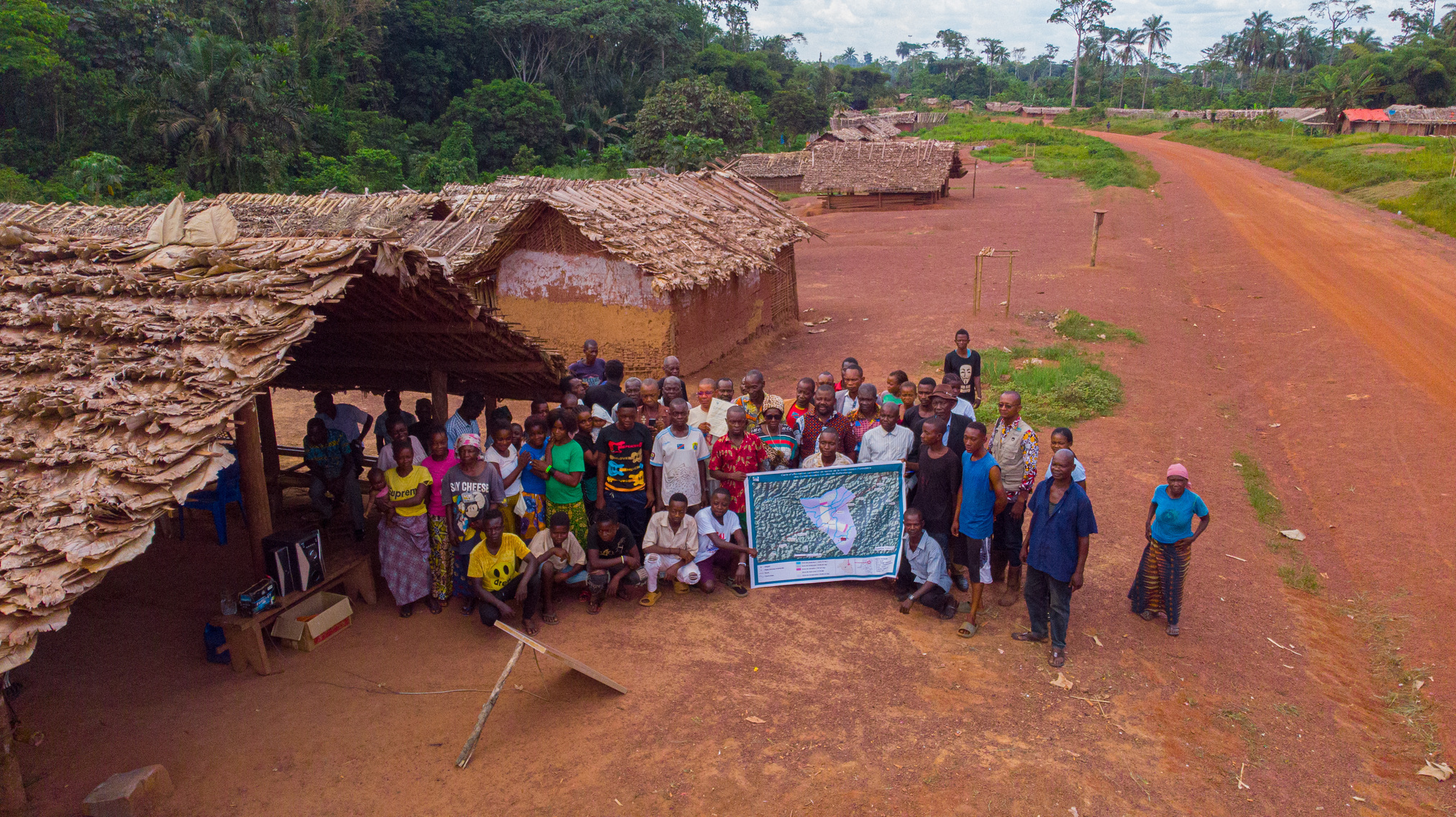
"The communities have placed a great deal of hope in this process," Mudodosi explains. "However, when it comes to the actual management, use, and production of resources, things are moving slowly." A primary critique from experts like Védaste Cituli, a researcher at the Higher Institute for Rural Development in Bukavu (ISDR-Bukavu), is the lack of coordination between government agencies. This bureaucratic fragmentation often leads to the degradation of forests, as some communities, lacking the resources to develop formal management plans, revert to unregulated extraction to meet their immediate survival needs.
Current data highlights the severity of this gap: out of 358 registered CFCLs, only 67 have fully approved management plans. Without these plans, a concession is essentially a title without a roadmap, leaving the forest vulnerable to the same exploitative pressures that existed before the land was legally protected.
Economic Hurdles and the "Carbon Promise"
A recurring theme in the discourse surrounding CFCLs is the disconnect between the promise of international climate finance and the reality on the ground. Many communities were encouraged to pursue forest concessions with the expectation that they would be compensated through global carbon markets.
"We were told that after this, there would be carbon markets," Cituli notes. "But we no longer see anyone who could buy credits from us or compensate us. So, we are forced to exploit our forest just like in the old days."

This disillusionment creates a dangerous incentive structure. When promised sustainable revenue streams fail to materialize, communities—often living in extreme poverty without access to basic infrastructure, electricity, or reliable markets—turn to illegal logging or charcoal production to survive. Furthermore, the absence of developed local entrepreneurship means that even where resources are available, the capacity to process them into high-value goods is severely limited.
Overlapping Rights and Legal Vulnerabilities
One of the most persistent threats to community-managed land is the issue of overlapping titles, particularly regarding mining and hydrocarbon permits. In the DRC’s legal hierarchy, mining rights often take precedence over surface-level forest rights. This creates a state of perpetual insecurity for communities that have spent years securing their CFCL titles, only to find their land targeted for extraction by large-scale industrial players.

While the CFCL provides a degree of legal leverage, it is not an absolute shield. In instances where the state deems a project to be in the "public interest," communities may face expropriation. Although the law stipulates compensation for such actions, the reality of implementing these protections remains a point of contention for legal experts and environmental activists alike.
Gender and Inclusion: The Human Element
The internal governance of these concessions also reflects wider societal challenges within the DRC. In many regions, women and indigenous peoples remain marginalized within the decision-making committees of the CFCLs. Research indicates that even when governance bodies are formed, they often fail to represent the full demographic spectrum of the community.

"Women are still disadvantaged," Cituli observes. "They face difficulties gaining access to forest management or governance committees. The same is true for indigenous peoples, who, because they are a minority, face discrimination in decision-making positions." The reliance on simple voting methods, such as a show of hands, often perpetuates the influence of established, more powerful local figures, effectively silencing those who have the most direct, daily reliance on the forest’s resources.
Looking Forward: Recommendations for Sustainability
To transform community forestry from a paper-based success to an economic and ecological engine, experts suggest a three-pronged approach:

- Direct Investment in Capacity Building: Current funding models favor international NGOs and large-scale conservation projects. A significant shift is required to redirect financial resources toward the local level, specifically to provide the technical training needed for communities to draft and implement management plans.
- Synergy Between Sectors: The government must harmonize its land-use policies. Forestry, mining, and agricultural departments need to communicate to ensure that titles do not overlap, thereby providing true security to the communities that manage these vital ecosystems.
- Market Integration: Rather than relying solely on abstract carbon credits, the focus should shift to the existing potential within the communities. Projects that support the sustainable cultivation of high-value crops like cacao and coffee, or the improvement of local food processing (such as the production of chikwangue), offer a more reliable path to prosperity.
The Broader Impact: The Congo Basin as a Global Sink
The urgency of this initiative cannot be overstated. As deforestation accelerates in the Amazon and Southeast Asia, the Congo Basin is increasingly recognized as the world’s last significant land-based tropical carbon sink. The success of the DRC’s community forestry program is therefore not just a matter of national interest, but a critical component of global climate stability.
The progress made over the last decade—the formalization of millions of hectares—is a testament to the resilience and commitment of local communities. However, the path forward requires a transition from the initial phase of "securing land" to a phase of "sustaining livelihoods." Without robust state support, improved access to markets, and a more inclusive approach to local governance, these forests risk becoming "paper parks"—protected in name, but increasingly degraded in practice.

The next decade will determine whether the CFCL model can truly fulfill its promise as a replicable, sustainable solution for forest conservation. The legal framework is in place, and the community interest is clear; the missing link remains the political and economic infrastructure required to turn these millions of hectares into a thriving, protected, and productive landscape. As Mudodosi concludes, the priority for the coming years must be to ensure that the people tasked with making these monumental decisions have the skills, resources, and institutional backing to do so effectively. Only then can the Congo Basin continue to serve as a vital lifeline for both the local communities and the global climate.

