
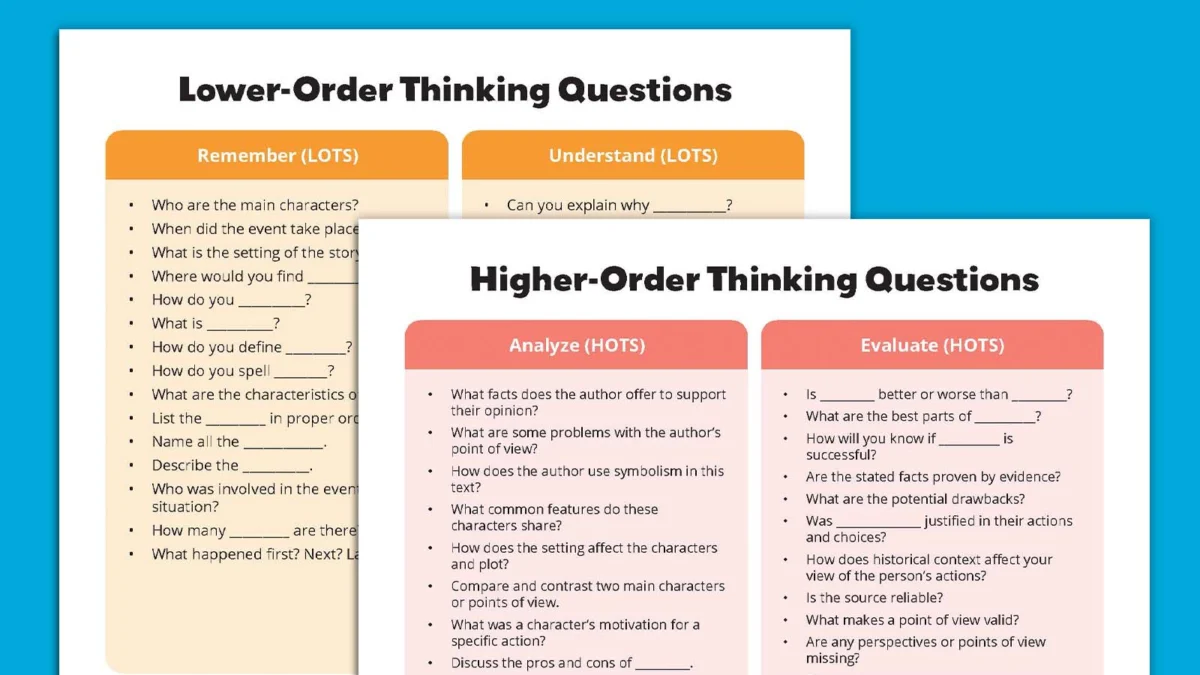
The modern pedagogical landscape is increasingly focused on moving beyond rote memorization to foster deep, cognitive engagement. At the heart of this instructional shift is Bloom’s Taxonomy, a hierarchical framework developed in 1956 and later revised in 2001, which categorizes educational goals into levels of complexity. By intentionally balancing Lower-Order Thinking Skills (LOTS) and Higher-Order Thinking Skills (HOTS), educators are creating more robust learning environments that prepare students for the demands of 21st-century problem-solving and critical analysis.
The Historical Context and Evolution of Bloom’s Taxonomy
In 1956, educational psychologist Benjamin Bloom led a committee of educators to create a taxonomy for the categorization of educational objectives. The goal was to provide a common language for educators to discuss the cognitive processes required for learning. The original framework featured six categories arranged in a cumulative hierarchy: Knowledge, Comprehension, Application, Analysis, Synthesis, and Evaluation.
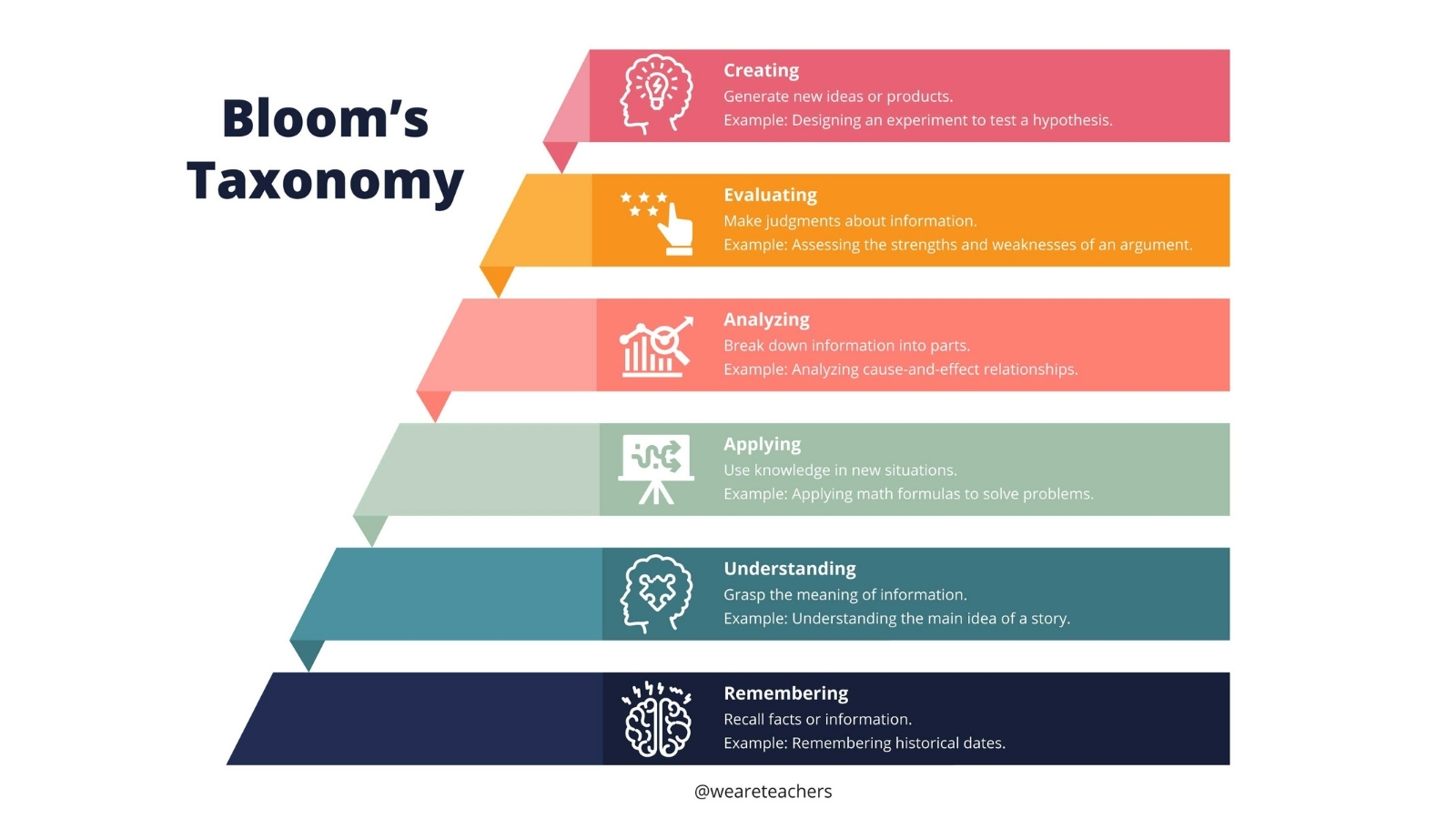
In 2001, a group of cognitive psychologists and curriculum theorists led by Lorin Anderson and David Krathwohl updated the taxonomy to reflect a more active, dynamic model. The revised categories—Remember, Understand, Apply, Analyze, Evaluate, and Create—replaced the original nouns with verbs, emphasizing that thinking is an active process. This transition was significant, as it reframed the learning process not merely as the acquisition of facts, but as the construction of knowledge through increasingly complex mental operations.
Understanding the Cognitive Hierarchy: LOTS vs. HOTS
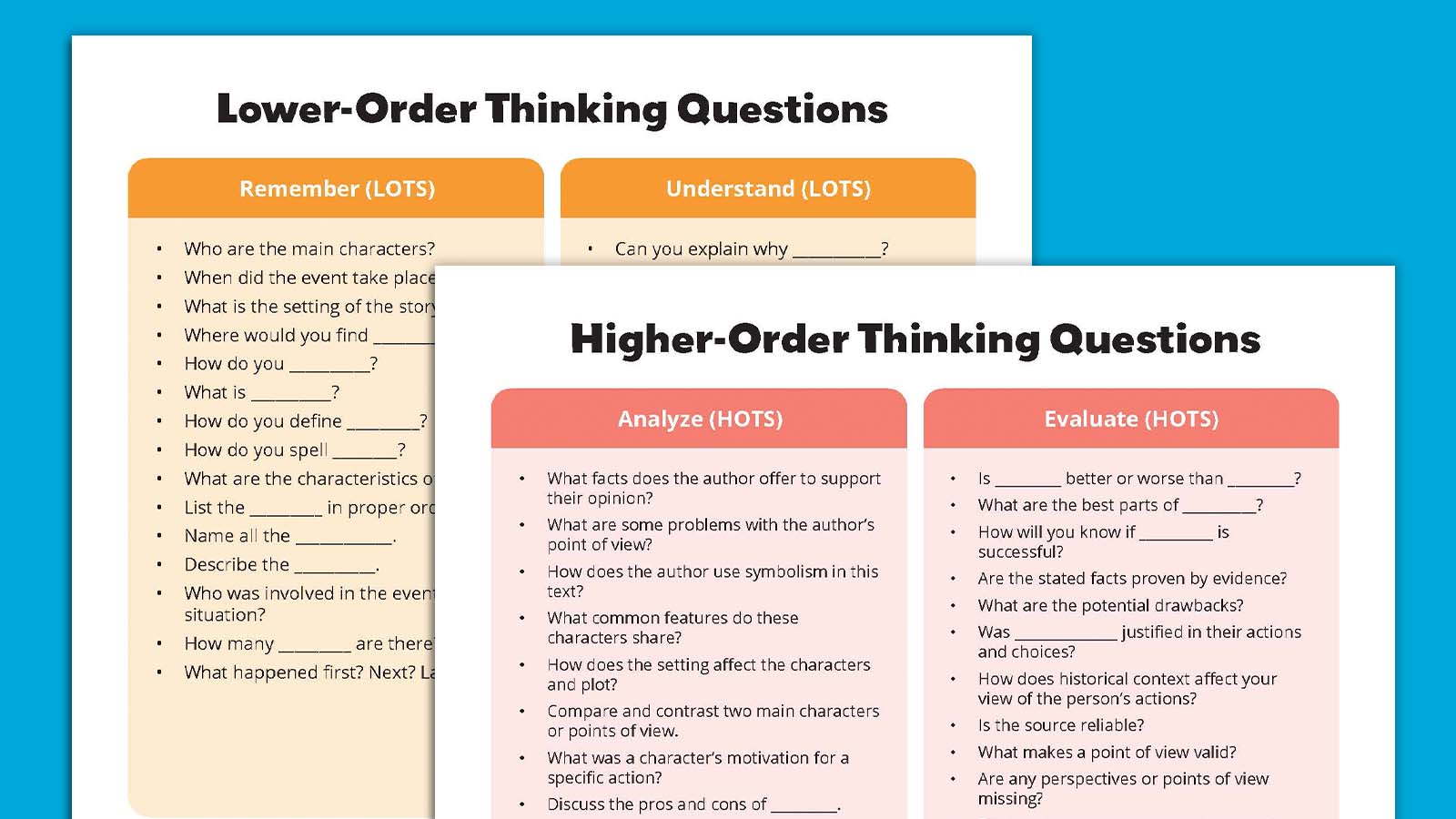
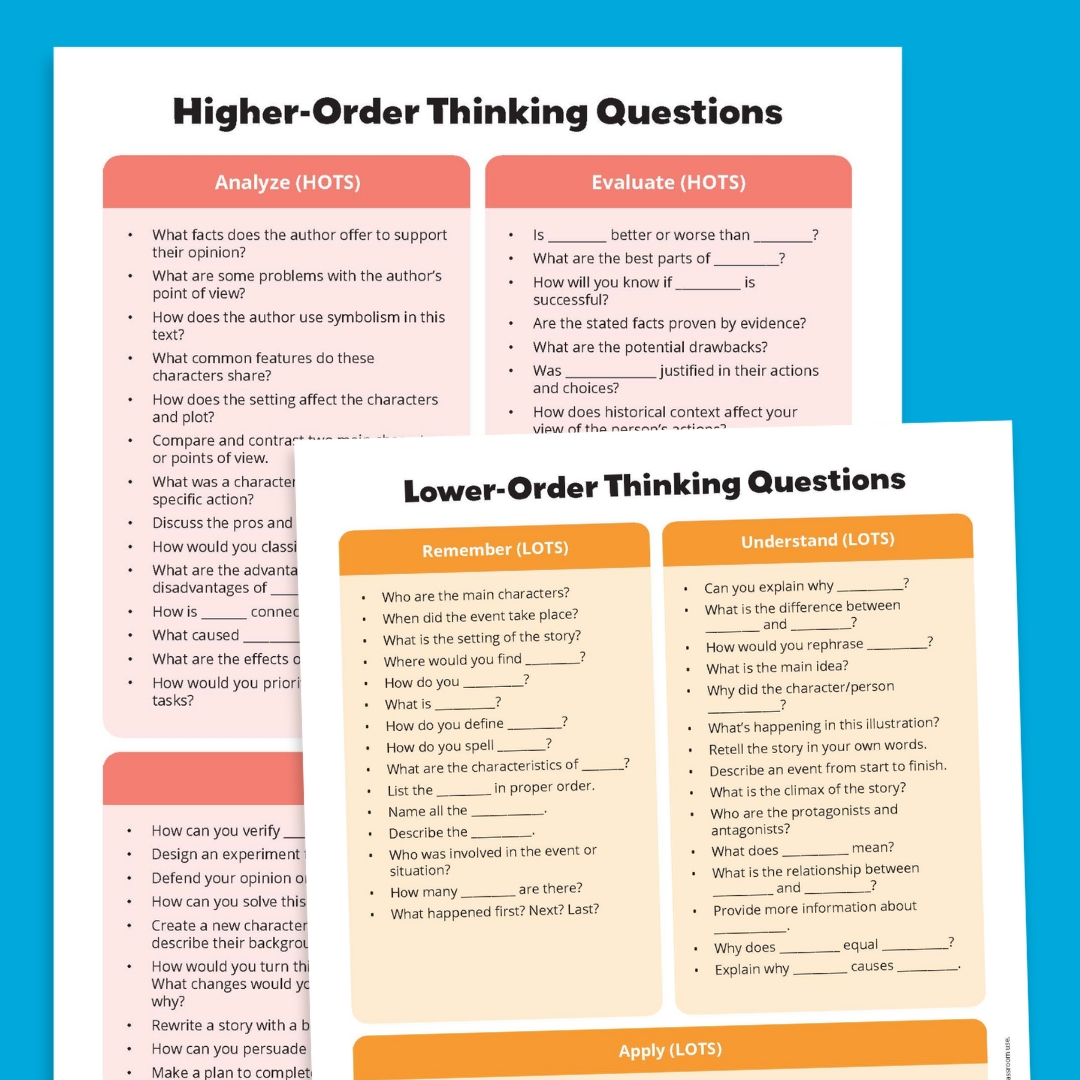
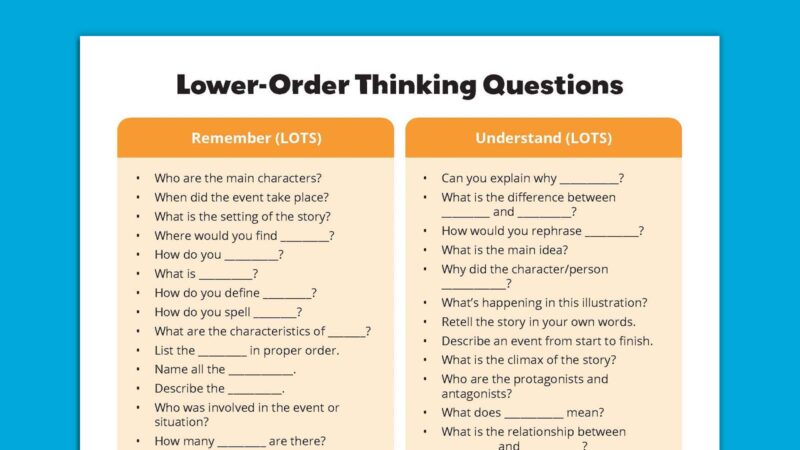
The taxonomy is divided into two distinct tiers. The first three levels—Remember, Understand, and Apply—constitute Lower-Order Thinking Skills (LOTS). These are foundational cognitive processes. When a student defines a term, summarizes a paragraph, or uses a mathematical formula to solve a standard equation, they are engaging in LOTS. These skills are essential; they provide the scaffolding upon which higher-order concepts are built. Without a baseline of facts and conceptual understanding, students lack the raw materials necessary for critical evaluation.
The upper three levels—Analyze, Evaluate, and Create—represent Higher-Order Thinking Skills (HOTS). These skills involve the ability to break down information into constituent parts, judge the validity or quality of ideas, and synthesize information to generate new, original work. While LOTS focus on the "what" and the "how," HOTS pivot toward the "why" and the "what if."
The Chronology of Cognitive Development in the Classroom
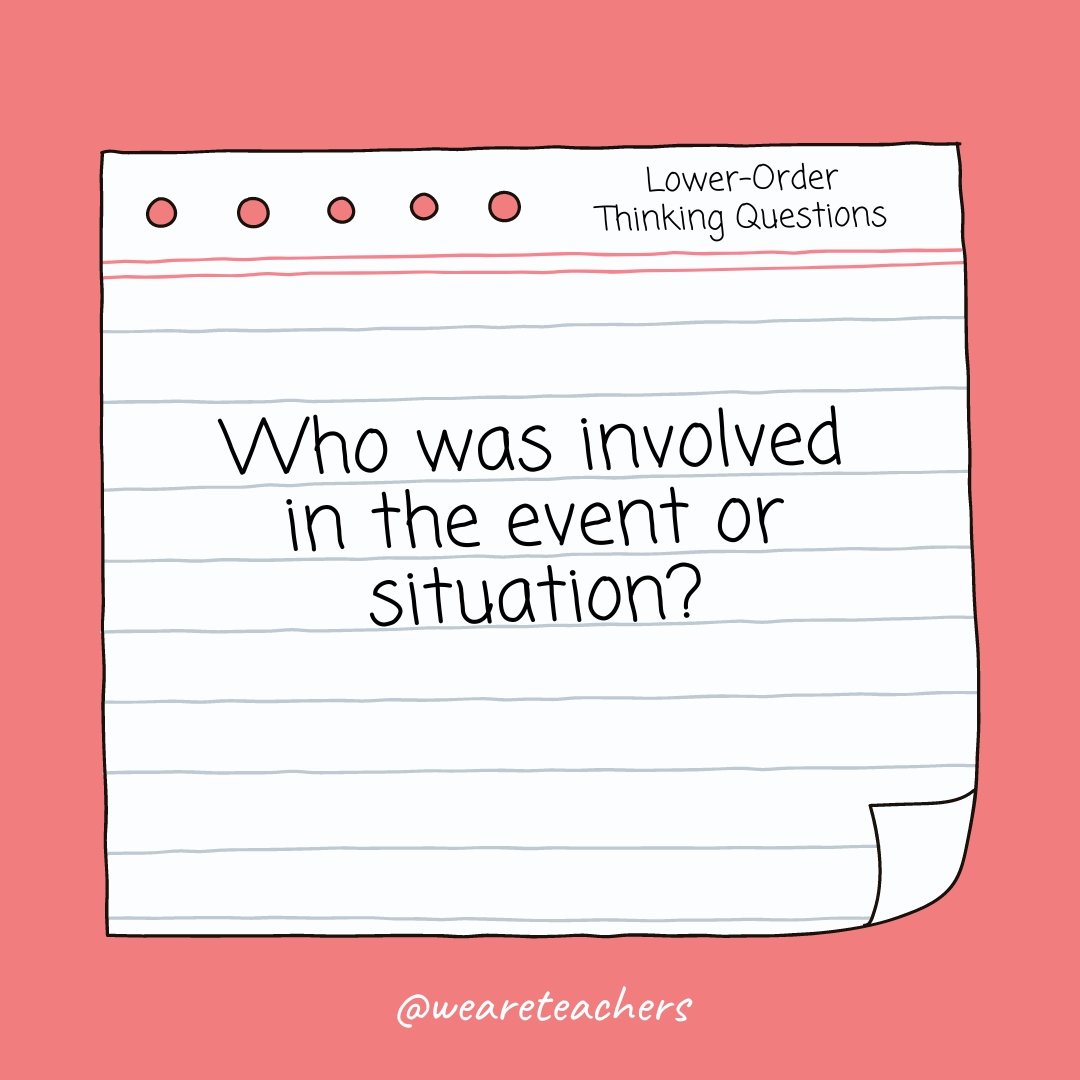
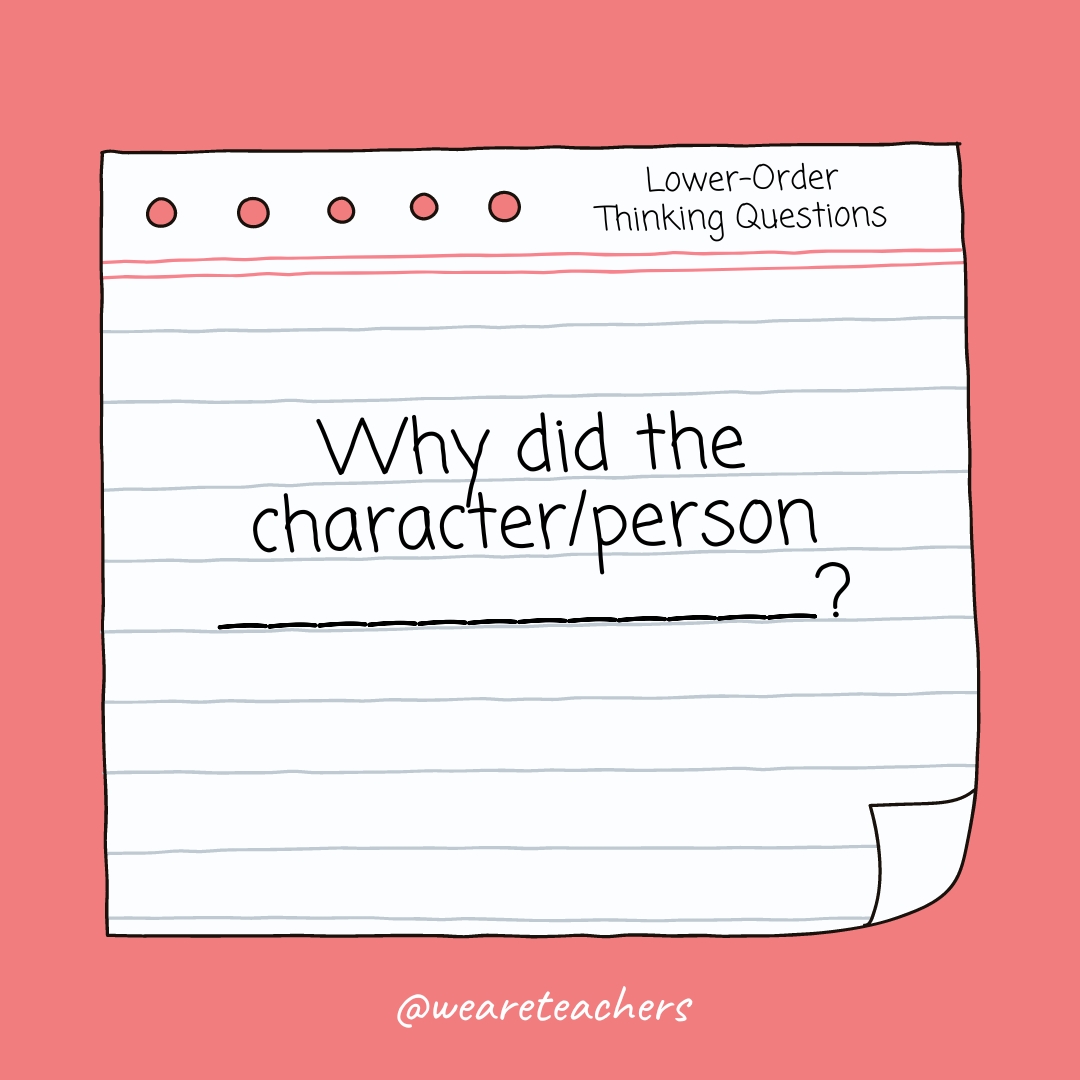
Effective curriculum design follows a logical progression. Initially, instructional time is heavily weighted toward LOTS. For instance, in a history unit, a teacher might start by asking students to identify the dates of a specific conflict and list the primary figures involved. This is the "Remember" phase. As the unit progresses, students move to "Understand," where they describe the causes of the conflict in their own words.
Once this baseline is established, the instructional focus shifts toward HOTS. Students might be asked to "Analyze" the motivations of political leaders, "Evaluate" the effectiveness of various treaties, and ultimately "Create" a proposal for how the conflict might have been avoided through different diplomatic strategies. This progression is not strictly linear; teachers often cycle back through the taxonomy as students encounter new, more complex information.
Supporting Data and Pedagogical Impact
Research into educational outcomes consistently shows that an over-reliance on lower-order tasks—often referred to as "drill and kill"—can lead to passive learning and decreased student retention. A study by the National Research Council suggests that students who are consistently challenged with higher-order prompts demonstrate better long-term knowledge retention and increased ability to transfer learning to new, unfamiliar contexts.
Furthermore, data from various standardized testing assessments indicate that students who perform well on critical thinking tasks (HOTS) are better prepared for post-secondary education and workforce requirements. Employers today consistently rank critical thinking, complex problem-solving, and creative innovation as the most sought-after "soft skills" in the global labor market. By systematically introducing HOTS in primary and secondary education, schools are directly addressing this skills gap.

The Role of Questioning in the Classroom
The most effective tool in a teacher’s arsenal for implementing Bloom’s Taxonomy is the strategic use of questioning. The quality of a student’s thought process is often a direct reflection of the quality of the question posed.
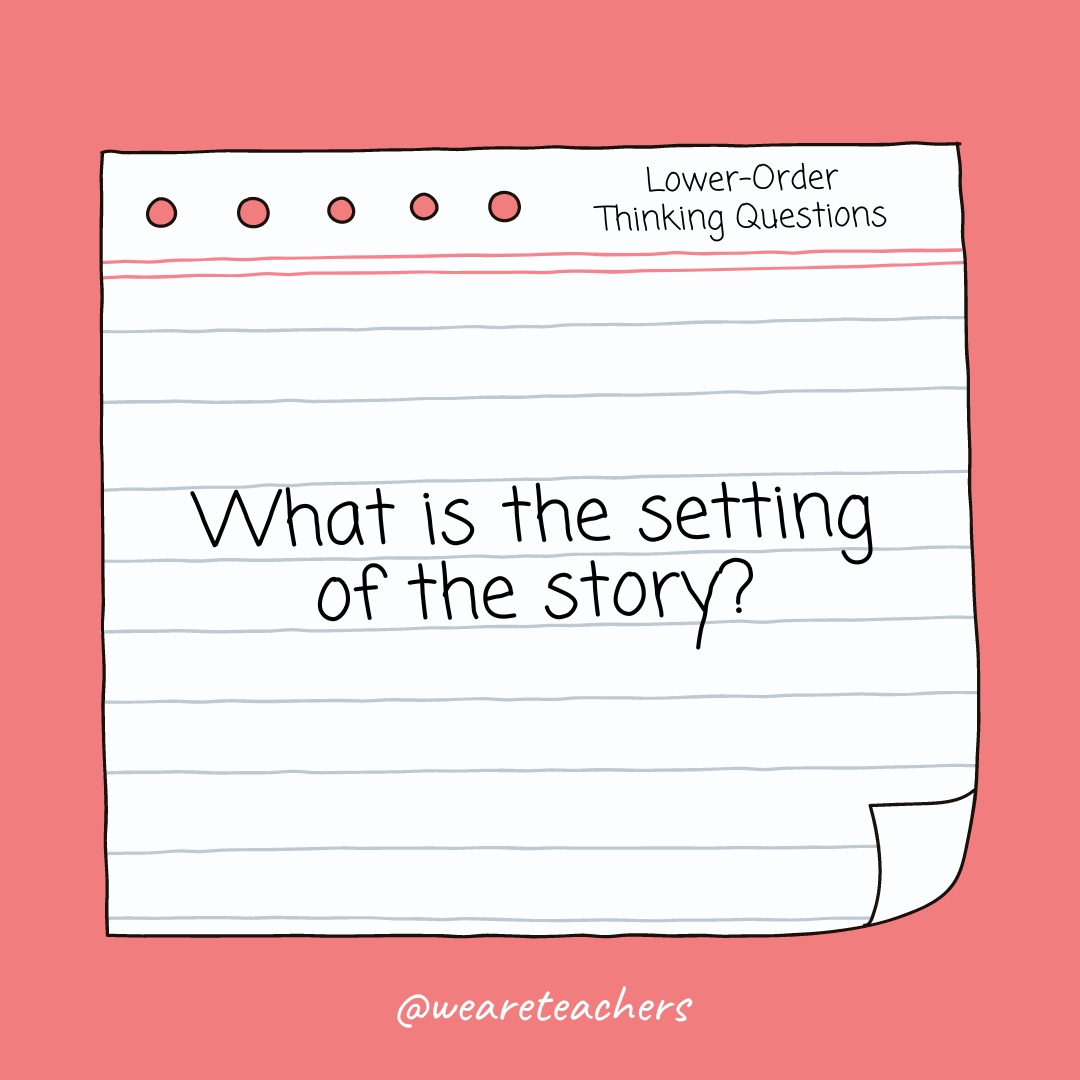
Lower-order questions, such as "What is the capital of France?" or "Can you list the steps in the scientific method?", serve as effective check-ins to ensure foundational knowledge is present. These questions build student confidence and provide the teacher with immediate feedback regarding whether students have grasped the essential facts.
However, the transition to higher-order questions is where true intellectual growth occurs. Teachers might transition from a recall-based question to a synthesis-based question by asking: "What would happen to the global economy if the primary resources in this region were suddenly depleted?" This forces the student to move beyond simple recall, requiring them to integrate disparate facts and apply them to a hypothetical scenario.
Challenges and Implementation Strategies
Integrating higher-order thinking is not without its challenges. Critics often argue that emphasizing HOTS at the expense of content mastery can lead to "vague" learning, where students are encouraged to express opinions without the requisite factual knowledge. Educators must maintain a delicate balance; the goal is not to abandon LOTS, but to use them as a springboard.
Professional development programs currently focus on the "Scaffolding Method," where teachers provide students with the necessary LOTS foundation before moving into sustained inquiry-based learning. This ensures that when a student is asked to "Evaluate the validity of this source," they already possess the knowledge base to distinguish between primary and secondary evidence.
Broader Implications for Education
The broader implication of adopting Bloom’s Taxonomy is a shift in the classroom dynamic from a teacher-centered model to a student-centered model. In a traditional classroom, the teacher acts as the sole provider of information. In a classroom utilizing the full spectrum of Bloom’s taxonomy, the teacher acts as a facilitator, guiding students through the process of inquiry.
This shift has profound consequences for student agency. When students are tasked with "Creating" or "Evaluating," they become active participants in their own learning. This autonomy often correlates with higher levels of motivation and a deeper personal connection to the subject matter. Furthermore, it encourages a growth mindset, as students learn that knowledge is not static but something that can be analyzed, debated, and refined.
Future Outlook and Digital Integration
As technology continues to integrate into the classroom, the application of Bloom’s Taxonomy is evolving. Digital tools now allow for unprecedented opportunities to engage in the "Create" level of the taxonomy. Students are no longer limited to writing essays; they can now create multimedia presentations, code software, produce podcasts, or build digital models to demonstrate their mastery of a topic.
The digital era has also made the "Evaluate" stage of the taxonomy more critical than ever. With an infinite amount of information available at their fingertips, students must be trained to critically analyze the credibility of sources, recognize bias, and synthesize conflicting data points. This is perhaps the most significant application of higher-order thinking in the 21st century.
Conclusion
Bloom’s Taxonomy remains a foundational framework for modern pedagogy, providing a clear roadmap for moving students from simple recall to complex synthesis. By ensuring that classrooms prioritize both the foundational clarity of lower-order thinking and the transformative power of higher-order thinking, educators can foster a generation of learners who are not only knowledgeable but capable of solving the multifaceted challenges of the future. The integration of these skills is not merely an pedagogical preference; it is an essential component of preparing students for a world that increasingly values innovation, critical analysis, and the ability to synthesize information in an ever-changing landscape. Through the careful, intentional use of questioning and instructional design, the goals of Bloom’s Taxonomy can continue to shape the future of educational excellence.

