
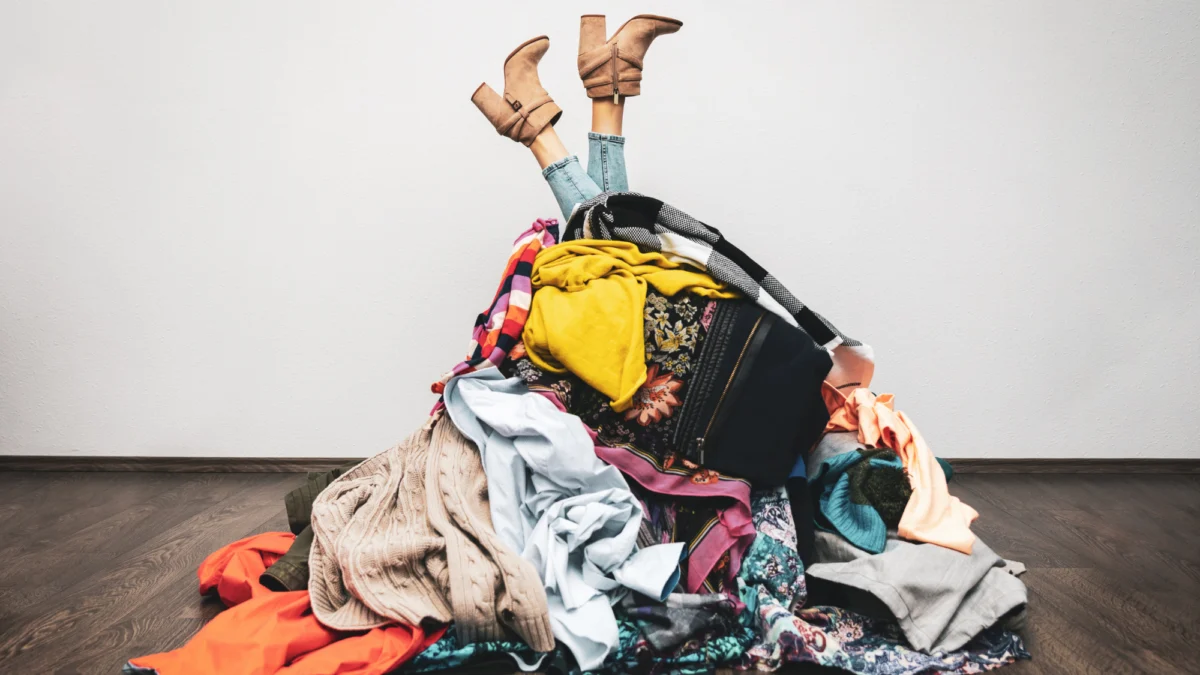
The landscape of modern consumer behavior is often categorized through the lens of income brackets and credit scores, yet a more fundamental psychological divide exists in how individuals approach the act of purchasing. According to frameworks popularized by author Gretchen Rubin and analyzed by contemporary financial experts, consumers generally fall into one of two categories: overbuyers or underbuyers. While these tendencies often remain subconscious, they play a critical role in determining long-term financial health, household organization, and psychological well-being. In an era defined by volatile inflation and shifting retail models, understanding these behavioral extremes has become essential for navigating the complexities of the modern economy.
The distinction between these two types of spenders was notably articulated by Rubin in 2009, but the relevance of the classification has intensified in the wake of the COVID-19 pandemic and the subsequent period of global economic instability. Personal finance and consumer analysts suggest that neither extreme is inherently productive; instead, they represent different responses to the stress of resource management. As consumers grapple with the rising costs of essentials, the tendency to either stockpile excessively or delay necessary purchases out of fear has become a prominent feature of the retail environment.
Defining the Overbuyer: The Risks of Abundance
An overbuyer is characterized by a tendency to purchase items in quantities that exceed realistic needs or to acquire goods based on the speculative premise that they "might come in handy someday." This behavior is often driven by a desire for preparedness or a psychological hit of dopamine associated with the act of acquisition. Elisabella Ricca, a personal finance and consumer analyst at TopCashback, notes that overbuying frequently leads to significant financial leakage. The primary consequences include unnecessary debt, physical clutter within the home, and the eventual waste of products that expire before they can be utilized.
From a psychological perspective, overbuying can be a manifestation of "loss aversion," where the fear of missing out on a perceived bargain outweighs the logic of actual utility. Retailers often capitalize on this trait through bulk-discounting strategies and limited-time offers. For the overbuyer, the "deal" becomes the primary motivator, regardless of whether the item is a necessity. Data from consumer advocacy groups suggest that households prone to overbuying may spend upwards of 15% to 20% more annually on groceries and household goods than those who follow a strictly necessity-based shopping list.
Defining the Underbuyer: The Hidden Costs of Frugality
Conversely, the underbuyer represents the opposite end of the spectrum. These individuals often view spending as a source of stress or failure, leading them to delay even essential purchases until the very last moment. An underbuyer might wait until a shampoo bottle is completely empty before seeking a replacement or postpone purchasing a new pair of shoes until the current pair is functionally unusable. While this might appear to be a disciplined approach to finances, it often results in significant inconveniences and, paradoxically, higher costs.
Ricca points out that underbuying can lead to "crisis purchasing." When a consumer waits until they are completely out of a necessity, they lose the ability to shop around for the best price or wait for a sale. This often results in paying a premium for convenience at a local pharmacy or convenience store rather than benefit from the lower unit prices available through planned purchasing. Furthermore, the psychological toll of "living on the edge" of one’s supplies can lead to decision fatigue and constant low-level anxiety regarding the availability of basic resources.
The Evolution of Consumer Behavior: A Brief Chronology
The tension between overbuying and underbuying has evolved alongside the global economy over the last two decades. Understanding the timeline of these behaviors provides context for the current consumer climate:
- 2008–2010 (The Great Recession): This period saw a rise in "hyper-frugality," pushing many consumers toward underbuying tendencies as a survival mechanism. Gretchen Rubin’s initial observations on these types were published during this era, reflecting the public’s heightened awareness of spending habits.
- 2011–2019 (The Rise of E-commerce and Minimalism): The growth of Amazon and one-click ordering facilitated overbuying, while simultaneously, the "minimalism" movement led by figures like Marie Kondo encouraged a cultural shift toward underbuying or "conscious consumption."
- 2020–2021 (The Pandemic Stockpiling): The COVID-19 pandemic forced a global shift toward overbuying. Supply chain disruptions and lockdowns triggered "panic buying," turning even disciplined spenders into overbuyers of non-perishable goods like toilet paper and canned food.
- 2022–Present (The Inflationary Squeeze): Rising Consumer Price Index (CPI) figures have created a bifurcated response. Some consumers have returned to overbuying to "lock in" current prices before they rise further, while others have retreated into underbuying as their purchasing power diminishes.
Supporting Data: The Economic Reality of the 2020s
To understand why these spending personalities are so prevalent today, one must look at the underlying economic data. According to the U.S. Bureau of Labor Statistics, the cost of all items rose significantly over the past three years, with food and housing seeing some of the sharpest increases. In such a climate, the "guilt" associated with spending—a hallmark of the underbuyer—is supported by the reality that real wages have struggled to keep pace with the cost of living.
Furthermore, data from the Federal Reserve Bank of New York indicates that total household debt reached a record high of $17.5 trillion in the fourth quarter of 2023. For overbuyers, this debt is often fueled by credit card spending on discretionary items. For underbuyers, the fear of contributing to these debt statistics can lead to a paralyzing aversion to spending, even on items that would improve their quality of life or long-term health, such as preventative medical care or high-quality nutrition.
Expert Analysis: Strategies for a Balanced Approach
Financial analysts argue that the most sustainable path forward is a hybrid approach that incorporates the strengths of both personalities while mitigating their weaknesses. The goal is "intentionality"—a concept that moves away from impulsive reactions to either scarcity or abundance.
Elisabella Ricca suggests that consumers should categorize their purchases into "essential non-perishables" and "discretionary perishables." For essentials like vitamins, toiletries, and cleaning supplies, an "overbuyer" mindset can actually be beneficial if it involves purchasing these items when they are on sale. This prevents the underbuyer’s trap of paying full price during an emergency. Conversely, for discretionary items like fashion, technology, and luxury beauty products, the "underbuyer" mindset is preferable, ensuring that money is only spent on items that provide genuine value and utility.
"The ideal middle ground is being intentional with your purchases," Ricca explains. "It can make sense to stock up on non-perishable essentials that make life easier… on the other hand, it makes sense to be more selective with discretionary purchases."
Broader Impact and Implications for the Retail Industry
The prevalence of these two spending types has broader implications for the retail industry and the environment. Overbuying contributes significantly to the global waste crisis. The Environmental Protection Agency (EPA) has frequently highlighted the volume of consumer goods—particularly textiles and plastics—that end up in landfills due to over-acquisition. Retailers have responded to these trends by implementing more sophisticated inventory management systems, but the "push" marketing of the fast-fashion and fast-tech industries continues to encourage overbuying.
For the retail sector, underbuying presents a different challenge: unpredictable demand. When a large segment of the population delays purchases until the point of necessity, retailers struggle to forecast sales, leading to supply chain volatility. This can result in "bullwhip effects" where over-correction in manufacturing leads to excess inventory, which is then liquidated at deep discounts, further fueling the overbuyer’s cycle.
Conclusion: Navigating the Future of Consumption
As the global economy continues to face headwinds from geopolitical instability and climate-related supply chain disruptions, the psychological profile of the consumer will remain a key variable in economic stability. The "overbuyer" and "underbuyer" labels are not permanent identities but rather tendencies that can be managed through awareness and planning.
For the individual, the path to financial grounding lies in recognizing these impulses. Overbuyers must learn to confront the "fear of missing out" and recognize the hidden costs of clutter and waste. Underbuyers must work through the anxiety of spending, understanding that depriving oneself of necessities can lead to greater costs—both financial and physical—in the long run. In a world where the "average" consumer is increasingly squeezed by external forces, the most valuable asset is not a bulk-sized pantry or a pristine, empty one, but the intentionality to know the difference between what is needed and what is merely wanted.

