
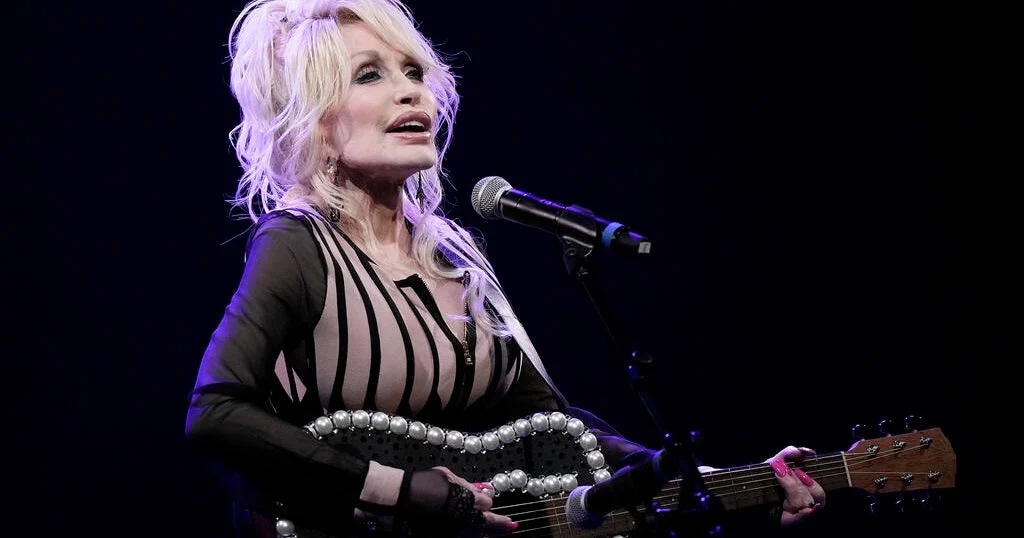
The legal dispute between the estate of the late country music icon Dolly Parton and her nephew, Bryan Seaver, has come to an abrupt conclusion as the estate filed to dismiss its lawsuit on Wednesday, November 5, 2026. The litigation, which had cast a shadow over the mourning period following Parton’s death at age 80, centered on allegations that Seaver—who also served as the head of his own private security firm, Squadron Augmented Protection Services (SAPS)—had made threats of violence and expressed an intent to compromise the integrity of the Parton brand.
While the specific terms of the settlement or the reasons behind the sudden dismissal remain sealed, the development signals an attempt by the family and the estate managers to move forward. Attorneys for Seaver issued a brief statement following the filing, emphasizing a desire to focus on the singer’s legacy. "Mr. Seaver is grateful to put this misunderstanding behind him so that the entire family can continue to grieve peacefully and ensure that the bright light of Dolly’s legacy remains completely untouched," the legal team stated.
A Chronology of the Conflict
The friction between the Parton estate and Bryan Seaver emerged in the immediate aftermath of the country legend’s passing. Dolly Parton, a cultural icon whose career spanned over six decades, died of cancer in August 2026. The transition of power and estate management, often a delicate process for high-profile entertainers, became public when the familial relationship intersected with professional contractual obligations.
- August 2026: Dolly Parton passes away at age 80. As part of his role as the head of SAPS, Bryan Seaver is tasked with the public announcement of her death, acting as a primary point of contact for security and logistics.
- September 2026: The management company She’s Alive, which oversees the business affairs of the Parton estate, officially terminates the contract with both Bryan Seaver and his firm, SAPS.
- Late September 2026: Danny Nozell, long-time manager of Dolly Parton and the principal behind She’s Alive, files for a restraining order against Seaver. The legal petition alleges that Seaver made explicit threats against the estate and threatened to damage the brand value of the Parton legacy.
- October 2026: The legal battle intensifies as both parties exchange filings, leading to heightened public interest and speculation regarding the internal dynamics of the Parton family.
- November 5, 2026: The estate files for a voluntary dismissal of the lawsuit, effectively ending the current litigation.
The Role of She’s Alive and Danny Nozell
The involvement of She’s Alive, the management entity that has historically navigated Parton’s massive commercial interests, is pivotal to understanding the gravity of the lawsuit. Danny Nozell, who served as Parton’s manager for years, has been the primary architect of the singer’s business strategy, which includes her theme park interests (Dollywood), her extensive publishing catalog, and various philanthropic endeavors.
When the estate moved to terminate Seaver’s services, it was viewed by industry observers as a move to centralize control of the estate during a vulnerable transition period. In the entertainment industry, the death of a "legacy artist"—a performer with a multi-generational fan base and extensive intellectual property—often necessitates a rigid, professionalized management structure. The lawsuit, while personal in nature, was fundamentally a business dispute regarding the security and control of the Parton brand’s reputation during a time of high public sensitivity.
Supporting Context: The Value of the Parton Brand
Dolly Parton was not merely a performer; she was a global corporate entity. According to industry estimates, her business ventures, including the Dollywood Company and her various music publishing holdings, generated hundreds of millions of dollars in annual revenue. The "Dolly Parton brand" relies heavily on her public image of warmth, accessibility, and unwavering kindness.
Legal experts note that the protection of such an image is paramount for estates. Allegations of violence or threats—even if unsubstantiated or ultimately resolved—pose a significant risk to the "brand equity" of an artist whose legacy is predicated on positivity. By pursuing a legal resolution and subsequently dismissing the suit, the estate appears to have prioritized a "clean break" to prevent further damage to the public narrative surrounding the late star.
Implications of the Legal Resolution
The dismissal of the lawsuit does not necessarily mean the underlying disagreements have been fully resolved, but it does signify that the parties have reached a point where further litigation was deemed counterproductive. In the world of high-stakes estate management, out-of-court settlements are the standard mechanism for silencing disputes that threaten to erode the value of an intellectual property portfolio.
From a public relations perspective, the resolution is a strategic victory for the estate. By minimizing the duration of the court battle, the management team has reduced the likelihood of damaging internal details leaking into the public domain. For the fans who have been mourning the loss of the "Jolene" singer, the end of this public conflict is welcomed as a way to refocus on her artistic contributions rather than the personal entanglements of her surviving relatives.
The Nation’s Response
The legal proceedings took place against a backdrop of widespread national mourning. Following her death, the United States saw a wave of tributes, including the establishment of "Dolly Parton Day," a nationwide celebration of her music and philanthropic work. The fact that such a celebratory atmosphere existed concurrently with a volatile legal dispute highlights the complexity of managing a public figure’s life after their death.
As of November 5, 2026, the estate has not indicated any plans for further legal action, and the management firm continues to oversee the ongoing operations of the various Parton-related businesses. With the litigation now concluded, the focus for the executors remains on the stewardship of the massive catalog and the continued success of the philanthropic initiatives that Parton championed during her life, most notably her literacy programs and charitable efforts in Tennessee.
The dismissal marks a quiet end to a period of uncertainty, allowing the narrative of Dolly Parton’s life to return to its rightful place: in the music and the enduring positive influence she left behind. The estate’s ability to navigate this conflict without a prolonged public trial will likely be viewed as a prudent exercise in brand management, ensuring that the final chapter of the singer’s legacy remains one of professional stability and enduring respect.

