
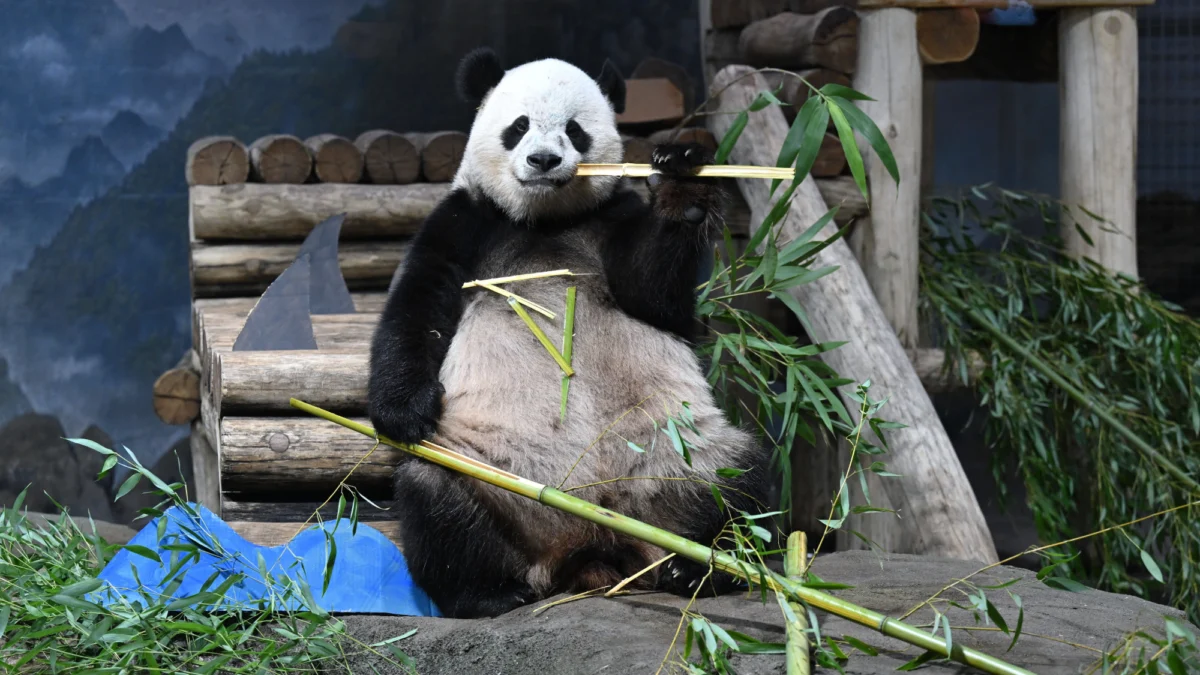
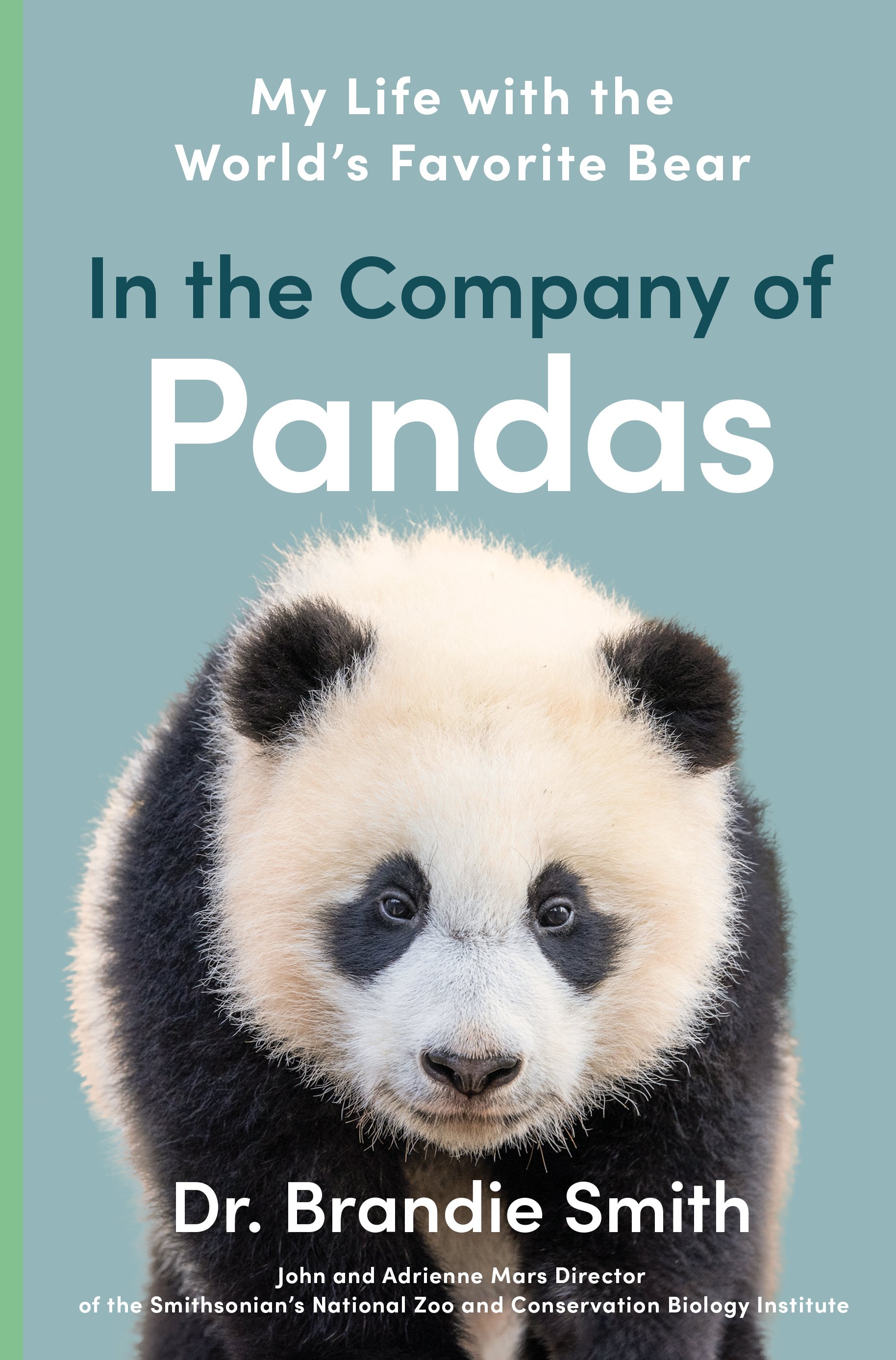
Dr. Brandie Smith, the John and Adrienne Mars Director of the Smithsonian’s National Zoo, offers a professional memoir that bridges the gap between the public’s adoration for giant pandas and the rigorous, often microscopic, scientific efforts required to keep the species from the brink of extinction. At the heart of her narrative is the daunting directive given to zoo curators: the primary objective is to successfully facilitate the reproduction of Ailuropoda melanoleuca.
The Scientific Mandate of Panda Management
For those tasked with the stewardship of giant pandas, the role is far more than providing habitat and sustenance. It is a calculated exercise in population genetics and reproductive biology. When Dr. Smith assumed her role as curator, she was met with a clear expectation that would define her career: the biological imperative to ensure the survival of the species through successful breeding.
Despite her deep background in population genetics, the shift from theoretical conservation to the hands-on, high-pressure environment of the National Zoo was significant. The zoo functions as a laboratory for endangered species, where every variable—from the timing of a female’s estrus cycle to the environmental stressors of the enclosure—is managed with surgical precision.
The process is inherently collaborative. The weekly "panda meetings" described by Dr. Smith serve as a microcosm of the zoo’s broader administrative philosophy. These sessions involve a cross-functional team of curators, keepers, veterinary specialists, and institutional directors, all focused on the minutiae of breeding. This level of institutional investment reflects the reality that for a species with such a narrow window of fertility, every biological opportunity must be optimized.
A Chronology of Diplomatic and Biological Challenges
The history of giant pandas in the United States is inextricably linked to international diplomacy. When President Richard Nixon facilitated the arrival of Ling-Ling and Hsing-Hsing in 1972, the diplomatic gesture carried with it a significant biological hurdle. The President himself famously remarked on the challenges of panda reproduction, noting that the animals appeared to lack the instinctual knowledge required for mating.
This observation launched a decades-long saga of institutional frustration and scientific innovation. In the 1970s, the Smithsonian recognized that traditional zoo management would be insufficient. The appointment of Devra Kleiman as the zoo’s first female scientist and a reproductive zoologist marked a turning point in the professionalization of panda care.
The internal correspondence from that era, including letters between then-Director Ted Reed and Smithsonian Secretary S. Dillon Ripley, reveals a mixture of professional exasperation and dry wit. Reed’s candid admissions regarding the "panda sex problem"—and his humorous regret that a much-anticipated "great panda sex orgy of 1979" failed to occur—highlight the psychological toll of managing a species that is as biologically enigmatic as it is globally beloved. These records underscore that for zoo professionals, the failure to breed pandas was not merely a scientific setback, but a challenge to their status as masters of their field.
Data-Driven Conservation: Debunking the "Clueless" Myth
A persistent urban legend surrounds the giant panda: the belief that they are fundamentally incapable of reproduction. Dr. Smith’s work serves to dismantle this narrative, pointing to the evolutionary success of the species.
Ailuropoda melanoleuca has inhabited the planet for millions of years. In the wild, giant pandas generally have a lifespan of 15 to 20 years. Simple population mathematics confirms that for the species to have survived for millennia before human intervention, their reproductive success in natural habitats must have been highly efficient. The "clueless" reputation is largely a modern construct, emerging from the challenges of managing these animals in captive environments where natural behavioral cues are often muted or disrupted.
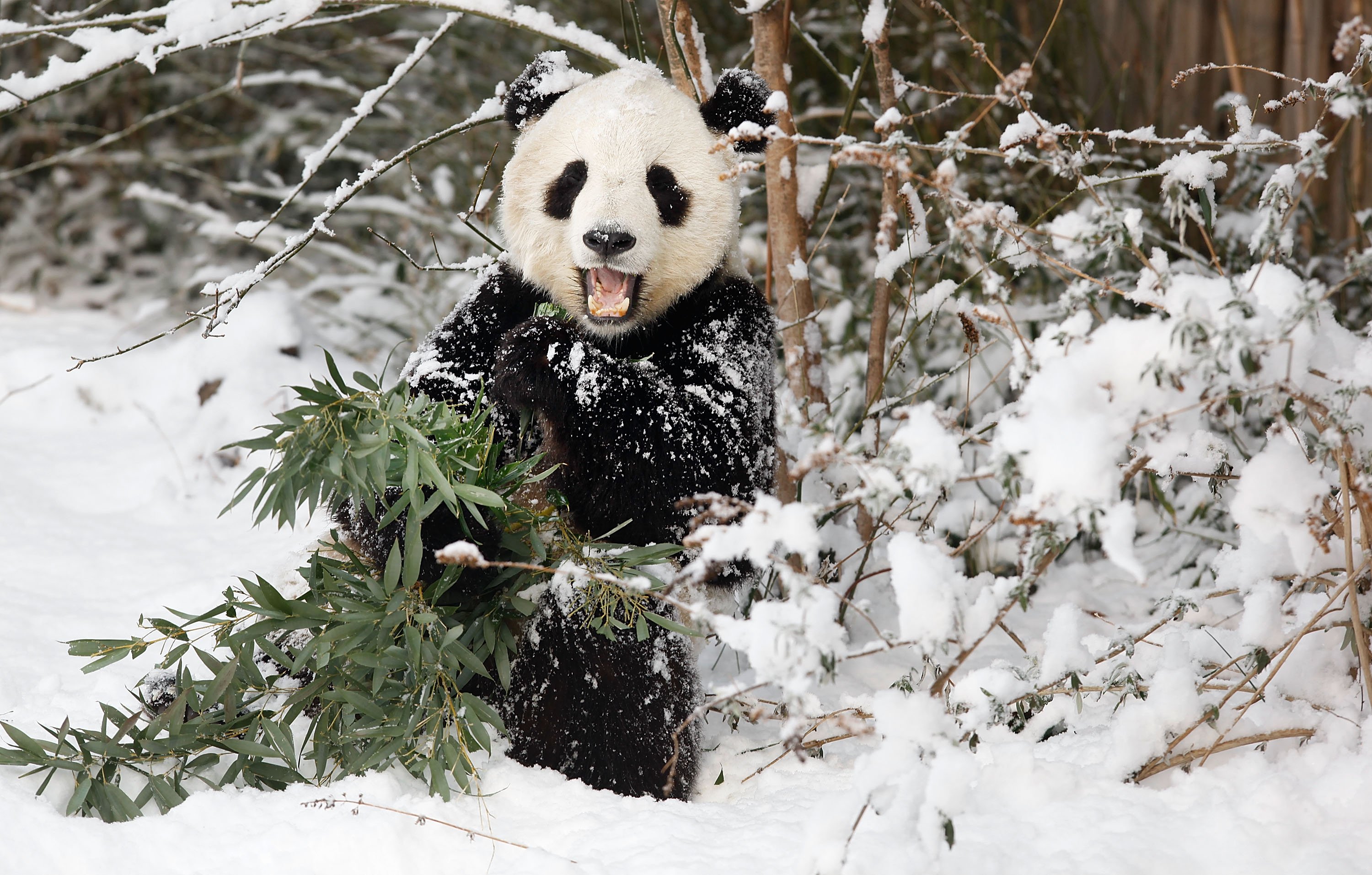
Modern conservation data indicates that reproductive success is influenced by a constellation of factors:
- Nutritional Status: Ensuring the female reaches the appropriate body mass index to support a pregnancy.
- Environmental Cues: Mimicking the seasonal changes of their native Chinese mountain habitats to trigger hormonal shifts.
- Social Dynamics: Managing the proximity of males and females during the extremely short 24- to 72-hour estrus window that occurs once annually.
The Public-Science Divide
One of the most fascinating aspects of panda conservation is the distinct difference between how the public views the animals and how scientists operate. There is a palpable public obsession with the reproductive life of the panda, a phenomenon rarely seen with other endangered species.
While parents at the zoo may shield their children from the natural behaviors of primates or elephants, the sight of giant pandas attempting to mate is often met with cheers and public interest. This, Dr. Smith argues, may be rooted in the panda’s "adorable" aesthetic, which seems to sanitize the act of reproduction in the eyes of the public.
However, this public attention adds a layer of complexity to the conservation mission. The pressure to produce a cub—symbolized by the excitement surrounding the birth of Tai Shan in 2005 and subsequent cubs—can be immense. The staff must balance this public expectation with the biological reality that breeding success is never guaranteed, regardless of the level of scientific oversight.
Implications for Future Conservation
The work conducted at the Smithsonian’s National Zoo has set a global standard for the management of endangered megafauna. By treating the breeding of pandas as a "group project" that requires constant micro-adjustments, the zoo has contributed significantly to the global understanding of the species.
The broader implications of this work extend far beyond the National Zoo. The techniques developed for monitoring hormones, managing enclosures, and understanding the nuances of panda behavior have been shared with conservation programs worldwide. As climate change and habitat loss continue to threaten the wild populations of giant pandas in China, the expertise gained in American institutions becomes a critical insurance policy for the species.
Dr. Smith’s account serves as a vital record of this evolution. It frames the panda not just as a cultural icon or a diplomatic tool, but as a biological subject that demands the best of human ingenuity. The transition from the frustration of the 1970s to the more predictable, science-led successes of the 2020s demonstrates the power of interdisciplinary cooperation in conservation.
As the Smithsonian continues its mission, the focus remains on the long-term viability of the population. The "secret" of the panda, as implied by Dr. Smith, is that there is no secret—only the diligent, unglamorous, and deeply persistent application of science in the service of life. Through her reflections, readers gain an understanding that the future of the world’s favorite bear is not a matter of luck, but the result of decades of institutional memory, scientific rigor, and a commitment to the fundamental goal of ensuring that the giant panda remains a fixture of the natural world for generations to come.

