
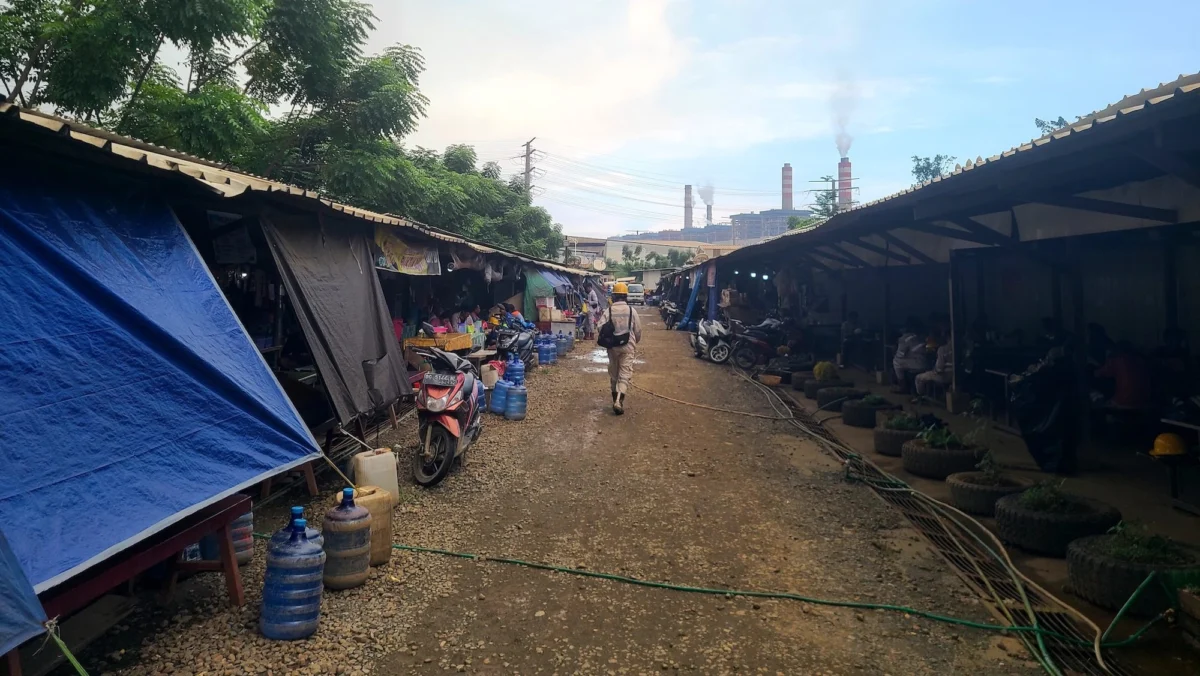
When a young man named Min left the parched plains of central Myanmar for the rugged, mountainous border with China earlier this year, he was not seeking adventure but survival. Following the 2021 military coup that toppled the democratically elected government, Myanmar’s formal economy has faced a catastrophic collapse. Jobs have vanished, and the Sagaing Region—Min’s home—has become a primary target for military airstrikes and retaliatory raids. Faced with the grim prospect of mandatory conscription introduced by the junta in 2024, Min and his younger brother chose a different path: they paid a broker 2,000 Chinese yuan ($290) to secure labor at a rare earth mining site in an autonomous region controlled by a powerful ethnic militia.
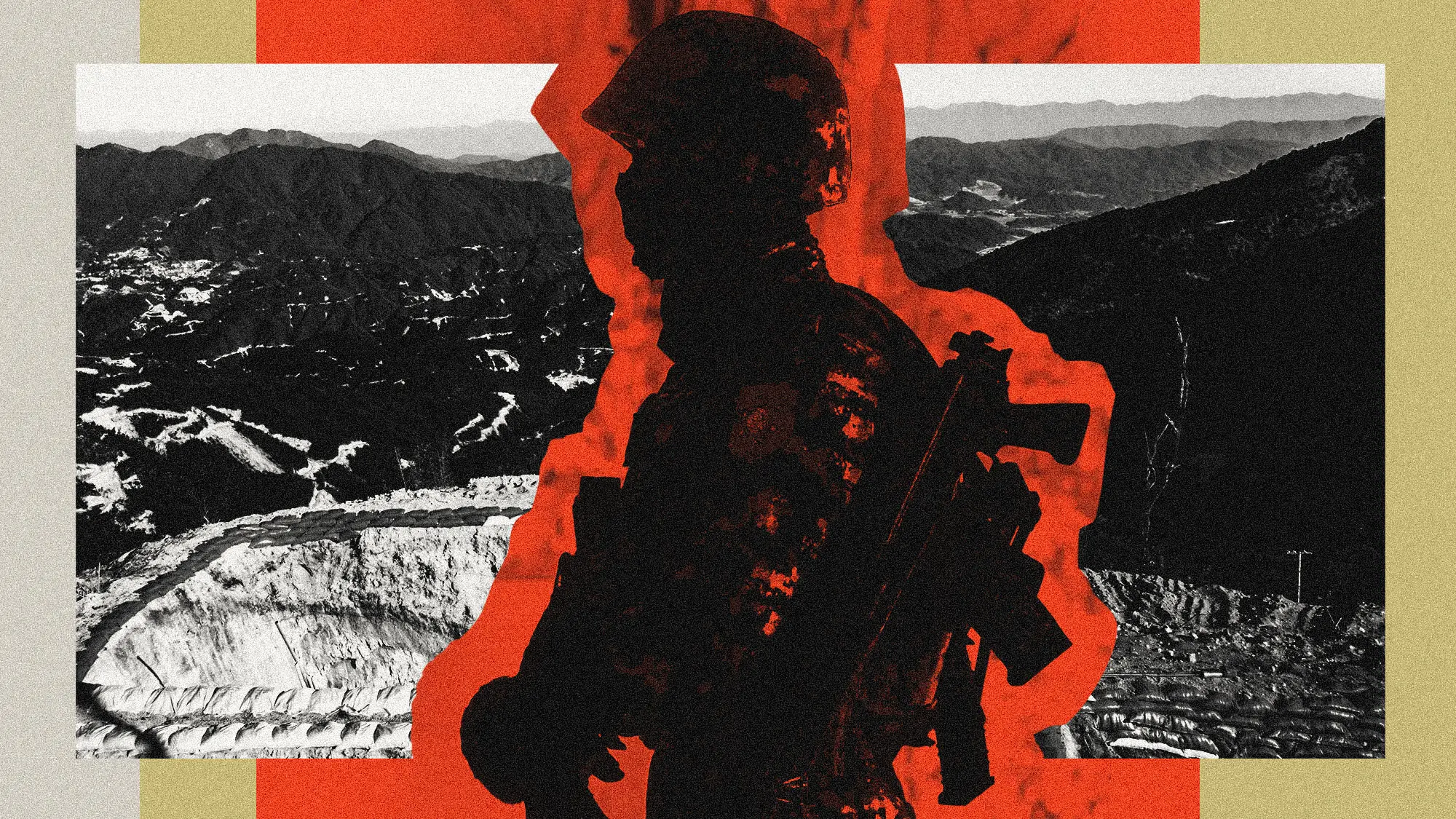
The brothers were assigned to road construction on the steep, unstable slopes of the mining zone, earning roughly 3,000 yuan ($430) a month—a sum far exceeding what they could earn anywhere else in the war-torn country. However, the high wages came with a lethal price. Within weeks of their arrival, Min’s brother was killed when a landslide buried the site. His body could not be recovered or transported home, forcing the family to hold religious rites in his absence. Despite the tragedy, Min remains at the site. "Despite the risks, I continue working," he said. "There are not many other job options."
The Strategic Importance of Myanmar’s Heavy Rare Earths
Min’s story is a microcosm of a much larger, global phenomenon. He is part of an expanding, often invisible workforce enduring hazardous conditions to extract 17 elements known as rare earths. These minerals are the backbone of the 21st-century economy, essential for the manufacture of wind turbines, electric vehicle (EV) motors, and advanced military hardware, including missile guidance systems and fighter jets.
While these minerals are frequently framed as "critical" to a just energy transition and the fight against climate change, their extraction in Myanmar reveals a darker reality. Myanmar has emerged as the world’s largest supplier of heavy rare earths, specifically dysprosium and terbium. These elements are vital for producing high-strength, heat-resistant permanent magnets (NdFeB magnets). According to the U.S. Department of Energy, while consumer electronics and industrial motors currently account for 60% of magnet demand, the shift toward renewable energy is expected to push the share for EVs and offshore wind turbines to two-thirds of global demand by 2030.
A Chronology of Extraction and Conflict
The roots of Myanmar’s mining boom are deeply intertwined with its long history of civil war. Since gaining independence from Britain in 1948, the country’s borderlands have been contested by ethnic groups seeking autonomy.
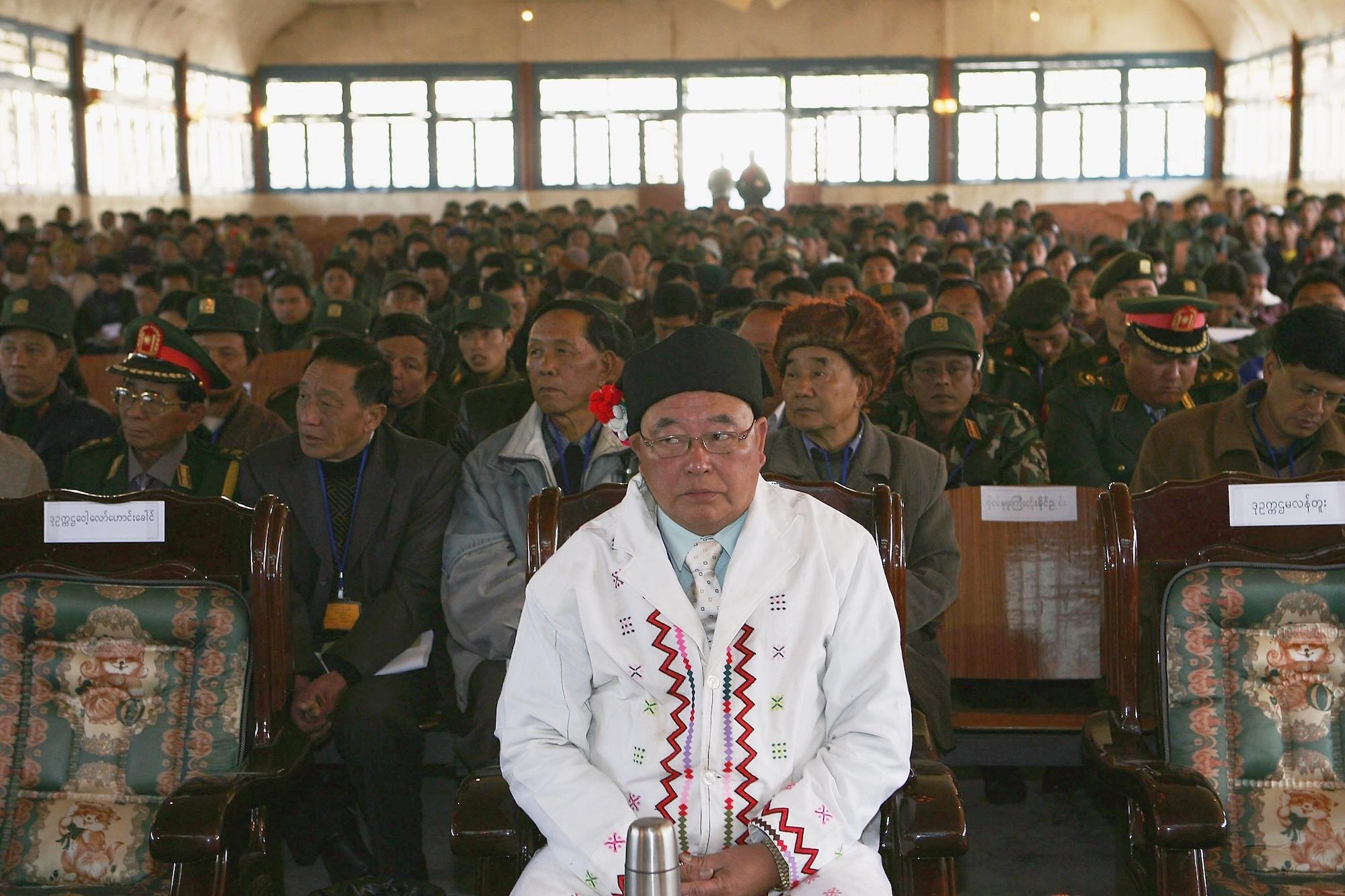
- 1989: Warlord Zahkung Ting Ying, a former member of the Kachin Independence Army (KIA), brokered a ceasefire with the central military. In exchange, his territory near the Chinese border was designated "Special Region 1," allowing him to operate with a high degree of autonomy.
- 2012: China, facing severe environmental degradation in its own southeastern provinces due to rare earth mining, began tightening domestic regulations. This shift pushed Chinese mining interests across the border into Myanmar’s "Special Regions," where oversight was nonexistent.
- 2017: Satellite imagery and Chinese customs data indicate that rare earth mining in Myanmar reached an industrial scale.
- 2021: Following the February 1 coup, the military’s need for revenue and the breakdown of the rule of law accelerated mining activities. Myanmar officially surpassed China as the world’s leading source of heavy rare earths.
- 2024-2025: As the anti-junta resistance made territorial gains, control over mining sites shifted. The KIA defeated Zahkung Ting Ying’s forces in late 2024, taking control of key mining zones, while Chinese companies simultaneously expanded operations southward into Shan State.
The Toxic Reality: In-Situ Leaching
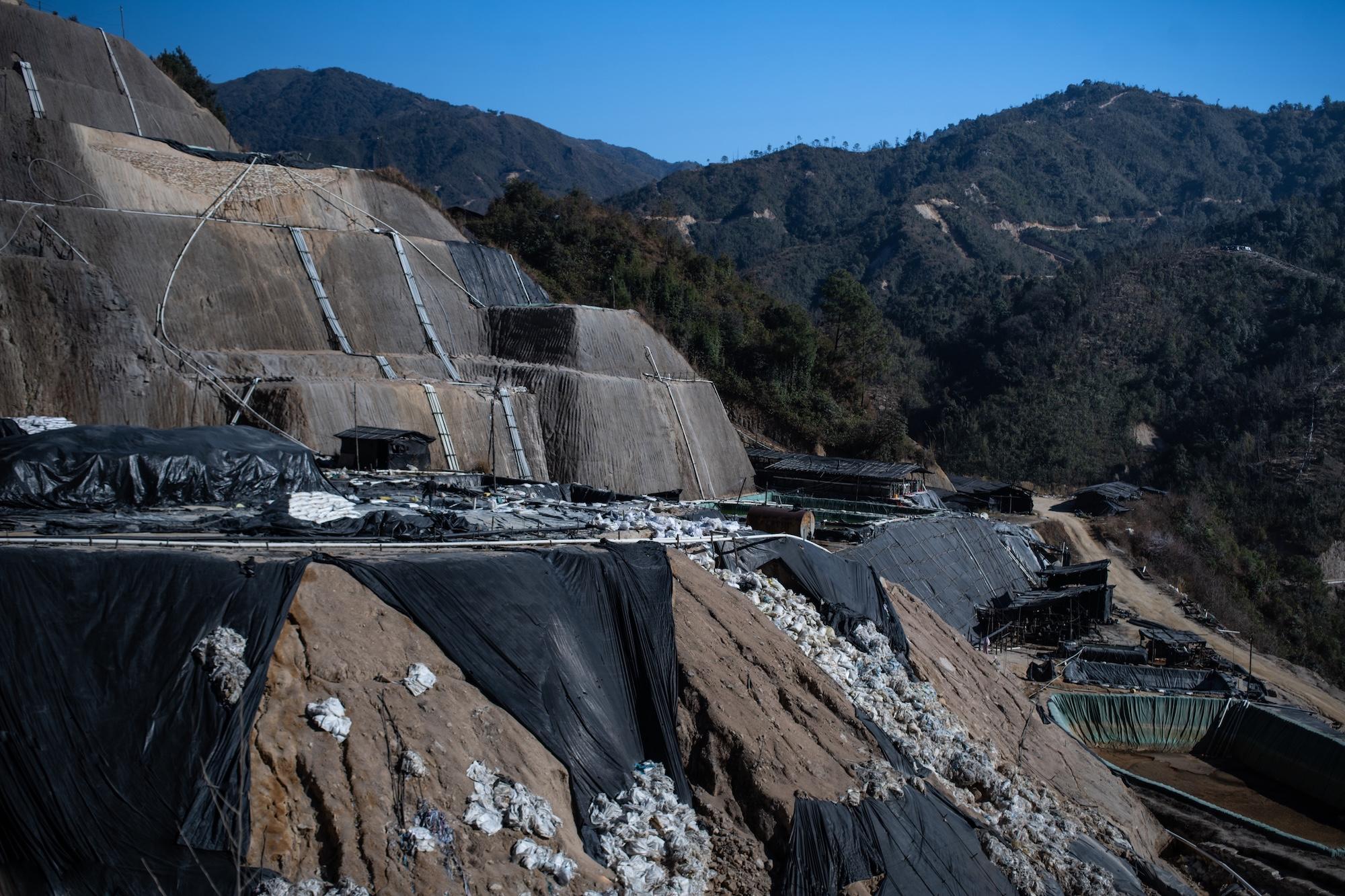
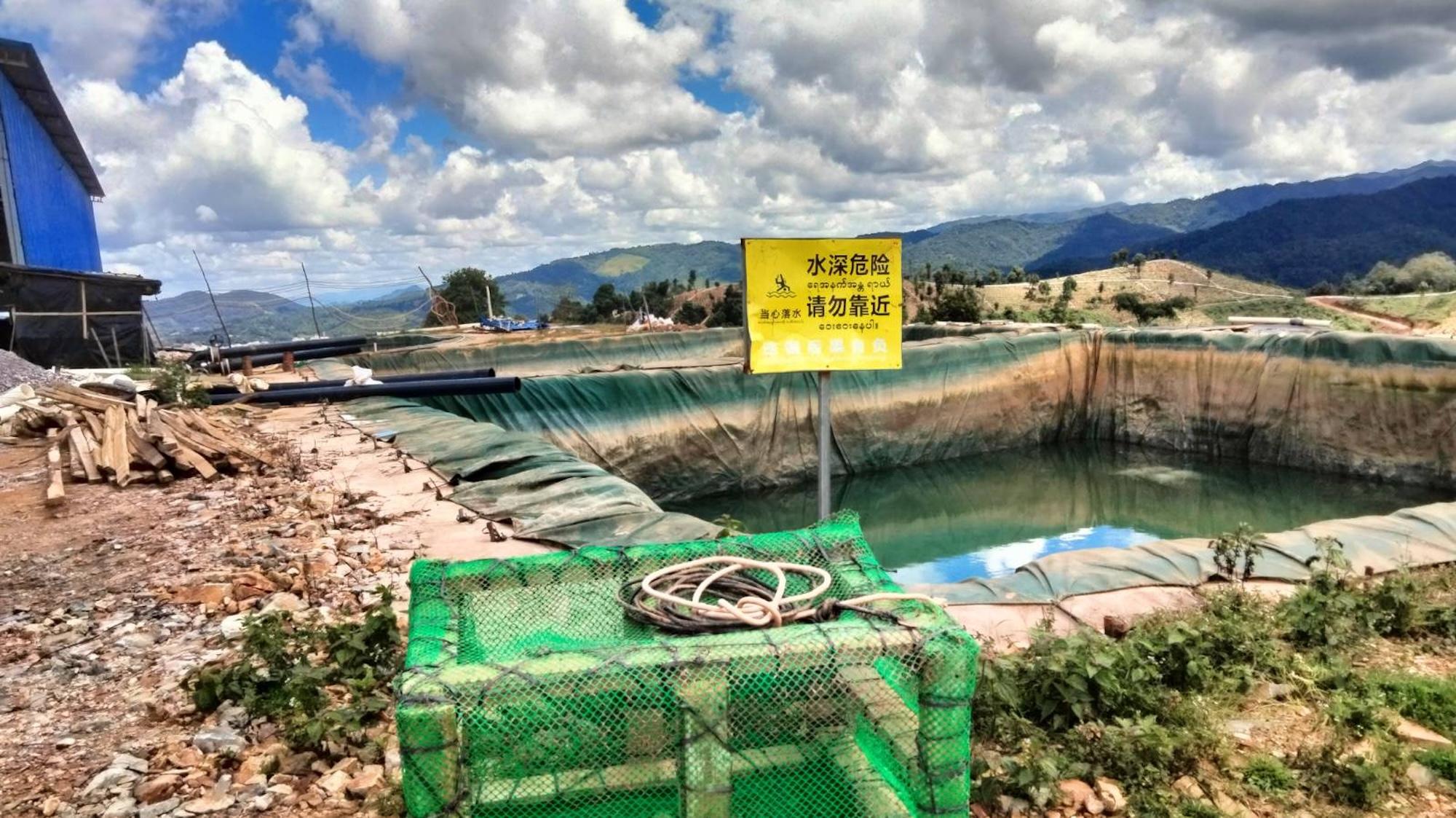
Unlike the open-pit mining seen in China’s Bayan Obo district, heavy rare earths in Myanmar are typically extracted through a process called in-situ leaching. This method involves drilling boreholes into mountainsides and injecting a mixture of ammonium sulfate and other chemical solvents. These chemicals seep through the earth, dissolving the minerals, which are then collected in chemical pools at the base of the slopes.
The environmental and health consequences are devastating. Regan Kwan, a research analyst at the Stimson Center, warns that chemical leaks turn local water sources toxic. "Chronic exposure can affect the brain, liver, bones, and immune systems," Kwan noted, adding that it is particularly harmful to childhood development.
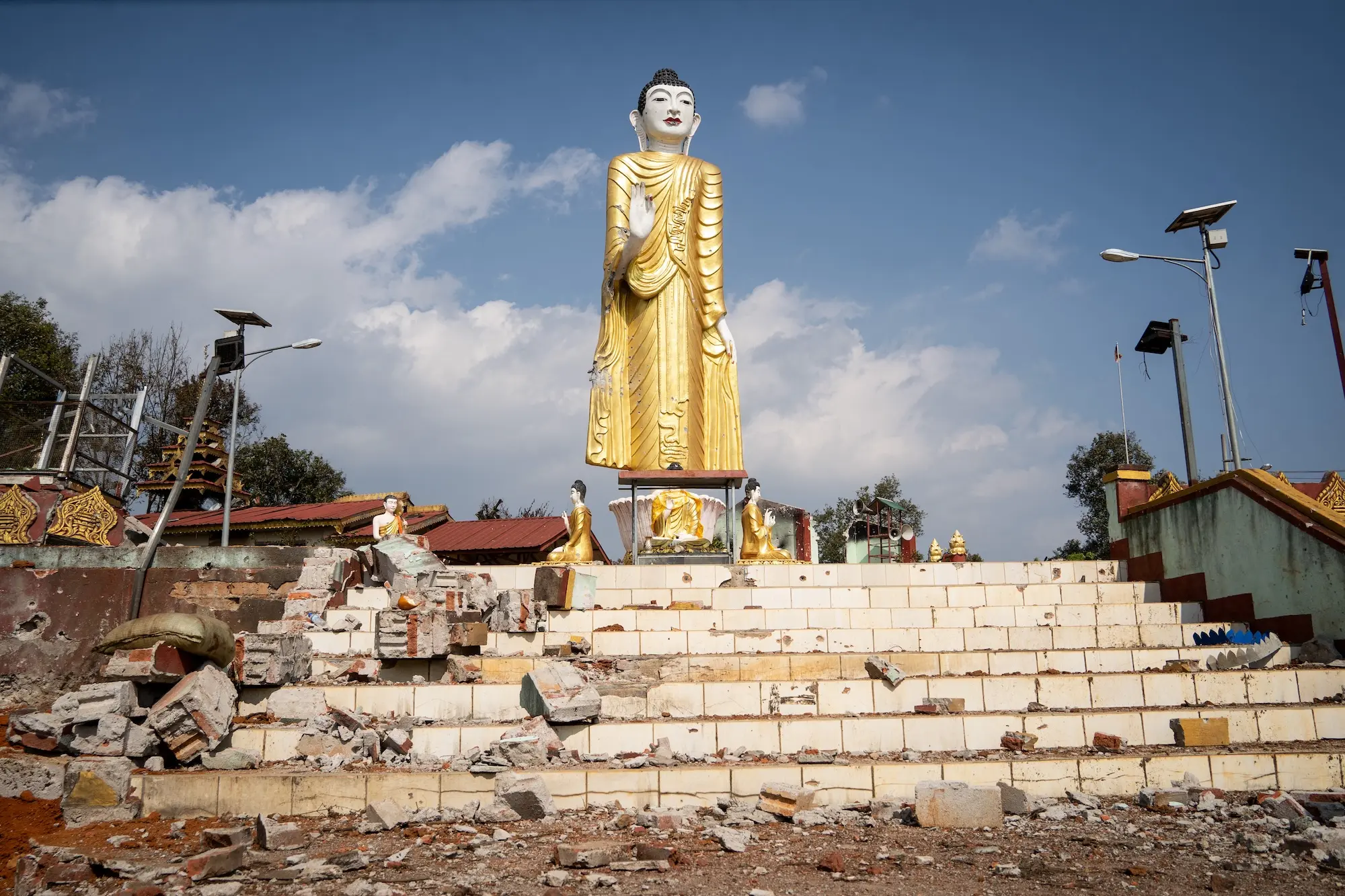
In the village of Nyi Tun, a man in his 50s, the landscape has been transformed. "The soil color has changed; it used to be rich and reddish, but now the environment is dry, like soil from the desert," he said. He reported that crop yields have plummeted, and the streams his family relied on for generations are now pale and polluted. "Some people call this development, but I don’t see it that way. I feel sad seeing our ancestral lands and farms damaged."
Labor Exploitation and Human Rights Abuses
The industry operates in a legal gray area, shielded by militarized groups and funded by Chinese capital. Reports from workers, such as "Kaung," a former supervisor, highlight a rigid hierarchy where Chinese nationals hold all senior positions. Workers from Myanmar often lack written contracts, leaving them vulnerable to wage theft and summary dismissal.
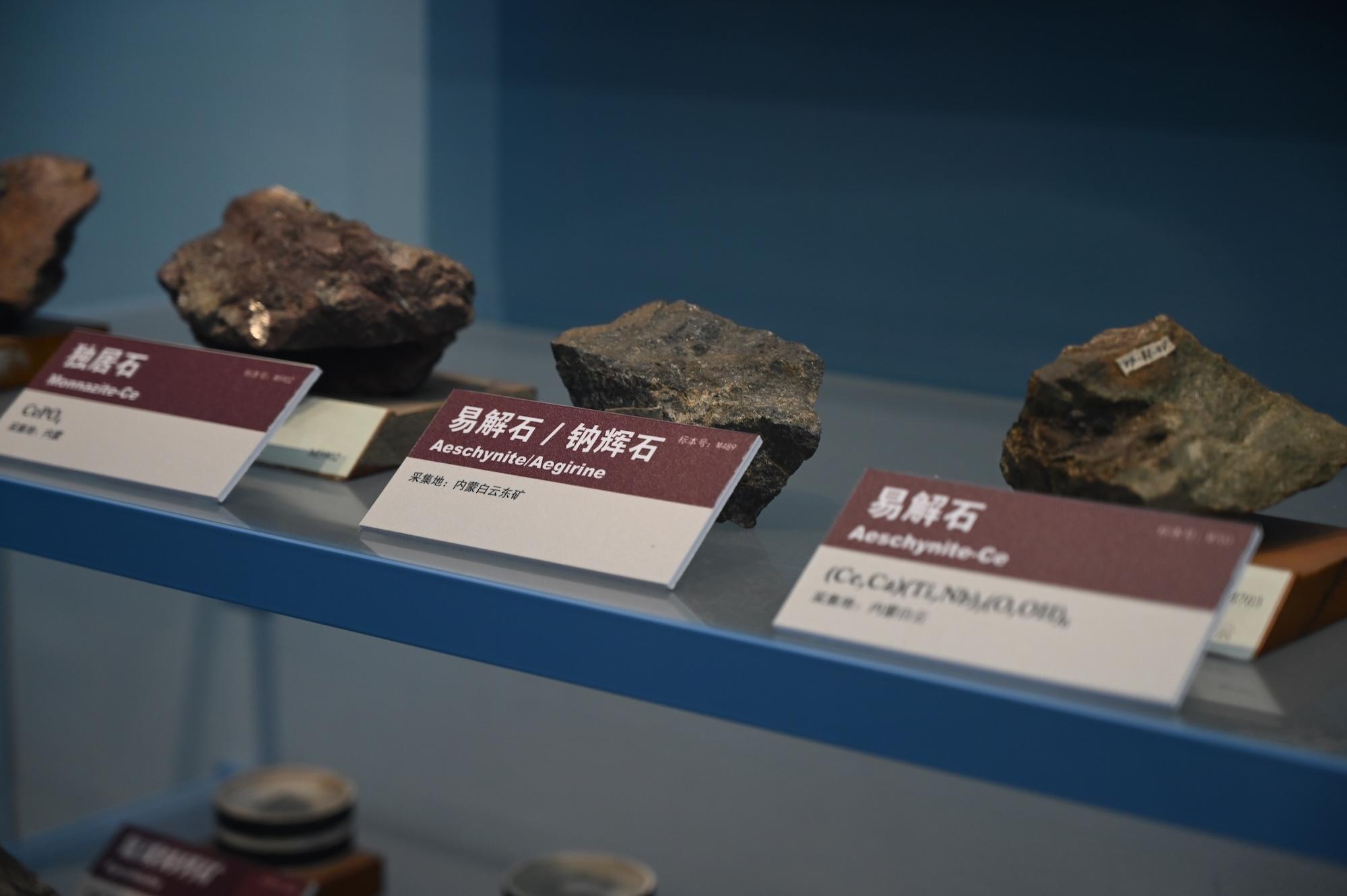
The disparity in the value of human life is stark. Kaung noted that if a Myanmar worker dies, compensation is typically capped at 100,000 yuan ($14,000), whereas the death of a Chinese national can command a payout of over 1 million yuan. Furthermore, a May 2024 report by a human rights group alleged that some mining operations in Shan State have utilized "slave labor," including prisoners and victims of human trafficking, with the complicity of both the Myanmar military and the United Wa State Army.
Geopolitical Maneuvering: The U.S., China, and India
As the U.S.-China trade war intensifies, rare earths have become a central front in the struggle for technological supremacy. In 2023, China restricted exports of heavy rare earths in response to U.S. tariffs, sending global markets into a scramble for alternative supplies.

This has led to unlikely diplomatic overtures. The Myanmar military, despite being heavily sanctioned by the West, has hired prominent American lobbyists to build ties with the Trump administration. Some U.S. interests have lobbied for access to Myanmar’s rare earths to reduce dependence on China, a move that would likely require cooperation with India. In May 2026, the U.S. and India signed a deal to secure critical mineral supplies; shortly thereafter, Myanmar’s junta leader met with Indian Prime Minister Narendra Modi to discuss "deepening cooperation" in the sector, despite much of the mining territory being outside the military’s direct control.
Broader Implications and the "Sacrifice Zone"
The situation in Myanmar raises uncomfortable questions about the global energy transition. Experts like Julie Michelle Klinger of the University of Wisconsin, Madison, point out that there are currently no mechanisms to ensure that rare earths extracted for "green tech" aren’t actually being diverted to military applications amidst global rearmament.
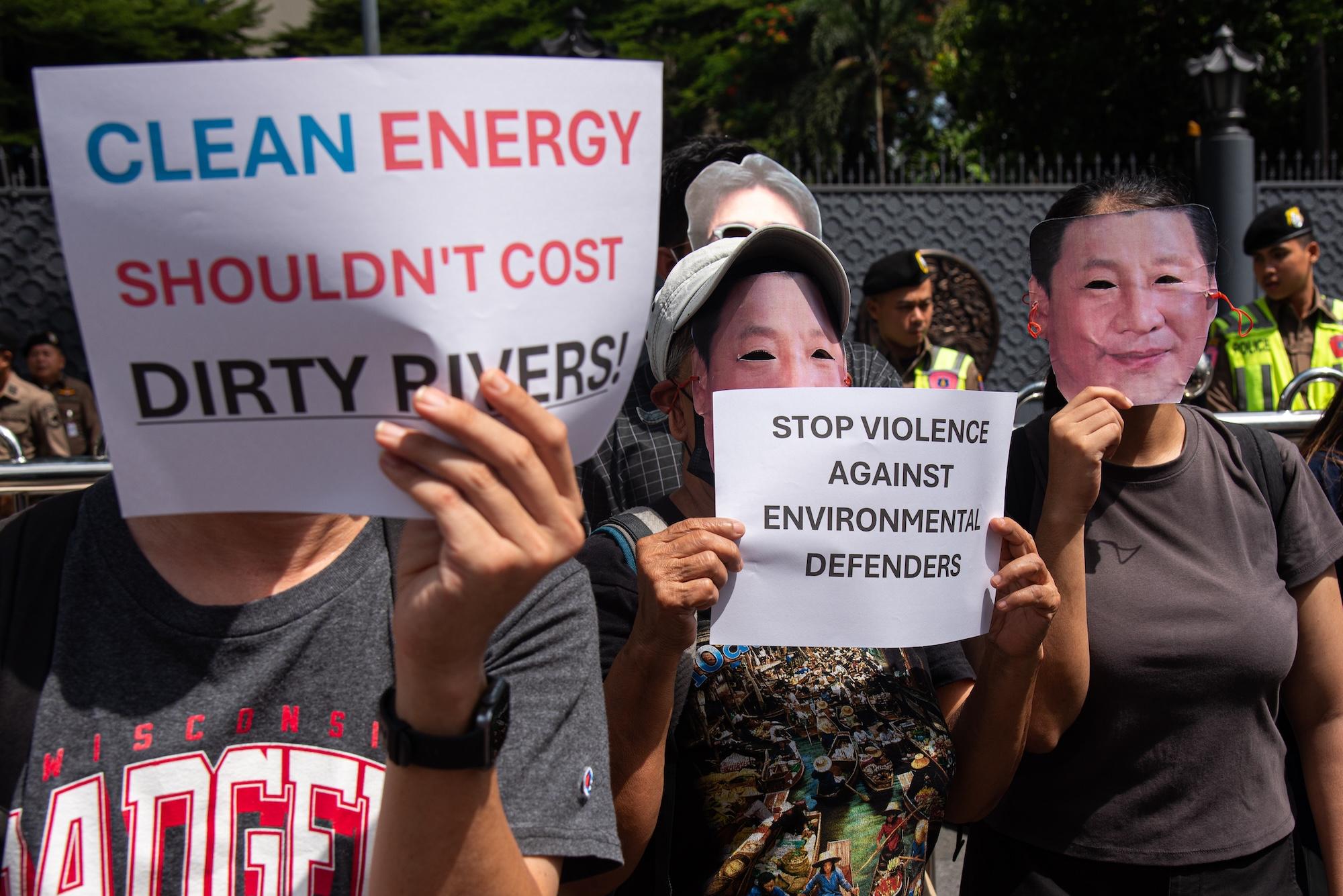
Furthermore, the environmental damage is no longer contained within Myanmar’s borders. Testing in neighboring Thailand has revealed toxic contamination in rivers originating from mining zones in Shan State. This "transborder pollution" has sparked protests in Bangkok, with activists demanding that China take responsibility for the practices of its companies abroad.
The term "sacrifice zone" is increasingly used by geographers and ethnographers to describe the borderlands of Myanmar. These are regions where the environment and human rights are systematically traded for global economic and strategic gains. "The story didn’t start with rare earths, and it won’t end there," says Jasnea Sarma, an ethnographer at the University of Zurich. "People are finally paying attention to the slow, perpetual violence that’s been unfolding here for decades."
As long as the global demand for high-tech magnets remains insatiable and the conflict in Myanmar persists, the mountains of Kachin and Shan states will likely continue to be bled of their riches, leaving behind a poisoned legacy for the generations that remain. For workers like Min, the choice remains a grim one: face the bullets of a civil war or the slow poison of the mines.

