
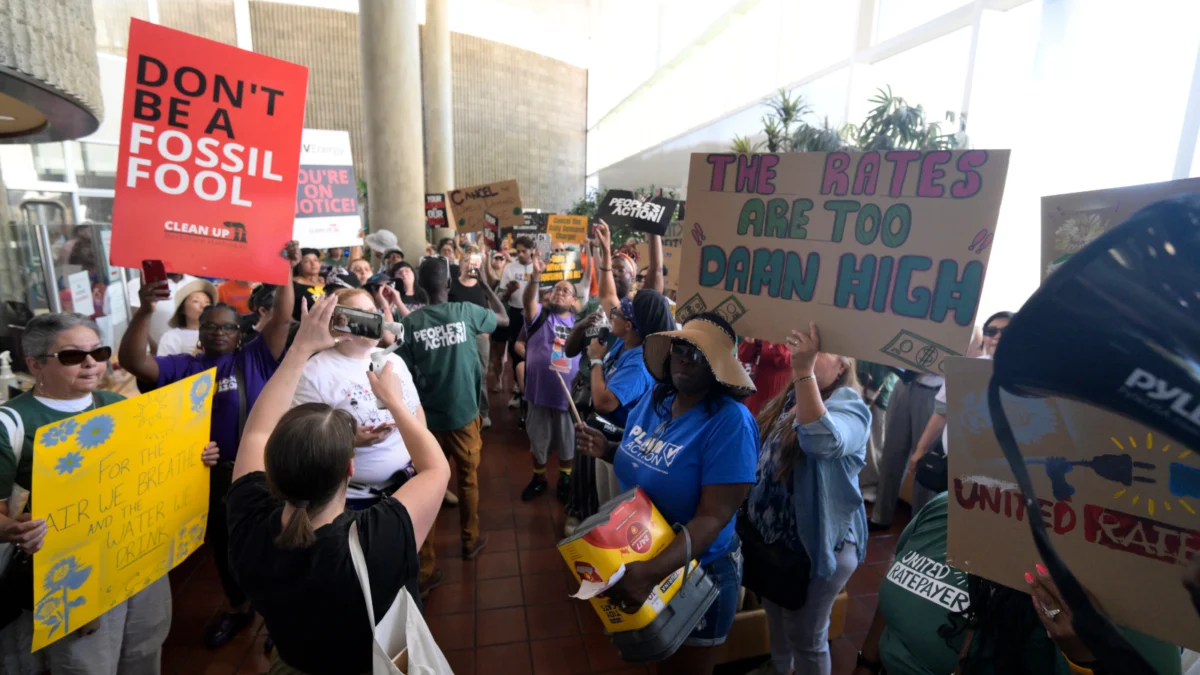
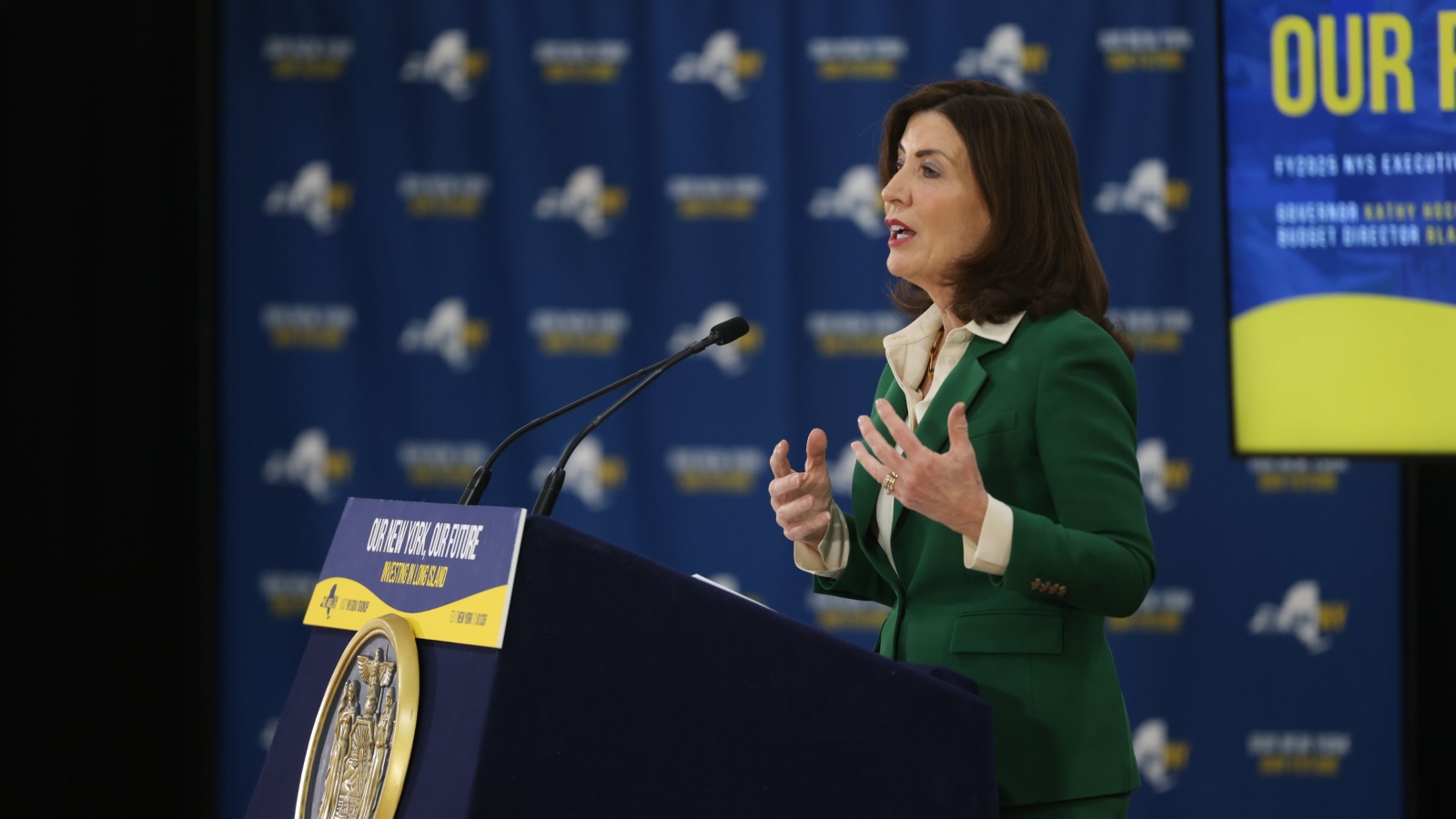
New York Governor Kathy Hochul, a Democrat, issued a landmark executive order on Tuesday establishing a one-year moratorium on the construction and permitting of new large-scale data centers across the state. This move marks the first time a U.S. governor has implemented a statewide ban on these facilities, signaling a significant shift in how state governments balance the rapid expansion of the digital economy with energy reliability and environmental protection. The executive order comes as a response to mounting concerns regarding the massive electricity demands of hyperscale data centers, which critics argue threaten to destabilize the state’s power grid, drive up utility costs for residential consumers, and jeopardize New York’s ambitious climate goals.
Under the terms of the order, the New York State Department of Public Service (DPS) is directed to cease the issuance of new permits for large-scale data centers for a period of 12 months. During this hiatus, the agency will conduct a comprehensive environmental and economic analysis to determine the long-term impacts of these facilities. Furthermore, the Governor has instructed the DPS to initiate a formal proceeding that could fundamentally alter the business model for tech companies in the state, potentially requiring data centers to either pay significantly higher rates for grid-supplied energy or invest in their own independent, renewable power generation.
The Drivers of the Data Center Boom
The surge in data center development is not unique to New York but is part of a global trend fueled by the explosive growth of artificial intelligence (AI), cloud computing, and high-frequency digital services. Technology giants such as Amazon, Google, Microsoft, and Meta have invested billions of dollars in infrastructure to support the massive computational power required for generative AI models. Unlike traditional data centers, AI-focused facilities require high-density racks and sophisticated cooling systems, leading to energy consumption levels that can dwarf entire municipalities.
According to recent industry data, a single search query involving generative AI can consume up to ten times the electricity of a standard Google search. On a broader scale, Goldman Sachs Research estimates that data center power demand is poised to grow by 160% by the year 2030. In New York, where the state is already grappling with the transition to a carbon-neutral grid, this sudden spike in demand has created an urgent infrastructure challenge.
Governor Hochul highlighted these pressures in an official statement accompanying the order. “As data center development threatens to hike up utility bills, deplete our natural resources, and create uncertainty for New Yorkers, it’s my responsibility to take action and lead,” Hochul said. “We must ensure that our pursuit of technological advancement does not come at the expense of the hardworking families who keep our state running.”
A History of Legislative and Regional Tension
The Governor’s executive order follows a period of intense legislative activity in Albany. Last month, the New York State Legislature passed a more permanent and expansive data center moratorium bill (S10642). While that bill sits on the Governor’s desk awaiting a signature or veto, the executive order provides an immediate, albeit temporary, solution that allows the executive branch to maintain control over the regulatory process.
New York is not the only state where the data center industry has faced political headwinds. Earlier this year, Maine Governor Janet Mills, also a Democrat, vetoed a measure that would have established a similar statewide moratorium. In Maine, the veto was seen as a move to protect potential economic investment, but in New York, the scale of the projected energy deficit has made the issue more politically volatile.
In other regions, such as Northern Virginia—often referred to as "Data Center Alley"—local residents and environmental groups have increasingly protested the expansion of these facilities, citing noise pollution from industrial cooling fans, the visual blight of massive warehouses, and the strain on local water supplies used for evaporative cooling.
Economic Framework and Community Protections
Beyond the moratorium, Governor Hochul’s directive includes a new strategy for local engagement. She has ordered the state’s economic development agency, Empire State Development (ESD), to create a standardized framework for local municipalities to use when negotiating with technology firms. Historically, data centers have often been lured to rural or suburban areas with the promise of tax breaks and construction jobs, despite providing relatively few long-term, high-paying positions once the facilities are operational.
The new framework will prioritize:
- Infrastructure Improvements: Requiring tech companies to fund upgrades to local electrical substations and water treatment facilities.
- Child Care and Education: Mandating investments in local social infrastructure to offset the impact of new industrial developments.
- Labor Standards: Ensuring that construction and maintenance are performed by workers receiving prevailing wages and adhering to strict labor protections.
- Direct Financial Support: Creating a "Grid Infrastructure Fund" where data center operators must contribute capital to support New York’s clean energy transition.
Perhaps most controversially, the Governor has called on the state legislature to repeal existing sales tax exemptions for large-scale data centers. These incentives, which were originally designed to make New York competitive with states like Virginia and Georgia, are now viewed by some officials as unnecessary subsidies for some of the wealthiest corporations in the world.
Impact on New York’s Energy Grid and Climate Goals
New York’s energy landscape is currently defined by the Climate Leadership and Community Protection Act (CLCPA), which mandates that the state achieve 70% renewable energy by 2030 and a zero-emission grid by 2040. Meeting these targets is already a monumental task, requiring the rapid deployment of offshore wind, solar arrays, and battery storage.
The New York Independent System Operator (NYISO), which manages the state’s power grid, has issued multiple warnings about narrowing reliability margins. The "Tale of Two Grids"—where upstate New York enjoys a surplus of clean hydroelectric and nuclear power while downstate remains heavily dependent on fossil fuels—is further complicated by the arrival of data centers. Because many data centers seek to locate in areas with cheaper land and existing power access, they often cluster in regions where transmission bottlenecks prevent clean energy from reaching the high-demand centers of New York City and Westchester County.
Environmental advocates have praised the moratorium as a necessary "cooling-off period." Groups such as the Sierra Club and various local "No Data Center" coalitions have pointed out that hyperscale facilities can consume millions of gallons of water daily for cooling, potentially threatening local aquifers and ecosystems during periods of drought.
Industry Reaction and Future Implications
The technology industry has reacted with caution to the Governor’s announcement. Industry trade groups argue that data centers are the backbone of the modern economy and that a moratorium could drive investment to neighboring states like New Jersey or Pennsylvania. Proponents of the industry point out that data centers provide essential services, from medical research and financial transactions to the very tools used to manage renewable energy grids.
"Data centers are not just warehouses for computers; they are the engines of innovation," said a representative from a leading tech advocacy group in a preliminary response. "By halting development, New York risks falling behind in the global AI race and losing out on the ancillary economic benefits that come with being a hub for the digital age."
However, the "pay-to-play" model proposed by the Hochul administration suggests that the state is not looking to ban the industry permanently, but rather to ensure it pays its fair share. If the DPS study concludes that data centers can be integrated into the grid without raising rates for residential consumers—likely through the use of on-site solar, geothermal cooling, or hydrogen fuel cells—the moratorium may be lifted with new, stricter regulations in place.
Conclusion and Outlook
The next 12 months will be a critical period for New York’s energy policy. The Department of Public Service’s environmental analysis will be closely watched by policymakers across the country, as other states grapple with the same pressures of the AI revolution. If New York successfully implements a model where data centers are required to fund the greening of the grid they utilize, it could provide a blueprint for a sustainable digital future.
For now, the construction cranes at several proposed sites will remain idle. The moratorium sends a clear message to the tech sector: in the era of climate change and grid instability, the privilege of accessing New York’s power supply will come with a significantly higher price tag and a mandate for environmental responsibility. As the one-year clock begins, the state, the public, and the tech industry will all be looking toward a future where "the cloud" must finally account for its footprint on the ground.

