
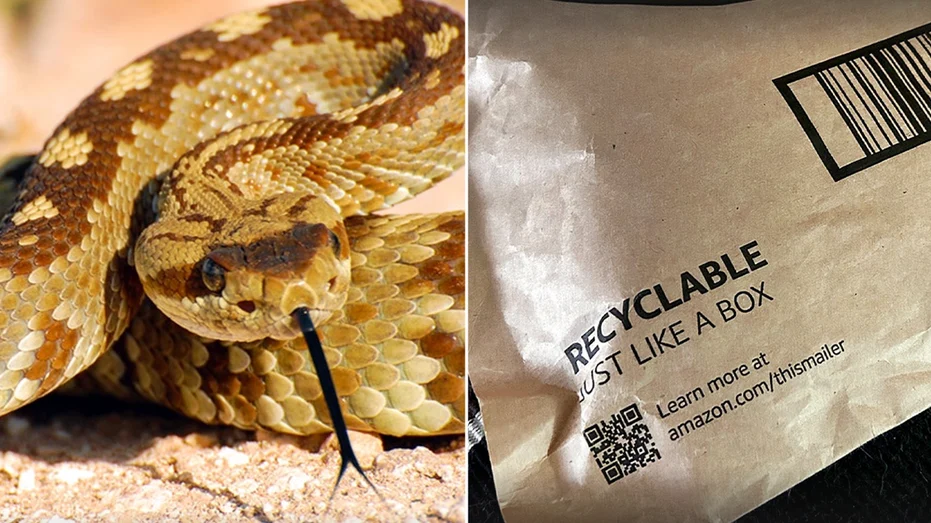
The United States is experiencing an alarming increase in snakebite incidents this summer, with California emerging as a particular hotspot, having already surpassed its annual quota for fatal bites. This concerning trend has been highlighted by various reports, including Fox News’ Jesse Watters, who detailed severe cases such as Chris, a bite victim who required a staggering 36 vials of antivenom after an encounter with a Western rattlesnake, and a 2-year-old girl in Colorado airlifted to a hospital following a rattlesnake attack. The escalating frequency and severity of these incidents are raising significant public safety concerns nationwide, underscoring the urgent need for heightened awareness and preparedness.
A Child’s Ordeal: The Barajas Family’s Frightening Encounter
In a recent and particularly harrowing incident, a Southern California family is urging vigilance after their 3-year-old daughter, Addy Barajas, was bitten by a rattlesnake concealed beneath an Amazon package outside their home. The incident, which occurred in Ventura County, serves as a stark reminder of the unexpected dangers that can lurk in seemingly innocuous places, even within residential environments. Manuel Barajas recounted the terrifying moments when his daughter, responding to her mother’s call about a package delivery, reached for the padded envelope only to be struck on her left hand by a Southern Pacific rattlesnake.
The immediate aftermath was a blur of panic and swift action. Addy’s mother, demonstrating remarkable presence of mind, rushed her daughter to a nearby grocery store parking lot, where paramedics were able to intercept the family and provide initial medical care. Addy was then transported to a local hospital before being transferred to a pediatric intensive care unit (PICU), where she spent two critical days receiving multiple doses of antivenom to counteract the potent venom. Her father, Manuel, later shared with Nexstar’s KTLA that while Addy is now approximately 70% recovered, still bearing bruises on her bitten hand, her resilience is remarkable, though she continues to grapple with the emotional trauma, repeatedly asking why the snake bit her. The family has since launched a GoFundMe campaign to help cover the substantial medical expenses and lost income incurred during Addy’s recovery, highlighting the significant financial burden that such unforeseen emergencies can impose.
California at the Epicenter: A Season of Unprecedented Activity
Addy’s incident is far from isolated, fitting into a broader pattern of escalated rattlesnake activity across California this year. Wildlife experts and local officials are pointing to an unusually warm spring as the primary driver behind this surge. Warmer temperatures have effectively extended the active season for cold-blooded reptiles like rattlesnakes, driving them out of hibernation earlier and keeping them active for longer periods. This prolonged activity increases the likelihood of human-snake encounters, particularly as people spend more time outdoors and rattlesnakes venture into more populated areas in search of food or shelter.
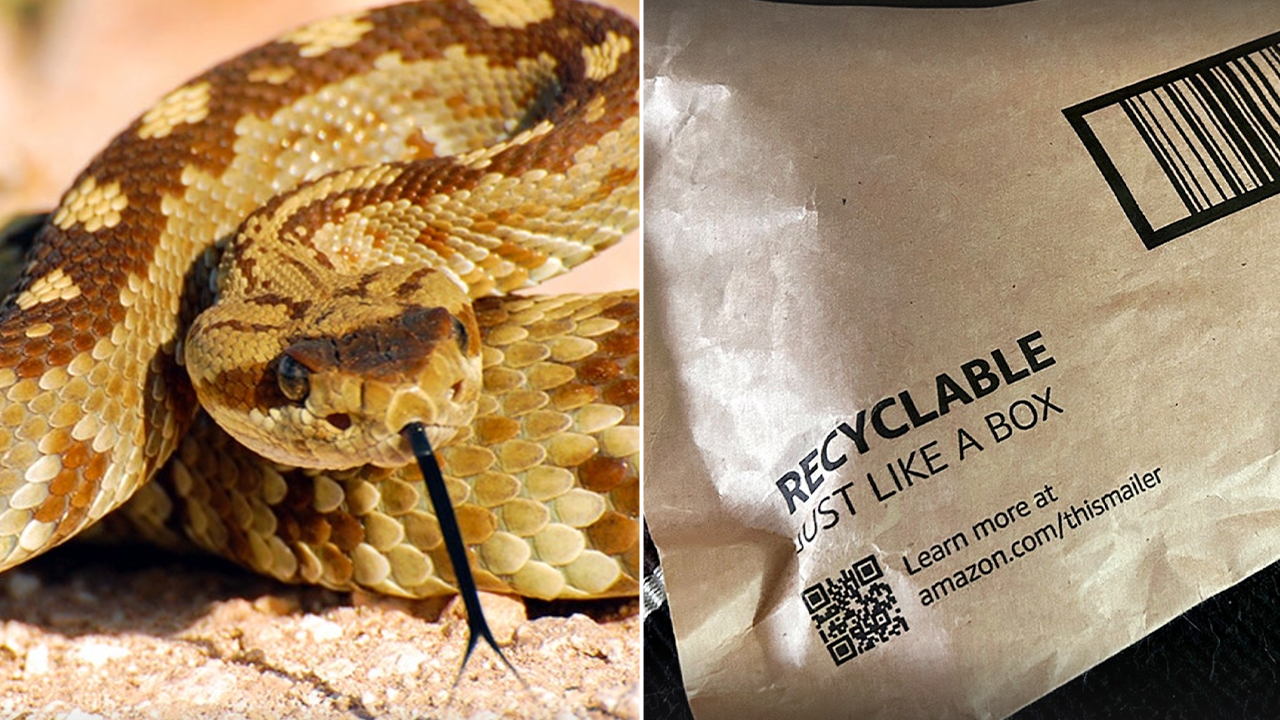
Ventura County, in particular, has become a focal point for these incidents. Weeks prior to Addy’s bite, a hiker required an airlift from a remote Ventura County trail after sustaining a rattlesnake bite. Earlier in the year, Ventura County firefighters revealed to Fox News Digital that they had responded to seven rattlesnake bites in approximately one month, a significant increase attributed directly to the unseasonably warm weather. The tragic toll of this active season includes the death of a Thousand Oaks woman in March, who was bitten while hiking at Wildwood Regional Park. Statewide, California has reported at least three snakebite fatalities this year, underscoring the severe risks posed by these venomous reptiles when conditions facilitate increased interaction.
National Trends: A Broader Concern Across America
While California has garnered significant attention due to its high incidence rates and tragic outcomes, the surge in snakebites is not confined to the Golden State. Reports from across the country indicate a national uptick in encounters, signaling a wider environmental shift impacting wildlife behavior. The case of the 2-year-old girl in Colorado airlifted after a rattlesnake attack, as reported by Jesse Watters, exemplifies the widespread nature of this phenomenon. From arid deserts to verdant forests and increasingly, suburban backyards, venomous snakes are presenting an elevated risk.
This national trend is prompting a reevaluation of public safety protocols and educational initiatives in regions historically accustomed to seasonal snake activity, as well as those less frequently affected. Emergency rooms and poison control centers in various states are reporting increased calls and patient visits related to snakebites, placing additional strain on healthcare resources, particularly in securing adequate supplies of often costly antivenom. The severity of bites, as demonstrated by Chris needing 36 vials of antivenom, underscores the critical and immediate medical intervention required, which can be resource-intensive and life-saving.
The Science Behind the Surge: Climate and Wildlife Behavior
The scientific consensus points to climate change as a significant contributing factor to the observed increase in snake activity. Warmer global temperatures lead to milder winters and earlier springs, directly influencing the physiological cycles of ectothermic (cold-blooded) animals like snakes. An extended period of suitable temperatures means snakes can emerge from brumation (a state similar to hibernation for reptiles) earlier, remain active for longer into the fall, and potentially have more opportunities to reproduce. This extended activity window increases their foraging time, which can bring them into closer proximity with human populations, especially as urban and suburban developments encroach upon natural habitats.
Furthermore, changes in precipitation patterns associated with climate change can impact prey availability. For instance, drought conditions might drive small mammals, the primary food source for many rattlesnakes, closer to human settlements in search of water and food, with rattlesnakes following suit. Conversely, heavy rainfall can displace snakes from their usual shelters, forcing them into new areas. The Southern Pacific rattlesnake (Crotalus helleri), responsible for Addy’s bite, is particularly common in Southern California and Baja California, known for its potent hemotoxic venom that causes tissue damage, swelling, and internal bleeding. The Western rattlesnake (Crotalus oreganus), implicated in Chris’s severe bite, has a wide range across western North America and is also highly venomous. Understanding these ecological shifts and species-specific behaviors is crucial for developing effective mitigation strategies.
Understanding the Threat: Rattlesnakes in Suburban and Wild Environments
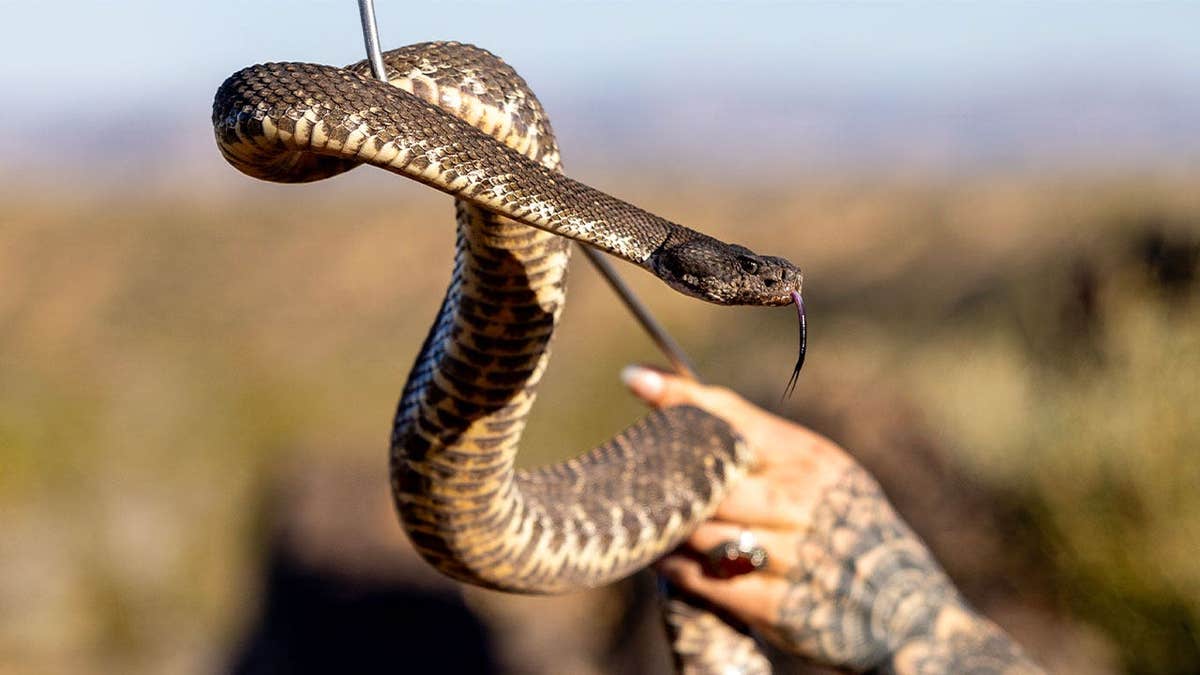
Rattlesnakes, characterized by the distinctive rattle at the end of their tails, are ambush predators that rely on camouflage to surprise their prey. Their ability to blend seamlessly into their surroundings makes them particularly dangerous in areas where their presence is unexpected. They often seek shelter under rocks, logs, dense vegetation, and, as Addy’s case shockingly illustrated, even beneath objects like packages left on doorsteps. While commonly associated with wilderness areas and hiking trails, rattlesnakes are increasingly encountered in suburban and even urban environments, especially in regions bordering natural open spaces.
These snakes are not inherently aggressive; bites typically occur when they feel threatened, are surprised, or are accidentally stepped on. They will usually rattle a warning before striking, but this warning may not always be given, especially if the snake is startled or feels cornered. Children, due to their smaller stature and natural curiosity, are particularly vulnerable, often not perceiving the threat until it is too late. The increasing frequency of bites in residential settings highlights a critical need for homeowners to be vigilant about their surroundings, checking areas where snakes might hide, such as under doormats, garden pots, and even delivery packages.
The Critical Role of Antivenom and Emergency Care
The immediate and appropriate medical response to a snakebite is paramount. Health officials unequivocally advise anyone bitten by a rattlesnake to seek emergency medical care without delay. Time is of the essence, as antivenom is most effective when administered quickly. The goal of antivenom, such as CroFab, is to neutralize the venom circulating in the bloodstream, thereby minimizing tissue damage, preventing complications like severe swelling, necrosis, and systemic effects. The quantity of antivenom required, as seen in Chris’s case with 36 vials, can vary significantly depending on the species of snake, the amount of venom injected, and the patient’s reaction.
Crucially, experts warn against attempting home remedies, which can often worsen the injury and delay life-saving treatment. Methods like tourniquets, cutting and sucking the wound, or applying ice are not only ineffective but can cause further harm, restrict blood flow, or introduce infection. Instead, victims should remain as still as possible to slow the spread of venom, keep the bitten limb below heart level if possible, and remove any constrictive clothing or jewelry before swelling occurs. Rapid transport to a medical facility equipped to handle snakebite emergencies, especially those with pediatric intensive care units for child victims, is non-negotiable. Manuel Barajas’s emphasis on knowing which hospitals are prepared for pediatric snakebite emergencies underscores this vital point.
Public Safety Recommendations and Expert Advice

In light of the escalating number of incidents, public health and wildlife agencies are intensifying their efforts to educate the public on snakebite prevention and response. Key recommendations include:
- Vigilance in Outdoor Spaces: When hiking or working outdoors, especially in known snake habitats, wear long pants and closed-toe shoes or boots. Stick to established trails and avoid placing hands or feet where they cannot see, such as under rocks or logs.
- Home Safety: Clear brush and clutter from around homes, as these provide ideal hiding spots for snakes. Be cautious when retrieving items from dark, cool places like sheds or garages. Always inspect doorsteps and areas where packages are left before reaching for them.
- Pet Safety: Keep pets on leashes in snake-prone areas and consider snake avoidance training for dogs.
- Education: Learn to identify local venomous snakes and understand their behavior. Teach children about snake safety, emphasizing that they should never approach or provoke a snake.
- First Aid Protocol: In the event of a bite, remain calm, move away from the snake, and call 911 immediately. Do not attempt to capture the snake or apply any home remedies.
The Path Forward: Coexistence and Preparedness
The surge in snakebites across America, particularly in California, serves as a powerful reminder of the delicate balance between human civilization and the natural world. As climate patterns shift and human expansion continues, encounters with wildlife, including venomous snakes, are likely to become more frequent. The challenge lies in fostering a coexistence that prioritizes human safety while respecting wildlife. This requires a multi-faceted approach encompassing public education, proactive environmental management, and robust healthcare preparedness.
Beyond immediate first aid, the long-term implications of these increased interactions include the need for sustained funding for antivenom research and production, enhanced training for medical professionals in snakebite management, and ongoing public awareness campaigns that adapt to evolving ecological conditions. The emotional and financial toll on families like the Barajas, coupled with the tragic fatalities, underscores the profound impact of this issue. As communities grapple with an unusually active snake season, heightened vigilance, informed decision-making, and immediate access to expert medical care remain the most critical defenses against the silent, slithering threat now more prevalent in our shared environments.

