
The rustling of leaves and creaking of tree trunks in a wind-swept forest are not signs of instability, but rather an ancient adaptation. Trees flex with the wind; if they were rigid, a strong gust would snap them. This natural resilience, honed over millennia, has now become a blueprint for the modern metropolis. For decades, as skyscrapers pushed skyward in the early 20th century, architects turned to steel for its strength and flexibility to withstand hurricane-force winds and seismic tremors. However, as the planet warms and wildfires intensify, a renewed focus on the strength and sustainability of timber is reshaping the construction landscape, paving the way for a new generation of towering wooden structures.
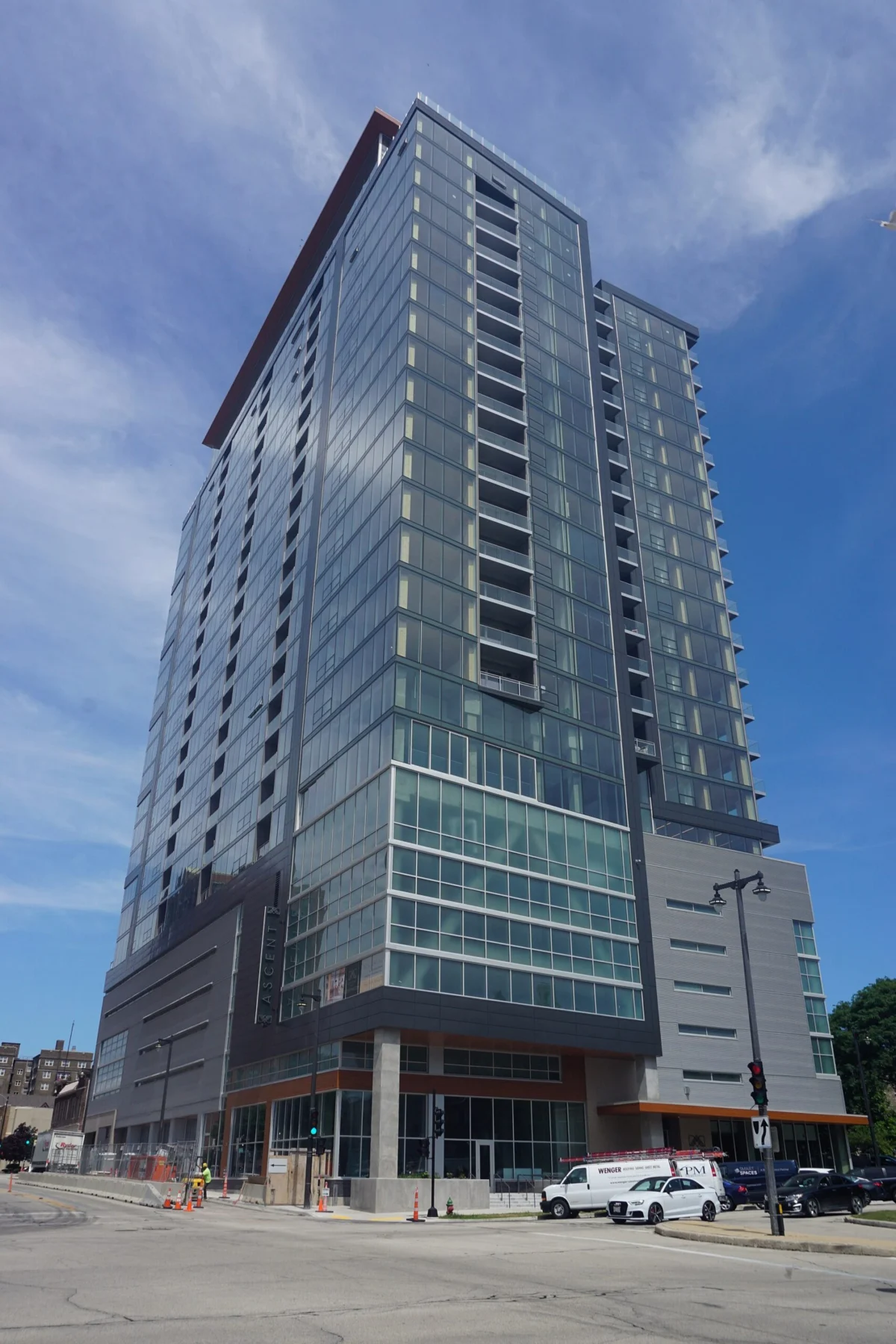
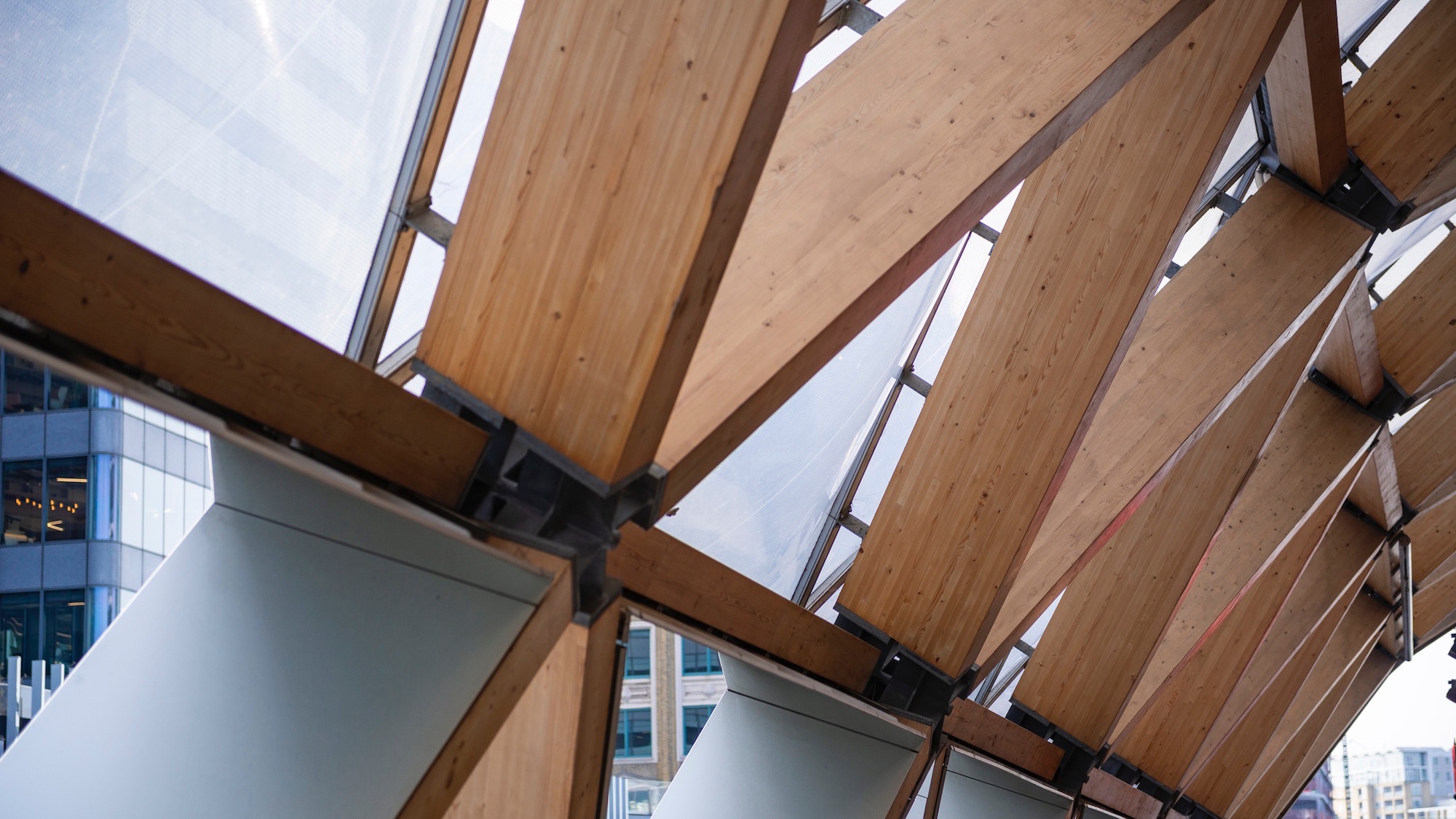
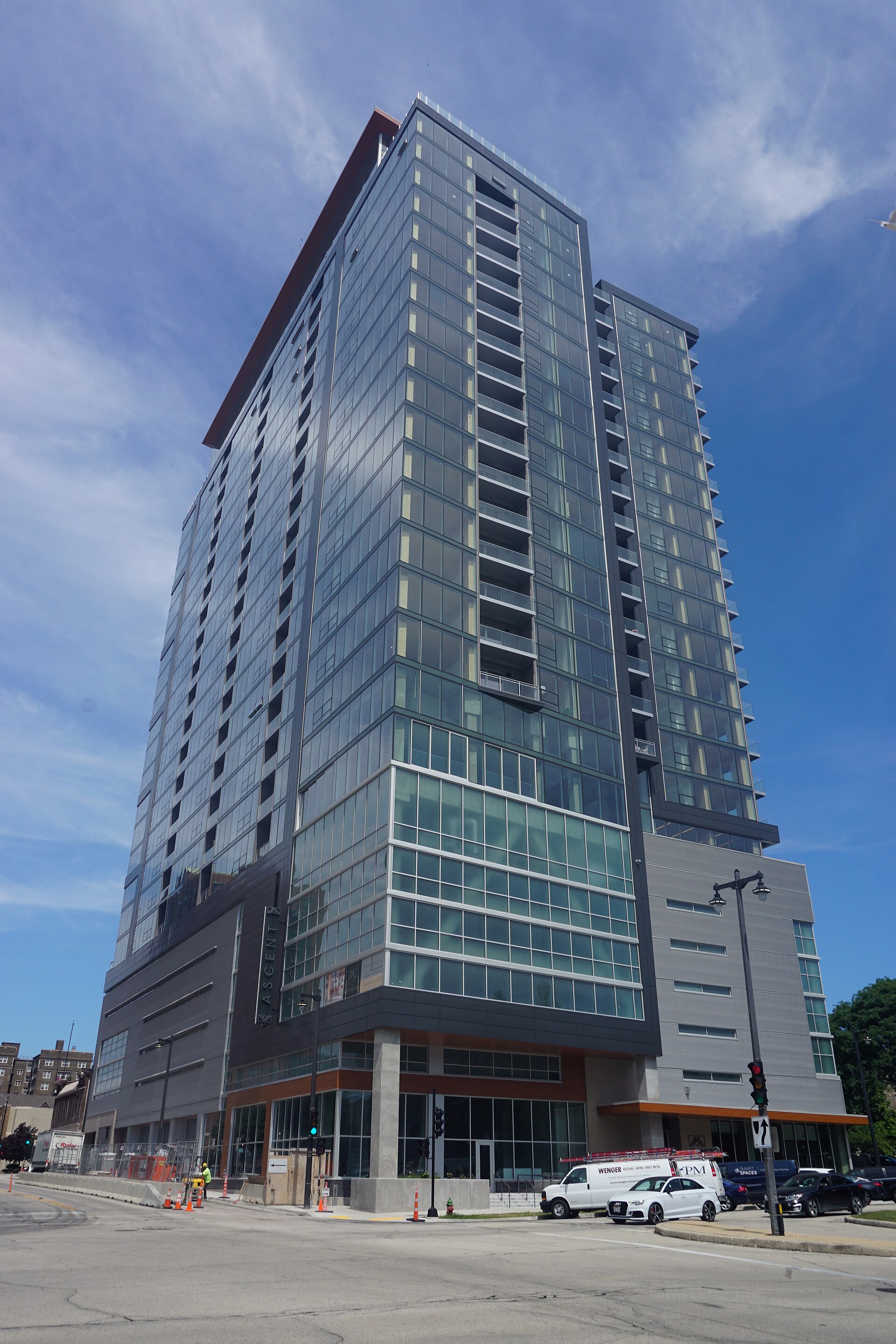
Engineered wood products, such as cross-laminated timber (CLT) and glue-laminated timber (glulam), represent a significant advancement in construction materials. These materials are created by layering and bonding wood pieces together, resulting in beams that are not only robust and somewhat flexible but also remarkably lightweight. Their structural integrity has advanced to a point where architects are now designing wooden buildings that reach heights of 15, 20, and even 25 stories. A notable example is the Ascent MKE Building in Milwaukee, Wisconsin, which opened in 2022. Standing at 284 feet, it held the title of the world’s tallest timber building at the time of its completion, showcasing the potential of mass timber construction.
The Rise of Mass Timber: A Sustainable Revolution in Construction
The increasing adoption of mass timber in construction is driven by a dual imperative: the need for sustainable building practices and the desire to create resilient structures. As trees grow, they absorb and sequester atmospheric carbon dioxide, a potent greenhouse gas. When this wood is incorporated into buildings, this captured carbon is permanently stored within the structure, effectively turning buildings into carbon sinks. This environmental benefit is a significant draw in an era defined by the urgent need to mitigate climate change.
In Vancouver, British Columbia, the completion of the Hive in 2022 marked another milestone. This 10-story building is North America’s tallest brace-framed, seismic-force-resisting timber structure. Lindsay Duthie, an architect at Dialog, the firm behind the Hive’s design, noted the trend, stating, "I think we’re going back to how we used to build, which was with more wood." This sentiment reflects a broader architectural shift, moving away from the carbon-intensive production of materials like steel and concrete towards a more regenerative approach.
A Historical Perspective: From Ancient Forests to Modern Skylines
For millennia, human civilization relied on natural building materials like wood, adobe, and stone. The Industrial Revolution ushered in an era dominated by steel, a material that enabled unprecedented architectural feats but came at a significant environmental cost due to the carbon emissions associated with its production. Mass timber offers a compelling alternative, providing a more environmentally friendly option that is also safe for large-scale construction.
Engineered Strength: The Science Behind Mass Timber
The strength of mass timber lies in its engineered nature. Unlike traditional timber construction that might require massive, old-growth trees for single beams, engineered wood products utilize smaller, more readily available trees. These are processed into smaller pieces, layered, and bonded with adhesives to create structural components of immense strength and consistency. This process can also contribute to improved forest health. By selectively harvesting smaller trees, forest management agencies can reduce overcrowding, thereby mitigating the risk of catastrophic wildfires. Historically, natural fire cycles would thin forests, promoting new growth and supporting biodiversity. Modern fire suppression policies have disrupted these natural processes, leading to denser forests that are more susceptible to intense blazes.
The contrast with steel production is stark. Mining and processing iron ore for steel is an energy-intensive process that often leaves a significant environmental footprint. In contrast, sustainably managed forests, from which mass timber is sourced, can continue to grow and regenerate, providing a renewable source of building material.
Addressing Structural Challenges: Resilience in the Face of Earthquakes and Fires
While mass timber offers significant environmental advantages, its structural performance, particularly in seismically active regions, has been a key area of development. The Hive in Vancouver, for instance, incorporates advanced seismic-resisting systems. It is equipped with Tectonus dampers, which function as large shock absorbers designed to dissipate seismic energy and help the building recenter itself after an earthquake.
Further demonstrating the material’s resilience, researchers at the University of California, San Diego, conducted extensive testing on a 10-story timber structure placed on a large shake table. This structure featured a "rocking wall" made of mass timber at its core, anchored to the foundation with high-strength steel rods. Over simulations of 88 different earthquakes, the timber building reportedly sustained no damage. Shiling Pei, a professor of civil and environmental engineering at the Colorado School of Mines, described the performance as "phenomenal."
This structural integrity is crucial not only for occupant safety but also for the overall sustainability of a timber building. Damage from an earthquake necessitates repairs, which can lead to further CO2 emissions. In severe cases, demolition and rebuilding might be required, negating the initial carbon sequestration benefits. A well-designed timber building, however, can maintain its structural integrity, preserving the sequestered carbon for decades. Alessandro Palermo, a structural engineer at the University of California, San Diego, who specializes in mass timber research, emphasized this point: "You build not only a sustainable structure, but also a resilient structure."
Concerns about the flammability of wood in high-rise buildings are understandable, particularly given the increased intensity of wildfires in recent years. However, building codes and engineering practices have evolved to address these risks. In jurisdictions like British Columbia, building regulations are stringent, and mass timber structures are designed to meet rigorous fire-safety standards. When exposed to fire, laminated timber develops a protective char layer. This layer acts as an insulator, slowing down the rate at which the wood burns and preserving the structural integrity of the beam beneath. As architect Lindsay Duthie explained, "If you have a campfire, you end up at the end of the night with black logs. That’s the char layer that actually acts as a protective coating that prevents it from burning further."
The Unseen Role of Steel and Concrete
It is important to note that mass timber buildings are not entirely devoid of steel or concrete. Steel connectors and brackets are often used to join timber beams and other structural elements. Furthermore, these tall timber structures typically rest on substantial foundations made of concrete. The production of concrete is a significant source of carbon emissions, although ongoing research and development are focused on creating more sustainable concrete alternatives and carbon-reducing production methods. Engineers are actively exploring ways to decarbonize cement production, a critical step in making the entire construction lifecycle more environmentally friendly.
Beyond Structure: The Human Element of Timber Construction
Beyond its structural and environmental advantages, mass timber brings a unique aesthetic and sensory quality to interior spaces. The exposed wood surfaces offer a tactile warmth and a connection to nature that is often absent in buildings constructed solely from steel and concrete. Katie Mesia, firmwide design resilience co-leader at Gensler, highlighted this aspect: "It has a tactile quality about it that people sort of want to interact with. I think that is just part of who we are as humans. That desire to be close to nature has always been there." This inherent human affinity for natural materials can contribute to enhanced occupant well-being and a more inviting built environment.
The Future of Urban Landscapes
As architects and engineers continue to innovate and push the boundaries of what is possible with mass timber, the skylines of the future are poised for a transformation. The successful integration of engineered wood into high-rise construction represents a convergence of ancient wisdom, modern engineering, and a pressing environmental consciousness. These buildings are not merely structures; they are living entities that sequester carbon, offer resilience, and foster a deeper connection between inhabitants and the natural world. The evolutionary brilliance of a forest, once confined to the wilderness, is now being intelligently repackaged to build the cities of tomorrow, promising a more sustainable and harmonious urban future.

