

In the evolving landscape of 21st-century pedagogy, the traditional model of "teacher talks, students listen" is increasingly being replaced by a dynamic, bidirectional exchange of information. Central to this shift is the concept of formative assessment, a practice where educators continuously monitor student learning to provide ongoing feedback. Among the most efficient and versatile tools in this category is the "exit ticket"—a brief, focused response collected from students at the conclusion of a lesson. Experienced educators recognize that the most successful classrooms are those where instruction is not static but is constantly adjusted based on real-time data regarding student progress. Exit tickets offer a low-stakes, high-yield method for gathering this data, functioning effectively across all grade levels and subject areas, including physical and virtual learning environments.
The primary function of an exit ticket is to provide immediate feedback on the lesson at hand. By requiring students to synthesize their learning or reflect on their challenges before they leave the room, teachers can identify gaps in understanding before they become entrenched. This process facilitates a more responsive instructional design, ensuring that no student is left behind as the curriculum advances.
The Evolution and Research of Formative Assessment
The rise of the exit ticket is rooted in the broader history of formative assessment, a term popularized in the late 1960s but revolutionized in the 1990s by educational researchers Paul Black and Dylan Wiliam. Their seminal work, "Inside the Black Box," argued that formative assessment is one of the most powerful tools for improving student achievement. According to their research, consistent use of formative assessments can lead to significant gains in student learning, sometimes doubling the speed of student progress when implemented correctly.
Data from the Bill & Melinda Gates Foundation’s "Measures of Effective Teaching" project further supports this, suggesting that teachers who regularly check for understanding and adjust their lessons accordingly see higher levels of student engagement and standardized test performance. Exit tickets serve as a practical application of this research, translating complex educational theory into a manageable five-minute classroom routine.
Core Objectives and Instructional Benefits
Exit tickets serve several critical roles within the classroom ecosystem. First and foremost, they inform instruction. By reviewing student responses shortly after a class concludes, a teacher can categorize the results into three distinct groups: those who have mastered the material, those who are approaching mastery, and those who require significant intervention. This allows for immediate differentiation. If a majority of the class submits responses indicating a shared misconception, the teacher knows to start the following day with a whole-group clarification. Conversely, if only a small subset of students struggles, the teacher can plan targeted small-group support.
Sheena LeMay-Nelssen, a veteran art educator, emphasizes that exit tickets often capture participation from students who might otherwise remain silent. "Sometimes I get more participation with exit tickets from students who don’t want to work on a particular assignment," LeMay-Nelssen notes. She utilizes this data to direct future lessons, adding clarifications or reteaching where necessary. "If students are struggling with one lesson, we may hold off on the next to make sure everyone is on the same page."
Beyond data collection, exit tickets facilitate better communication between teachers and students. For introverted or shy students, the pressure of raising a hand in front of peers can be a barrier to learning. A written exit ticket provides a private channel to express confusion or ask questions. Furthermore, these tools help students develop metacognition—the ability to think about their own thinking. By reflecting on what they found difficult or what they enjoyed, students become more active participants in their own educational journey.

Strategic Implementation: Tips for Success
While the concept of an exit ticket is simple, its efficacy depends on strategic implementation. Educational consultants suggest several "best practices" to ensure these tools do not devolve into meaningless "busywork."
- Alignment with Objectives: An effective exit ticket must be directly tied to the learning goals of the day. If the objective was to understand the causes of the American Revolution, the exit ticket should require students to demonstrate that specific knowledge rather than offering general feedback on the class.
- Transparency of Purpose: Students are more likely to engage authentically if they understand the "why" behind the task. Educators should be clear about whether the ticket is for a grade, extra credit, or simply to help the teacher plan the next day. As LeMay-Nelssen observes, "Kids want to know the purpose. If they see it as busywork, they will not do it."
- Efficiency: To maintain the "exit" nature of the tool, it should take no more than five minutes to complete. This ensures it does not eat into valuable instructional time while remaining a low-stress task for the student.
- Consistency and Variety: While a predictable routine helps with classroom management, varying the format of the questions prevents student burnout. Alternating between multiple-choice, short-answer, and creative prompts like drawings keeps the process fresh.
A Typology of Exit Ticket Formats
The versatility of exit tickets is reflected in the wide variety of formats available to teachers. Depending on the instructional goal, teachers may choose from several categories of prompts.

Quick and Easy Checks
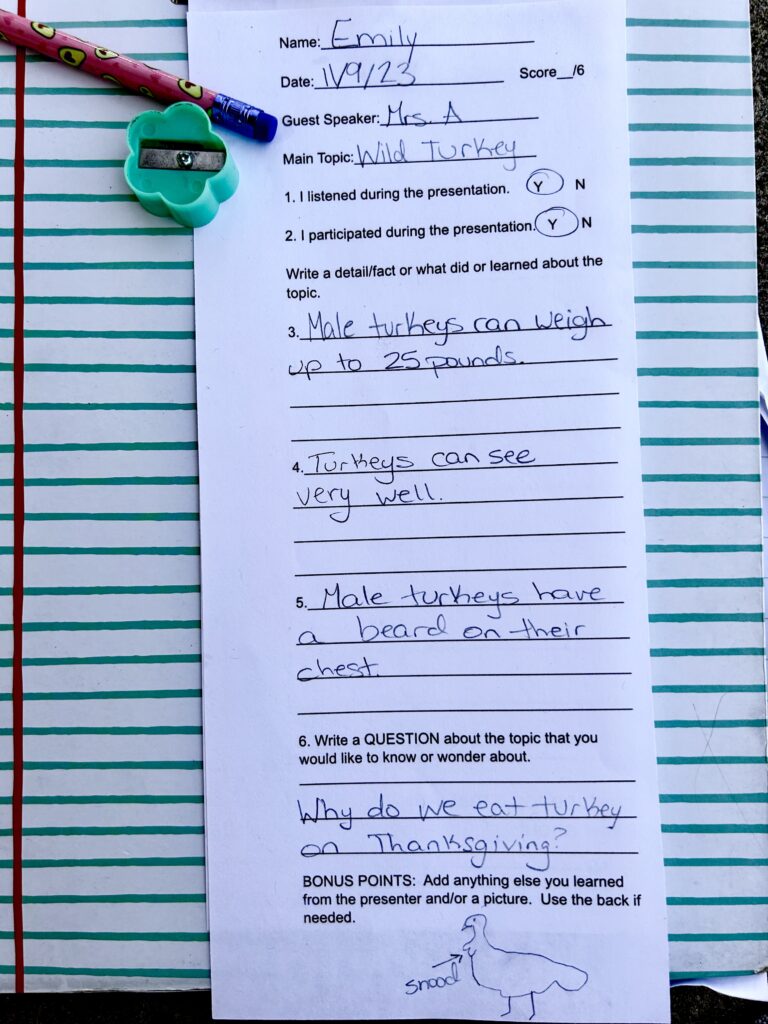
These are designed for rapid assessment. The "3-2-1 List" is a classic example: students write down three things they learned, two things they found interesting, and one question they still have. Another popular method is "Two Facts and a Fib," where students write two true statements about the lesson and one false one, trading with a partner to identify the error. This encourages peer-to-peer interaction and critical thinking.
Ratings and Emotional Checks
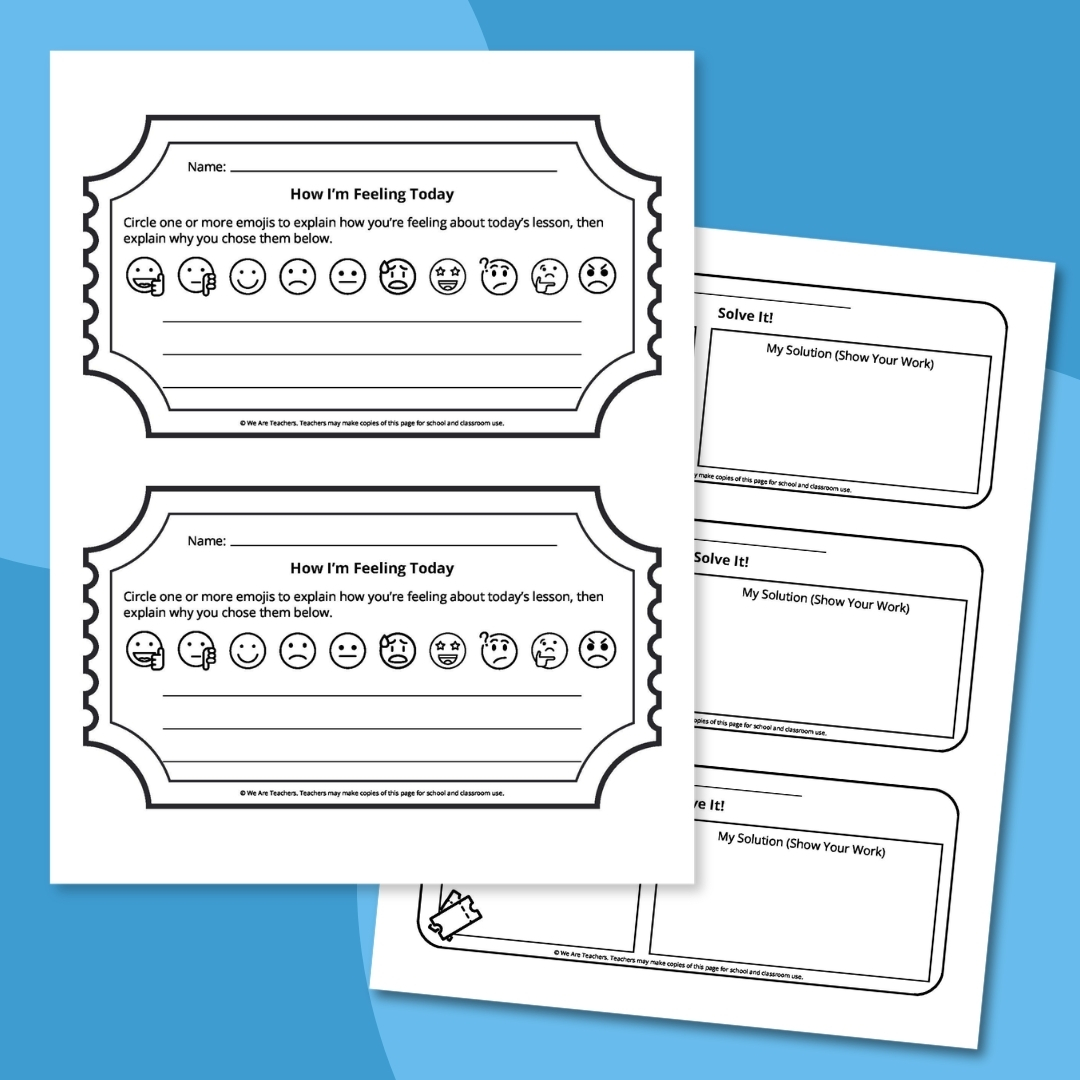
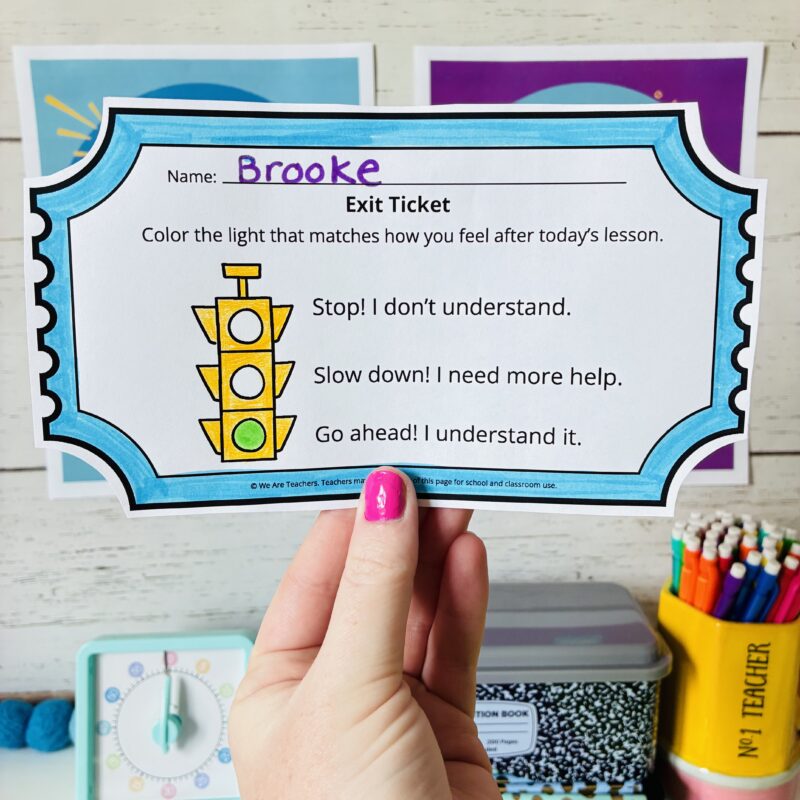
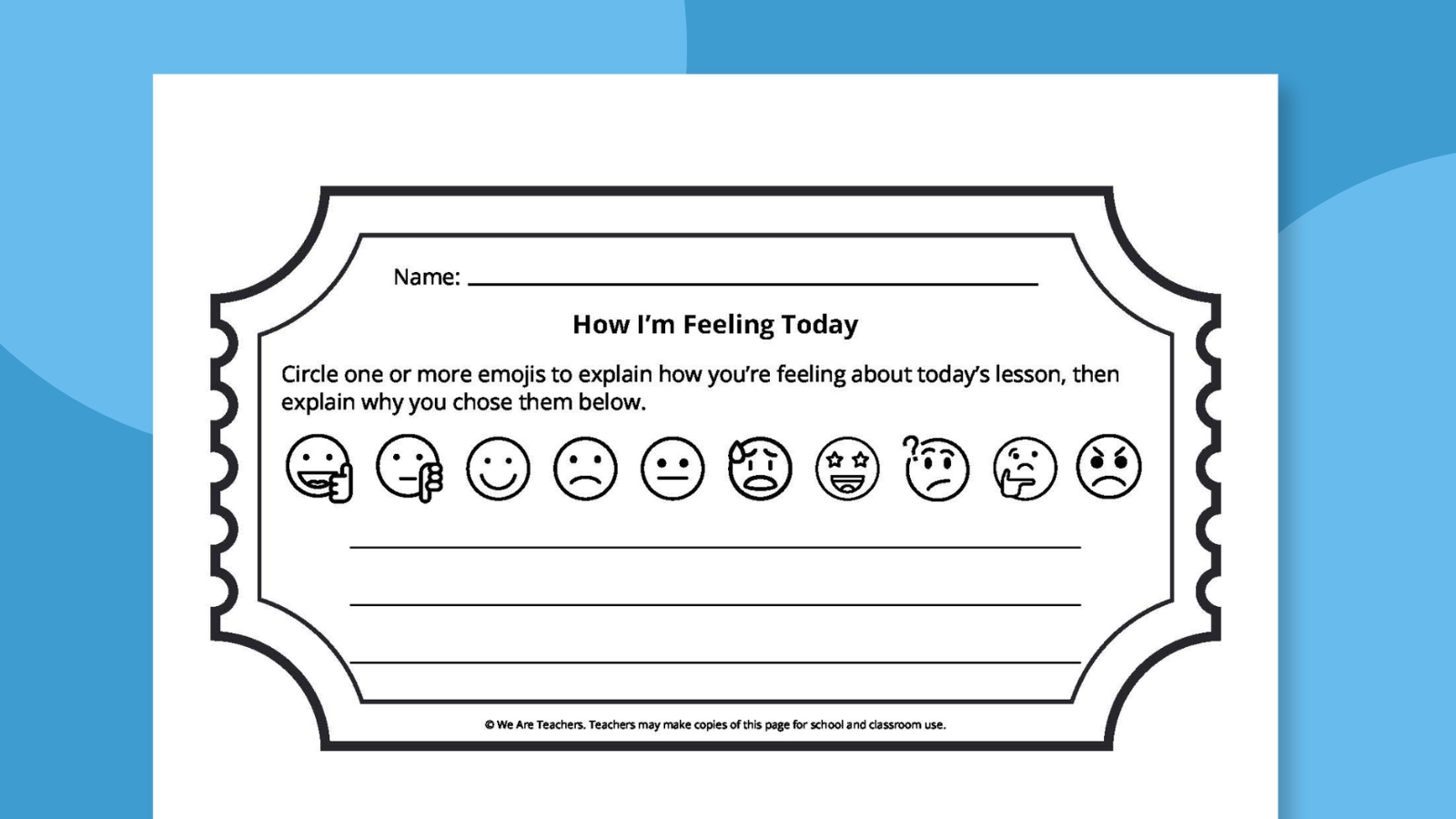
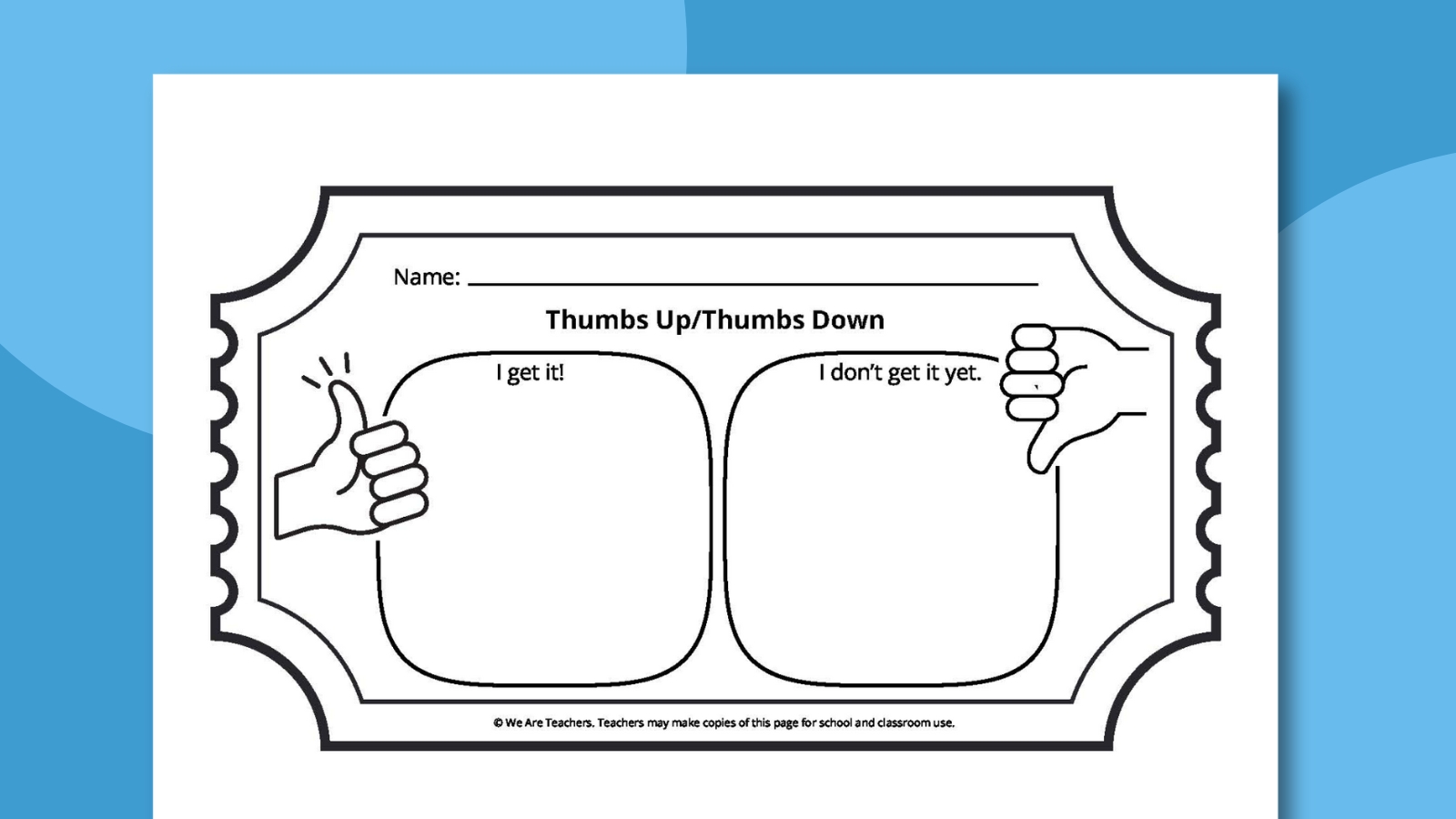
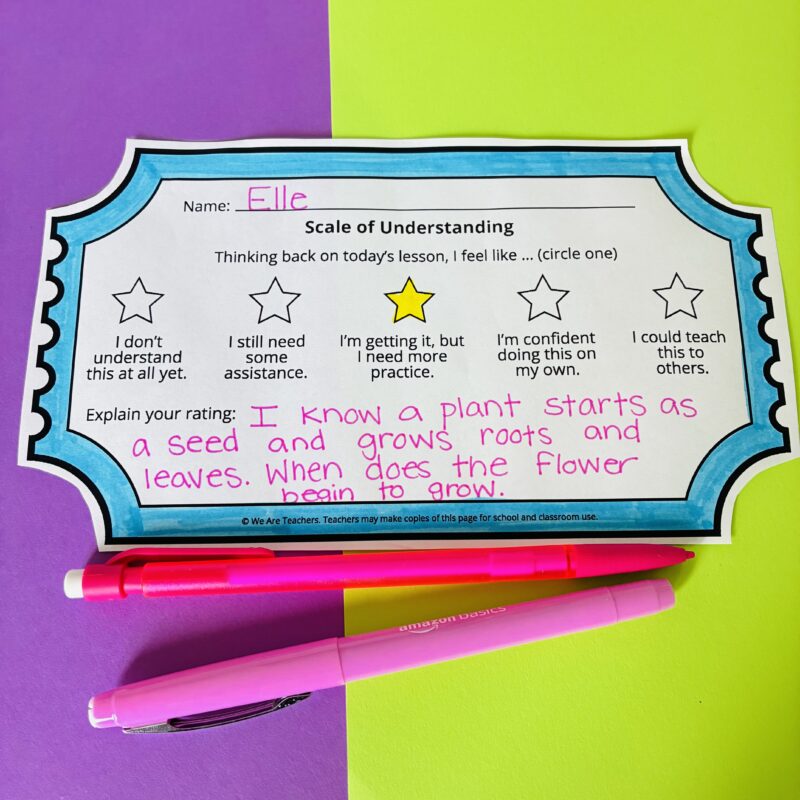
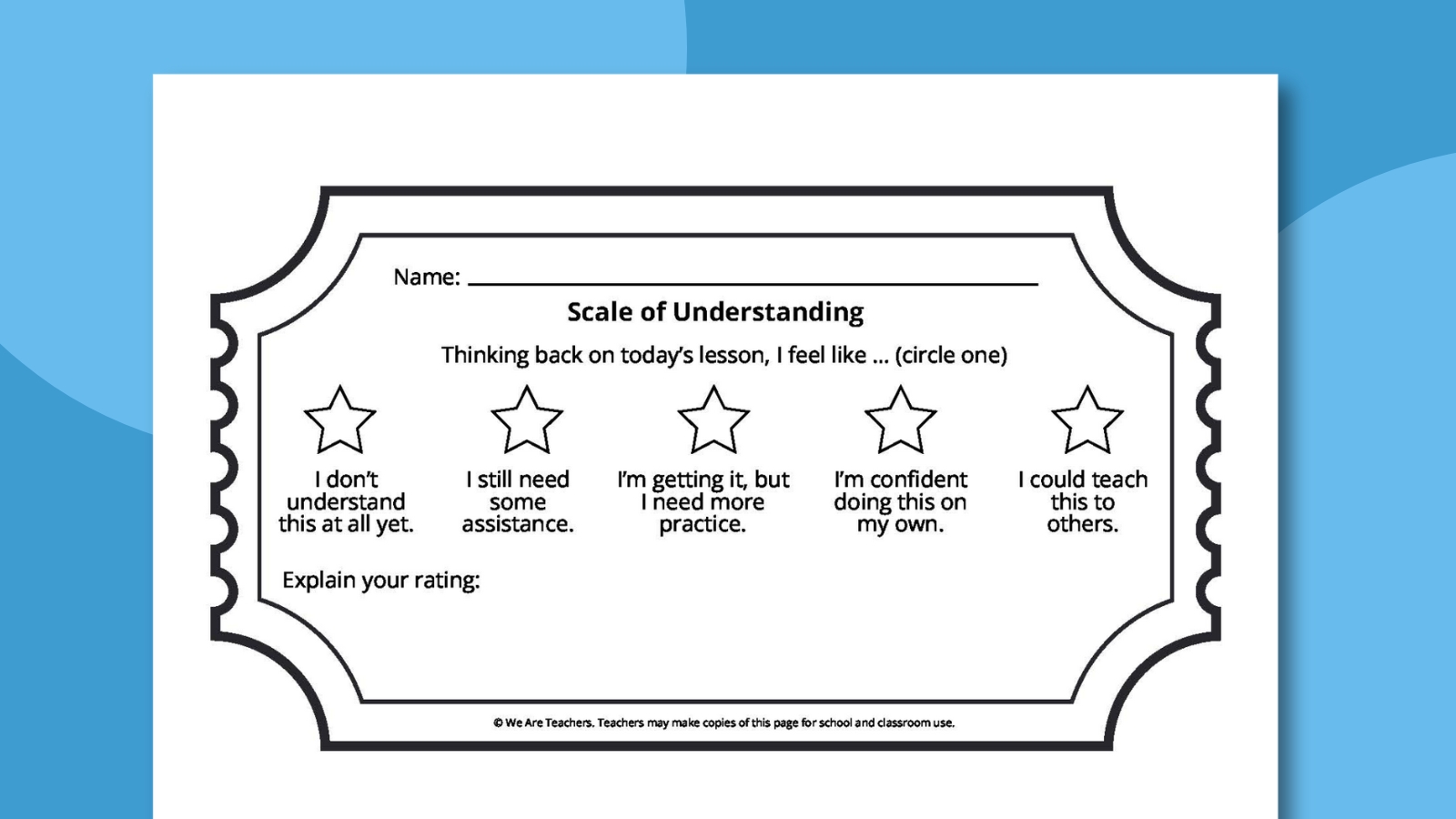
For younger students or those with limited writing proficiency, visual ratings are highly effective. A "Traffic Light" system—where students color in red for "lost," yellow for "almost there," and green for "got it"—provides an instant visual heat map of class comprehension. Similarly, emoji-based tickets allow students to express their confidence levels or emotional state regarding the material, which can be crucial for social-emotional learning (SEL).
Reflection and Metacognition
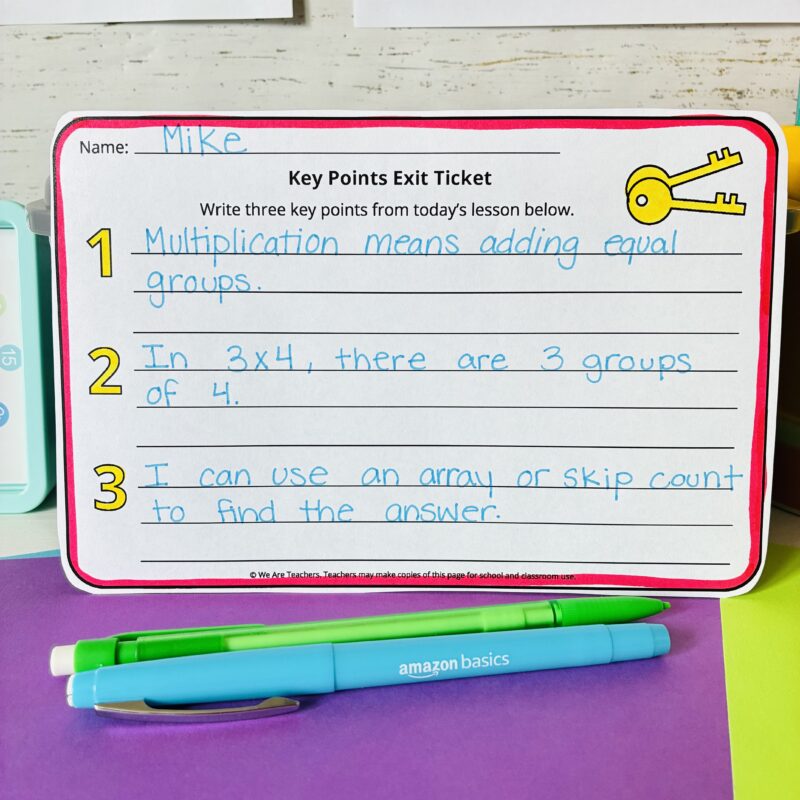
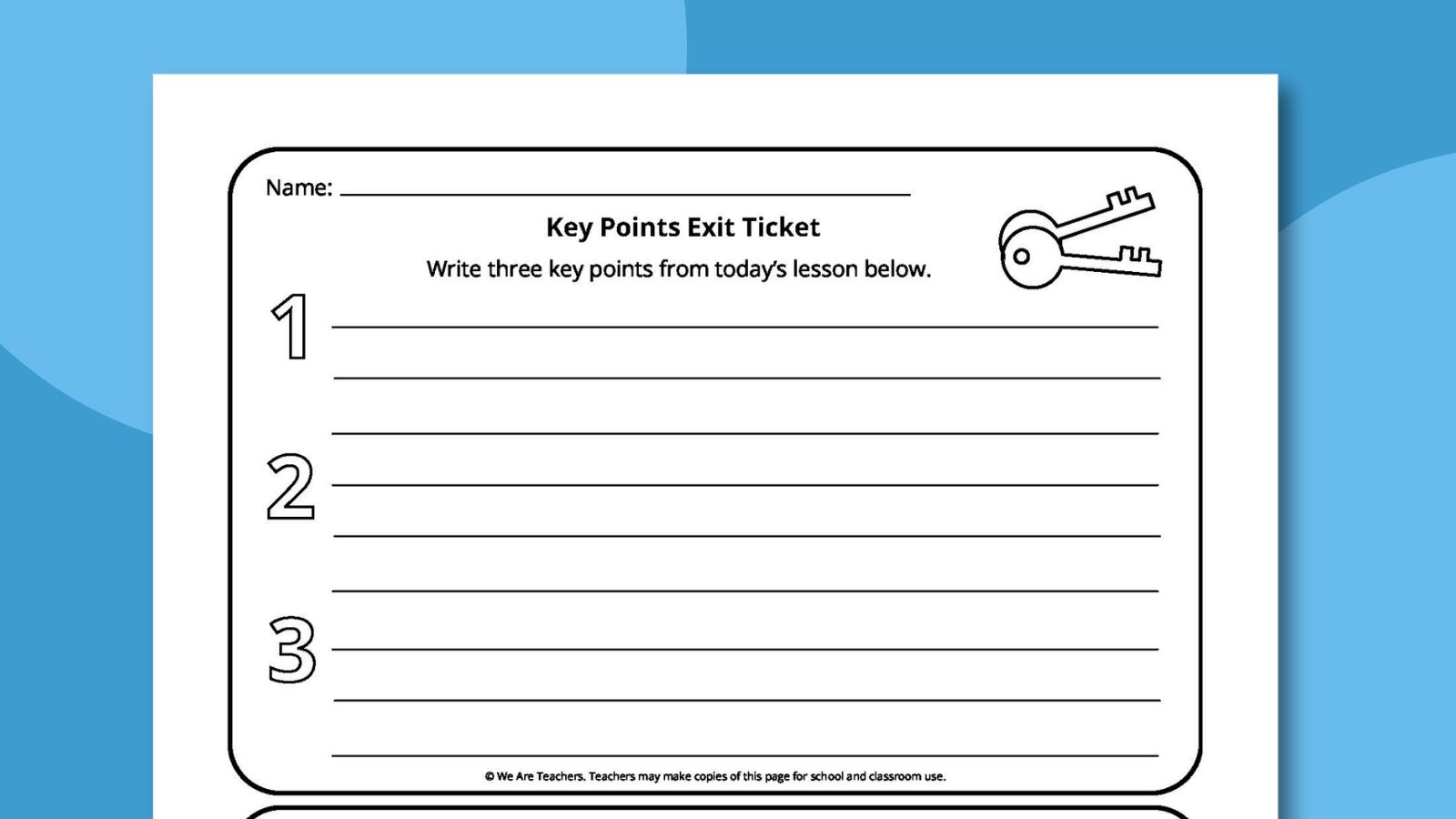
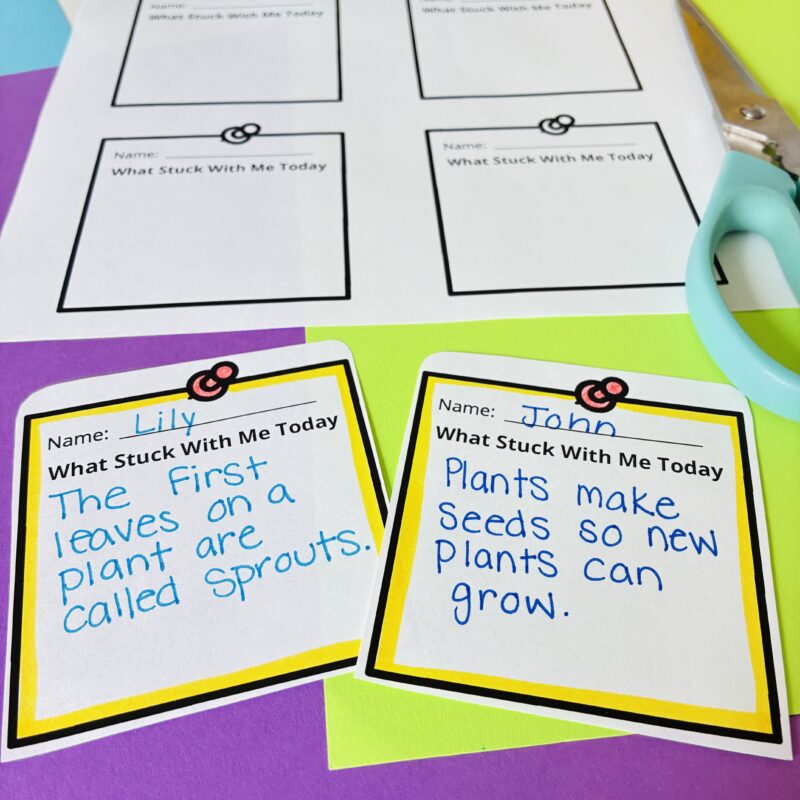
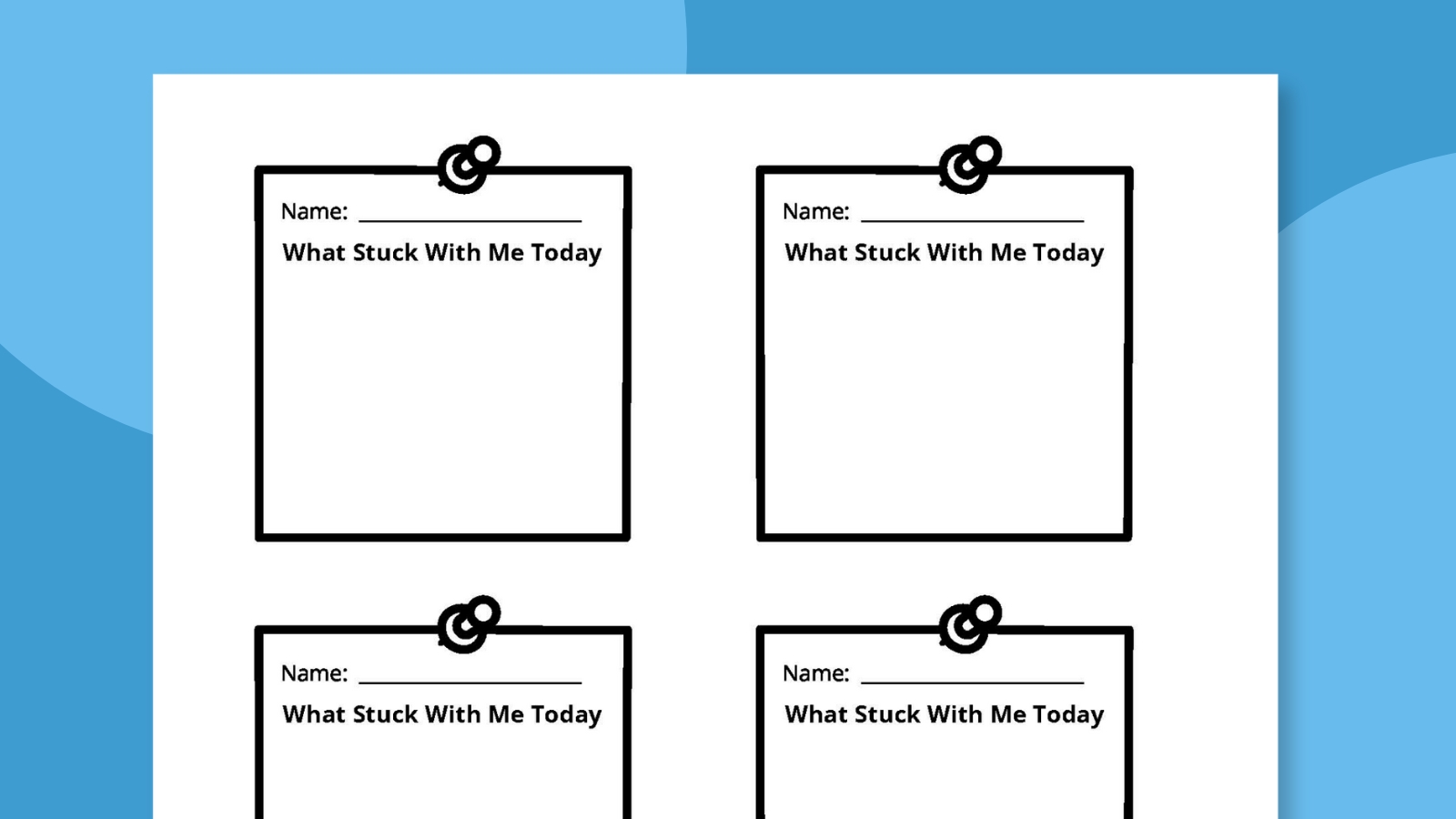
These tickets ask students to synthesize information. A one-sentence summary of the day’s lesson requires students to distill complex ideas into their most essential elements. Some teachers also use "Student Tips," where students write down one piece of advice for a peer who might be struggling with the topic. This "teaching to learn" approach reinforces the student’s own mastery.
Creative and Visual Responses
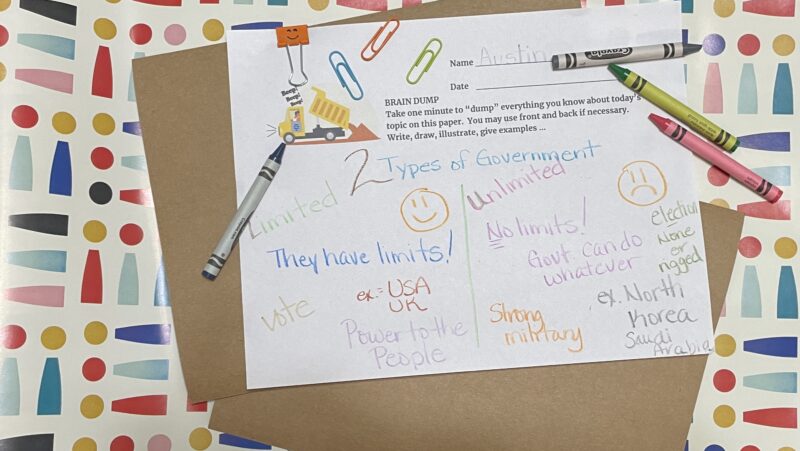
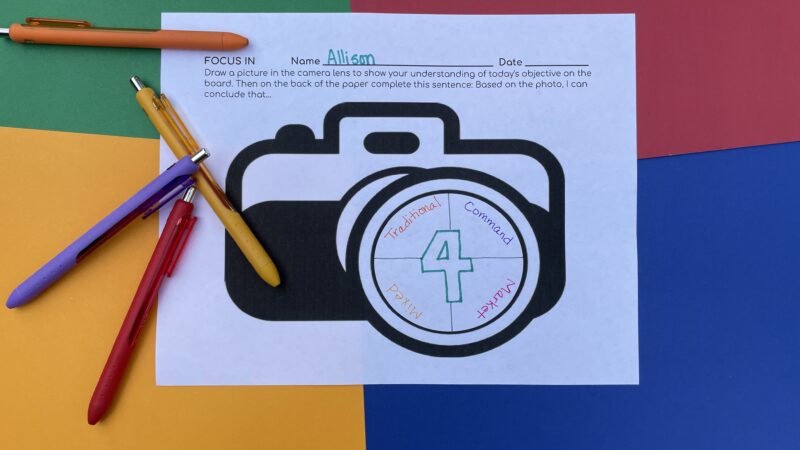
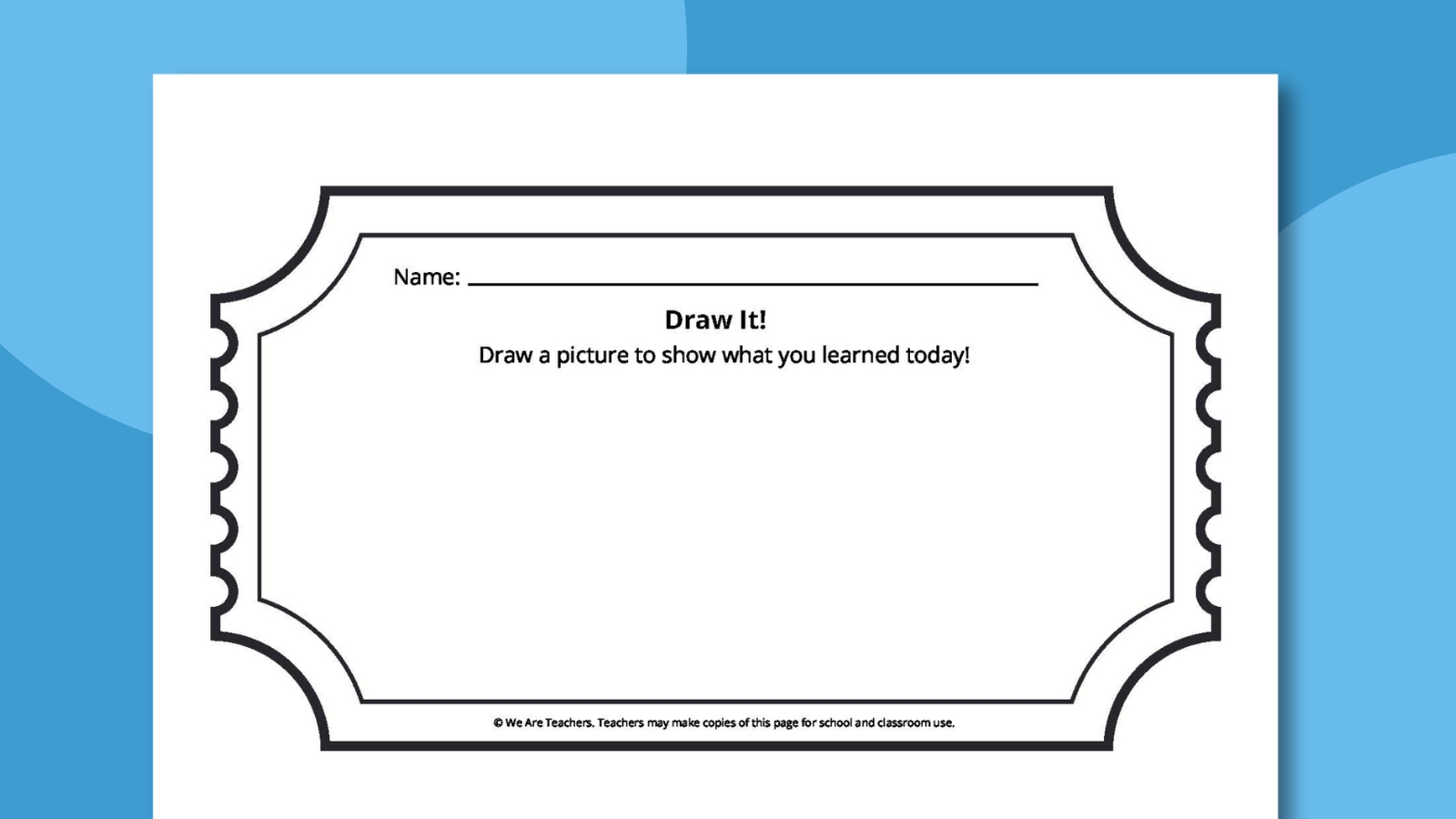
In subjects like art or science, drawing a response can be more revealing than writing one. LeMay-Nelssen uses "Inktober" prompts or five-minute sketches to gauge student engagement. "Draw It!" tickets allow students to illustrate a concept, such as the water cycle or a scene from a novel, providing a different cognitive path to demonstrating understanding.
The Digital Transformation of Feedback
As classrooms increasingly integrate technology, the exit ticket has moved beyond the 3×5 index card. Digital platforms like Google Forms, Padlet, and Flip (formerly Flipgrid) have revolutionized how this data is collected and analyzed.
Google Forms, for instance, can automatically aggregate data into spreadsheets and charts, allowing a teacher to see class-wide trends in seconds. Padlet acts as a virtual bulletin board where students can see each other’s responses in real-time, fostering a sense of community in remote or hybrid learning environments. Video-based responses via Flip allow students to speak their answers, which can be particularly beneficial for English Language Learners (ELL) or students with dysgraphia.

Case Study: The Weekly Routine of Sheena LeMay-Nelssen
The implementation of exit tickets is often most successful when integrated into a predictable weekly cycle. Art teacher Sheena LeMay-Nelssen provides a model for this consistency.
- Observation Mondays: She purposely moves items around the classroom before students arrive. The exit ticket requires students to identify what has changed, sharpening their observational skills.
- Concept Wednesdays: After introducing new artists or techniques, students write one surprising fact they learned, encouraging critical engagement with the content.
- Reflection Fridays: The week concludes with a self-reflection where students list one thing they liked and one thing they disliked about the week’s lessons. This feedback loop allows LeMay-Nelssen to adjust the following week’s curriculum to better suit student interests and needs.
Broader Impact and Educational Implications
The systematic use of exit tickets has implications that extend beyond the individual classroom. On a systemic level, these tools promote educational equity. By providing a structured way for every student to be heard, exit tickets ensure that the teacher’s attention is distributed based on actual need rather than who is the loudest or most confident in class.

Furthermore, the data collected from exit tickets can reduce teacher burnout. When teachers have a clear understanding of what their students know, they can plan more efficiently, reducing the time spent on unnecessary review or grading large-scale assessments that reveal problems too late to fix.
In conclusion, the exit ticket is far more than a simple end-of-class ritual; it is a sophisticated instrument of formative assessment. By bridging the gap between instruction and understanding, these brief responses empower teachers to be more responsive and students to be more reflective. As educational institutions continue to seek ways to personalize learning and improve outcomes, the exit ticket remains an essential, evidence-based strategy for the modern educator. Through the careful balance of data collection, communication, and metacognitive growth, exit tickets turn every lesson into a collaborative journey toward mastery.

