
American higher education institutions are facing an unprecedented wave of ideological polarization, pitting conservative student groups against university administrations and progressive activist networks. Recent developments spanning from Colorado and Utah to California and New York highlight a volatile campus climate where political expression, administrative oversight, and student safety frequently collide.
From stagnant membership drives fueled by fears of institutional retaliation to high-profile investigations into viral social media posts, free speech on college campuses has emerged as a central battleground in American culture. As universities grapple with how to regulate political discourse without infringing upon First Amendment protections or institutional values, the nationwide fallout underscores deep-seated divisions over the boundaries of acceptable speech.
The Chilling Effect: Conservative Organizing at Fort Lewis College
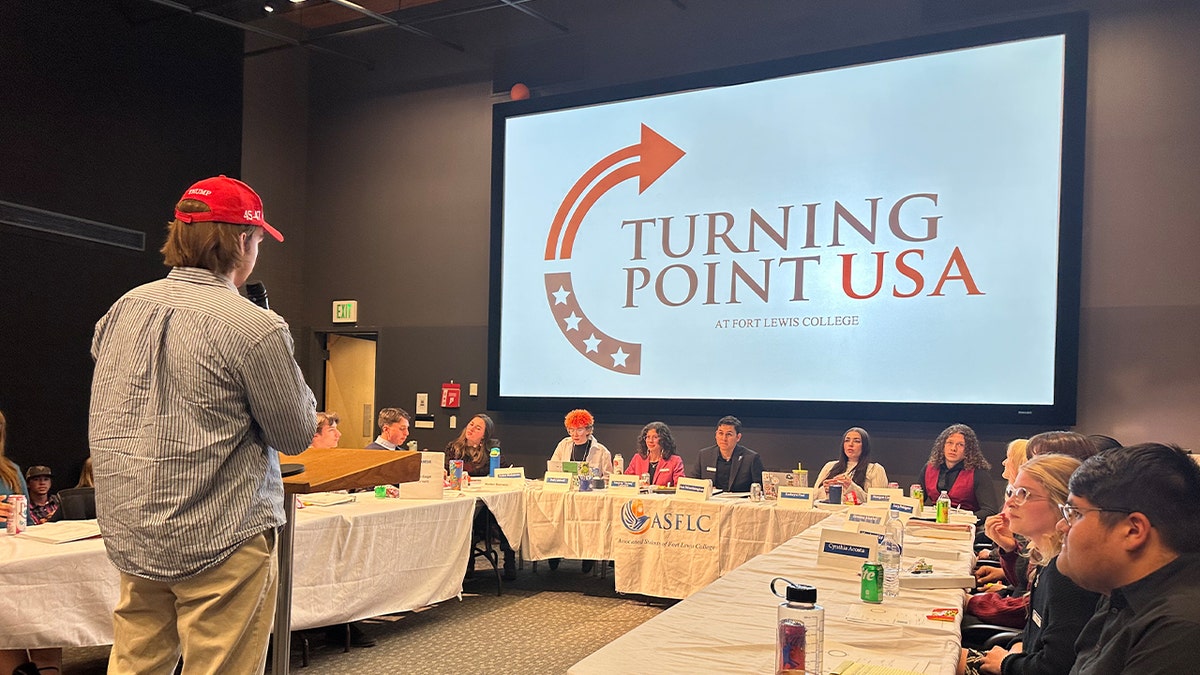
At Fort Lewis College in Durango, Colorado, the local chapter of Turning Point USA (TPUSA) has experienced a significant plateau in student enrollment and active participation. According to campus reports, prospective members have increasingly expressed apprehension over joining the conservative organization, citing fears of targeted harassment, academic retaliation, and social ostracization.
The climate of hesitation traces back to intense campus friction sparked by then-senior Jonah Flynn. During a high-profile campus presentation, Flynn outlined the organization’s political objectives and proposed the establishment of a localized watchlist tracking university professors whose classroom rhetoric or political leanings crossed into perceived ideological bias. The proposal mirrored the national TPUSA watchlist initiative, which has long drawn sharp criticism from academic associations and faculty senates nationwide.
Critics at Fort Lewis College vocally condemned the initiative, arguing that a professor-tracking mechanism creates a hostile educational environment and serves as an instrument for intimidation. Conversely, conservative student advocates maintained that the proposed watchlist was a valid exercise of transparency and accountability in higher education. The resulting public fallout created a persistent chilling effect, leaving conservative students on campus reluctant to openly affiliate with right-of-center advocacy groups out of concern for their academic standing and personal safety.
The University of Utah Cake Controversy and Dismissed Doxxing Probes
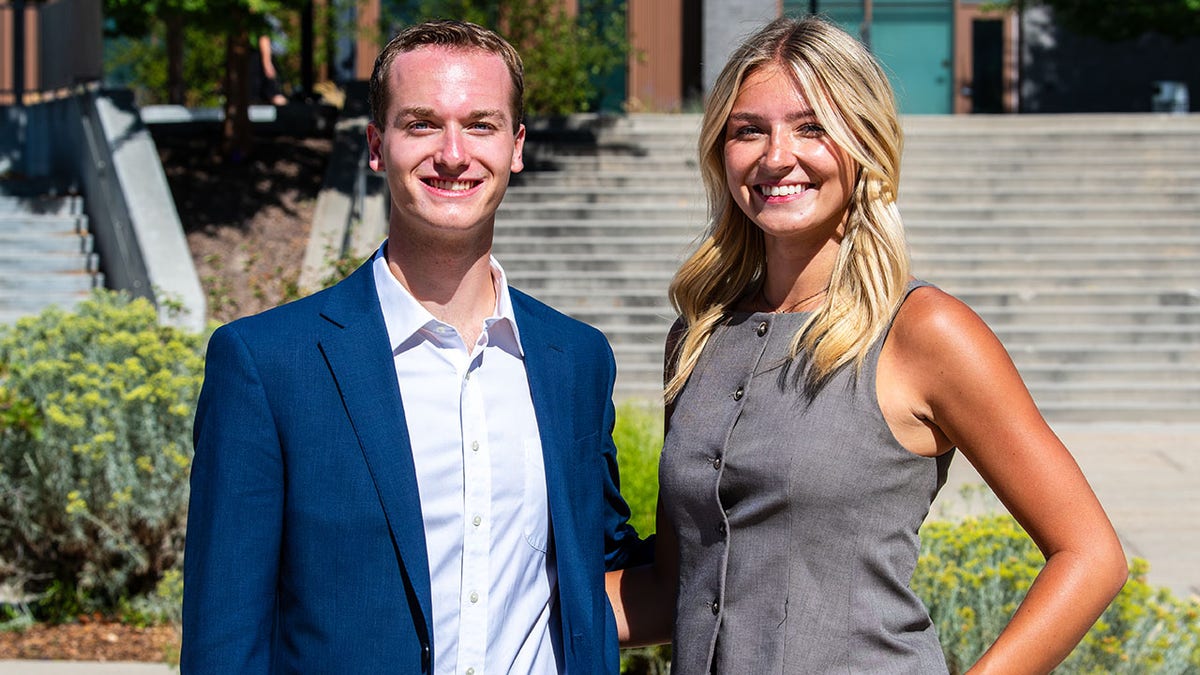
While Colorado chapters navigate reputational hurdles, the University of Utah recently became the epicenter of a major disciplinary dispute involving campus conservatives. The university’s Dean of Students officially dismissed student misconduct and doxxing investigations targeting Riley Beesley, chairman of the University of Utah College Republicans, and Vice President Rylie Barnes.
The investigation stemmed from a viral social media post and campus demonstration surrounding a "Happy Kirkiversary" cake, organized to mark the one-year anniversary of the death of conservative activist Charlie Kirk. The digital flyer and subsequent online commentary drew immediate national attention, with political opponents accusing the campus Republican leadership of harassment and doxxing.
University officials initially launched a comprehensive probe into the incident following complaints from student bodies and external activist networks. However, after a thorough review of the digital footprint and event logistics, the administration dropped the inquiry, concluding that the allegations lacked sufficient evidence to substantiate claims of malicious doxxing or code-of-conduct violations.
Beesley and Barnes defended their actions as protected political speech, criticizing the administration for initiating an investigation under pressure from online mobs. Civil liberties organizations frequently monitoring higher education pointed to the Utah case as indicative of a broader trend: university administrations launching preemptive investigations to appease vocal student factions, only to drop them once the legal and reputational risks of suppressing speech become apparent.
California Demonstrations and Escalating Campus Incidents
The ideological divide extends far beyond administrative hearing rooms, frequently manifesting in disruptive public demonstrations. At a prominent California college, a viral video recently captured students cheering enthusiastically as a piñata shaped to resemble President Donald Trump was struck repeatedly during a quad gathering.
The incident drew swift condemnation from conservative commentators and campus groups, who argued that the display crossed the line from political satire to incitement of political violence. Supporters of the demonstration, however, defended the activity as a protected form of expressive political dissent, pointing to a long history of satirical effigies used against political figures from both major parties throughout American history.
The episode highlights the escalating normalization of aggressive political symbolism in academic settings, where public displays intended to provoke emotional reactions routinely bypass traditional channels of debate in favor of viral spectacles.
Legal Battles: Mahmoud Khalil and Columbia University
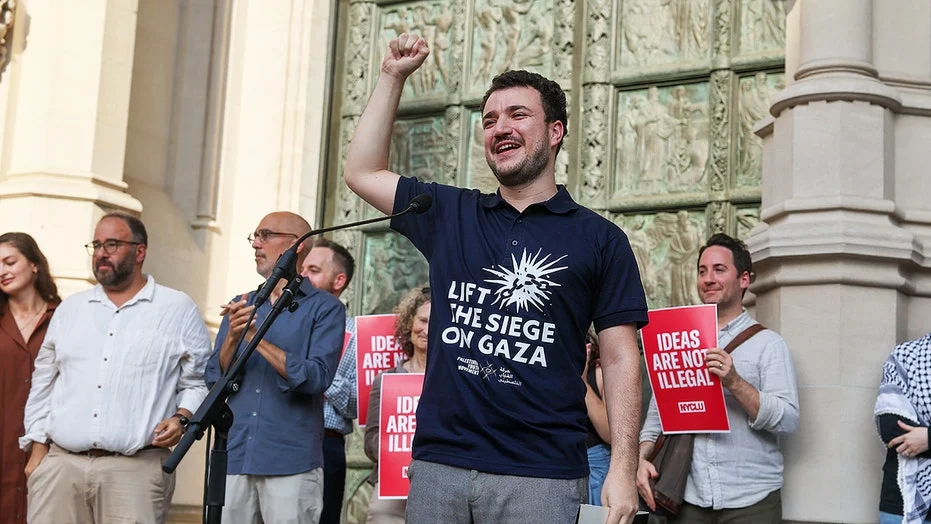
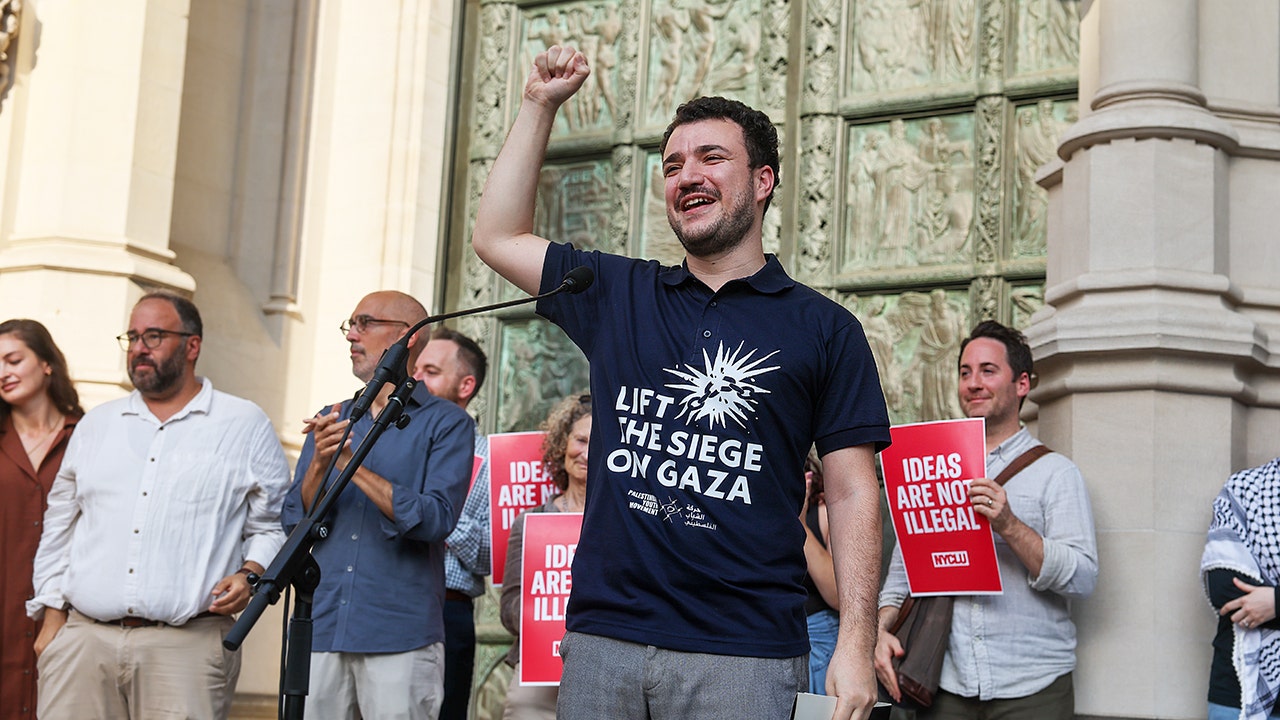
The friction between student activists and university leadership has also spilled over into the federal court system. In New York, prominent anti-Israel activist Mahmoud Khalil filed a formal lawsuit against Columbia University, citing what legal filings describe as "deliberate indifference" toward Palestinian students and their supporters.
Khalil, a central figure in the extensive anti-war and pro-Palestinian demonstrations that paralyzed Columbia’s campus throughout the 2024–2025 academic year, alleges that the university administration failed to adequately protect student activists from harassment, administrative overreach, and external pressure. The lawsuit challenges Columbia’s disciplinary measures, campus access restrictions, and handling of security during high-tension vigils and encampments.
The legal action marks a significant escalation in how campus conflicts are resolved, shifting disputes from internal grievance committees and campus police departments to civil courts. Legal analysts note that the outcome of Khalil’s lawsuit could establish critical legal precedents regarding a university’s contractual and constitutional duty of care toward student activists engaged in contentious geopolitical protests.
Texas Showdowns and Bipartisan Backlash
Adding to the complex mosaic of campus unrest, a recent university speaking event in Texas featuring progressive commentator and streamer Hasan Piker drew intense backlash from both sides of the political aisle.
While conservative student organizations and external groups condemned the university for hosting a polarizing figure known for fierce rhetoric, some progressive and moderate factions also voiced concerns over the event’s framing and the administrative allocation of campus security resources. The Texas controversy underscored a recurring dilemma for modern university leadership: balancing open-forum policies that invite diverse ideological voices against the immense financial and logistical burdens of maintaining campus security in an era of heightened hostility.
Broader Implications for Higher Education
The convergence of stagnant conservative enrollment in Colorado, dismissed misconduct probes in Utah, symbolic protests in California, federal litigation in New York, and polarized speaking engagements in Texas points to a systemic crisis within American academia.
Education policy experts warn that these recurring flashpoints pose long-term threats to the core mission of universities as centers for free inquiry and open debate. When conservative students fear retaliation for organizing, progressive activists feel unsupported or targeted by administrative overreach, and university leaders default to crisis management, the foundational trust necessary for academic discourse erodes.
As institutions prepare for upcoming academic terms, governing boards, faculty senates, and student leadership councils face mounting pressure to clarify speech codes, protect non-violent political expression, and establish transparent frameworks that insulate academic environments from external ideological warfare. Until a sustainable equilibrium is achieved, American college campuses will likely remain the primary frontlines in the nation’s broader cultural and political battles.

