
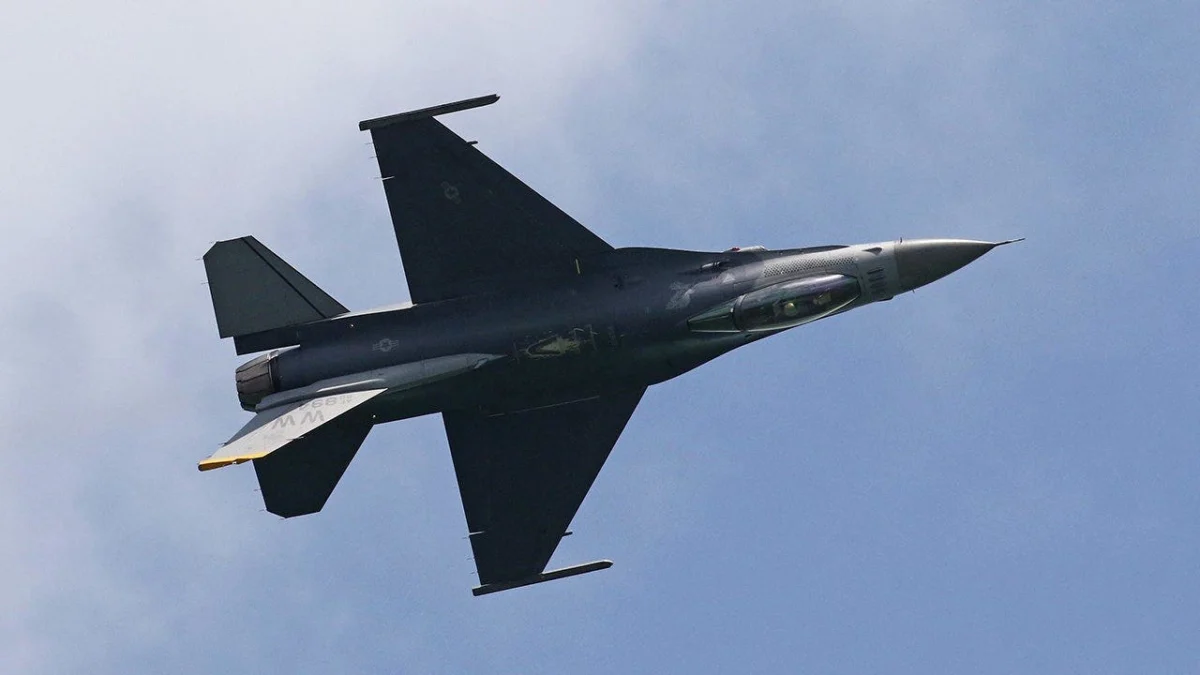
A North American Aerospace Defense Command (NORAD) F-16 fighter jet successfully intercepted a general aviation aircraft on Saturday morning after the plane breached restricted airspace surrounding Camp David, the presidential retreat located in the Catoctin Mountain Park near Thurmont, Maryland. President Donald Trump, who arrived at the facility on Friday evening for a weekend stay, was the subject of the protective mission, which underscored the heightened security protocols enforced whenever a sitting president occupies the retreat.
According to officials from the Defense Visual Information Distribution Service (DVIDS), the intercept was conducted as a standard precautionary measure to ensure the integrity of the presidential airspace. During the operation, the F-16 pilot utilized standard non-verbal communication procedures, including the deployment of flares, to capture the attention of the civilian pilot. Following this signal, the aircraft was safely escorted out of the restricted zone, and no further incidents were reported.
A Chronology of the Airspace Breach
The incident began Saturday morning when radar systems monitored by the Continental NORAD Region identified an aircraft operating within the Temporary Flight Restriction (TFR) area. These restrictions are automatically triggered and tightened when the President of the United States is present at Camp David.
Following the initial detection, the alert fighter jet was scrambled from a nearby military installation to intercept the target. The intercept occurred at a distance from the facility deemed sufficient to mitigate any potential security risks. The civilian pilot, whose identity and flight plan remain under investigation by the Federal Aviation Administration (FAA), complied with the directions of the military interceptor and was redirected away from the sensitive area without further conflict.
This event marks the second time in recent months that a civilian aircraft has breached this specific restricted zone; a similar incident occurred in June, which also resulted in a safe escort of the violating pilot out of the restricted airspace.
The Mechanics of Presidential Airspace Security
The security of the President of the United States, whether at the White House, on Air Force One, or at the secluded Maryland retreat of Camp David, involves a complex, multi-layered defensive strategy. Airspace security is perhaps the most visible and rapid-response component of this protection.
When a president is in residence at Camp David, the Federal Aviation Administration issues a series of Notices to Air Missions (NOTAMs). These notices establish specific restricted flight zones, often categorized as P-40 (prohibited) or TFR (temporary flight restriction) areas. Under these regulations, general aviation, commercial, and private flights are prohibited from entering a radius that can extend several miles around the site.
NORAD, a joint United States and Canada organization, maintains 24/7 surveillance of North American airspace. Their mission is to identify, track, and intercept any aircraft that fails to follow established flight paths or enters restricted zones without authorization. The use of flares, as seen in Saturday’s incident, is a standard "visual signaling" technique. Because civilian aircraft are not always monitoring the international emergency frequencies (121.5 or 243.0 MHz), military pilots are trained to fly in front of the aircraft, sometimes dipping their wings or deploying flares to gain the pilot’s attention.
Official Responses and Pilot Obligations
In the aftermath of the interception, the First Air Force—the component of the U.S. Air Force responsible for the continental United States—issued a public reminder via social media channels. The command emphasized the necessity of situational awareness for all pilots, stating, "Make sure to check NOTAMs before takeoff to ensure you have current information about TFRs in your area. Stay Safe, Fly Informed!"
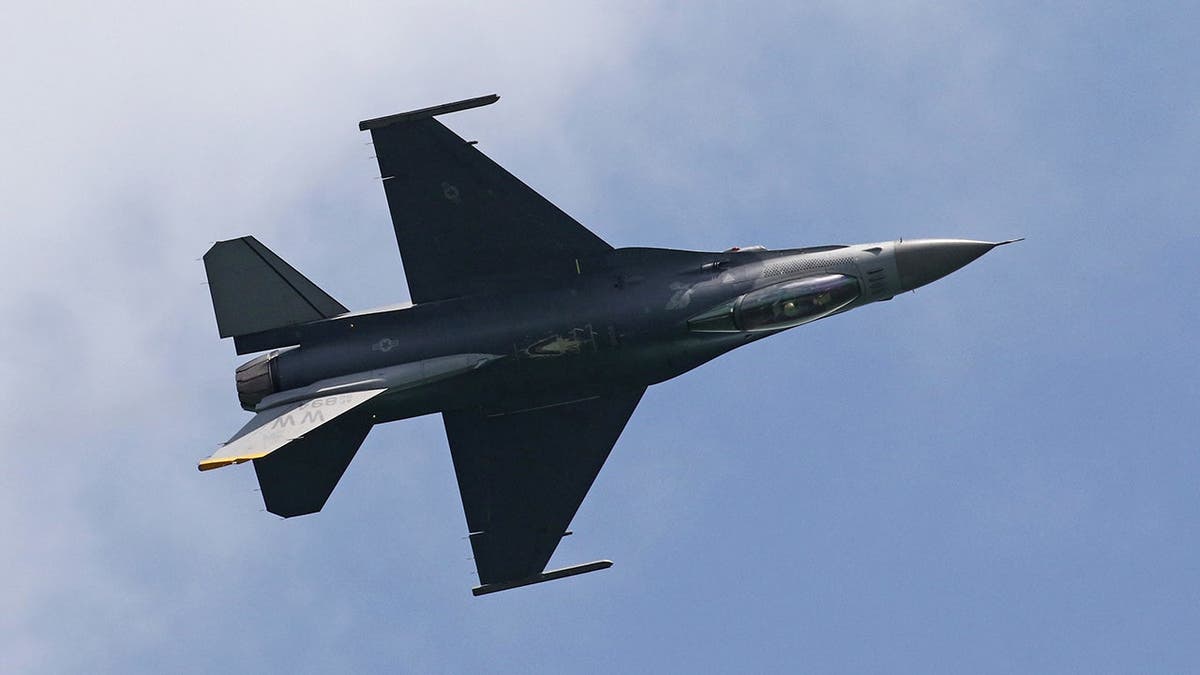
Aviation experts note that such incursions are often the result of pilot error, lack of flight planning, or failure to check updated aviation charts rather than malicious intent. However, the military treats every breach as a potential threat until the nature of the aircraft and the intentions of the pilot are fully verified.
The standard protocol for a pilot who accidentally wanders into restricted airspace is to immediately tune their radio to the emergency frequencies and establish contact with air traffic control or the intercepting military aircraft. Turning away from the restricted area is the primary requirement for de-escalating the situation.
Statistical Context of Airspace Violations
The North American Aerospace Defense Command manages thousands of flights daily. While the vast majority of civilian flights adhere to strict air traffic control guidelines, airspace incursions occur with relative frequency across the United States. According to data provided by the FAA and military sources, there are hundreds of intercept missions conducted by NORAD each year.
These intercepts are categorized by the nature of the threat. The majority of these incidents are classified as "inadvertent incursions," where pilots fail to account for moving TFRs—which are often centered on the President’s location or major sporting events. In these cases, the primary goal of the military is education and deterrence. However, the resources required to launch a fighter jet, which include the cost of fuel, maintenance, and the pilot’s flight hours, are significant.
Furthermore, the operational strain on the pilots and the personnel managing the radar systems is substantial. Security analysts point out that while these incidents often end safely, they present a persistent challenge to the Secret Service and the Department of Defense, who must determine within seconds whether an incoming aircraft is a student pilot who forgot to check a chart or a more significant security threat.
Broader Implications for National Security
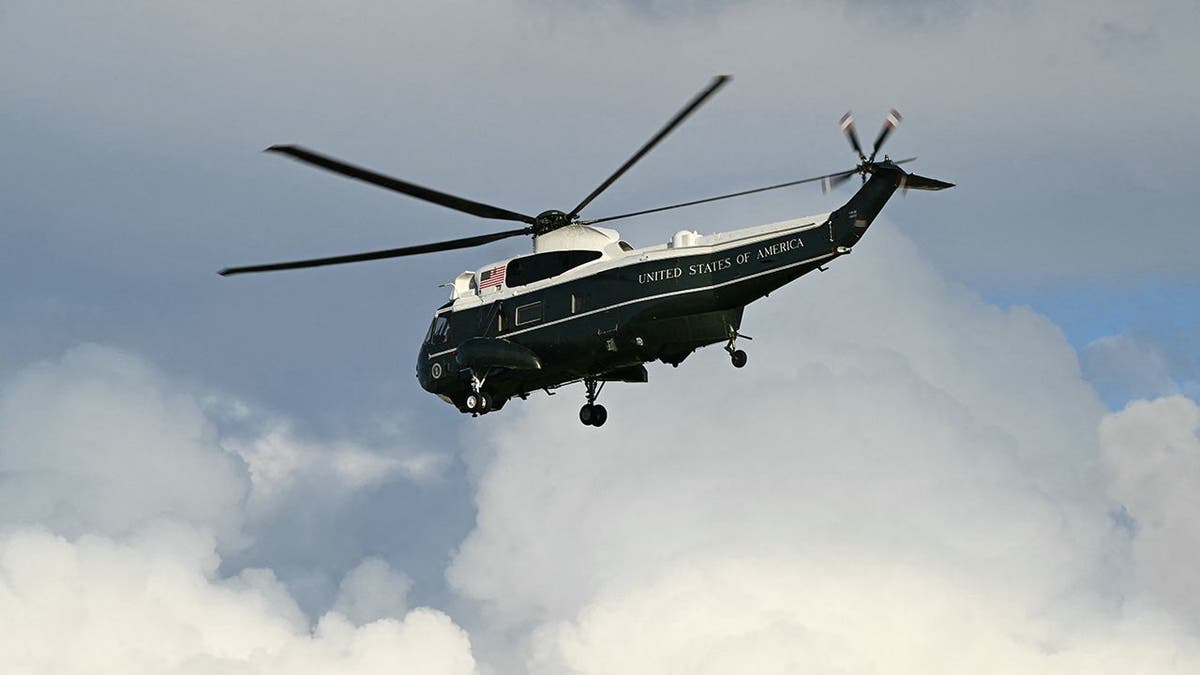
The incident on Saturday highlights the ongoing tension between the freedom of the skies for private pilots and the absolute necessity of presidential protection. As the administration continues its operations at Camp David, the scrutiny on flight patterns in the Maryland and Pennsylvania regions remains high.
There have been ongoing discussions within the FAA and the Department of Homeland Security regarding whether current restrictions are sufficient. Some experts argue that as drone technology advances, the definition of an "aircraft" and the risks associated with unauthorized flight will continue to evolve, necessitating more advanced tracking and faster response times.
The incident also serves as a critical case study in public safety. An intercepting jet traveling at high speeds in close proximity to a slower, smaller general aviation aircraft is a high-stakes maneuver. The fact that these interceptions continue to result in safe outcomes is a testament to the rigorous training provided to NORAD pilots, who must balance the need for aggressive posture with the safety of civilian air traffic.
Conclusion and Future Outlook
As the investigation into Saturday’s breach concludes, the FAA will likely review the flight logs and speak with the pilot involved. If the violation is determined to be the result of negligence or a failure to review standard NOTAMs, the pilot could face administrative penalties, including the suspension of their pilot’s license or significant fines.
For the public, the sight of an F-16 maneuvering over the Maryland countryside is a stark reminder of the security architecture that surrounds the President. While such incidents cause brief periods of alarm, they are part of a highly coordinated system designed to prevent any breach of safety. The success of the mission on Saturday, resulting in the peaceful diversion of the aircraft, confirms that the current protocols for safeguarding the presidential retreat remain effective, even as the frequency of such incursions continues to serve as a reminder of the need for constant vigilance by all aviators in the national airspace system.

