
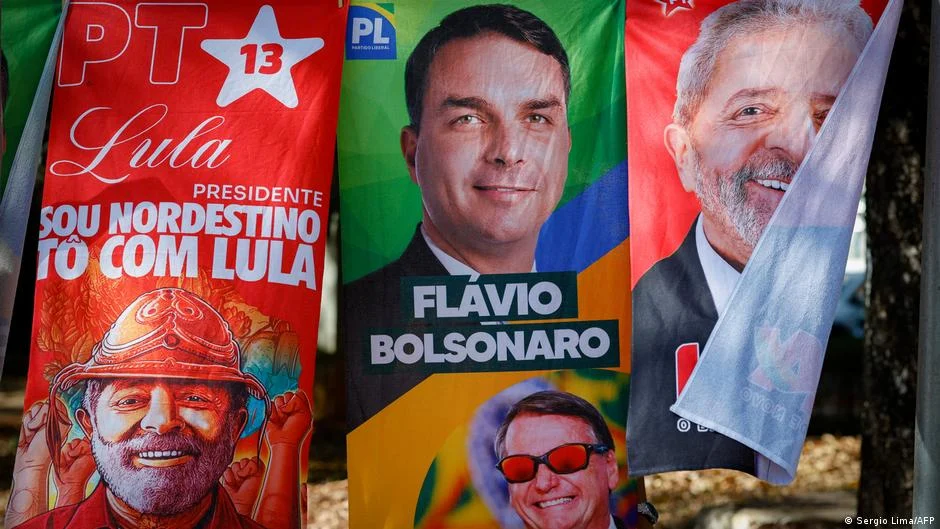
Standing before the United Nations General Assembly in New York this Tuesday, Brazilian President Luiz Inácio Lula da Silva delivered a sharp rebuke to the prevailing currents of Western interventionism. His declaration that “Brazil does not belong in anyone’s backyard” served as a direct, albeit remote, challenge to U.S. President Donald Trump. While Trump was absent from the chamber, his influence looms heavily over the upcoming October 4 presidential election, which has transformed into a referendum on Brazil’s alignment between a multipolar global strategy and a tighter, arguably subordinate, integration with Washington’s foreign policy goals.
A Tense Diplomatic Landscape
The friction between the current Brazilian administration and the White House is not merely rhetorical; it is rooted in a series of direct interventions in Brazilian domestic affairs. In July, the U.S. government imposed targeted sanctions against a Brazilian judge following the judicial sentencing of former President Jair Messias Bolsonaro, who received a 27-year prison term for orchestrating a failed coup d’état. The sanctions, which were only rescinded after high-level negotiations between Lula and the Trump administration, underscored the volatile nature of the current bilateral relationship.
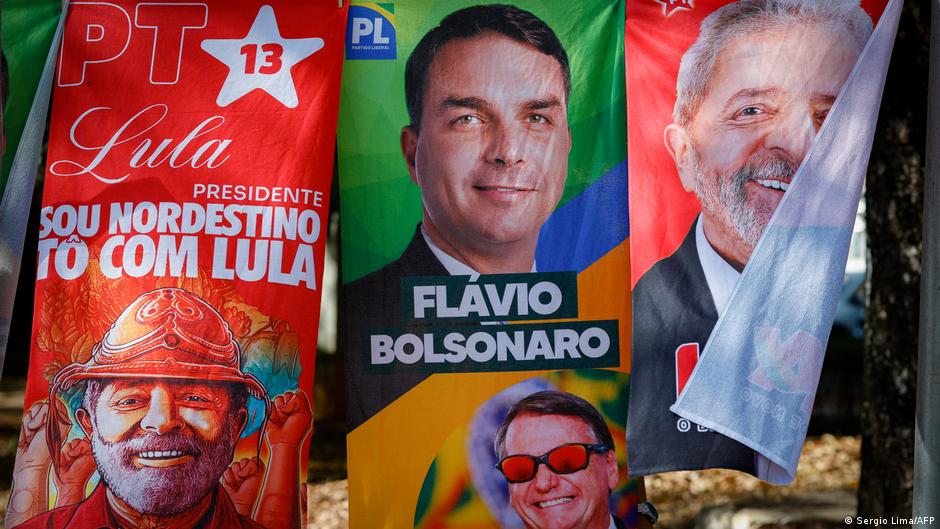
This interference has emboldened the far-right opposition. Flavio Bolsonaro, the eldest son of the former president, has emerged as the primary challenger to Lula’s mandate. Current polling data indicates a dead heat, suggesting a potential runoff that could decisively shift Brazil’s diplomatic orientation. As the world’s fifth-largest nation, Brazil’s internal political stability holds profound implications for global markets, particularly given its status as an agricultural powerhouse and a critical supplier of rare earth elements, crude oil, and water resources.
Historical Context and the Rise of the Right
To understand the current tension, one must look back at the shift in the Latin American political landscape. For years, Brazil has stood as one of the few remaining bastions of the left in a region that has seen a decisive tilt toward conservative, pro-Trump administrations in Argentina, Bolivia, Peru, Chile, and Ecuador. The transformation of Venezuela into a de facto U.S. protectorate earlier this year further exacerbated the divide, isolating Brazil’s multilateralist approach.
The U.S. strategy, broadly described as the "Shield of the Americas" initiative, seeks to cement economic and military dominance across the hemisphere under the guise of combating organized crime and cartels. This initiative has been coupled with aggressive economic pressure campaigns against Mexico and Cuba, signaling a broader intent to curb the influence of rival powers, specifically China, which has become Brazil’s most significant trading partner.
Chronology of Recent Bilateral Friction
- 2019–2023: Jair Bolsonaro’s administration aligns Brazil closely with U.S. interests, leading to the forfeiture of Brazil’s "developing country" status at the WTO in exchange for promises of OECD membership and NATO "privileges"—neither of which materialized.
- Early 2024: Relations between the current Brazilian government and Washington sour as the U.S. protests the judicial proceedings against Jair Bolsonaro.
- July 2024: The U.S. imposes sanctions on the Brazilian judiciary; intense diplomatic back-channel communications between Lula and Trump ensue to avert a deeper crisis.
- September 2024: President Lula addresses the UN, explicitly rejecting the "backyard" doctrine, setting the stage for the October elections.
Economic Realities: The China Factor
The central paradox of the current election cycle is the disconnect between political rhetoric and economic reality. While Flavio Bolsonaro’s camp has campaigned on a platform of pivoting toward a conservative alliance with the United States, analysts suggest that the actual decoupling from China would be catastrophic for the Brazilian economy.
Brazil’s agricultural sector, the backbone of its export economy, is inextricably linked to Chinese demand. Leonardo Paz, a lead researcher at the Fundação Getúlio Vargas (FGV), notes that even the most ardent critics of Beijing in Latin America—such as Argentina’s Javier Milei—have been forced to moderate their stance once in office. “The economic reality of the Brazilian agricultural sector, which provides the bedrock of support for the Bolsonaro family in rural regions, makes a total pivot away from China virtually impossible,” Paz explains.

However, the threat to the BRICS alliance remains a critical point of contention. Flavio Bolsonaro has explicitly threatened to review Brazil’s membership in the bloc, characterizing it as a vehicle for anti-U.S. provocation. Experts, including former diplomat Rubens Ricupero, argue that such a move would be purely performative, aimed at satisfying a base of voters who prioritize ideological alignment over economic pragmatism.
Institutional Challenges and Global Standing
Despite its vast natural wealth, Brazil continues to face structural limitations in asserting itself as a primary global player. "Brazil lacks the military and financial capital to act as a global hegemon," says Paz. "Its power is soft—rooted in diplomacy, environmental leadership, and its role as a voice for the Global South."
Under Lula, this role has been revitalized. His appointment of Marina Silva as environment minister and his focus on global governance reform—specifically regarding climate policy and trade equity—have re-established Brazil’s prestige in international forums. In contrast, the previous administration’s environmental policies led to significant diplomatic isolation and the stagnation of the Mercosur-EU trade agreement. With that agreement finally signed earlier this year, the prospect of a new administration rolling back environmental protections is a major concern for the European Union and other international partners.
Implications of the October 4 Vote
The upcoming election is more than a contest between two domestic political figures; it is a crossroads for the nation’s international identity. A victory for Flavio Bolsonaro would likely signal an era of unpredictable, highly volatile relations with both the United States and the BRICS nations. Rubens Ricupero emphasizes that the lack of experience in the Bolsonaro camp, combined with a tendency to repeat the policies of the previous administration, could lead to a secondary period of isolationism for Brazil.

Conversely, a continuation of the Lula administration suggests a commitment to a "dialogue with all" policy. While this stance has occasionally caused friction with the Trump administration, it has provided Brazil with a stable, if complex, framework for navigating a multipolar world. As the election approaches, the international community remains attentive, recognizing that the outcome will dictate whether the largest nation in South America moves toward a more protectionist, ideologically driven foreign policy or remains committed to the principles of multilateralism that define the current administration’s tenure.
Ultimately, the rhetoric at the UN this week confirms that Brazil is no longer willing to be a passive recipient of external geopolitical mandates. Whether this defiance can be maintained through the upcoming election remains the most critical question in regional politics today.

