
The Indian Ministry of Finance has officially upwardly revised its economic growth projection for the current fiscal year, FY27, elevating the forecast to 7.3%. This adjustment, detailed in the Ministry’s comprehensive October economic review, marks a notable increase from the previous estimate of 7.1%. As the nation navigates a complex global landscape characterized by volatile commodity prices and geopolitical tensions, the government’s latest assessment underscores a narrative of resilience, buoyed by robust domestic consumption and consistent industrial activity.
The current fiscal cycle, spanning from April 1, 2026, to March 31, 2027, has become a litmus test for the resilience of emerging market economies. While global growth projections from multilateral institutions remain tethered to the 3% threshold, India’s projected performance suggests a significant decoupling from the broader stagnation observed in advanced economies. The Ministry’s report explicitly contrasts this domestic momentum against the tepid global backdrop, signaling that India’s economic engines—driven by infrastructure investment and internal trade—have held firm despite significant external pressures.
Economic Indicators and Growth Drivers
The optimism surrounding the 7.3% growth target is not merely aspirational; it is anchored in a suite of high-frequency indicators that have shown consistent improvement throughout the second quarter of the fiscal year. Key sectors, including energy consumption and logistics, have provided empirical evidence of sustained demand. Port traffic, a traditional bellwether for international trade and domestic manufacturing supply chains, has exhibited steady growth, suggesting that India’s manufacturing sector is successfully integrating into global value chains.
Furthermore, the Goods and Services Tax (GST) collections have served as a reliable barometer of economic health. Monthly revenue streams from GST have remained elevated, reflecting a broadening tax base and increased consumption patterns across both rural and urban centers. Complementing this, the automobile sector—often seen as a proxy for middle-class discretionary spending—has reported accelerated sales figures. This uptick in consumer confidence is a critical component of the Ministry’s bullish outlook, as it suggests that the household sector is willing to engage in long-term financial commitments despite the prevailing inflationary environment.
A Chronology of Fiscal Pressures
The path to this revised forecast has been punctuated by significant volatility. The last 15 months, in particular, have been defined by a gradual but persistent depreciation of the Indian rupee against the U.S. dollar. This currency slide, while managed, has forced the Reserve Bank of India (RBI) and the Finance Ministry to carefully balance growth-oriented policies with the necessity of price stability.
Chronologically, the fiscal year began with optimism as post-pandemic recovery efforts matured into structural reforms. However, by mid-2026, the emergence of localized weather disruptions and the intensification of conflict in the Middle East introduced a new set of variables. The resurgence of the El Niño weather pattern has emerged as a primary concern for the agricultural sector, threatening soil moisture levels just as the country prepares for the critical winter sowing season. This climatic instability has historically been a precursor to supply-side shocks, particularly in food grains and perishables, which are sensitive to rainfall patterns.
The Inflationary Landscape: A Multi-Front Challenge
Despite the positive growth trajectory, the Ministry’s report offers a sobering analysis of inflationary pressures. The Consumer Price Index (CPI) climbed to 5.54% year-on-year in September 2026, a figure that highlights the persistent nature of retail inflation. However, the Wholesale Price Index (WPI) presents a more alarming picture, having risen by 11.39% in the same period. This divergence between retail and wholesale costs suggests that producers are absorbing significant input cost pressures, which may eventually trickle down to the consumer if global commodity prices do not stabilize.
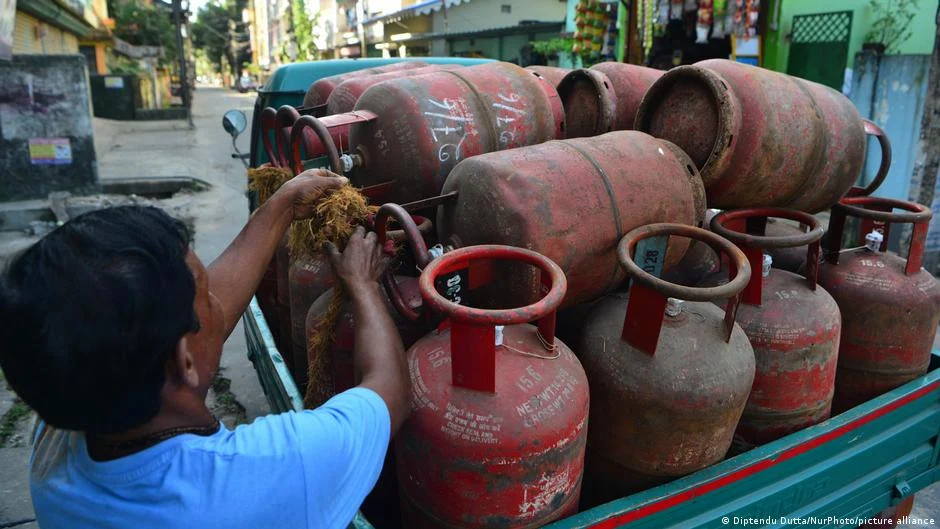
The impact of inflation is unevenly distributed. Rural areas have felt the brunt of food price increases, with rural food inflation hitting 8%, compared to 7.18% in urban centers. This disparity is particularly concerning given the importance of the rural economy in sustaining aggregate demand. Even more striking is the cost of fuel and power, which saw a 25.85% spike in September 2026 compared to the same month in 2025. This surge is directly linked to global energy market instability, exacerbated by the ongoing geopolitical crises that have disrupted supply chains and increased the risk premium on oil and natural gas.
Foreign Exchange Reserves and the Rupee
The Indian rupee has faced a steady, if slow, erosion in value over the last five years. While this has raised concerns about the country’s international purchasing power, the Ministry of Finance has remained steadfast in its assessment that the situation is well within manageable limits. A key pillar of this confidence is the nation’s robust foreign exchange reserve, which currently stands at approximately $721 billion.
This substantial buffer serves as a critical defense against speculative attacks on the currency and provides the liquidity necessary to manage external debt obligations. The Ministry posits that these reserves, combined with a diversified export base and a disciplined fiscal policy, position India to absorb external shocks that might otherwise derail the growth trajectories of smaller or less-prepared economies. The message from the government is clear: while the currency’s decline is a source of concern, it does not constitute a systemic risk to the nation’s long-term expansionary trajectory.
Analysis: Implications for Policy and Investors
For policymakers, the challenge ahead lies in executing a delicate "double-pivot." First, the government must continue to incentivize capital expenditure, particularly in green energy and digital infrastructure, to ensure the 7.3% growth target is met. Second, the administration must deploy targeted measures to shield vulnerable segments of the population from the inflationary spikes in food and fuel prices.
From an investor perspective, India continues to be viewed as a "bright spot" in the global economy, though the risks are clearly defined. Analysts note that while the growth projection is impressive, the sustainability of this rate depends heavily on the mitigation of supply-side inflation and the stability of the global energy market. The government’s willingness to address the inflationary risks openly in its monthly review is seen as a sign of transparency, which is likely to bolster investor confidence despite the volatile macroeconomic environment.
Furthermore, the focus on "global uncertainties" acknowledges that India’s economic fate is not entirely in its own hands. The interplay between U.S. monetary policy, energy prices in the Middle East, and climate-driven agricultural volatility will define the success of the remaining months of FY27.
Conclusion
As India moves into the latter half of the fiscal year, the narrative remains one of cautious optimism. The revision of the growth forecast to 7.3% is a testament to the underlying strength of the domestic economy, which has managed to remain productive in the face of significant headwinds. While the specter of inflation, driven by both geopolitical instability and environmental factors, remains a potent threat to the purchasing power of the average citizen, the government’s fiscal and monetary architecture appears robust enough to navigate these challenges.
The road ahead will require constant monitoring of the agricultural sector, particularly regarding the impact of El Niño on the winter harvest, and a vigilant approach to currency management. However, with foreign exchange reserves at record levels and industrial activity showing no signs of cooling, the Ministry of Finance remains confident that India is on track to maintain its status as one of the fastest-growing major economies in the world. Whether this 7.3% target is achieved will depend on the government’s ability to suppress the inflationary pressures that threaten to erode the gains of the past year, ensuring that the fruits of economic growth are shared across both urban and rural demographics. As the global economy continues to grapple with stagnation, India’s performance in the coming months will be watched closely by international observers and domestic stakeholders alike, serving as a critical indicator of the durability of the current growth cycle.

