
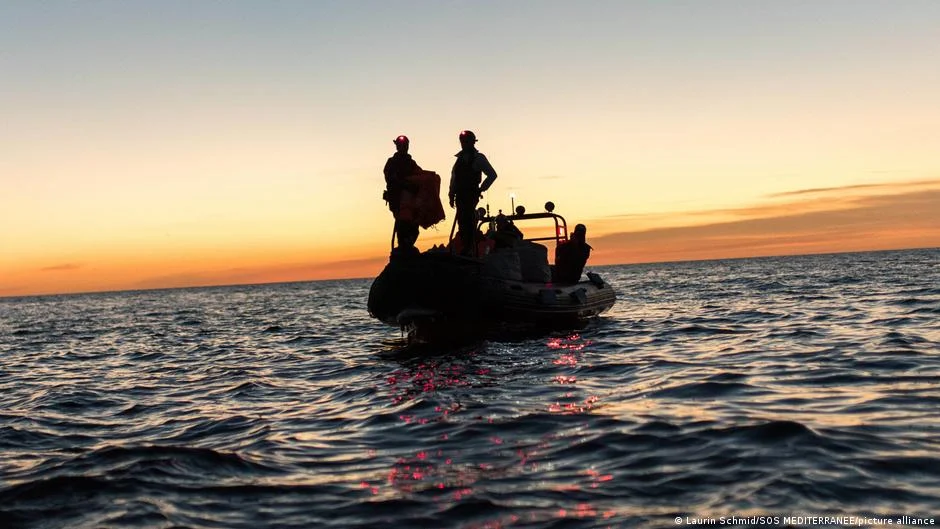
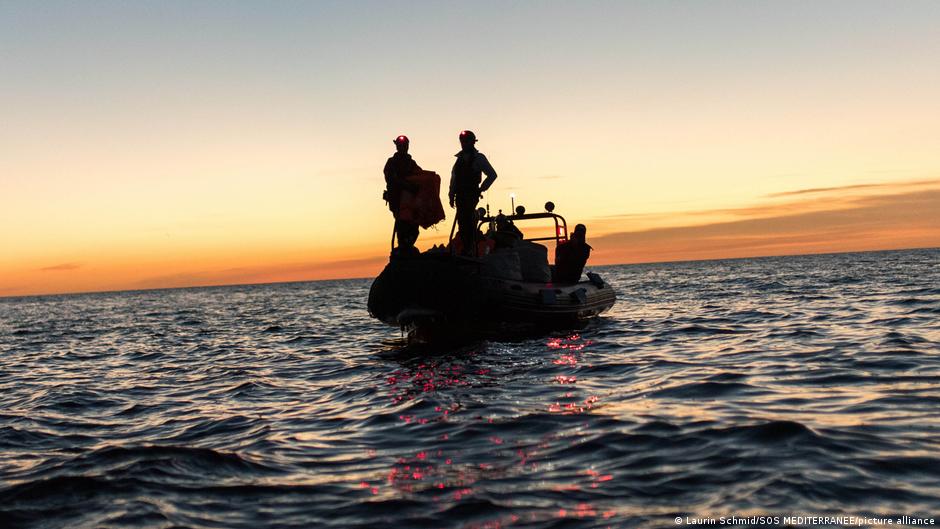
The surge of irregular migration from Libya to the Greek island of Crete has reached a critical juncture, with nearly 20,000 individuals attempting the perilous Mediterranean crossing within the current calendar year. This eastern Mediterranean route, once considered a secondary path, has rapidly evolved into a primary corridor for those seeking entry into the European Union. As traditional smuggling routes through the central Mediterranean face increased scrutiny and crackdowns, the transit zones surrounding the eastern Libyan port city of Tobruk have become the epicenter of a complex, dangerous, and increasingly lucrative conflict economy.
A Shifting Landscape: The Evolution of Smuggling Routes
The transformation of the Libya-to-Crete route is a direct consequence of shifting geopolitical pressures and tactical adaptations by organized crime syndicates. Throughout 2023, eastern Libyan armed forces initiated aggressive operations against smuggling networks primarily focused on the transit of migrants toward Italy. While these crackdowns were framed as efforts to restore order, the underlying result was a reconfiguration of the illicit trade. Smuggling networks, characterized by their high degree of adaptability, abandoned larger vessels—which are easier for naval patrols to track—in favor of smaller, more frequent departures headed toward the Greek archipelago.
This strategic pivot has proved highly profitable. Migrants currently pay between $3,000 and $4,000 for a crossing that typically lasts approximately 36 hours. The reliance on smaller, less seaworthy boats has compounded the dangers for those on board, leading to frequent emergency interventions by the Hellenic Coast Guard. On October 20 alone, authorities registered the arrival of 710 individuals across 14 separate vessels, followed by hundreds more in the subsequent 24 hours. These figures represent only a snapshot of a broader, persistent flow that shows little sign of deceleration.
The Conflict Economy: A Convergence of Illicit Trades
The smuggling of human beings in Libya is not an isolated phenomenon but is deeply embedded in a broader "conflict economy." According to analysis from the Global Initiative Against Transnational Organized Crime, the human smuggling business has merged with pre-existing logistics networks previously dedicated to the trafficking of narcotics, illicit fuel, and military hardware. This convergence has lowered the barriers to entry for new criminal actors, who utilize the same infrastructure—safe houses, transport routes, and bribery networks—to facilitate the movement of people.
Libya’s ongoing political bifurcation, which has persisted since 2014, serves as the structural foundation for this economy. The nation remains split between a United Nations-backed administration in Tripoli and an eastern authority in Tobruk, the latter of which is dominated by the military influence of Khalifa Haftar. The fragmentation of authority has created a power vacuum in which armed actors derive both financial sustenance and political legitimacy from the control of these informal markets. By regulating—or appearing to regulate—the flow of migrants, local power brokers can present themselves to European interlocutors as indispensable partners in border management, effectively using the crisis as a bargaining chip.
Chronology of Escalation
The current state of affairs is the culmination of a decade of instability:
- 2014: The collapse of central governance leads to the division of Libya into competing eastern and western administrations, creating fragmented security zones.
- 2019-2020: Heightened civil conflict between the Libyan National Army (LNA) and Government of National Accord (GNA) forces disrupts regional security, further entrenching armed militias in local economies.
- 2023: Eastern Libyan forces initiate highly publicized crackdowns on human trafficking vessels departing for Italy, inadvertently incentivizing the migration of smuggling operations toward the Greek coast.
- October 2024: Records show a sharp uptick in maritime arrivals in Crete, signaling the full-scale maturation of the eastern Mediterranean route.
Geopolitical Implications and the Turkey-Libya Nexus
The migration crisis is inextricably linked to the volatile geopolitical environment of the Eastern Mediterranean. In late October, the Tobruk-based government finalized a maritime agreement with Turkey, a move that surprised regional observers, given Turkey’s past support for Tripoli-based factions during the civil war. This rapprochement serves multiple purposes: it bolsters the regional standing of the eastern Libyan leadership and provides Turkey with strategic leverage in its ongoing disputes with Greece regarding maritime economic zones.
Greece has vehemently rejected the agreement, arguing that it infringes upon its sovereign rights near islands such as Crete and Rhodes. While there is no definitive evidence that irregular migration is being used as a direct state-level instrument of coercion, experts like Hager Ali of the German Institute for Global and Area Studies (GIGA) warn that the potential for such exploitation remains high. In a region where migration is already a potent political lever, the transition of these routes into the hands of actors with clear political agendas suggests that migration numbers may fluctuate based on the state of diplomatic relations between Libya, Turkey, and the European Union.
The Humanitarian Crisis within Libyan Borders
While the focus of international headlines remains on the maritime arrivals in Greece, the situation for those awaiting passage within Libya is dire. Data from the International Organization for Migration (IOM) indicates that approximately 950,000 migrants and refugees are currently residing within Libya. This population lives in a state of extreme precarity, largely excluded from formal labor markets and denied access to basic healthcare.
The lack of legal status leaves these individuals profoundly vulnerable to exploitation. Many are subjected to arbitrary detention, forced labor, and systemic abuse, as they have little recourse to the protection of the state. Their dependence on the very criminal networks that facilitate their transit creates a cycle of entrapment; for many, the only perceived pathway to safety is to pay for the dangerous sea crossing, regardless of the high probability of sinking or interception.
Analytical Perspectives: The EU Dilemma
The European Union’s approach to the crisis reflects a complex and often contradictory set of priorities. Brussels continues to engage in cooperation with various Libyan actors to curb the influx of migrants, despite the documented links between these actors and armed militias. Critics, including Andreas Dittmann, a professor of human geography, argue that this policy creates a moral hazard. By providing financial and technical support to Libyan authorities, the EU may be inadvertently strengthening the very groups that benefit from the instability.

"If those in charge in eastern Libya are actually able to influence the scale and timing of such movements, they’re demonstrating their own strategic importance to European governments," Dittmann noted. This dynamic essentially allows Libyan power brokers to monetize the migration crisis, transforming the desperation of refugees into a tool of political and financial negotiation.
Furthermore, the lack of a cohesive, long-term strategy that addresses the root causes of migration—such as the regional economic collapse and the absence of a unified Libyan state—ensures that the current approach acts only as a temporary deterrent. As long as the "conflict economy" remains the most viable source of income for local actors, the infrastructure for human smuggling will persist, regardless of the level of tactical enforcement at sea.
Looking Ahead: Policy Challenges
As the winter months approach, the volatility of the Mediterranean waters adds another layer of danger to the journey. However, the consistent volume of arrivals throughout the summer and early autumn suggests that the migration flow has become institutionalized. For the European Union, the challenge lies in reconciling the need for border security with the ethical imperative of protecting human life and addressing the realities of the Libyan political landscape.
The integration of humanitarian aid, regional diplomatic pressure, and a more robust crackdown on the financial networks underpinning the "conflict economy" remains the only viable, albeit difficult, path forward. Without a concerted effort to dismantle the economic incentives for smuggling, the route to Crete is likely to remain a permanent feature of the Mediterranean migration crisis, forcing thousands to risk their lives in pursuit of an elusive stability. The situation in Libya remains a stark reminder that when political systems fail and armed groups gain control over economic life, the most vulnerable populations are the first to bear the cost, while the architects of the trade continue to expand their reach across the sea.

