
The historical narrative surrounding the collapse of ancient civilizations often relies on the assumption that extreme environmental stress inevitably triggers widespread social breakdown and interpersonal violence. However, a comprehensive study published in the journal Frontiers in Environmental Archaeology suggests that for the inhabitants of Peru’s Lambayeque Valley, such a trajectory was far from inevitable. By analyzing thousands of years of skeletal remains, researchers have challenged the long-standing hypothesis that the catastrophic El Niño weather events of the past pushed these societies into cycles of endemic conflict. Instead, the evidence points to a remarkable degree of social stability and a capacity for long-term adaptation.
The Lambayeque Valley: A Crucible of Civilization
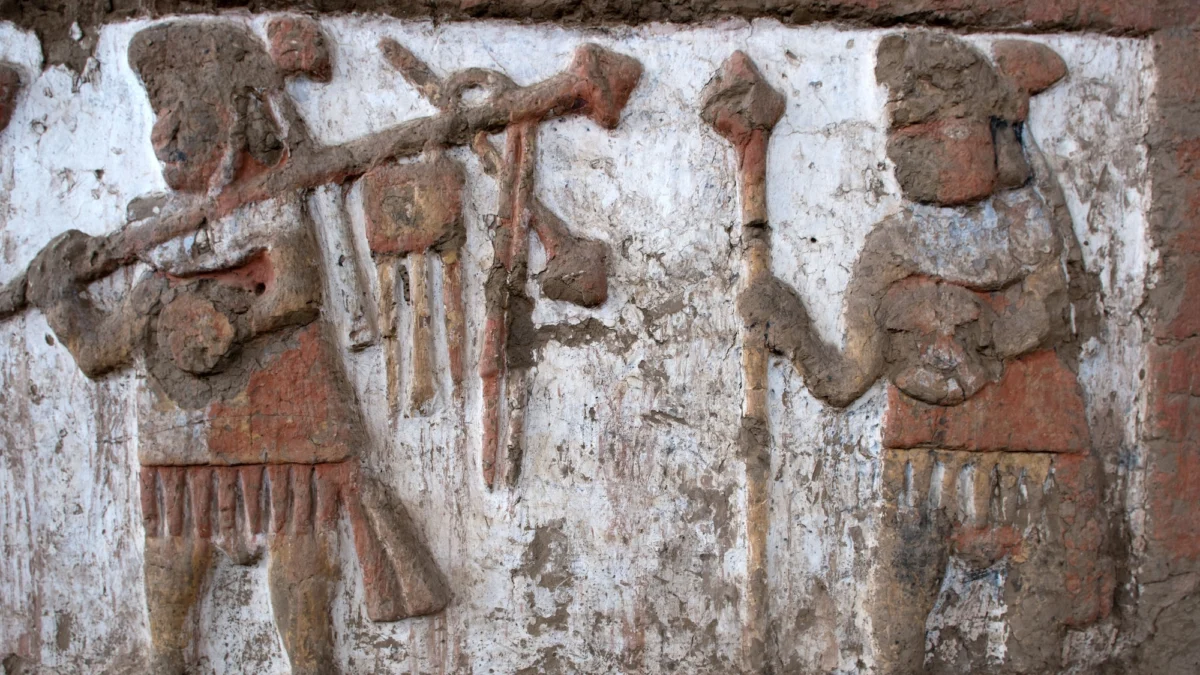
The Lambayeque Valley, located along the arid northern coast of Peru, has served as a center for human occupation for approximately 6,000 years. Despite its status as a coastal desert, the region’s proximity to river systems and the Pacific Ocean allowed for the development of sophisticated, agrarian-based societies. Among the most prominent of these were the Moche, who flourished from 100 to 750 CE, and the Sicán culture, which succeeded them from 750 to 1375 CE.
These societies are perhaps best known for their monumental architecture, intricate metallurgy, and, as previous archaeological excavations have suggested, a tradition of ritualized human sacrifice. For decades, archaeologists have theorized that these sacrifices were not merely religious displays but were tactical, desperate responses by the ruling class to restore order during periods of intense climatic disruption—specifically the devastating flooding caused by El Niño oscillations. As these weather patterns disrupted agricultural production and destroyed infrastructure, the resulting scarcity was thought to have fostered an atmosphere of rising tension and violence.
Reevaluating the Archaeological Record
To test the hypothesis that climate-induced resource scarcity led to increased interpersonal violence, a team of researchers led by archaeologists Thomas Snyder of New York University and Haagen Klaus of George Mason University turned to the Lambayeque Valley Biohistory Project. This project houses an extensive skeletal archive spanning 3,000 years of history across 30 distinct archaeological sites.
The research team performed a granular analysis of over 1,600 individuals, seeking evidence of intentional trauma—such as perimortem cranial injuries—that would typically be associated with interpersonal violence or ritual sacrifice. The findings were starkly different from previous academic assumptions. Of the 1,600 individuals analyzed, only 25 skeletons (1.6 percent) displayed signs of intentional violence. Furthermore, only 77 individuals showed evidence of accidental trauma. Crucially, none of these instances could be definitively linked to the specific, documented periods of ecological crisis known to have affected the region.
"The main thing that jumped out at us was just how few cases of interpersonal violence we observed outside of ritualized contexts," stated Thomas Snyder. "If these big ritual sacrifices were indicative of some underlying crisis, we hypothesized that these events might have been extending into people’s everyday experience of the world. The data simply does not support that."
A Chronology of Adaptation
The study spans a vast timeline, covering the rise and fall of the Moche and the transition into the Sicán era. During this timeframe, the region experienced multiple cycles of extreme weather. Historical climate data, reconstructed from ice cores and sediment samples, indicates that the Lambayeque Valley was subject to periodic, high-magnitude El Niño events that caused widespread flooding and economic hardship.
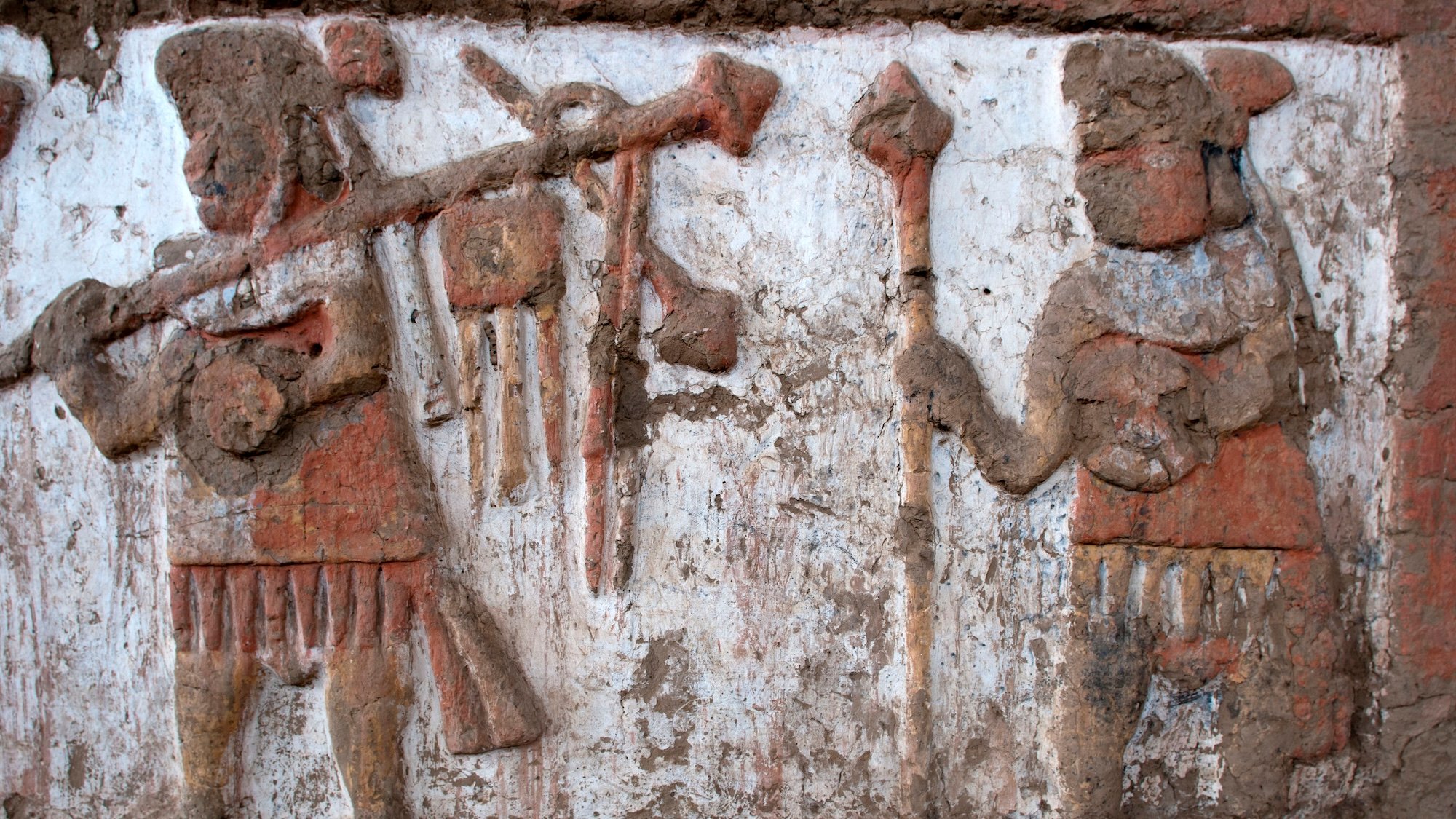
- 100–750 CE: The Moche era, characterized by rapid urbanization and the construction of massive platform mounds. Archaeological evidence shows significant investments in irrigation technology, indicating a focus on long-term agricultural security.
- 750–1375 CE: The Sicán era. Despite the political shifts, the core strategies for water management and resource storage remained consistent, suggesting that these societies were adept at institutionalizing survival strategies rather than resorting to internecine conflict.
- Late Pre-Columbian Period: The final phases before European contact saw a continued emphasis on social cohesion, as indicated by the lack of defensive fortifications in many of the residential sites studied.
The absence of widespread skeletal trauma suggests that throughout these 3,000 years, the residents of the Lambayeque Valley developed a "toolbox" of cultural and technological adaptations to manage climate instability. Rather than descending into chaos when the rains failed or the floods hit, these communities relied on centralized planning, communal labor, and religious frameworks that promoted social unity.
The Myth of "Climate-Induced Violence"
The implications of this study reach far beyond the borders of Peru. In the modern era, as global policy experts and climate scientists debate the security risks associated with climate change, there is a prevailing narrative that suggests resource scarcity is a direct driver of violent conflict. This study provides a necessary counter-narrative, illustrating that human response to environmental pressure is not a pre-programmed biological reflex but a cultural choice.
"In Lambayeque, there is 6,000 years of creative adaptations to El Niño and longer-term changes in climate, and widespread violence wasn’t one of them," said Haagen Klaus. The researchers argue that the "violence-as-inevitable" model is a reductionist view of human history. Instead, they suggest that ancient societies in the Lambayeque Valley viewed climate change as a problem to be solved through engineering, social organization, and, in the case of ritual, ideological management, rather than through domestic warfare.
Scientific Implications and Future Directions
While the study is robust, the authors acknowledge limitations. Because it was not possible to radiocarbon date every individual in the skeletal archive, the findings represent broad temporal windows rather than a year-by-year map of behavior. However, the statistical significance of the 1.6 percent violence rate—a figure remarkably low for many pre-industrial societies—remains a powerful indicator of social stability.
The scientific community has largely welcomed the study as a pivot point in environmental archaeology. By focusing on the "biohistory" of the people themselves rather than just the artifacts they left behind, the team has provided a more human-centric view of how societies endure when the environment turns hostile.
Lessons for a Warming World
As contemporary society grapples with the accelerating impacts of climate change, the story of the Lambayeque Valley offers both a warning and a source of optimism. It serves as a warning because it highlights that institutional responses to crisis—such as the decision to perform mass sacrifices—can be extreme, even if the general population remains peaceful. It serves as optimism because it proves that societies can, and have, survived for millennia without devolving into the state of "all against all" that some political theorists suggest is the natural state of humanity under stress.
"This really highlights that widespread violence isn’t a predetermined response to climate change," Snyder concluded. "As a society, we both get to and have to choose how we respond to our own climate crisis."
The consensus among the research team is clear: the history of the Lambayeque Valley demonstrates that social unraveling is not a predetermined outcome. As the global community moves forward into an increasingly uncertain environmental future, the archeological evidence suggests that humanity’s greatest asset is not its ability to fight, but its ability to adapt and maintain the social fabric in the face of nature’s volatility. The residents of northern Peru were not victims of their own violence, but architects of their own survival, proving that even in the most inhospitable deserts, human ingenuity and cooperation can triumph over the most daunting environmental odds.

