
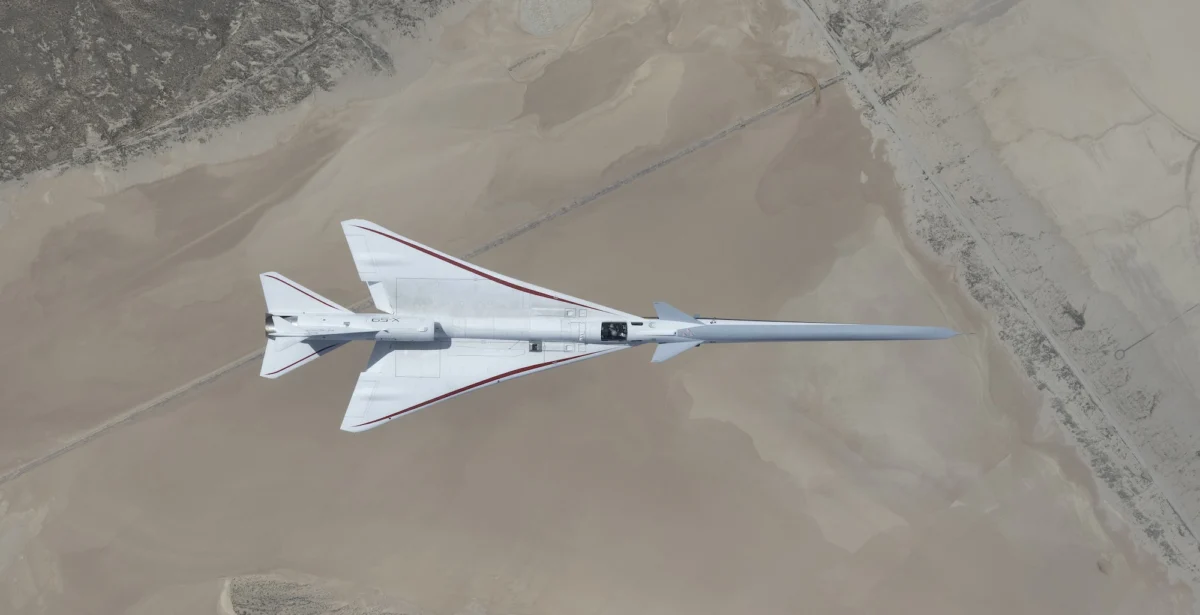
The landscape of commercial aviation is undergoing a seismic shift as China moves closer to finalizing its experimental TMS-10 supersonic aircraft, a development that signals the nation’s intent to lead the next generation of high-speed passenger travel. With the project now entering its final assembly phase at the Tianmushan Laboratory, engineers are preparing for a maiden test flight scheduled for late 2026. This milestone comes on the heels of significant successes by NASA’s X-59 QueSST program, setting the stage for an international race to normalize quiet, supersonic flight—a technology that has remained largely dormant since the retirement of the Concorde in 2003.
The Evolution of the TMS-10 Program
The development of the TMS-10 has been a methodical, multi-year undertaking. In June 2025, researchers from the Tianmushan Laboratory and Beihang University achieved a critical proof-of-concept by successfully flight-testing a 1:18-scale prototype. During these initial trials, the model operated at subsonic speeds below Mach 0.2, allowing engineers to validate flight control laws, low-speed stability, and landing gear performance.
Having secured these foundational data points, the team shifted its focus toward the full-scale demonstrator. Unlike the sub-scale prototype, the TMS-10 is engineered to reach supersonic speeds while actively managing the atmospheric shockwaves that create the disruptive sonic boom. The transition from digital simulation to physical assembly marks the most complex phase of the project, requiring precise integration of aerospace materials capable of enduring the thermal stress inherent in sustained Mach 2 flight.
Architectural Innovations: A Different Approach to Silence
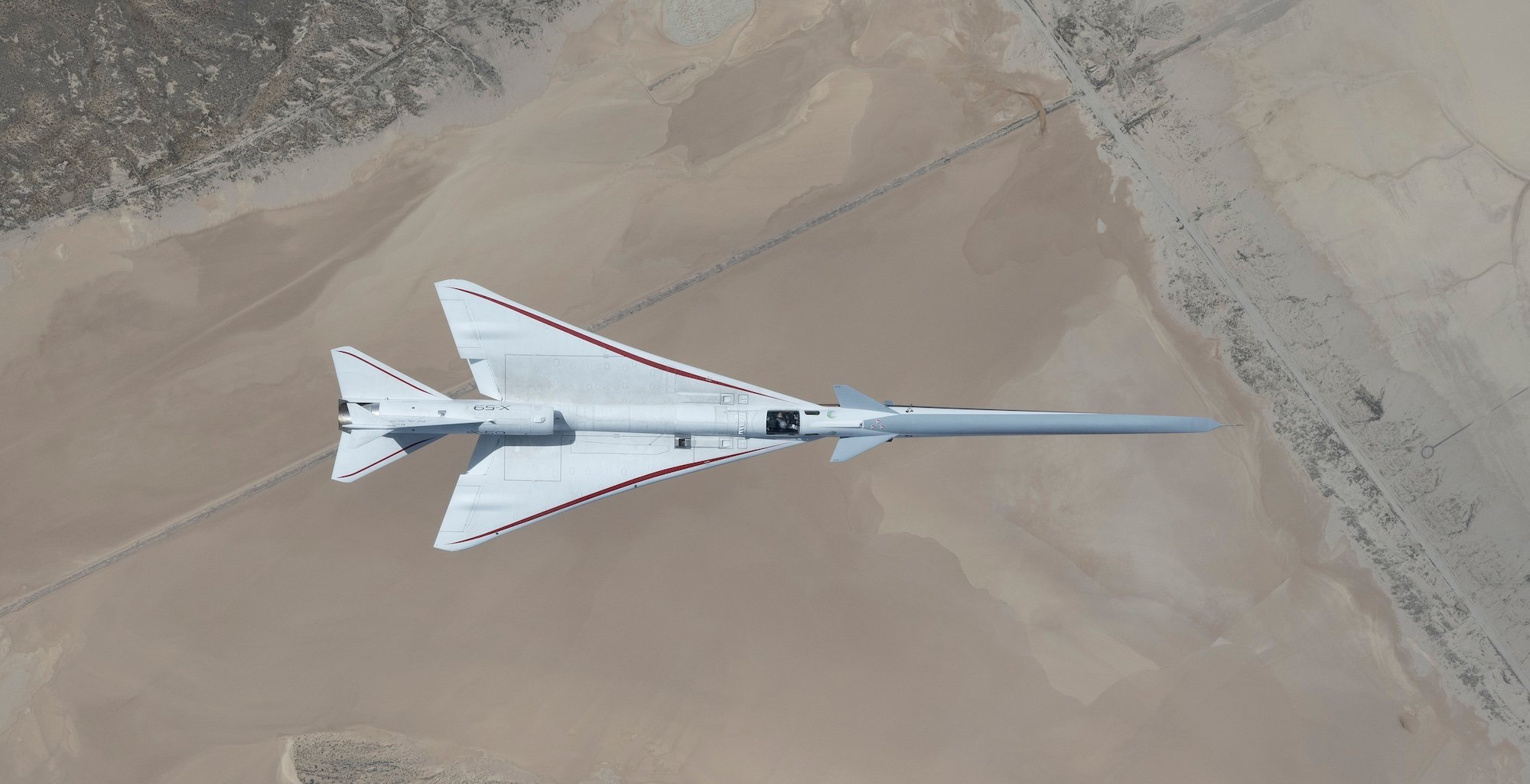
The engineering philosophy behind the TMS-10 diverges significantly from the American X-59 model. While NASA’s X-59 utilizes a needle-like, elongated nose and specific wing geometry to prevent shockwaves from coalescing into a singular, thunderous "boom"—effectively dampening the sound into a mild "thump"—the Chinese approach focuses on active wave redirection.
The TMS-10 design employs a "canard" configuration, featuring a smaller forward wing positioned ahead of the main wing. This setup works in tandem with a distinctive T-tail assembly. The aerodynamic interaction between these surfaces is intended to disrupt the formation of high-pressure shockwaves at the aircraft’s nose and wing edges. By preventing these waves from merging, the design forces them to dissipate independently, theoretically allowing the aircraft to travel at high speeds over populated areas without causing the structural and auditory disturbances associated with traditional supersonic flight.
Chronology of Modern Supersonic Development
The current global effort to revive supersonic travel follows two decades of regulatory and technical stagnation. Key milestones include:
- 2003: The retirement of the British-French Concorde, marking the end of the first generation of supersonic commercial travel.
- 2023–2024: Renewed interest from both government and private sectors, driven by advances in computational fluid dynamics (CFD) and high-temperature material science.
- June 2025: Successful low-speed testing of the TMS-10 1:18-scale model by the Tianmushan Laboratory.
- March 2026: NASA’s X-59 completes its third flight, reaching Mach 1.5 at 55,000 feet over the Mojave Desert.
- September 2026: China announces the final assembly phase of the full-scale TMS-10 demonstrator, targeting a year-end first flight.
Performance Targets and Economic Implications
The stated goal for the TMS-10 is a cruising speed of Mach 2, or approximately 1,300 miles per hour. For regional connectivity, such as the high-traffic corridor between Beijing and Shanghai, the introduction of this aircraft could reduce transit times from the current two hours down to approximately 30 minutes.
However, the transition from experimental demonstrator to commercial service is fraught with technical hurdles. According to engineering reports from the Tianmushan Laboratory, the primary challenges remaining include the validation of the engine core—which must maintain high efficiency across a massive speed range—and the finalization of the air inlet and exhaust systems. These components are vital for managing the transition between subsonic flight (Mach 0.95) and supersonic cruise, a range where airflow dynamics change drastically.
The Competitive Landscape: NASA vs. Tianmushan
While China’s progress is rapid, it faces a well-established incumbent in the NASA X-59 program. The X-59 has already demonstrated its capability to reach speeds of Mach 1.5 at high altitudes, providing the U.S. with a wealth of empirical data regarding the "quiet" sonic experience. NASA’s current strategy involves gathering acoustic data to inform the Federal Aviation Administration (FAA) and international regulators, who may eventually adjust noise standards to permit overland supersonic flight.
The Chinese program appears to be pursuing a dual-track strategy: developing the aircraft architecture while simultaneously building the necessary infrastructure for engine and material testing. The reliance on university-led research—specifically the partnership with Beihang University—highlights a strategy of leveraging academic breakthroughs to bridge the gap in legacy aerospace manufacturing.
Technical Challenges and Future Prospects
Beyond the aerodynamics of the sonic boom, the TMS-10 must address the "heat wall." Traveling at twice the speed of sound generates intense friction, requiring advanced titanium-ceramic composites and sophisticated thermal management systems for the passenger cabin. The design of a 10-to-15 passenger business jet requires a balance between the fuel-hungry nature of supersonic flight and the economic requirements of commercial operators.
Market analysts note that the success of these programs will ultimately hinge on more than just the ability to fly fast. Regulatory frameworks in both the U.S. and China will need to be rewritten to accommodate these aircraft, which operate at higher altitudes and speeds than current commercial fleets. Environmental concerns regarding carbon emissions at supersonic speeds also remain a subject of international debate, with both programs emphasizing the need for high-efficiency engines that can eventually transition to sustainable aviation fuels (SAF).
The Broader Impact on Global Aviation
The race to develop the TMS-10 and the X-59 represents a pivot point in the history of aviation. If these programs succeed, the global economy could see a significant increase in the speed of high-value business transit, effectively shrinking the distance between global financial hubs. However, the path to commercialization remains long. The TMS-10 is currently a demonstrator, and the road from a flight-test prototype to a certified, mass-produced passenger jet typically spans a decade or more of iterative design, safety certification, and infrastructure development.
As China moves into the final assembly phase, the global aerospace community will be watching the test results closely. The data generated by the TMS-10 will not only validate the specific aerodynamic choices of the Tianmushan Laboratory but will also provide further evidence of whether current material science and computational modeling are sufficient to make the "quiet" supersonic dream a reality for the everyday passenger.
Whether the future of aviation is defined by the American "bump" or the Chinese wave-redirection technique, one fact remains clear: the era of supersonic travel is no longer a relic of the 20th century. It is a central objective of 21st-century aerospace engineering, fueled by intense national competition and a shared belief that the speed of human travel is due for a major, long-overdue upgrade.

