
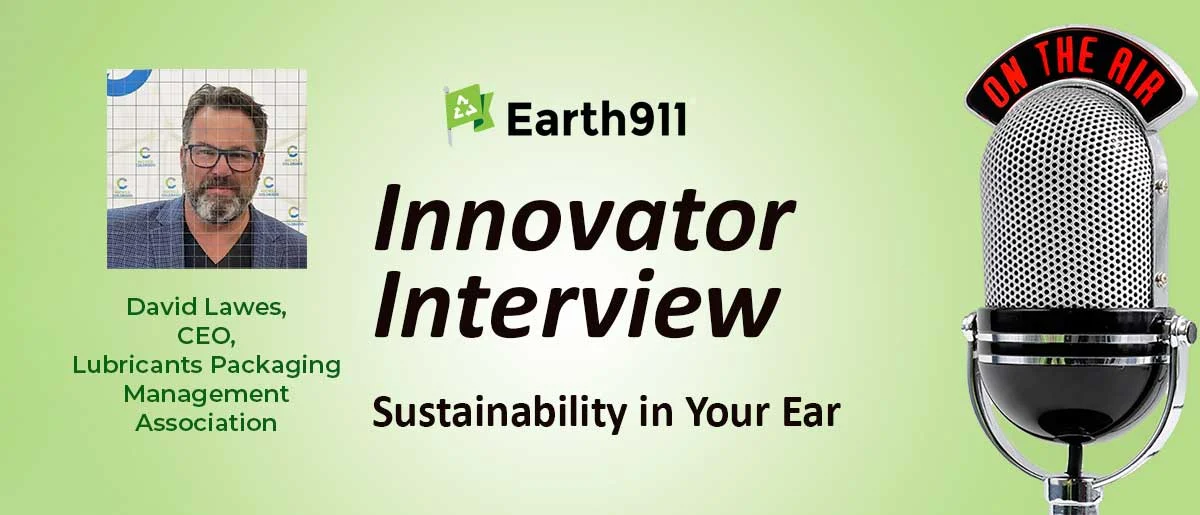
Colorado has officially become the primary testing ground for a revolutionary shift in how the United States manages one of its most persistent environmental challenges: the disposal and recycling of used motor oil and its plastic packaging. Under the leadership of David Lawes, CEO of the Lubricants Packaging Management Association (LPMA), a new specialized Extended Producer Responsibility (EPR) program is being implemented to address a systemic failure in the American recycling infrastructure. This initiative, spearheaded by five of the world’s largest oil producers—BP Lubricants, Chevron, ExxonMobil, Shell, and Valvoline—seeks to transform motor oil containers from a non-recyclable contaminant into a circular resource. By establishing an independent Producer Responsibility Organization (PRO), the LPMA is attempting to replicate international successes in a domestic market that has historically struggled with petroleum-related waste.
The Scale of the Petroleum Waste Crisis
To understand the necessity of Colorado’s new program, one must first look at the staggering volume of waste generated by the automotive and industrial sectors. Annually, Americans consume and dispose of approximately 1.3 billion gallons of used motor oil. While this substance is technically highly recyclable, the reality of its lifecycle is far from sustainable. Currently, only about 800 million gallons are collected for recycling. Perhaps more concerning is the fate of that "recycled" oil; the vast majority is not re-refined into new high-quality lubricants but is instead burned as a low-grade fuel for industrial furnaces or marine engines. While this provides a one-time energy recovery benefit, it does not constitute a truly circular economy, as the resource is consumed rather than preserved.
The packaging poses an even more complex hurdle. Motor oil is almost exclusively sold in High-Density Polyethylene (HDPE) plastic bottles. While HDPE is one of the most commonly recycled plastics in the world (often used for milk jugs and detergent bottles), oil containers are a notable exception. Because of the residual oil that clings to the inside of the bottles, they are classified as contaminated waste by most municipal curbside recycling programs. When a consumer places a used oil bottle in a blue bin, it often results in the contamination of an entire load of otherwise clean recyclables, leading to increased costs for municipalities and higher rates of landfilling. In most U.S. states, the recycling rate for motor oil packaging is effectively less than 1%.
The Legislative Catalyst in Colorado
The shift toward a more robust recycling framework began with the passage of Colorado’s landmark EPR legislation. In 2022, Colorado passed House Bill 22-1355, the "Producer Responsibility Program for Worldwide Packaging and Paper Products." This law requires companies that sell products in packaging to fund and manage the collection and recycling of those materials. However, the law provided a unique "carve-out" or alternative path for specialized industries.
Producers were given a choice: they could join the Circular Action Alliance (CAA), a massive non-profit PRO that manages general packaging and printed paper for the entire state, or they could develop their own sector-specific program. In September 2024, the major oil companies opted for the latter, founding the Lubricants Packaging Management Association. The decision was rooted in the technical reality that petroleum products require specialized handling, transportation, and processing facilities that a general-purpose recycling program for cardboard and soda bottles simply cannot provide.

David Lawes, who took the helm of the LPMA, brought with him over two decades of experience in environmental policy and EPR regulation. Most notably, Lawes spent ten years regulating similar programs in Canada. In British Columbia, the EPR program for oil and containers—which Lawes helped manage—achieves a staggering 96% recycling rate. The Colorado initiative is a direct attempt to transplant this high-performing Canadian model into the American regulatory landscape.
A Chronology of Implementation
The development of the LPMA program has followed a strict timeline designed to align with Colorado’s broader environmental goals.
- May 2022: Colorado Governor Jared Polis signs HB22-1355 into law, setting the stage for mandatory EPR.
- 2023-Early 2024: Major oil producers engage in consultations to determine whether to integrate with the state’s general packaging PRO or create a niche organization.
- September 2024: BP, Chevron, ExxonMobil, Shell, and Valvoline formally incorporate the LPMA. David Lawes is appointed CEO to lead the transition.
- Late 2024-Early 2025: The LPMA begins the data collection phase, identifying existing collection points (such as auto parts stores and mechanic shops) and gaps in rural infrastructure.
- 2025 and Beyond: The program moves toward full operational status, with the goal of establishing a seamless "take-back" network where consumers can return used oil and containers without fee or friction.
Technical Strategy: From Downcycling to Re-refining
A core pillar of the LPMA’s mission is to move the industry up the "waste hierarchy." Currently, the U.S. relies heavily on "energy recovery" (burning oil). The LPMA aims to incentivize "re-refining." Used motor oil does not actually "wear out"; it simply gets dirty and its additives break down. Through a process of dehydration, vacuum distillation, and hydro-treatment, used oil can be restored to a base oil that is indistinguishable from virgin oil refined from crude.
On the packaging side, the LPMA is focusing on specialized wash lines. These facilities use industrial detergents to remove residual hydrocarbons from HDPE flakes, allowing the plastic to be pelletized into high-quality Post-Consumer Resin (PCR). This PCR can then be sold back to oil companies to create new oil bottles, closing the loop. By managing this process independently, the LPMA can ensure that the plastic does not enter the general waste stream where it causes contamination.
Industry and Regulatory Reactions
The formation of the LPMA has drawn significant attention from both industry analysts and environmental advocates. David Lawes has been clear that the organization’s goal is not to evade regulation but to optimize it. "This is not about skirting the law or finding an easier pathway," Lawes explained in a recent industry briefing. "It is about meeting the same results in an industry-friendly way." By taking ownership of the waste, oil companies can potentially reduce their long-term liability and secure a steady supply of recycled materials, which is increasingly important as more states contemplate post-consumer content mandates.
Environmental groups have expressed cautious optimism. While some activists remain wary of industry-led solutions, many acknowledge that the petroleum sector possesses the logistics and technical expertise required to handle hazardous waste. The success of the British Columbia model serves as a powerful proof of concept that critics find difficult to ignore. If the LPMA can achieve even half of the recycling rates seen in Canada, it would represent a massive improvement over the current American status quo.

Broader Impact and National Implications
The Colorado experiment is being watched closely by legislators in California, Oregon, Washington, and Maine—states that have either passed or are considering their own EPR laws. Currently, the U.S. suffers from a "patchwork" of state regulations, which creates significant compliance costs for national brands. A successful independent PRO like the LPMA could serve as a blueprint for a harmonized national standard.
If the LPMA model proves effective, it could lead to a significant reduction in the environmental footprint of the automotive industry. Proper oil recycling prevents heavy metals and toxic chemicals from leaching into groundwater, while plastic recycling reduces the demand for virgin petroleum-based resins. Furthermore, the program addresses the "convenience gap" for DIY (Do-It-Yourself) mechanics, who currently face barriers when trying to dispose of oil responsibly.
As the program matures, the LPMA plans to expand its scope, potentially including other automotive fluids like antifreeze and brake fluid, which face similar recycling challenges. For now, the focus remains on Colorado. The state’s unique geography—combining dense urban centers like Denver with vast, sparsely populated rural areas—provides a rigorous testing environment. If David Lawes and the LPMA can make the program work here, it will send a clear signal that the era of "disposable" petroleum products is coming to an end.
The success of this initiative will ultimately be measured by its transparency and its ability to meet the rigorous recovery targets set by Colorado regulators. As the first of its kind in the United States, the LPMA’s oil recycling program represents a pivot point in environmental policy: a moment where industry giants accept the full lifecycle responsibility of their products, moving the nation one step closer to a truly circular economy.

