
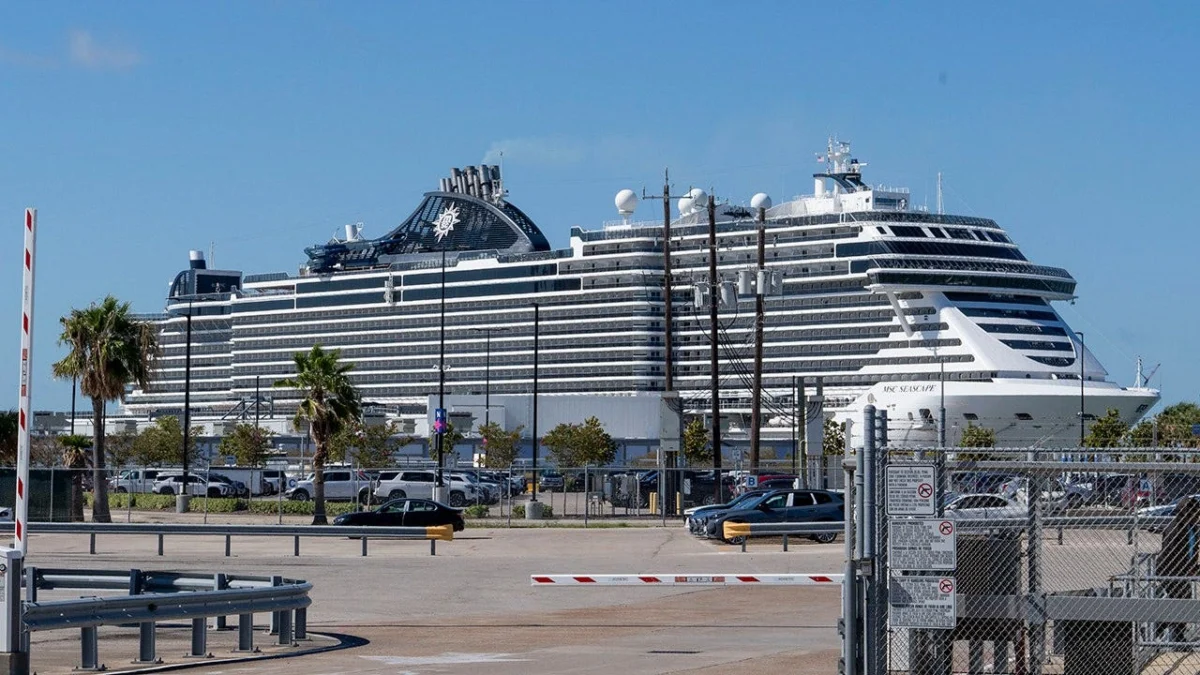
Federal investigators have launched a high-seas homicide probe following an unsettling incident aboard the luxury cruise liner MSC Seascape, which was abruptly ordered to cut short its maiden days at sea and return to Texas. The vessel, a sprawling floating resort capable of housing thousands of passengers and crew members, pulled back into the Port of Galveston on November 9, 2026, met by an immediate and coordinated response from federal agents, local law enforcement, and maritime security officials.
The sudden redirection of the cruise ship has cast a pall over what was meant to be a leisurely weeklong getaway to the Western Caribbean. As investigators sift through forensic evidence, interview witnesses, and comb the ship’s massive interior, the tight-lipped nature of law enforcement agencies has left both passengers and the public searching for answers regarding the violent death that shattered the tranquility of the voyage.
Main Facts of the Investigation
According to official statements released by the Federal Bureau of Investigation, agents from FBI Houston and the Texas City Resident Agency boarded the MSC Seascape shortly after it docked at the Port of Galveston. The bureau has classified the event as a suspected homicide, though federal authorities have maintained strict confidentiality regarding the core details of the case.
As of yet, the FBI has withheld the identity, age, gender, and nationality of the deceased individual. Furthermore, officials have not disclosed the specific cause of death, the exact location aboard the ship where the incident transpired, or whether a suspect has been identified, detained, or questioned in connection with the crime.
To manage the complex jurisdictional challenges of a crime committed on international waters, a Maritime Liaison Agent from the FBI is working in tandem with a multi-agency coalition. This task force includes the United States Coast Guard, the Port of Galveston Police Department, U.S. Customs and Border Protection, and corporate representatives from MSC Cruises. Because federal law grants the FBI primary investigative authority over potential crimes committed on American-flagged vessels or ships arriving at U.S. ports with American citizens involved, the bureau has taken the lead in piecing together the sequence of events.
Chronology of Events
The unfolding crisis began over the weekend, disrupting a voyage that had only just commenced.
Sunday, November 8, 2026 – 4:00 PM: The MSC Seascape officially departed from its home port in Galveston, Texas, signaling the start of a highly anticipated seven-night Western Caribbean cruise. Aboard were thousands of vacationers looking forward to an itinerary that promised warm weather and relaxation.
Monday, November 9, 2026: Roughly 24 hours into the voyage, an incident involving a guest was reported to shipboard security and subsequently escalated to corporate management and maritime authorities. Recognizing the severity of the situation, corporate leadership and relevant authorities instructed the captain of the MSC Seascape to abort its heading toward Mexico and immediately reverse course back toward the Texas coast.
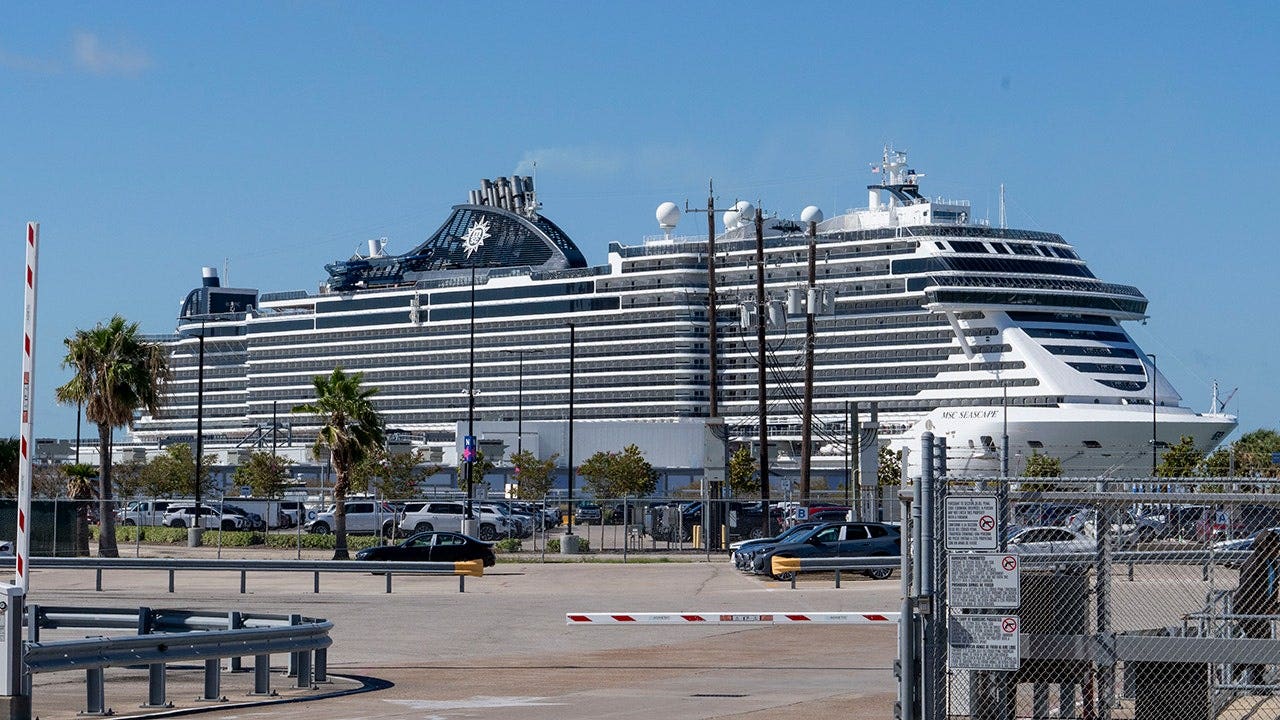
Monday, November 9, 2026 (Later in the day): The cruise ship arrived back at the Port of Galveston. Law enforcement teams, including federal investigators and local police, boarded the vessel to secure the scene, preserve potential evidence, and begin the painstaking process of interviewing passengers and crew members.
Following the initial on-site investigation and evidence collection, the MSC Seascape was cleared to depart the port once more, resuming a modified version of its scheduled itinerary. According to tracking data from CruiseMapper, the voyage was originally scheduled to conclude on November 15, 2026, with planned stops in Costa Maya and Cozumel, Mexico, as well as Roatan, Honduras.
Background Context: The MSC Seascape and Modern Cruise Security

The MSC Seascape is not merely a passenger ship; it is a marvel of modern naval architecture and one of the crown jewels of the MSC Cruises fleet. Entering service in 2022, the vessel sails proudly under the flag of Malta. Built to accommodate up to 5,800 passengers alongside an approximate crew of 1,600, the ship features 2,270 distinct cabins spread across 19 towering decks.
Operating luxury vessels of this magnitude presents unique logistical, administrative, and security challenges. Cruise ships effectively function as floating cities, complete with residential corridors, entertainment districts, dining halls, and secluded outdoor decks. While cruise lines invest heavily in private security teams, closed-circuit television (CCTV) surveillance, and access control systems, policing an environment populated by thousands of transient visitors remains a formidable task.
Incidents of violent crime aboard cruise ships, while statistically rare when compared to land-based crime rates relative to population density, do occur. When they do, they trigger complex jurisdictional frameworks. Under maritime law, crimes committed on the high seas often fall into a legal gray area unless international treaties, the flag state of the vessel, or the nationality of the victims and perpetrators establish clear paths for prosecution. In cases involving American citizens or vessels arriving in U.S. ports, the Cruise Vessel Security and Safety Act (CVSSA) mandates rigorous reporting standards and empowers federal agencies like the FBI to step in with full investigative jurisdiction.
Official Responses and Corporate Statements
In the wake of the vessel’s forced return, MSC Cruises issued formal statements addressing the situation while emphasizing their full cooperation with law enforcement entities.
"Authorities instructed the ship to return to Galveston following an incident involving a guest," a spokesperson for MSC Cruises stated. "We are cooperating fully with the investigation and providing support to those impacted. The ship has left the port and resumed its planned itinerary."
The cruise line acknowledged the sensitive nature of the ongoing inquiry, noting that corporate communications are necessarily restricted while federal agents complete their work.

"As this is an active investigation, we cannot provide more details," the cruise line’s representative added, concluding with a compassionate nod to those affected by the tragedy. "Our thoughts are with the guest’s family and friends at this difficult time."
Broader Impact and Implications for the Cruise Industry
The incident aboard the MSC Seascape highlights broader concerns regarding passenger safety, security protocols, and crisis management within the multi-billion-dollar global cruise industry. For travelers, highly publicized incidents involving suspected homicides or violent crimes on cruise ships can evoke anxiety, prompting renewed scrutiny over how lines monitor public spaces, vet passengers during embarkation, and respond to distress calls in the middle of the ocean.
Cruise lines have increasingly adopted advanced security technologies, including facial recognition software at boarding terminals, enhanced digital keycard tracking for cabin access, and expanded high-definition security camera networks throughout public corridors and open decks. Despite these measures, the sheer scale of modern mega-ships means that privacy and isolation remain readily available for individuals determined to commit illicit acts.
Furthermore, the economic and logistical impact on cruise operators when an itinerary is disrupted can be substantial. Reversing a vessel mid-voyage requires renegotiating port authorizations, managing disappointed passengers seeking compensation or itinerary adjustments, and absorbing the operational costs of unscheduled fuel consumption and port fees. However, maritime safety experts emphasize that prioritizing a thorough criminal investigation over commercial convenience is a legal and moral imperative.
As the FBI continues its comprehensive review of the evidence gathered aboard the MSC Seascape, maritime legal analysts expect that additional details will eventually emerge through federal court filings or formal indictments. For now, the investigation serves as a sobering reminder of the complex safety and security challenges inherent to maritime travel, leaving families, investigators, and the cruise community waiting for formal resolutions as the legal process grinds forward.

