

The Financial Landscape of Modern Education
The fiscal pressure on public education has intensified as inflation impacts the cost of classroom materials. While state and federal budgets are designed to cover basic operational costs, they rarely account for the supplementary resources—such as flexible seating, supplemental reading materials, or STEM kits—that define a dynamic, modern classroom. The $860 average expenditure is not merely a statistical figure; it represents a systemic reliance on teacher income to sustain basic classroom functionality.
Educational experts note that while some districts have increased per-pupil spending, the rising cost of specialized educational technology and accessibility tools has created a "resource gap." Consequently, teachers are increasingly turning to external grant opportunities as a strategic necessity rather than a luxury. This shift has prompted a proliferation of grant-making organizations that seek to bridge the gap by providing targeted funding for specific pedagogical goals.
Strategic Approaches to Grant Acquisition
Navigating the grant application process requires a departure from standard classroom administration. Success in securing funding is often predicated on the clarity of the proposal and the alignment between the educator’s goals and the organization’s mission.
The first step in any successful application is the identification of the "Grant Niche." Educators should categorize their needs—whether they are seeking technology for a digital literacy initiative, funding for arts integration, or materials for science and mathematics—and target organizations that specialize in those specific sectors. For instance, an educator seeking to bolster a high-school chemistry program should prioritize organizations like the American Chemical Society, which provides targeted Hach grants, rather than submitting generic requests to broad-based philanthropic foundations.

Documentation is the cornerstone of a competitive proposal. Applications should be prepared with a clear, data-driven narrative that outlines the specific impact the funding will have on student outcomes. Using the SMART (Specific, Measurable, Achievable, Relevant, and Time-bound) goal framework is highly recommended by grant administrators. Furthermore, ensuring that the proposal is free of clerical errors is not merely a matter of presentation; it is an indicator of the applicant’s attention to detail and professional readiness to manage project funds.
Categorical Breakdown of Available Funding
To effectively secure resources, educators must understand the diverse landscape of funding entities. These programs generally fall into four primary categories:
General Classroom Support
These grants are designed for broad utility, often covering basic supplies, classroom furniture, and general learning environments. Programs like DonorsChoose allow teachers to create project-based requests that the public can fund, effectively crowdsourcing the cost of materials. Conversely, corporate-backed initiatives such as the Voya Unsung Heroes program offer substantial financial awards for innovative teaching projects that move beyond traditional classroom curricula.
Professional Development and Teacher Leadership
The investment in a teacher’s professional growth is as critical as the investment in student materials. The Albert Einstein Distinguished Educator Fellowship and the NEA Foundation’s Learning & Leadership Grants provide opportunities for educators to participate in high-level research and professional development. These programs recognize that empowering the instructor leads directly to improved student performance. By funding master’s programs or specialized certifications, these grants create a long-term positive impact on the quality of instruction within a school district.
STEAM (Science, Technology, Engineering, Arts, and Mathematics)
As the workforce demand for STEM proficiency continues to grow, so does the availability of targeted funding. The Toshiba America Foundation, for example, prioritizes inquiry-based projects in science and mathematics. Similarly, organizations like the National Girls Collaborative Project provide mini-grants specifically aimed at increasing participation and interest in STEM fields among underrepresented demographics. These grants are often highly competitive and require a detailed plan for how technology will be integrated into the existing curriculum.
Literacy and Arts Integration
The foundation of academic success remains literacy. Grants from the Dollar General Literacy Foundation and the Snapdragon Book Foundation provide essential funding for school libraries and classroom reading programs. In the arts, the Mr. Holland’s Opus Foundation and Classics for Kids address the historical trend of arts programs being the first to face budget cuts. These organizations provide not only cash grants but often direct donations of instruments and materials.
The Role of State-Level Resources
While national foundations offer significant capital, they are often oversubscribed. Educators are encouraged to consult their respective State Departments of Education, which frequently manage grant databases and, in some cases, state-funded classroom improvement programs. Utilizing search terms such as "classroom grants [State Name]" or "state education department innovation funding" can reveal localized opportunities that face significantly less competition than national programs.
Analysis of Institutional Impact
The reliance on grant funding, while beneficial for individual classrooms, raises broader questions regarding the equity of resource distribution. Critics of the current system argue that the burden of applying for grants creates an unequal playing field, where educators with more time, experience, or grant-writing skills are more likely to secure resources for their students. This "merit-based" resource allocation can inadvertently widen the gap between well-resourced districts and those serving lower-income populations.
However, from an administrative standpoint, these grants foster a culture of innovation. By requiring teachers to define their needs and justify their expenditures, the grant process encourages a higher level of intentionality in instructional design. When an educator secures a grant, they are not only obtaining supplies; they are validating the efficacy of their proposed pedagogical approach.
Chronology of the Application Cycle
For the 2026-27 school year, the application cycle generally follows a specific cadence:

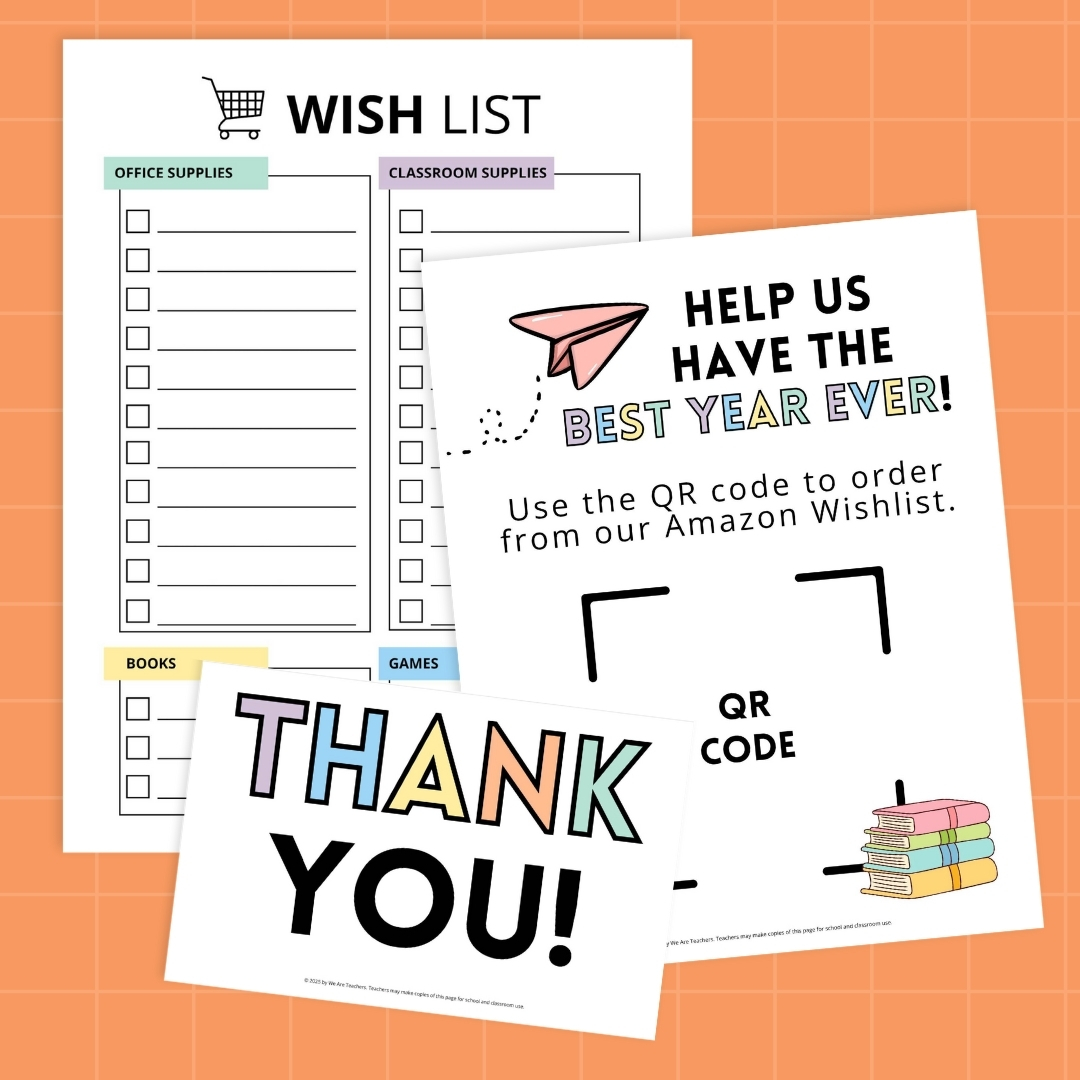
- Late Summer (July–August): Research phase. Educators should bookmark key deadlines and organize their "wish lists."
- Fall (September–November): Initial application window. Many major corporate foundations accept applications for the following year during this period.
- Winter (December–February): Review and reporting. This is the ideal time to apply for mid-year grants or to submit proposals for spring and summer professional development opportunities.
- Spring (March–May): Finalization of projects. Educators should prepare end-of-year impact reports for the grants they received, which is essential for maintaining eligibility for future funding cycles.
Conclusion and Best Practices
Securing education grants is an iterative process that rewards persistence. Beyond the specific programs listed, educators should consider building a "grant portfolio," consisting of a standard mission statement for their classroom, a clear list of project needs, and pre-written impact assessments. By streamlining the application process, teachers can maximize the amount of time they spend in the classroom while still tapping into the necessary funding to enhance the student experience.
Ultimately, while the $860 out-of-pocket average remains a point of contention for education policymakers, the existence of these grants provides a vital mechanism for ensuring that classrooms remain well-equipped. By leveraging corporate social responsibility, private philanthropy, and government-backed initiatives, teachers can continue to provide high-quality learning experiences regardless of the limitations imposed by standard operating budgets. Educators are encouraged to remain proactive, regularly check the official portals of the aforementioned organizations, and maintain transparency in their reporting, ensuring that every dollar granted serves its primary purpose: the advancement of student learning.

