
A devastating aviation disaster unfolded on a Sunday afternoon in Palm Beach County, Florida, when a private Learjet 60 plummeted from the sky and crashed into a densely populated residential neighborhood just miles from Mar-a-Lago. All nine individuals on board—including a Texas tech entrepreneur, his wife, their two young children, their nanny, a young aspiring pilot, and two close friends—were killed instantly upon impact. The catastrophic event sent shockwaves through local communities, tech hubs in Texas, and aviation circles nationwide. As federal investigators dive deep into the wreckage and flight data, preliminary findings suggest severe weather conditions and a sudden, violent loss of altitude played critical roles in the catastrophe.
The Flight Path and Fatal Sequence of Events
The doomed journey began on a Sunday morning at Austin-Bergstrom International Airport in Texas. At approximately 10:37 a.m. local time, the Learjet 60—operated under charter guidelines—lifted off the tarmac with a flight plan bound for North Eleuthera in the Bahamas. The weather at departure was routine, and the initial phase of the flight proceeded without any public indication of trouble.
For more than two hours, the aircraft cruised at an altitude of 35,000 feet, traversing the Gulf of Mexico and approaching the Florida coastline. However, as the jet neared South Florida shortly before 1:00 p.m., the atmospheric conditions deteriorated rapidly. According to data released by the National Transportation Safety Board (NTSB), the flight crew contacted air traffic control to report encountering light clear-cut icing and moderate turbulence.
Seeking smoother air, the pilot requested permission to climb from 35,000 feet to 37,000 feet. Almost immediately following this request, the situation inside the cockpit devolved into a rapid emergency. NTSB member Tom Chapman noted during a Monday press briefing that the flight crew communicated an overspeed and descent condition, radioing controllers with the chilling words: "We are in an overspeed condition, descending."
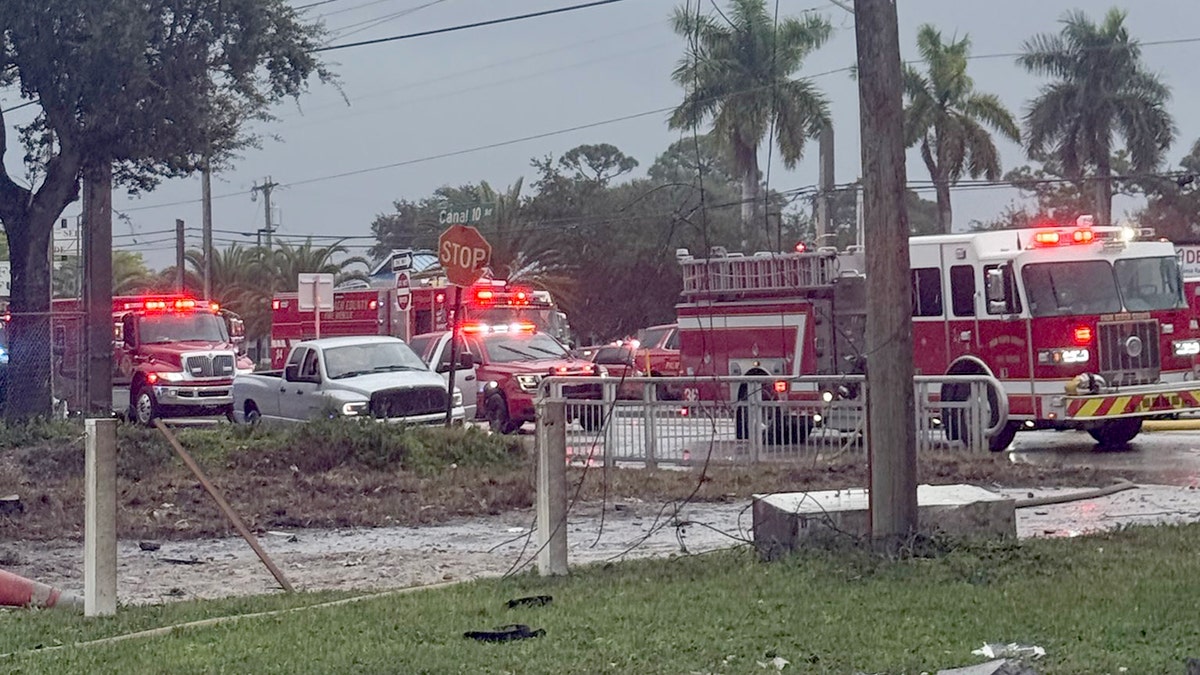
Radar data indicates the aircraft began tumbling out of the sky at a catastrophic rate. Preliminary indications from the NTSB suggest that the aerodynamic forces during the rapid descent and overspeed condition may have caused the airframe to begin breaking apart before it ever struck the ground. At approximately 1:00 p.m., the aircraft impacted the Palm Beach County neighborhood, erupting into a massive fireball that showered debris over local ball fields, commercial businesses, and residential properties. Miraculously, no residents in the immediate impact zone were killed, though at least one person on the ground sustained a non-fatal leg injury from flying debris.
Victims Profiled: Lives Cut Short
The human toll of the Palm Beach County crash is immense, touching families, businesses, and communities across Texas, Florida, and beyond. As official confirmations continue to filter through, the identities of those on board have painted a picture of a flight carrying successful professionals, hopeful youth, and an innocent young family.

Nathalia Gadelha Filgueiras, 20
Among the victims was 20-year-old Nathalia Gadelha Filgueiras, an extraordinarily driven young aviator from Palm Beach County. Filgueiras had already achieved milestones that most aspiring pilots only dream of decades into their careers. She earned her private pilot’s license at the tender age of 17—notably achieving this feat before she even obtained her standard driver’s license. Having trained rigorously through her high school’s specialized aviation academy and subsequently graduating from the renowned American Flyers flight school, Filgueiras was well on her way to a thriving career as a commercial airline pilot. Her sudden death has left her peers and mentors in the South Florida aviation community mourning a brilliant, passionate talent.
The Robinson Family: Adam, Helen, Emma, and Charlie
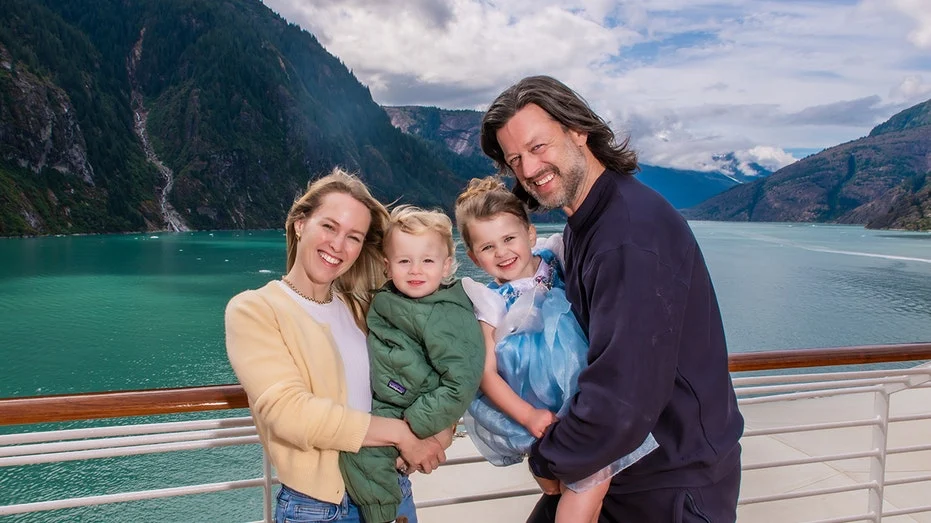
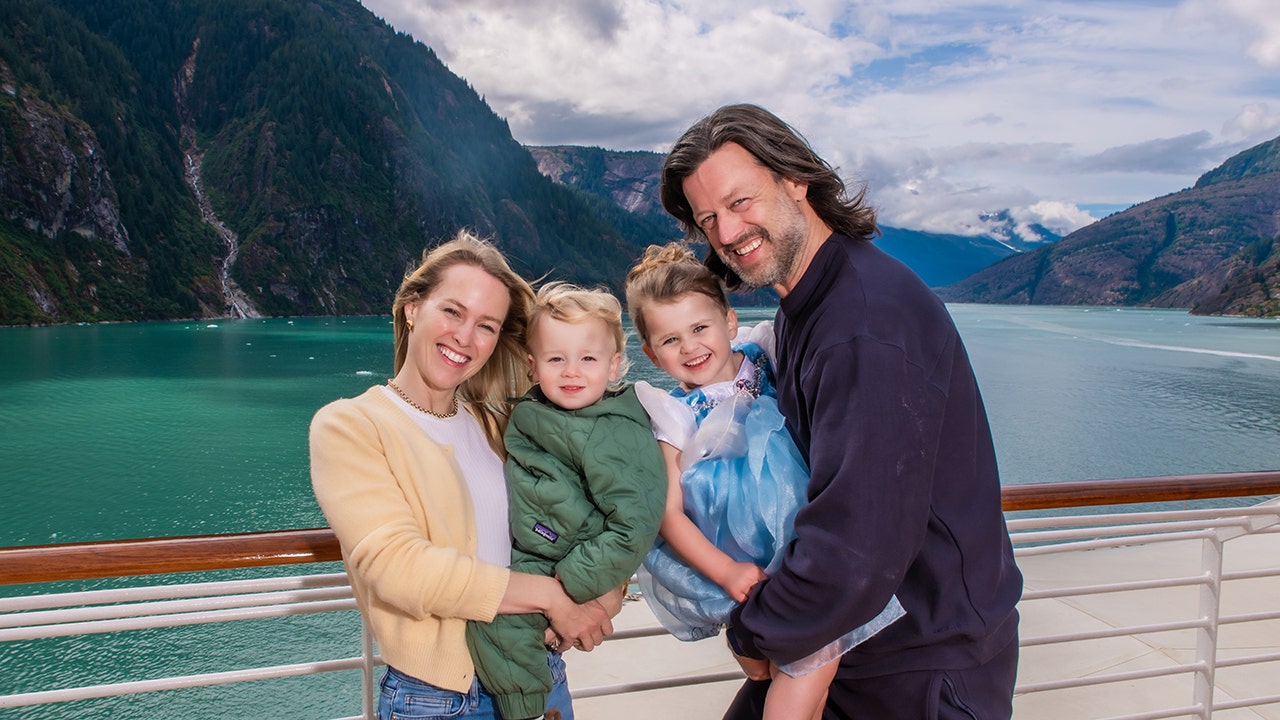
The disaster wiped out an entire young family from Austin, Texas. Adam Robinson, 45, was a prominent tech entrepreneur, visionary, and devoted father. He served as the CEO and co-founder of Retention.com, alongside leadership roles at RB2B and Moltsets. Known as a bold, outspoken leader within the tech sector, Robinson brought relentless energy and sharp strategic conviction to every venture he touched.
Adam was traveling alongside his wife, Helen Sharp, 40. Sharp was an accomplished entrepreneur, a skilled potter, and the owner of a public relations firm. The couple was accompanied by their two young children: 4-year-old Emma and 2-year-old Charlie.
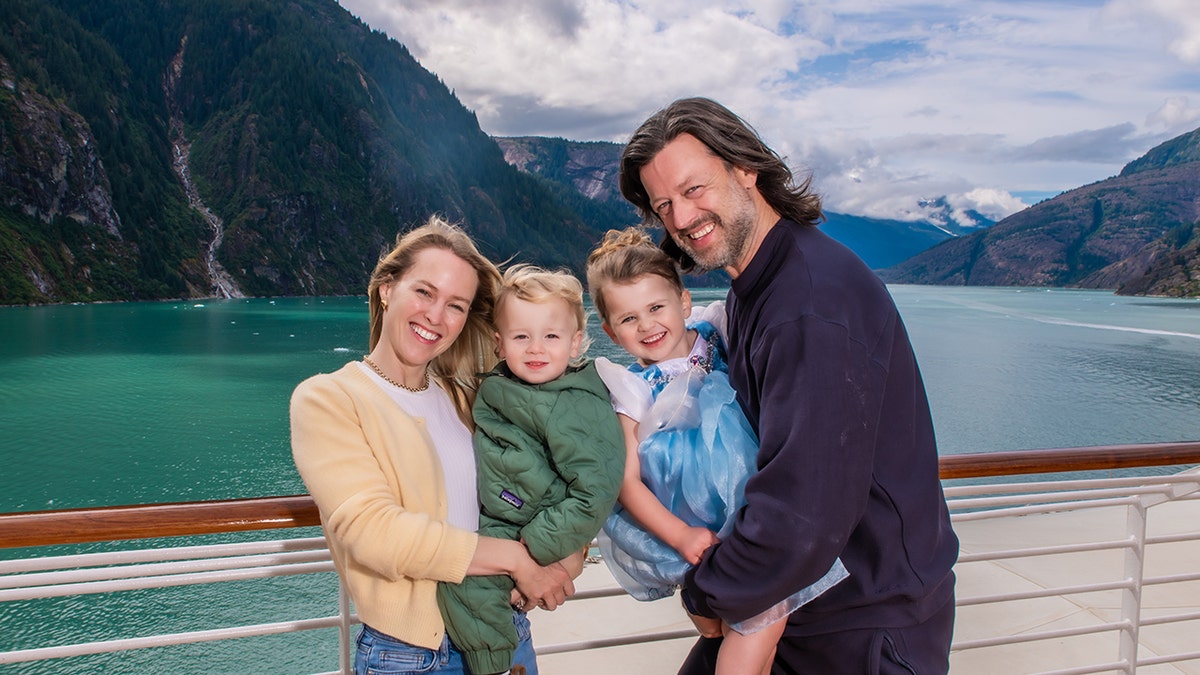
In a joint statement released through representatives, the Robinson, Sharp, Reed, Fehr, and Cetina families expressed their collective grief: "We are heartbroken by the loss of Adam Robinson, our CEO and co-founder, his wife Helen and their two young children… Adam was much more than our CEO. He was a friend, a mentor and a bold, outspoken leader who lived life to the fullest. Emma and Charlie were the light of their lives, and the love affair between Adam and Helen is one that will last forever."
Anita Maria Cetina
Traveling with the Robinson family was Anita Maria Cetina, who served as the primary caregiver for young Emma and Charlie. Cetina was widely considered by the family to be an integral part of their household. In statements released following the crash, the family emphasized the profound impact she had: "She showed us a legacy of unconditional love and devotion. Anita cared for the children with tenderness and devotion and was truly part of the family."
Rachael Reed and Charmi Fehr
Also on board the fatal flight were Rachael Reed and Charmi Fehr, two individuals who were building a life together defined by shared passions and mutual adoration. According to their grieving families, the pair was "all in on each other and the life they were building," characterized by a sense of boundless joy and adventure. "They loved their people fiercely, fully and without hesitation. They are deeply loved, and we will miss them endlessly."

Federal Investigation: Weather and Structural Integrity Under the Microscope
The National Transportation Safety Board (NTSB), alongside the Federal Aviation Administration (FAA), has spearheaded an intensive multi-agency investigation to pinpoint the exact sequence of events that led to the Learjet 60’s fatal plunge.
Investigators have signaled that environmental conditions are a central focus of their inquiry. The crew’s reports of severe icing and moderate turbulence at high altitudes point toward weather-related phenomena as a potential catalyst for the disaster. Aviation experts note that sudden high-altitude icing can drastically alter the aerodynamic profile of a swept-wing jet like the Learjet 60, potentially leading to a loss of control if de-icing systems are overwhelmed or if the aircraft enters an unexpected aerodynamic stall.

Furthermore, preliminary telemetry and physical evidence recovered from the scatter zone suggest that the aircraft may have suffered structural failure in mid-air. Investigators are carefully examining whether the overspeed condition reported by the crew generated structural stresses that exceeded the airframe’s design limits during the chaotic descent.
The process of analyzing the wreckage, recovering flight data recorders (black boxes), and reviewing air traffic control audio recordings is expected to take months. As standard protocol, the NTSB will examine maintenance logs, pilot training records, weather radar logs from the day of the flight, and company operating procedures for the charter aircraft.
Broader Implications for Private Aviation and Safety
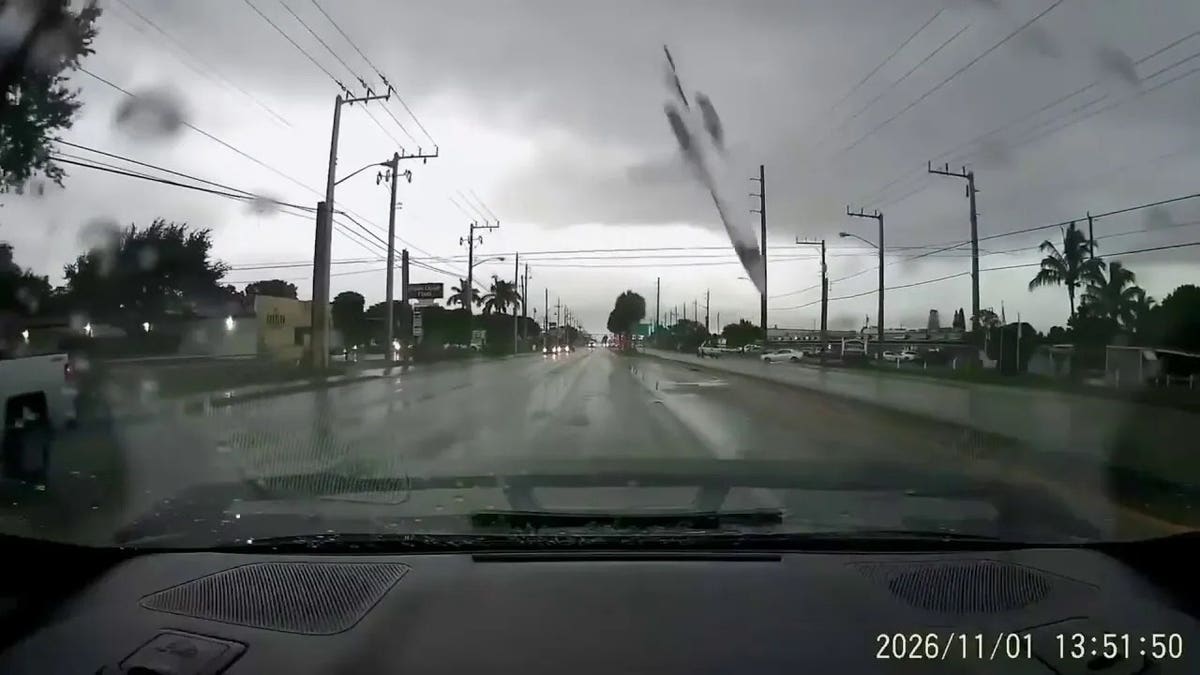
The tragedy in Palm Beach County has sparked renewed discussions regarding the safety protocols, weather monitoring, and structural tolerances of older-generation light business jets operating under private or charter designations. While commercial aviation maintains an extraordinarily high safety standard, private and charter flights often encounter diverse operational pressures, variable maintenance oversight, and complex weather phenomena that require precise crew resource management.
As the aviation industry reflects on this immense loss of life, regulatory bodies continue to emphasize the importance of advanced training for high-altitude weather emergencies, particularly regarding icing and sudden aerodynamic degradation. For the communities in Austin and South Florida, however, the statistical analyses and regulatory reviews remain secondary to the immense human grief left in the wake of a Sunday afternoon that changed nine lives forever.
Fox News Digital has reached out to Aurora Aviation and associates of the victims for further statements as the independent verification of all manifest details continues. Authorities urge anyone with video footage, eyewitness accounts, or physical debris found outside the immediate impact zone to contact local law enforcement or federal investigators to aid in the ongoing probe.

