
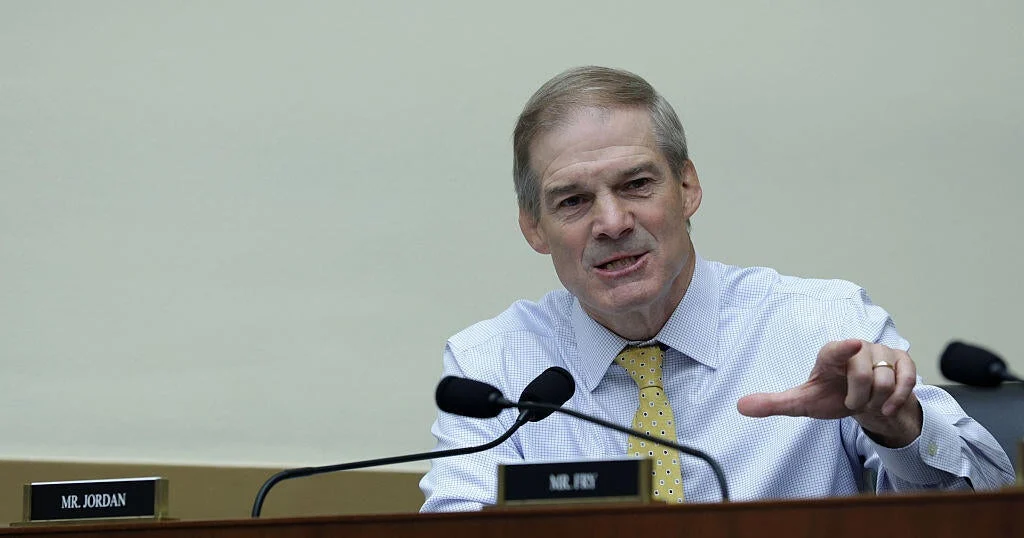
The internal election follows a cycle defined by electoral turbulence. Republicans saw their House majority crumble, losing more than 40 seats in a result that analysts attribute to a combination of legislative gridlock, internal infighting, and shifting voter sentiment regarding the party’s direction. By choosing Jordan—a founding member of the House Freedom Caucus and a staunch ally of former President Donald Trump—the conference is signaling a commitment to an aggressive, confrontational approach to opposition politics rather than the institutionalist model represented by leaders like Scalise.
A Chronology of Leadership Instability
The selection of Jordan is the latest chapter in a multi-year period of instability for the House Republican Conference. The seeds of the current crisis were sown in 2023, following the historic ouster of former Speaker Kevin McCarthy. The ensuing vacuum created a power struggle that tested the unity of the party, ultimately resulting in the surprise ascent of Mike Johnson.
Throughout 2024 and 2025, the Republican conference struggled to maintain a unified front on fiscal policy, defense spending, and judicial oversight. The inability to move legislation through the chamber—often due to deep-seated ideological divides between moderate members and the Freedom Caucus—left the party vulnerable during the 2026 campaign cycle. As the party heads into the next Congress, the shift to Jordan represents a consolidation of power by the party’s conservative wing, which argued that previous leadership failed to present a coherent, battle-ready alternative to the Democratic agenda.
The Candidates: A Contrast in Styles
The contest between Jim Jordan and Steve Scalise presented Republican members with two distinct visions for the future of the party.
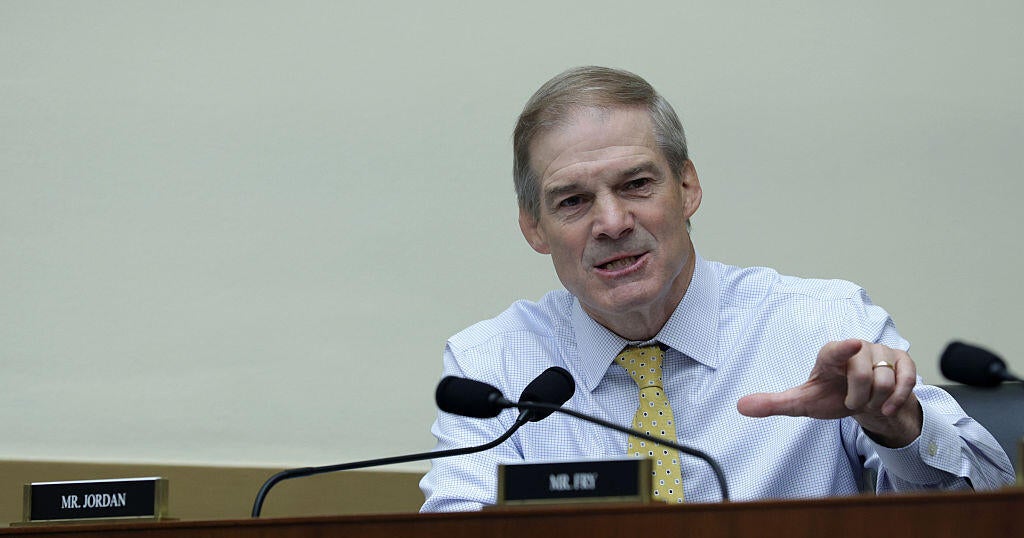
Jim Jordan, representing Ohio’s 4th Congressional District, has spent his career cultivating an image as a firebrand. As Chairman of the House Judiciary Committee, he has been the primary architect of various high-profile investigations into the executive branch. His candidacy letter focused on the need for a tactical overhaul, explicitly stating, "For too long, we have operated without a clear plan to survive the hour or the day in front of us. That will not cut it against an emboldened and energetic Democratic majority." His supporters view him as the only leader capable of keeping the caucus energized and unified in the face of legislative setbacks.
Steve Scalise, the veteran congressman from Louisiana, brought a resume centered on institutional experience. Having served as majority whip, minority whip, and majority leader, Scalise offered a platform of stability and legislative procedural expertise. His campaign was underscored by a narrative of resilience, referencing his recovery from the 2017 shooting at a congressional baseball practice and his successful treatment for multiple myeloma in 2023. Despite his deep ties to the party establishment and his long-standing fundraising prowess, the membership’s appetite for a change in tone ultimately favored Jordan’s combative rhetoric.
Analyzing the 2026 Midterm Fallout
The loss of 40 seats is a catastrophic outcome for the GOP, effectively neutralizing their ability to obstruct the legislative agenda of the executive branch. Political analysts point to several factors for this decline. First, the demographic shifts in suburban districts—long a battleground for House control—moved decisively toward Democratic candidates. Second, the perception of "legislative paralysis" within the House was effectively weaponized by Democratic challengers, who campaigned on the necessity of returning to functional governance.
Data from the 2026 election cycle indicates that independent voters, who had leaned Republican in previous cycles, largely defected due to concerns over government shutdowns and the lack of bipartisan cooperation. With the party now in the minority, the challenge for Jordan will be twofold: maintaining the loyalty of a fractured, demoralized conference while attempting to rebuild the party’s brand among a broader, more moderate voting base.
Institutional Implications and Future Strategy
The departure of Speaker Mike Johnson leaves a void that the party must fill as it transitions to its new role as the minority party. Johnson, who rose from obscurity to lead the chamber during one of its most chaotic eras, has yet to clarify whether he will remain in the House or seek opportunities outside of federal politics. His exit reflects the reality of the post-election landscape, where the primary responsibility of leadership will shift from managing a slim, difficult majority to crafting a cohesive narrative of opposition.

Under Jordan’s leadership, observers expect the House Judiciary Committee and other key oversight bodies to become even more aggressive in their scrutiny of the federal government. However, there is internal concern among some pragmatic Republicans that this strategy could backfire. If the caucus is perceived as being solely interested in ideological warfare rather than addressing the concerns of the American public—such as inflation, healthcare costs, and immigration—the party may face further losses in the 2028 election cycle.
Reactions and Legislative Outlook
The reaction to Jordan’s election has been largely divided along ideological lines within the party. Supporters within the Freedom Caucus view the move as a necessary cleansing of the old guard, believing that only a confrontational approach can halt the Democratic agenda. Conversely, more moderate members have expressed private reservations, fearing that the party’s move to the right will make it increasingly difficult to win back the suburban voters lost in the last election.
Democratic leadership has responded to the news with measured rhetoric, suggesting that they are prepared to work with any Republican who is willing to engage in substantive policy discussions, while simultaneously bracing for a more hostile floor environment.
The immediate task for the new leadership team is the committee assignment process and the crafting of the legislative agenda for the upcoming session. With the minority leader role now filled, the House GOP must also determine how to allocate its reduced resources, specifically in terms of staff and funding for investigations.
Conclusion
The election of Jim Jordan as House Minority Leader serves as a mirror to the current state of the Republican Party—a movement currently defined by its commitment to populist ideals and a rejection of the status quo. As the 120th Congress prepares to convene, the shift in leadership suggests a period of intense, high-stakes political maneuvering. Whether this transition will lead to a resurgence of conservative influence or further marginalization of the party remains the central question for Washington in the coming years. The party’s path forward will depend not only on Jordan’s ability to lead his members but on the caucus’s capacity to learn from the electoral failures of 2026 and adapt to a political landscape that is increasingly hostile to their current legislative strategies.

