
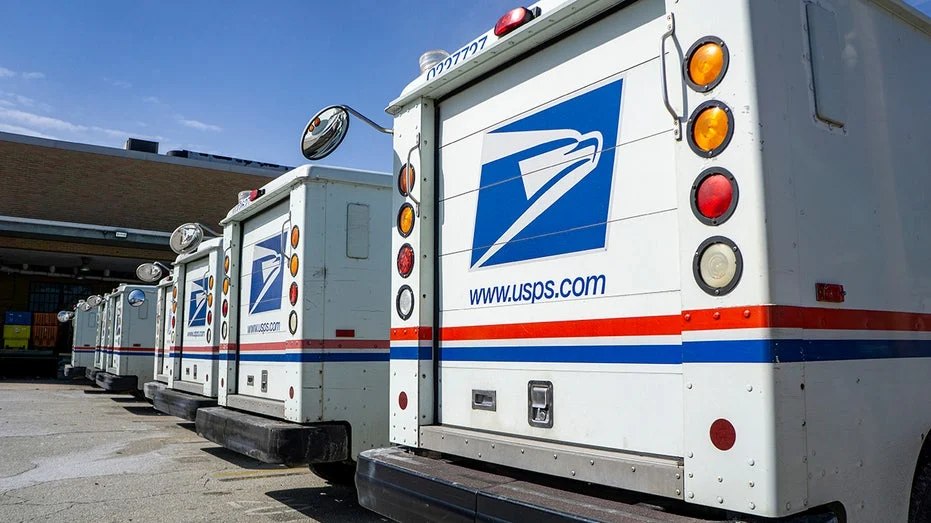
A federal grand jury in Wichita has returned a formal indictment against 59-year-old Kelly R. Cram, a United States Postal Service (USPS) employee, following a sprawling investigation into the systematic disappearance of mail in the region. Cram, a native of Baxter Springs, Kansas, faces a single count of unlawful secretion, destruction, and delay of mail. According to the U.S. Attorney’s Office for the District of Kansas, the charges stem from an alleged pattern of behavior that began in October and resulted in the accumulation of over 4,400 pieces of mail inside the defendant’s private residence.
The gravity of the indictment is heightened by the specific nature of the recovered materials. Investigators executing a search at Cram’s residence discovered approximately 400 political mailers, all of which were exclusively related to Republican candidates or party-affiliated political action committees. Notably, law enforcement officials reported that no mailers associated with other political parties were found at the location, suggesting a highly targeted disruption of electoral communications.
Chronology and Scope of the Investigation
The investigation, led by the U.S. Postal Service Office of Inspector General (OIG), began after local residents and political organizations reported significant gaps in the delivery of campaign literature during the height of the 2026 election cycle. The postal service, which handles millions of pieces of mail daily, relies heavily on the public trust afforded to its carriers to maintain the integrity of democratic processes, particularly during election seasons.

The timeline of the alleged offenses spans several weeks leading up to the November elections. During this period, federal agents monitored reports of undelivered mail in the Baxter Springs area. By the time the search warrant was executed, the sheer volume of sequestered items—totaling 4,404 pieces—pointed to a long-term breach of postal protocols. The recovery of these items from a private garage underscores the vulnerability of the mail-in system when internal safeguards are bypassed by those entrusted with the chain of custody.
The Role of the U.S. Postal Service in Elections
The indictment of Cram comes at a time of heightened scrutiny regarding the U.S. Postal Service’s performance and accountability. In recent months, congressional leaders, including Senator Josh Hawley, have pushed for expanded oversight of the agency, citing concerns over missing ballots and delayed election-related materials. The OIG is currently tasked with balancing the agency’s operational efficiency with the constitutional requirement of ensuring the sanctity of the mail.
Historically, the USPS has been the backbone of American civic engagement, particularly as states have expanded mail-in voting options. However, incidents such as the one in Kansas provide fodder for critics who argue that the agency is ill-equipped to handle the security requirements of modern political cycles. When a postal worker intentionally withholds political flyers, it constitutes more than a simple breach of employment policy; it represents a direct interference with the ability of candidates to communicate their platforms to the electorate.
Broader Context of the Kansas Election Landscape
The discovery of the targeted mail theft occurs against the backdrop of a highly competitive political environment in Kansas. As voters headed to the polls, the state was gripped by high-stakes races at both the federal and state levels. Senator Roger Marshall, the incumbent Republican, has been actively campaigning against Democratic challenger Adam Hamilton. Senator Marshall has spent much of the campaign focusing on the economic anxieties of rural Kansas, specifically targeting inflation, agricultural policy, and the cost of living—issues he argues have been exacerbated by current federal fiscal policies.

Simultaneously, the race for the governor’s mansion has dominated state headlines. The contest between Republican Senate President Ty Masterson and Democratic State Senator Cindy Holscher serves as a bellwether for the state’s political direction. The intensity of these races—compounded by the presence of all four of Kansas’s U.S. House seats on the ballot—meant that every piece of campaign literature was considered essential for voter outreach. By allegedly hoarding Republican-specific mail, the defendant effectively hindered the visibility of those campaigns within the affected district.
Fact-Based Analysis of Implications
The legal implications for Kelly R. Cram are severe. Under 18 U.S. Code § 1703, the obstruction of correspondence by a postal employee is a federal offense that carries the possibility of significant fines and incarceration. The fact that the materials were politically motivated may lead prosecutors to seek enhanced penalties, as such actions can be construed as an attempt to impede the democratic process.
From a structural perspective, this incident highlights the persistent "insider threat" risk within the postal service. While the vast majority of USPS employees perform their duties with integrity, the scale of this cache—nearly 4,500 pieces of mail—suggests that oversight mechanisms may have failed to detect the accumulation until long after the disruption had begun.
Furthermore, the public perception of election integrity is fragile. Even a localized incident of mail theft can be amplified in the digital age, fueling distrust in the postal system. If voters believe that their mail—be it ballot applications, ballots themselves, or candidate information—is not reaching its destination due to the political biases of individual employees, the overall confidence in the electoral process suffers. This incident serves as a case study for election officials and federal law enforcement on the necessity of proactive surveillance during active election periods.
Official Responses and Next Steps
The U.S. Attorney’s Office for the District of Kansas has remained tight-lipped regarding additional details, as the case is currently moving through the federal court system. No official statement has been provided by the defense counsel for the accused, and the Postal Service has limited its public comments to confirming that an internal investigation was initiated as soon as discrepancies were identified.
The Office of the Inspector General continues to work with the Department of Justice to ensure that all recovered mail is processed and, where possible, delivered to its intended recipients. However, given the timeframe of the alleged thefts, many of these materials are now outdated, having missed the window of the election.
Conclusion
As Kansas navigates the aftermath of the 2026 election, the case of Kelly R. Cram serves as a sober reminder of the intersection between administrative duty and political integrity. While the legal system will determine the personal culpability of the defendant, the incident has already ignited a broader conversation about the security of the mail system.
In a state where rural voters feel the impact of economic policies most acutely, the flow of information via the postal system remains a vital lifeline for political discourse. The preservation of this channel is not merely an operational necessity for the USPS, but a foundational requirement for a functioning representative democracy. As federal prosecutors proceed with the indictment, the public will be watching to see how the agency addresses the systemic vulnerabilities that allowed this breach of trust to occur for several months without detection. The resolution of this case will likely influence future protocols for mail security, particularly as the nation prepares for future election cycles where the integrity of every piece of mail remains paramount.

