
The automotive philosophy that defined the mid-1960s—the strategic pairing of high-displacement powerplants with lightweight, agile chassis—has officially migrated to the marine industry. For the 2027 model year, Kawasaki has executed a bold product strategy that mirrors the legendary engineering choices of John Z. DeLorean during his tenure at Pontiac. By integrating its most potent 310-horsepower, 1.5-liter supercharged engine into the nimble STX hull, Kawasaki is signaling a definitive shift in its competitive strategy, aiming to reclaim its status as the premier force in personal watercraft (PWC) performance.
A Legacy of Innovation: From JS400 to the Supercharged Era
To understand the magnitude of the 2027 lineup, one must look at the historical trajectory of Kawasaki’s involvement in the marine sector. In 1973, the company effectively birthed the modern PWC industry with the introduction of the JS400. This machine, characterized by its 27-horsepower 2-stroke engine, established the "stand-up" format that dominated the early market. However, these machines were notoriously difficult for novices to operate, requiring significant physical conditioning and balance.
Throughout the 1980s and 1990s, the market underwent a seismic shift toward sit-down models. This evolution was driven by consumer demand for stability and ease of use. As the industry matured, the focus turned toward cleaner, more efficient 4-stroke technology. By 1999, Kawasaki introduced its 1.5-liter engine, derived from its high-performance motorcycle division, producing a then-impressive 150 horsepower. The subsequent introduction of supercharging in 2007 pushed output to 250 horsepower, fundamentally altering the expectations of performance enthusiasts.
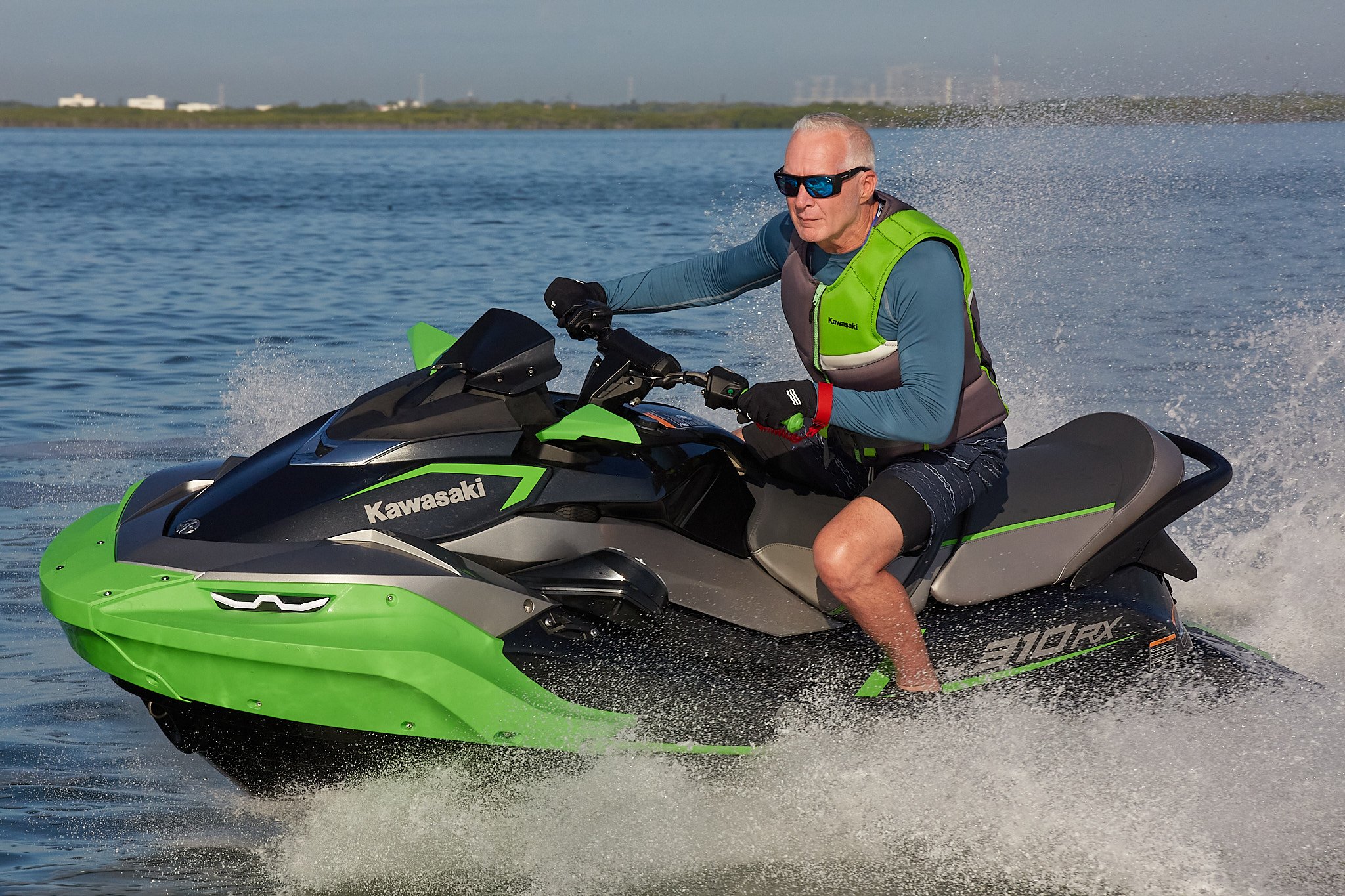
The 2027 model year represents the culmination of this technological advancement. Leveraging the Eaton Twin Vortices System (TVS) supercharger—a design validated by high-performance automotive applications like the Chevrolet Corvette ZR1—Kawasaki has pushed output to 310 horsepower. This power-to-weight optimization is the centerpiece of the new STX 310, a machine engineered to bridge the gap between pure agility and raw, straight-line speed.
Engineering the STX 310: A Technical Overview
The engineering team at Kawasaki focused on removing mechanical resistance to ensure that the 310-horsepower engine could reach its potential within the compact STX frame. The drivetrain features a sophisticated 4-into-2-into-1 exhaust system equipped with dual water mufflers, specifically tuned to reduce backpressure. This configuration allows the engine to breathe more freely at high revolutions, maximizing both torque and power delivery.
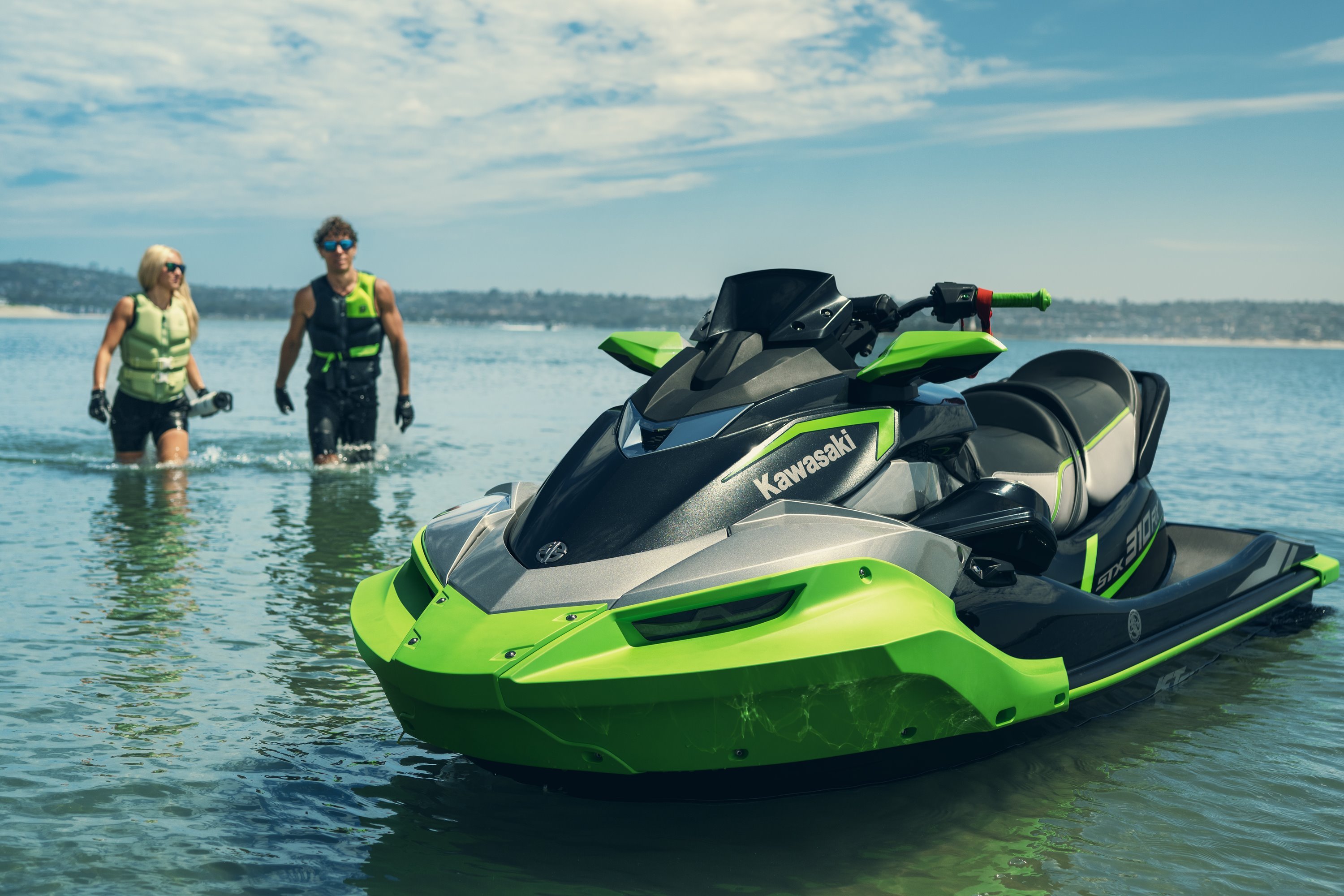
The propulsion system is equally critical. The 160-mm jet pump utilizes a precision-engineered three-blade impeller. Each blade angle has been calibrated via computational fluid dynamics to optimize thrust at the point of initial acceleration. When paired with the lightweight STX hull, the result is a top speed of 65 mph, a performance threshold that is rare for a watercraft of this size and classification.
Rider Interface and Electronic Sophistication
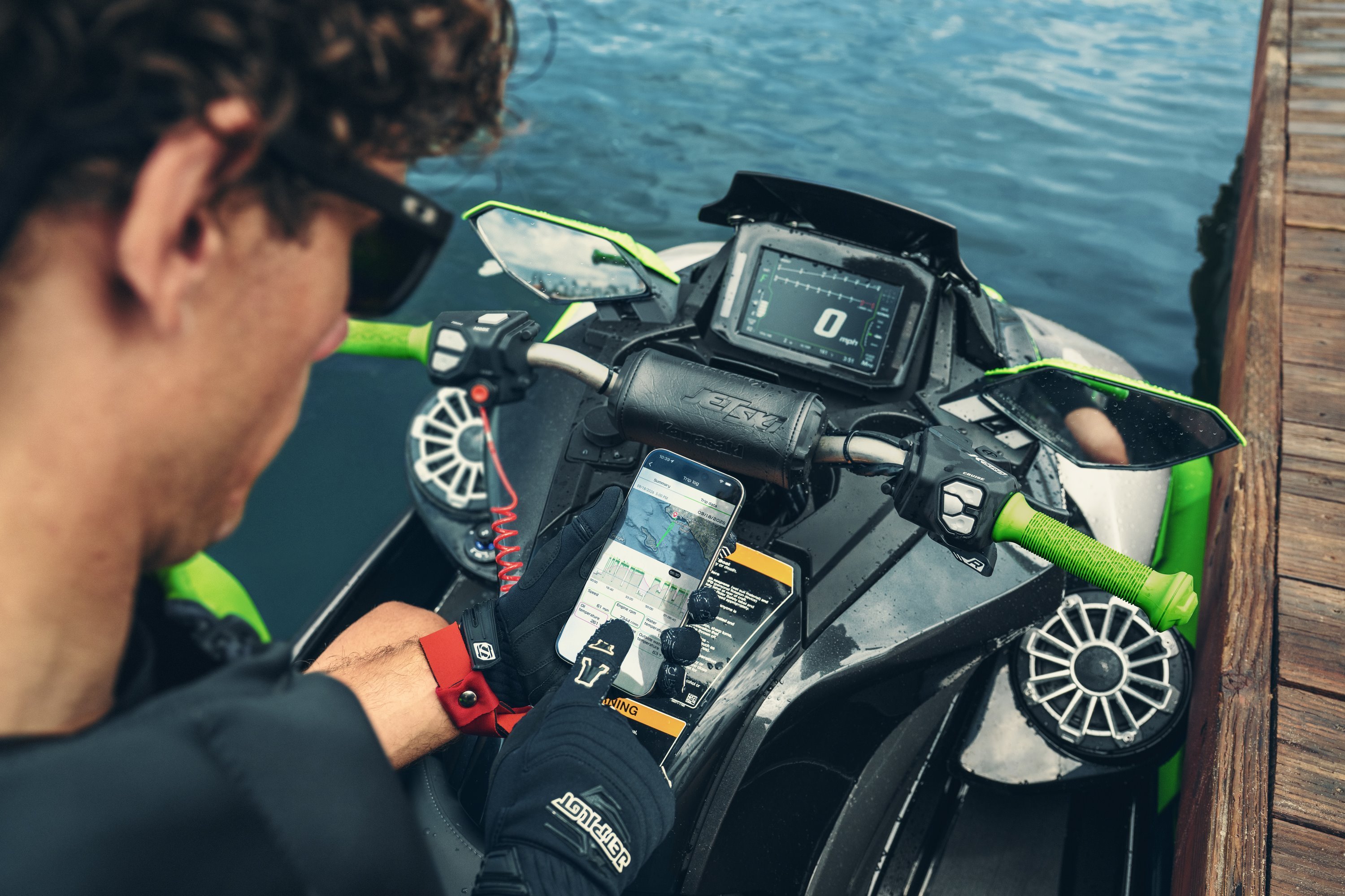
Modern personal watercraft are no longer defined solely by engine output; their utility is increasingly determined by electronic control systems. The 2027 STX 310RX features a comprehensive 7-inch digital dashboard. This interface provides real-time telemetry, including supercharger boost levels, trim settings, fuel consumption, and navigational compass data. Perhaps most significantly for water sports enthusiasts, the inclusion of an integrated rear-view camera allows for safer towing of skiers and wakeboarders, addressing a long-standing visibility challenge for PWC operators.
Kawasaki has also implemented a tiered power management system to accommodate varying skill levels and water conditions:
- Full Power Operation (FPO): Unleashes the complete 310-horsepower potential of the engine.
- Middle Power Operation (MPO): Limits peak output to 80 percent, ideal for moderate cruising.
- Lower Power Operation (LPO): Further constrains power to 60 percent with a dampened throttle response.
- Smart Learning Operation (SLO): A restricted mode requiring a dedicated key, designed to prevent novice riders from inadvertently accessing the machine’s maximum capabilities.
Additionally, the introduction of "Launch Control" technology—which automatically adjusts the jet pump’s trim during acceleration—ensures that the bow remains at an optimal angle as the craft planes. The inclusion of one-touch 5-mph cruise control further demonstrates an attention to the regulatory and safety requirements of modern recreational waterways.
The Return of the Stand-Up: A Strategic Rebirth
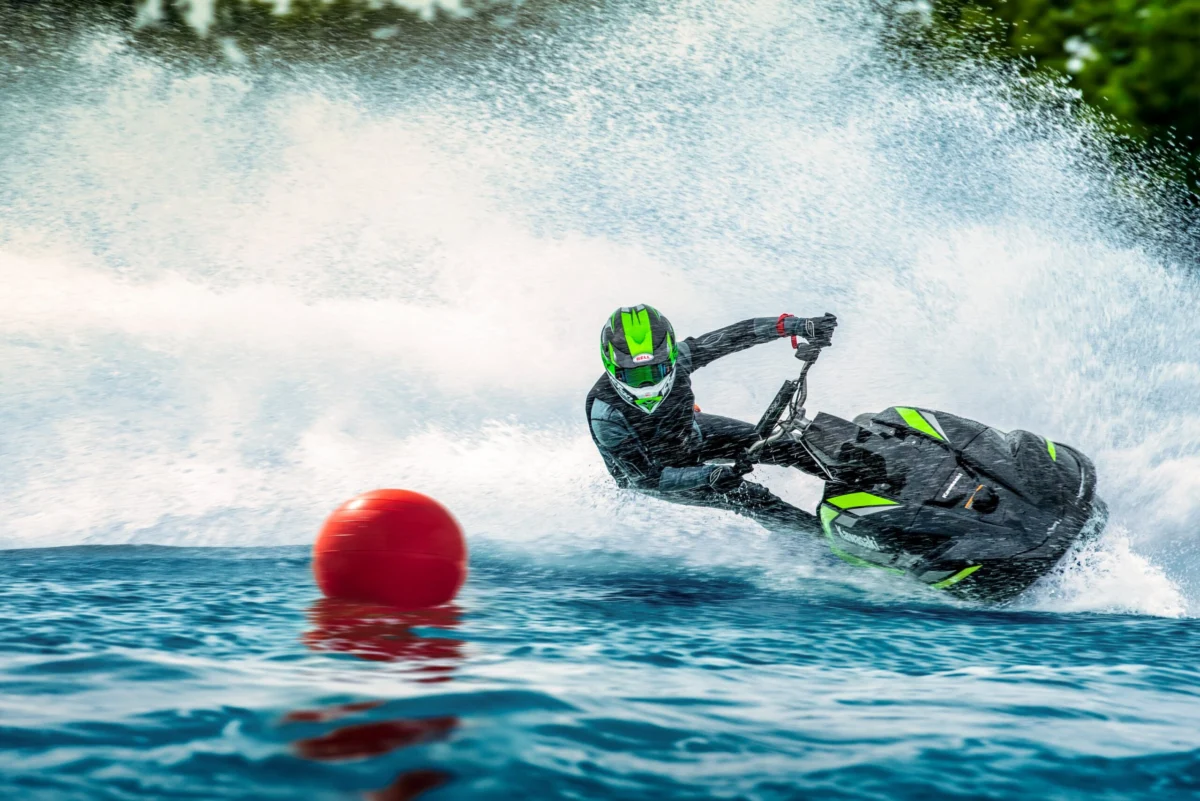
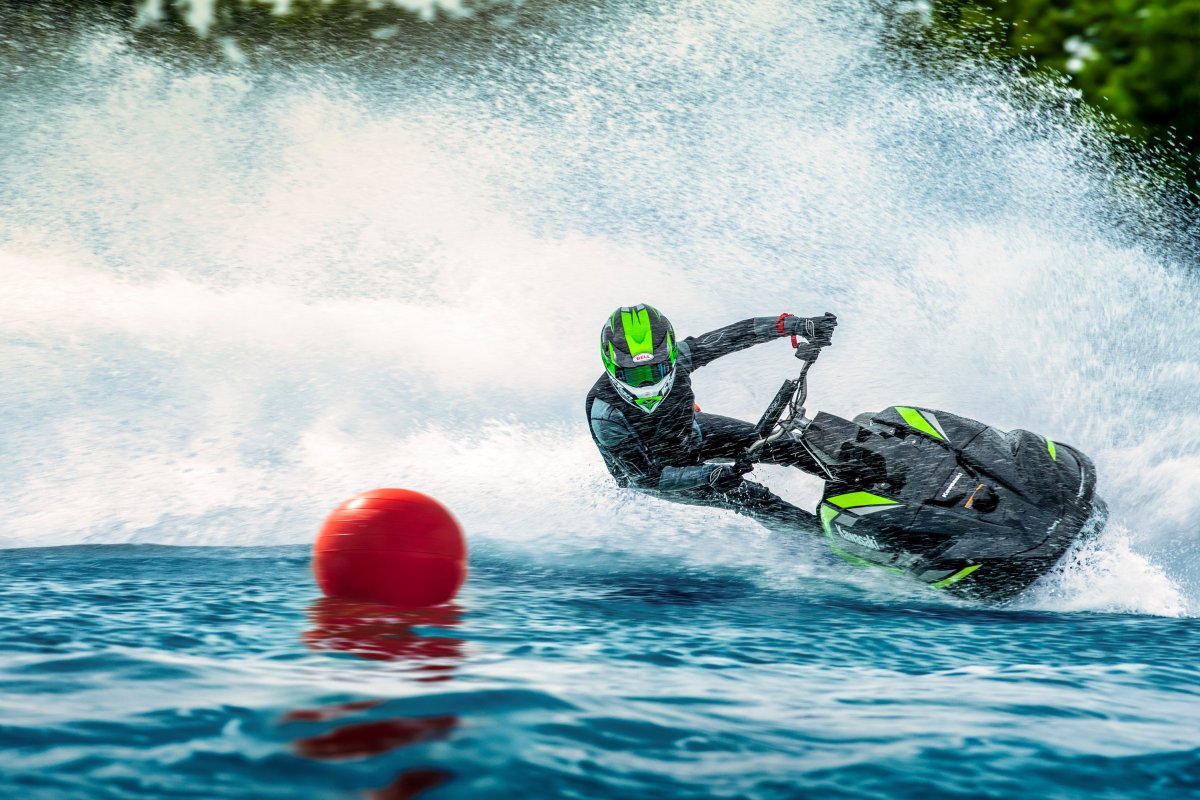
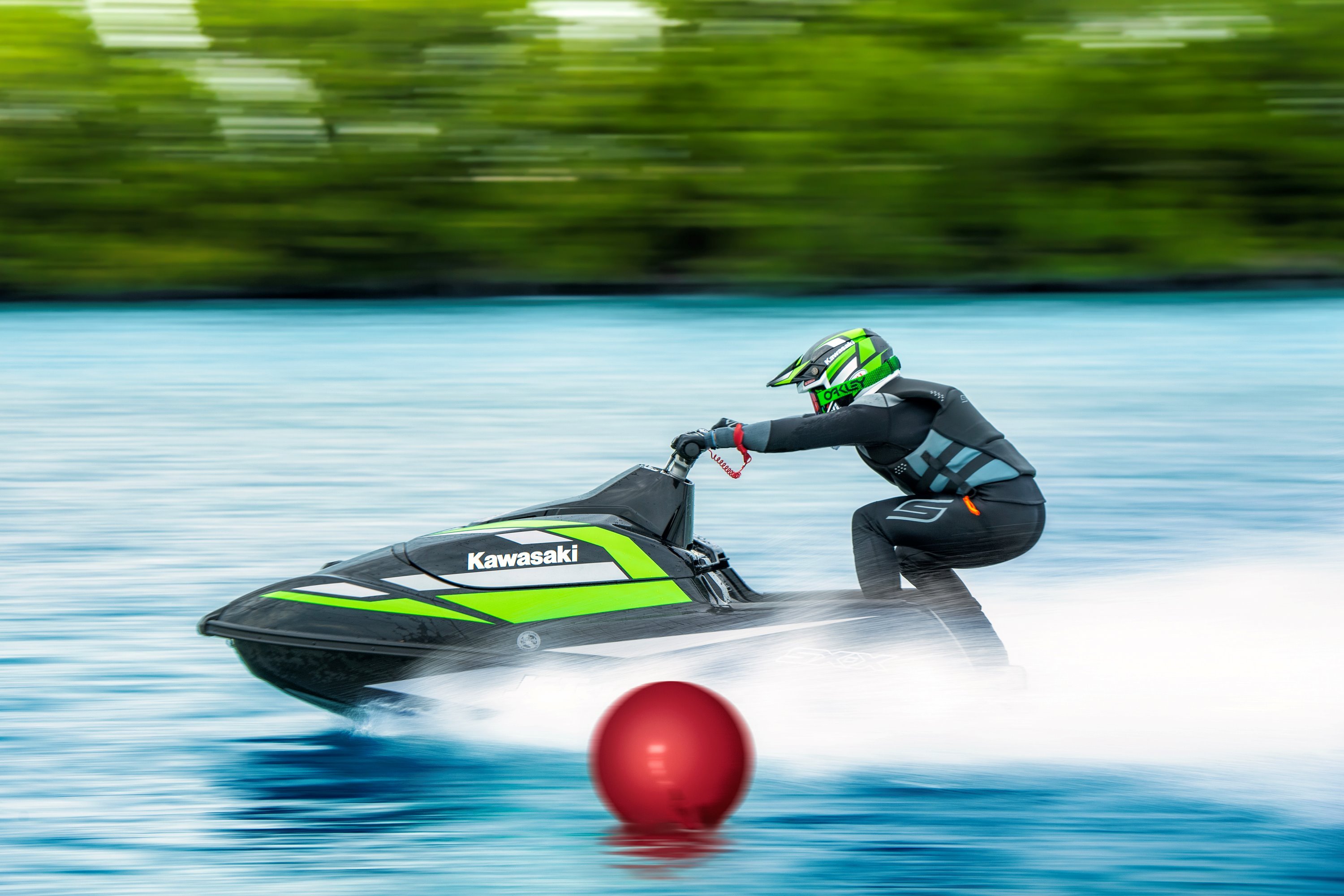
While the STX series captures the high-performance sit-down market, Kawasaki is simultaneously revitalizing its stand-up heritage with the SX-R 160 and SX-X 160. These models utilize a naturally aspirated version of the 1.5-liter engine, producing 160 horsepower.
The distinction between the two models lies in the ergonomics of the control surfaces. The SX-R retains the traditional, adjustable handlebar that pivots from a flat position, while the SX-X introduces a fixed, motocross-style handlebar. This design choice represents a significant departure from previous iterations, aimed at riders who prefer the intuitive, aggressive geometry found in off-road motorcycle racing.
Industry analysts note that this move is a "back to basics" play, intended to capture a demographic of enthusiasts who value technical skill over luxury features. By offering these at a price point of $11,999, Kawasaki is actively competing for the segment of the market that prioritizes maneuverability and the unique thrill of stand-up riding, which had been largely abandoned by the industry in the late 2000s.
Market Implications and Competitive Landscape
The 2027 lineup is a calculated effort by Kawasaki to regain market share from competitors who have dominated the luxury and high-performance PWC segments in recent years. By focusing on the "muscle craft" concept—a term increasingly used in marine circles to describe the marriage of high-output engines and lightweight hulls—Kawasaki is appealing to a specific psychographic of buyer: the performance-oriented consumer who views watercraft as an extension of their interest in powersports and automotive engineering.
The pricing strategy, with the STX 310RX at $20,199 and the STX 310R at $18,799, places these machines in direct contention with premium offerings from other major manufacturers. However, the unique selling proposition remains the "DeLorean-esque" approach of putting the largest possible engine in the smallest possible hull.
Safety and Operational Considerations
Despite the technological advancements, the increase in performance brings inherent responsibilities. The 310-horsepower output of the STX 310 requires a high level of situational awareness. The thrust-based steering system, while efficient, remains a defining characteristic of PWC operation. Kawasaki’s integration of a thrust reverser, which allows for limited steering control even while in neutral or reverse, is a crucial safety feature that mitigates the loss of maneuverability common in older watercraft designs.
The requirement for the wrist lanyard ignition interlock serves as the final, non-negotiable safety mechanism. As the industry pushes toward higher performance thresholds, the focus on such mechanical interlocks becomes even more vital to ensure that runaway machines do not pose a risk to the rider or others on the water.
Conclusion
Kawasaki’s 2027 strategy is a testament to the enduring appeal of high-performance engineering. By honoring its history with the revitalized stand-up models while simultaneously pushing the boundaries of sit-down performance with the STX 310, the company is positioning itself as a leader in both tradition and innovation. As the marine industry continues to evolve, this commitment to "muscle craft" performance will likely dictate the competitive landscape, setting a new benchmark for what riders can expect from the next generation of personal watercraft. Whether through the sheer acceleration of the 310-horsepower supercharged engine or the nimble agility of the returning stand-up lineup, Kawasaki’s latest offerings provide a comprehensive solution for the modern, thrill-seeking enthusiast.

