
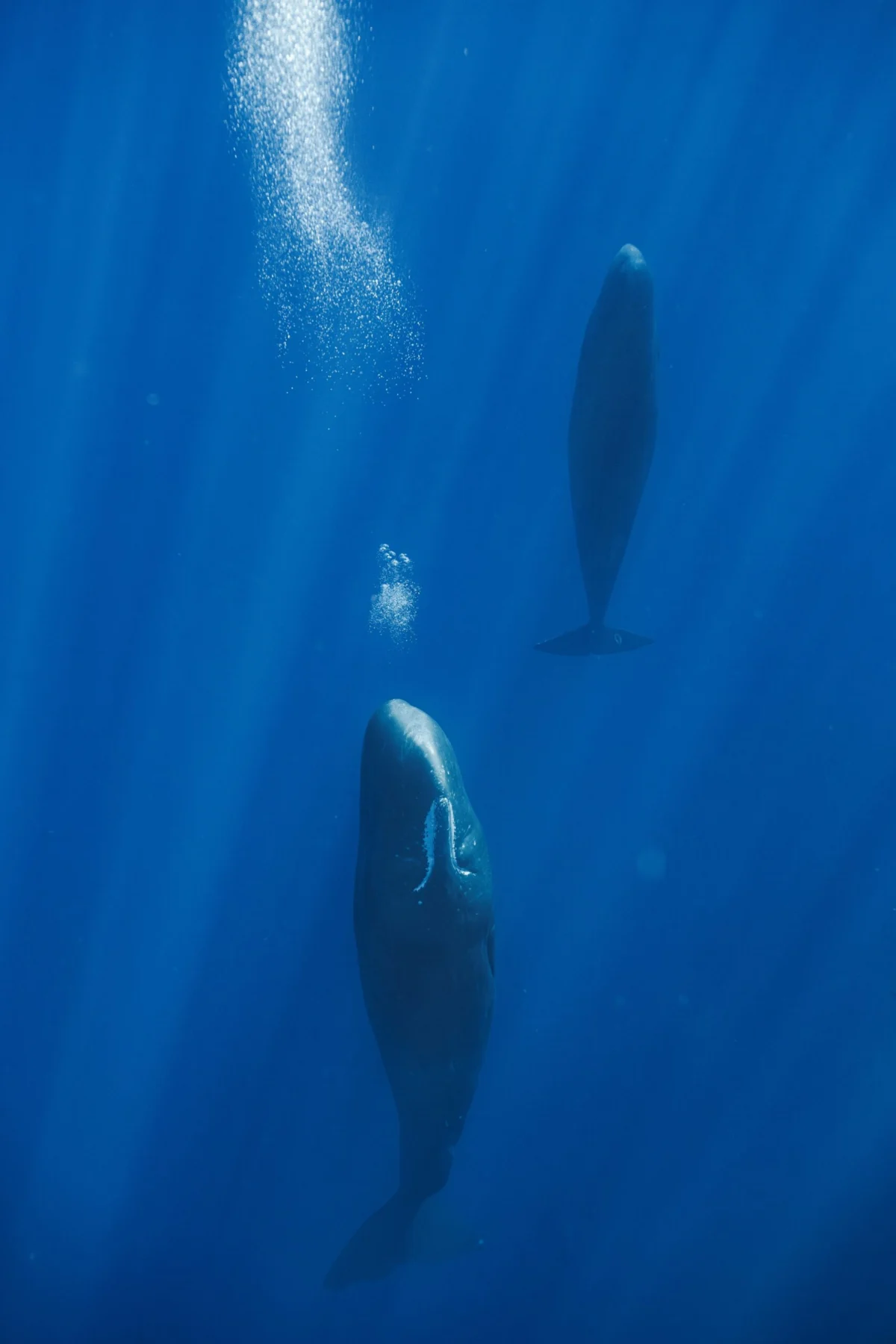
A growing body of research is revealing surprisingly human characteristics in sperm whales ( Physeter macrocephalus )—they might have an alphabet and they even employ vowels like humans in their communication. Now, researchers have investigated another highly familiar behavior in this marine mammal: sleeping. While the intricate communication patterns of these deep-diving giants have long fascinated scientists, their slumber habits have remained somewhat enigmatic. Recent studies, however, are shedding light on how these massive creatures manage to achieve rest in their dynamic ocean environment, particularly how they avoid drifting to the surface while in a state of unconsciousness. The answer, it appears, involves a clever use of biology and physics: blowing bubbles.
The Puzzle of Submerged Slumber
Sperm whales are known for their remarkable diving capabilities, reaching depths of over 6,000 feet in pursuit of their prey, the colossal squid. This deep-sea lifestyle necessitates a unique approach to rest. Unlike many other marine mammals that can sleep with one half of their brain awake, or those that can remain partially active, sperm whales appear to engage in what is considered more akin to human sleep, albeit in short bursts. Researchers theorize that sperm whales nap for approximately 10 to 15 minutes at a time, typically underwater and in a vertical position, with their heads pointing upwards. This posture allows them to remain within a manageable distance from the surface for easy access to air, while simultaneously being out of reach of potentially turbulent surface waters.
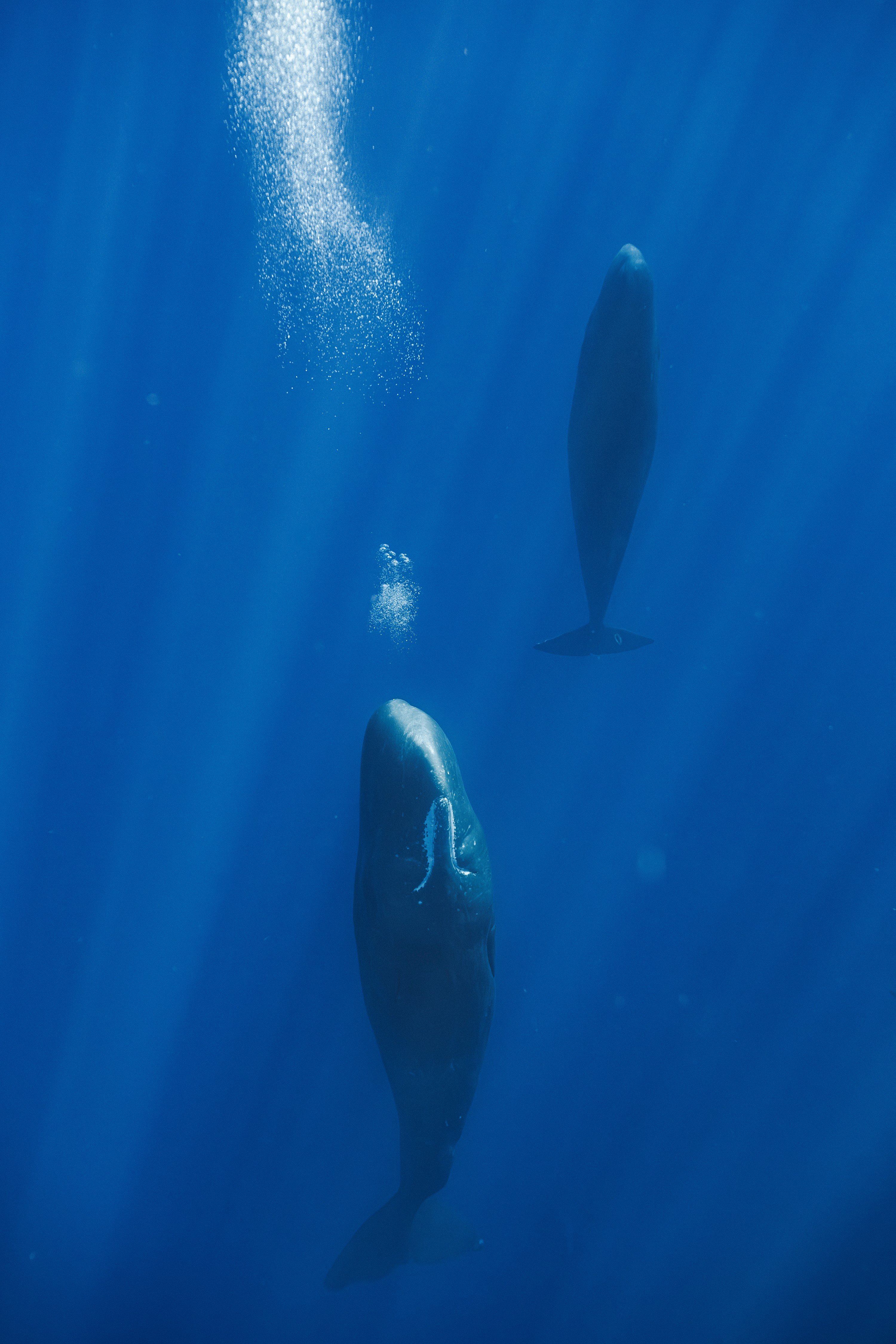
The primary challenge with this sleeping strategy is the whale’s inherent buoyancy. Their massive heads, filled with a large cranial cavity containing spermaceti oil, make them naturally buoyant. Without an effective mechanism to counteract this, they would likely drift upwards, disrupting their rest and potentially exposing them to danger. Previous observations had noted that sperm whales release bubbles while sleeping, but the precise reason behind this behavior remained a subject of scientific inquiry.
Unraveling the Bubble Mechanism
A recent study, published in the Journal of Experimental Biology, offers a compelling explanation for this phenomenon. Lead author Noémie Freymond, a PhD student at the University of Neuchâtel, who previously conducted master’s research on sperm whale resting behavior, collaborated with Patrick Miller, a researcher at the University of St Andrews’ School of Biology. Miller had previously provided detailed descriptions of sperm whale resting behavior, noting the release of bubbles but lacking a definitive explanation for its purpose.
"He observed that sperm whales release bubbles while sleeping, but it had never been demonstrated why they do so," Freymond told Popular Science. This research sought to fill that knowledge gap.
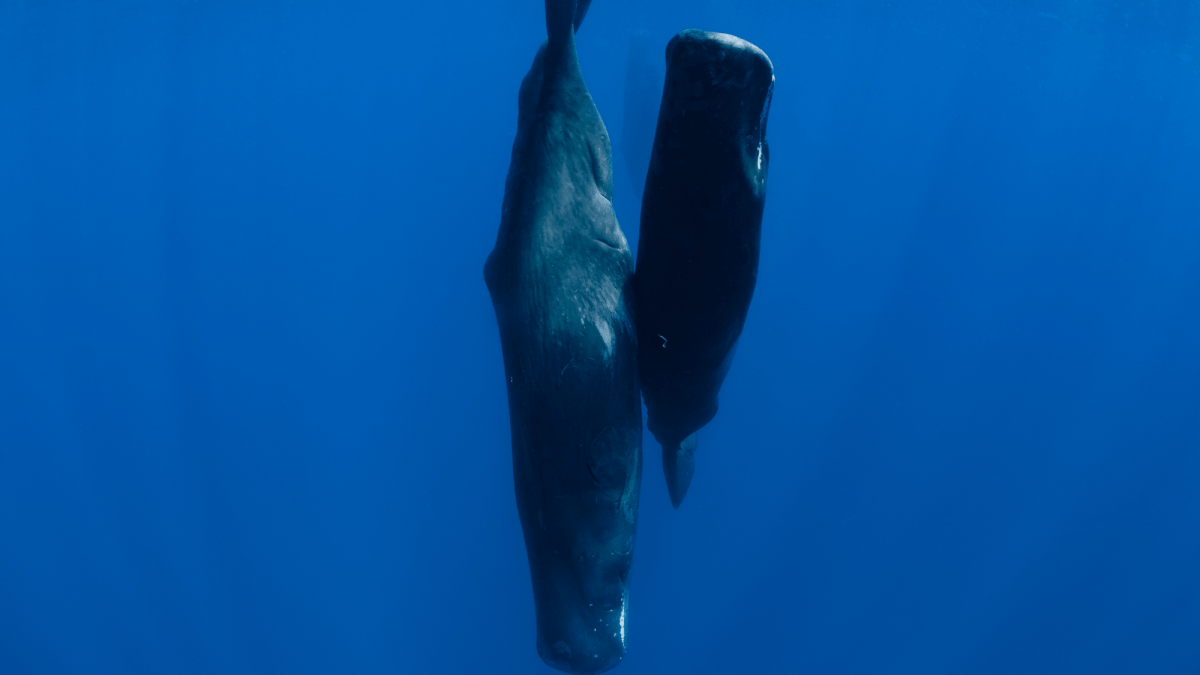
The team deployed acoustic monitoring devices on 42 sperm whales in Norway’s Lofoten Islands. These devices were designed to record bubble sounds and simultaneously tracked the whales’ depth and body orientation. By correlating these data points with observed sleeping behavior, the researchers were able to analyze the patterns of bubble release in relation to the whales’ resting state and position in the water column. The devices were designed to detach and float to the surface after a period, allowing the researchers to retrieve the valuable data.
Three Ways to Rest, One Solution for Buoyancy
Sperm whales have been observed to rest in three distinct ways, each offering a slightly different approach to achieving this vital physiological need. The first method involves a slow descent of approximately 26 feet, tail-first. The second sees them dive head-first for a short duration before their naturally buoyant heads cause them to ascend. The third, and perhaps most striking, involves deep dives, exceeding 656 feet, where they then rest while passively floating back towards the surface.
The study’s findings revealed a significant correlation between the depth at which whales rested and the frequency of bubble release. Whales observed napping closer to the surface released bubbles approximately 11 times during each short nap. In contrast, those resting as they ascended from greater depths released bubbles only three to four times throughout their journey to the surface.
This difference in bubble expulsion is directly linked to buoyancy control. When a whale is closer to the surface, where water pressure is lower, its body is more buoyant. By exhaling air from its lungs in the form of bubbles, the whale effectively reduces its overall volume and thus its buoyancy, preventing it from rising too rapidly. This controlled release of air helps maintain a stable position underwater.
Conversely, during deep-diving naps, the immense water pressure at greater depths significantly increases the whale’s density and reduces its inherent buoyancy, even if more air is present in its lungs. Consequently, fewer bubbles need to be expelled to counteract the reduced buoyancy. This demonstrates a sophisticated, depth-dependent mechanism for maintaining neutral buoyancy during rest.
Implications for Understanding Cetacean Cognition
The research also touches upon a fascinating question regarding the consciousness of sperm whales during sleep. The act of releasing air to regulate buoyancy implies a degree of environmental awareness. This raises the question of whether sperm whales experience unihemispheric sleep, similar to dolphins, where one half of the brain remains active while the other rests, or if they achieve a more complete state of sleep akin to humans.
"We were lucky to have access to such a large dataset with many tag deployments, because the main challenge is that a deployment must last long enough to capture resting behavior," Freymond explained. "This allowed us to show that sperm whales release bubbles to regulate their buoyancy while resting."
The findings from this study not only illuminate a crucial aspect of sperm whale physiology but also contribute to the broader understanding of marine mammal behavior and cognition. The ability to precisely regulate buoyancy through a seemingly simple act of exhaling air highlights the intricate adaptations that allow these animals to thrive in one of Earth’s most challenging environments.
Future Avenues of Research
While this study provides a significant breakthrough in understanding sperm whale sleeping habits, several questions remain. The conscious versus unconscious nature of bubble release is a key area for future investigation. Further research employing advanced neurophysiological monitoring techniques, if ethically and practically feasible, could provide deeper insights into the cognitive state of these whales during their resting periods.
The researchers also humorously suggest that future scientific endeavors might explore whether the practice of whales blowing bubbles in their sleep could be considered a form of cetacean snoring. While this remains a lighthearted speculation, it underscores the ongoing fascination with the complex and often surprising behaviors of these magnificent ocean dwellers.
The findings from the Lofoten Islands study are a testament to the power of technological advancements in marine biology, enabling scientists to gather unprecedented data on elusive species. As research continues, we can expect to uncover even more about the intricate lives of sperm whales, further bridging the gap between our understanding of their behavior and our own. This research serves as a reminder that even the most seemingly mundane biological functions, like sleep, can hold profound scientific revelations when observed with meticulous detail and innovative tools. The ocean continues to be a frontier of discovery, and sperm whales, with their unique adaptations, are at the forefront of this ongoing exploration.

