

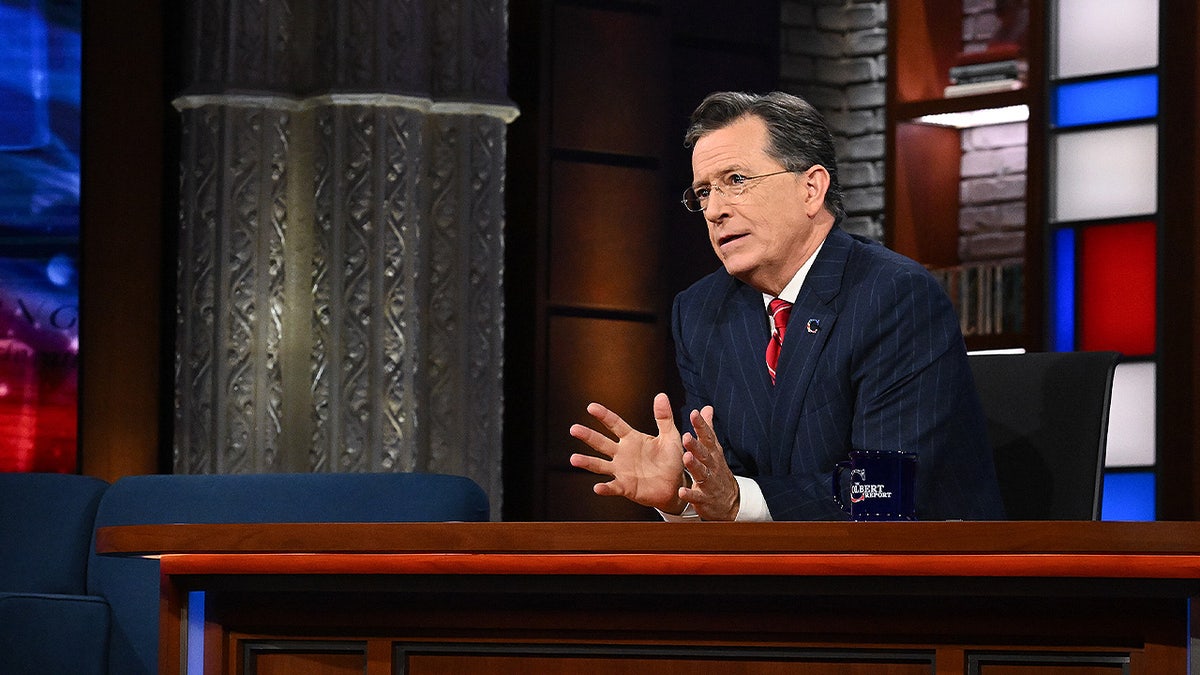
Late-night television host Stephen Colbert and world-renowned cellist Yo-Yo Ma found themselves at the center of a labor controversy at Harvard University, where they were accused of crossing a picket line established by striking graduate student workers. The high-profile appearance, titled "Arts for Life’s Sake" and hosted at the historic Sanders Theatre, was abruptly cut short roughly 40 minutes into the program when a sudden fire alarm forced a complete evacuation of the sold-out venue.
The incident has spotlighted ongoing tensions surrounding labor negotiations within higher education institutions, drawing sharp contrasts between public statements of union solidarity and professional actions on the ground. While the union representing Harvard’s graduate students had spent weeks urging high-profile public figures to boycott or relocate campus events, the visit proceeded as scheduled until the safety alert intervened.
Chronology of the Dispute and Campus Unrest
The friction between visiting cultural icons and campus labor began weeks prior to the event. On October 27, members of the Harvard Graduate Students Union (HGSU)—affiliated with the United Automobile Workers (UAW)—walked off the job to initiate a broad strike demanding enhanced compensation, robust workplace protections, and systemic reforms regarding how the university handles discrimination and harassment claims.
As the strike gained momentum, union organizers actively monitored upcoming campus cultural and academic programming. Upon discovering that Colbert and Ma were scheduled to appear together at Sanders Theatre for a conversation exploring the intersection of the arts and everyday life, labor representatives reached out directly to both performers. According to union statements, appeals were sent well in advance of the event, utilizing direct communication channels as well as formal outreach through the artists’ respective labor organizations: SAG-AFTRA for Colbert and the Boston Musicians’ Association for Ma.

Despite these warnings and explicit requests to cancel, postpone, or relocate the engagement to a neutral site off-campus, neither performer withdrew from the program. On the day of the event, approximately 50 union members and student supporters gathered outside Sanders Theatre. Demonstrators utilized drums, air horns, and megaphones to amplify their grievances, chanting slogans demanding better living wages and structural institutional changes while attendees entered the venue.
Approximately 40 minutes into the scheduled 90-minute discussion, a fire alarm sounded throughout the building. The auditorium was immediately evacuated in accordance with standard campus safety protocols, leading to Colbert, Ma, and the audience filing out into the courtyard. The event did not resume following the evacuation. The cause of the fire alarm remains officially undetermined, and HGSU representatives categorically denied any involvement, releasing a statement expressing relief that all attendees and staff were safely evacuated without incident.
Core Demands of the Harvard Graduate Students Union
The strike at Harvard University represents a continuation of a broader wave of labor organizing that has swept through elite American higher education institutions over recent years. Graduate student workers, who provide essential labor as teaching fellows, research assistants, and primary instructors, have increasingly turned to collective bargaining to address cost-of-living pressures driven by soaring inflation and high housing costs in the greater Boston metropolitan area.
At the center of HGSU’s current negotiations with Harvard administration are specific, quantifiable economic demands. The union is pushing for baseline annual compensation of $55,000 for research assistants and roughly $45,000 for teaching fellows who hold 10-month appointments. Additionally, the union is demanding guaranteed annual cost-of-living adjustments or baseline raises of 3% to protect members against escalating regional expenses.
Beyond pure economics, the union’s platform addresses deeply rooted workplace safety and civil rights concerns. HGSU is pressing the university to institute an independent grievance procedure for handling complaints related to harassment and discrimination, arguing that internal university channels often lack the necessary impartiality. Furthermore, the union is seeking financial and legal assistance for workers who are forced to navigate Title IX proceedings or who require emergency relocation from unsafe laboratory and research environments.

Immigration protections have also emerged as a critical pillar of the union’s bargaining stance. Given the significant population of international students and researchers within Harvard’s graduate programs, HGSU is demanding guaranteed leave policies to accommodate visa delays or immigration emergencies. The union has also called for mandatory protocols requiring Harvard to notify representatives immediately if Immigration and Customs Enforcement (ICE) agents arrive on campus, alongside a strict requirement that the university demand a judicial warrant before cooperating with federal immigration enforcement.
Diverging Responses from Public Figures
The decision by Colbert and Ma to proceed with the Harvard appearance drew heightened scrutiny due to Colbert’s prominent public record regarding organized labor. In 2023, during the historic Writers Guild of America (WGA) strike that paralyzed Hollywood productions for months, Colbert was an outspoken advocate for striking writers. He frequently used his platform on The Late Show with Stephen Colbert to champion their cause and was physically present on picket lines alongside striking entertainment workers.
For many graduate student union members, Colbert’s willingness to walk the picket line in Hollywood contrasted sharply with his decision to cross their labor boundary in Cambridge. Following the aborted event, HGSU issued a scathing critique accusing both performers of turning a blind eye to local working-class struggles.
"They continued the event inside without regard for the picket line, and refused to speak with union members as they left the event," HGSU stated following the disruption. "In other words—they crossed our picket line."
Representatives for both Stephen Colbert and Yo-Yo Ma did not immediately respond to requests for comment from media outlets regarding the backlash.
In sharp contrast to Colbert and Ma’s approach, bestselling author John Green demonstrated active solidarity when faced with a similar scheduling conflict at Harvard. Green, who had a separate public appearance scheduled on the campus during the strike, opted to shift his engagement entirely online to avoid crossing the HGSU picket line.
"They’re on strike and I had to move a thing to not cross a picket line," Green explained in a video circulated by the union following his decision. "Which was an easy decision… it was not a hard decision for me."
According to reports from The Boston Globe, Green further underscored his support by donating the financial proceeds generated from his virtual event directly to the graduate student union strike fund.
Broader Implications for Campus Labor and Public Culture
The incident at Sanders Theatre underscores a growing dilemma for public intellectuals, artists, and entertainers who frequently navigate politically and socially charged academic environments. Universities have long served as primary venues for cultural exchange, public lectures, and artistic performances, but they are increasingly becoming flashpoints for intense domestic labor disputes.
When high-profile figures accept invitations to perform or speak at institutions experiencing active labor strikes, they frequently find themselves caught between institutional obligations and grassroots worker movements. For public figures who build personal brands on progressive values or labor advocacy, the decision to proceed with paid campus engagements during a strike can carry significant reputational costs.

At the same time, university administrations face mounting pressure as high-visibility disruptions threaten the prestige and operational continuity of campus cultural programming. The Harvard Graduate Students Union strike remains ongoing, with organizers signaling their intent to maintain pressure on university leadership through continued demonstrations, community outreach, and targeted appeals to visiting dignitaries. As the labor action persists, the episode involving Colbert and Ma serves as a potent reminder of the complexities inherent in crossing modern academic picket lines, where the actions of visiting cultural figures are subjected to immediate and intense public scrutiny.

