
Washington — As members of the 119th Congress return to Capitol Hill this week for the first time following the 2026 midterm elections, the political atmosphere in the capital is characterized by a mix of volatility and introspection. Central to the legislative agenda—and looming as a significant test of executive-legislative relations—is the status of Secretary of War Pete Hegseth. Amidst a broader landscape of electoral setbacks for the Republican Party and an ongoing, contentious military engagement in Iran, lawmakers are bracing for a debate over whether the Secretary of War should face impeachment proceedings.
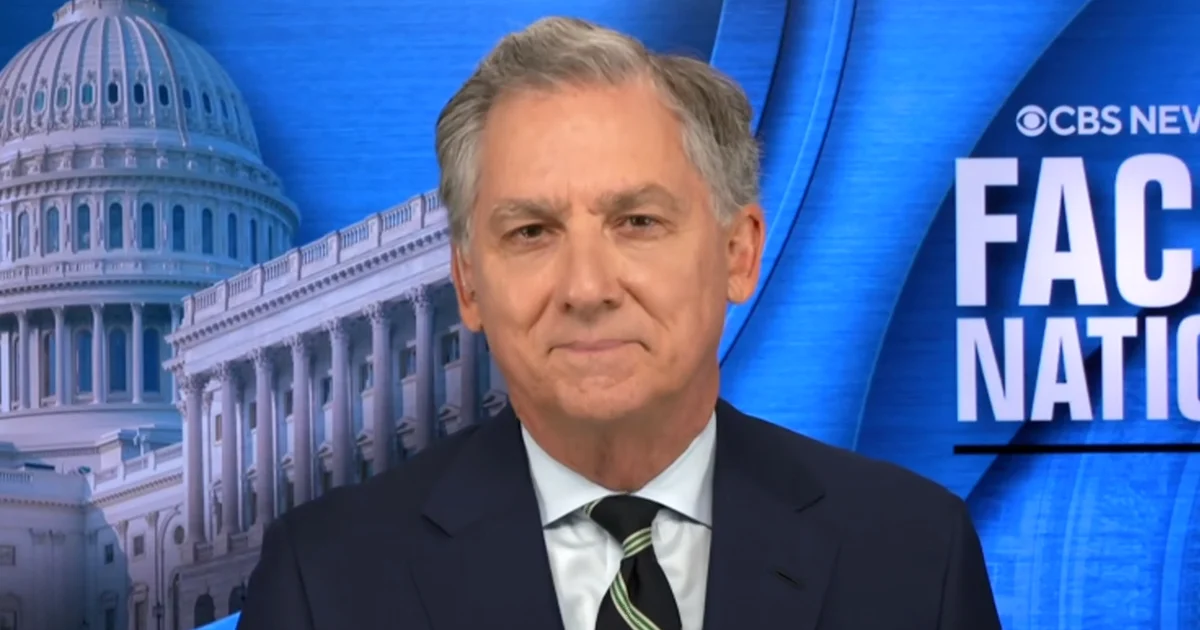
Representative French Hill, an Arkansas Republican, signaled on Sunday that while he harbors reservations regarding the current leadership at the Department of War, he is not yet prepared to endorse the impeachment efforts initiated by his outgoing colleague, Representative Thomas Massie of Kentucky. Appearing on "Face the Nation with Margaret Brennan," Hill emphasized the necessity of a rigorous debate before arriving at a final judgment on the matter.
The Legislative Impasse and the Path to Impeachment
The drive to impeach Secretary Hegseth originated in the final weeks of the previous session, spearheaded by Representative Massie. The articles of impeachment are rooted in criticisms regarding the strategic execution of the war in Iran, which has become a focal point of voter dissatisfaction. Massie has signaled his intent to force a vote on the floor, a move that would compel House members to take a public stance on the Secretary’s tenure.
Representative Hill’s position reflects the delicate balancing act facing many GOP lawmakers. While Hill acknowledged that he is "not satisfied" with the current handling of the war, he drew a sharp distinction between political dissatisfaction and the constitutional threshold for impeachment. "The question is for the president: Should he continue to serve as the Secretary of War?" Hill remarked during his interview. "The question is: Are we leading at the Pentagon in the right way or not the right way? That’s very separate from whether or not somebody’s committed an impeachable offense."
The constitutional basis for impeachment requires proof of "high Crimes and Misdemeanors." Hill’s commentary underscores a common legalistic view within the party: that performance failures, regardless of how severe they are perceived, do not automatically constitute grounds for the removal of a Cabinet-level official. Instead, he argued that if the mission is being conducted ineffectively, the primary recourse lies with the Commander in Chief.
Contextualizing the War in Iran and Midterm Consequences
The political urgency surrounding the potential impeachment is inextricably linked to the results of the 2026 midterm elections. The electoral map saw a significant shift, with many voters expressing deep-seated frustration over the economic fallout of the war in Iran. Inflationary pressures, compounded by the logistical and financial strains of the prolonged conflict, have directly impacted the cost of living for American households, leading to a palpable rebuke of the incumbent administration’s policies.
Public sentiment polling conducted throughout the autumn of 2026 revealed that the war in Iran was among the top three issues cited by voters as a reason for their electoral choices. The bipartisan concern regarding nuclear proliferation remains a constant, however. Hill echoed this sentiment, noting that for five decades, the prevention of Iran obtaining a nuclear weapon has been a cornerstone of United States foreign policy. The tension currently existing in Congress is between the bipartisan desire to contain Iran and the specific frustration regarding the tactical and strategic efficacy of Secretary Hegseth’s leadership.
Chronology of Events: From Escalation to Legislative Friction
To understand the current impasse, one must look at the timeline of the conflict and the subsequent political fallout:
- Early 2026: The conflict in Iran intensifies, leading to increased troop deployments and significant shifts in regional security dynamics.
- Mid-2026: The Department of War, under Secretary Hegseth, faces increasing scrutiny regarding the sustainability of the campaign and the transparency of its objectives.
- September 2026: Economic data indicates a steady rise in the consumer price index, with analysts directly attributing a portion of the volatility to the disruption of trade routes and military expenditures associated with the Iranian campaign.
- October 2026: Representative Thomas Massie introduces articles of impeachment against Secretary Hegseth, citing negligence and failure of command.
- November 3, 2026: The midterm elections result in significant seat shifts in the House, forcing the GOP to reconsider its legislative priorities and cabinet oversight.
- November 8, 2026: Representative French Hill appears on "Face the Nation," clarifying his position on the upcoming impeachment vote.
Fact-Based Analysis of the Political Implications
The decision to move forward with or block an impeachment vote carries profound implications for the GOP. Proponents of the impeachment argue that the House must exert its oversight authority to hold the executive branch accountable for the strategic direction of the war. They contend that a failure to act would signal a weakening of the legislative branch’s role in checking executive power.
Conversely, those who remain hesitant, like Representative Hill, worry that premature impeachment proceedings could further fracture the party and be perceived by the public as a political distraction during a period of economic instability. The "disciplinary action" mentioned by Hill—such as potential resignations or presidential reshuffling—suggests that there is a faction within the Republican caucus that prefers internal adjustments over the spectacle of a constitutional trial.
The institutional risk is also significant. If a vote is forced and the articles are defeated, it could be interpreted as a mandate for the current leadership of the Department of War. If the articles are successful in the House, it would trigger a trial in the Senate, effectively paralyzing the legislative agenda for weeks.
The Broader Impact on Defense Policy
Beyond the immediate political theater, the debate over Secretary Hegseth’s performance raises questions about the future of U.S. defense strategy in the Middle East. With the administration maintaining its current course, the Pentagon is under pressure to produce measurable outcomes that satisfy both the executive branch’s long-term goals and the public’s immediate economic concerns.
The discourse surrounding Hegseth is part of a larger conversation about the definition of "victory" in modern, asymmetric warfare. As Congress prepares to debate the merits of the impeachment articles, they are essentially grappling with whether the current military-political strategy is sustainable.
Looking Ahead
As the House convenes, the spotlight will be on Speaker leadership and the whipping of votes. While the impeachment of a Cabinet member is rare in American history, the intensity of the current political environment suggests that the upcoming debates will be among the most contentious of the session.
Representative Hill’s final remarks underscore the gravity of the situation: "I want to hear the debate on it to see if it merits impeachment versus some other disciplinary action." This suggests that the final outcome may not be decided by the articles themselves, but by the pressure applied on the White House to either reform the Department of War from within or face a significant challenge to its executive authority.
For now, the status of Secretary Hegseth remains a barometer for the state of the Republican Party’s internal cohesion. The coming week will serve as a definitive indicator of whether the party will move to prioritize executive oversight or focus on the legislative challenges necessary to address the economic concerns of a public that has made its dissatisfaction clear at the ballot box. Whether through formal impeachment or executive change, the pressure for accountability is unlikely to dissipate until the strategic direction of the war in Iran is brought into clearer alignment with the expectations of the American electorate.

