
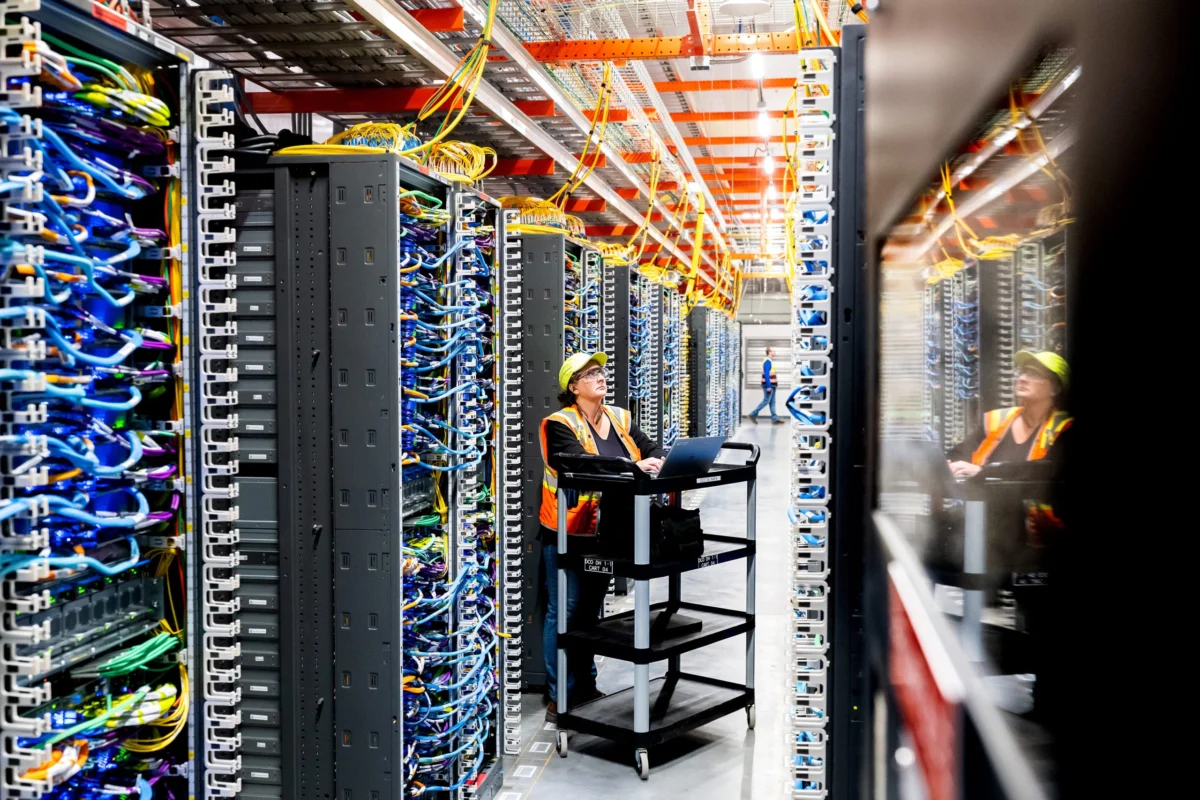
The rapid acceleration of the artificial intelligence sector has transformed the American landscape, quite literally, as millions of square feet of industrial space are repurposed into massive data centers. While the initial surge of activity is characterized by the deafening roar of heavy construction machinery, a more subtle and permanent shift is occurring in the shadow of these server farms. As the construction crews depart, a new, highly specialized workforce is moving in to maintain the digital infrastructure that powers the modern economy. This quiet transition—from temporary building sites to long-term operational hubs—has become a central focus for policymakers, regional economic developers, and corporate giants like Microsoft, Amazon, and Google.
A New Economic Paradigm for Local Communities
For decades, the standard economic development playbook focused on manufacturing plants or retail hubs. Today, the "hyperscale" data center has become the new gold standard for investment, with billions of dollars pouring into rural and suburban counties alike. However, these facilities present a unique economic challenge. Unlike traditional factories that might employ thousands of assembly-line workers, a large-scale data center may only require a few hundred full-time employees once the facility is operational.
Economists are now grappling with the long-term sustainability of this model. While the upfront tax revenue and construction payrolls are significant, the "day-after" reality for many communities remains uncertain. The primary concern is whether these facilities will provide high-quality, long-term employment for local residents or if they will remain isolated enclaves of specialized tech labor imported from outside the region.
The Rise of the Data Center Academy
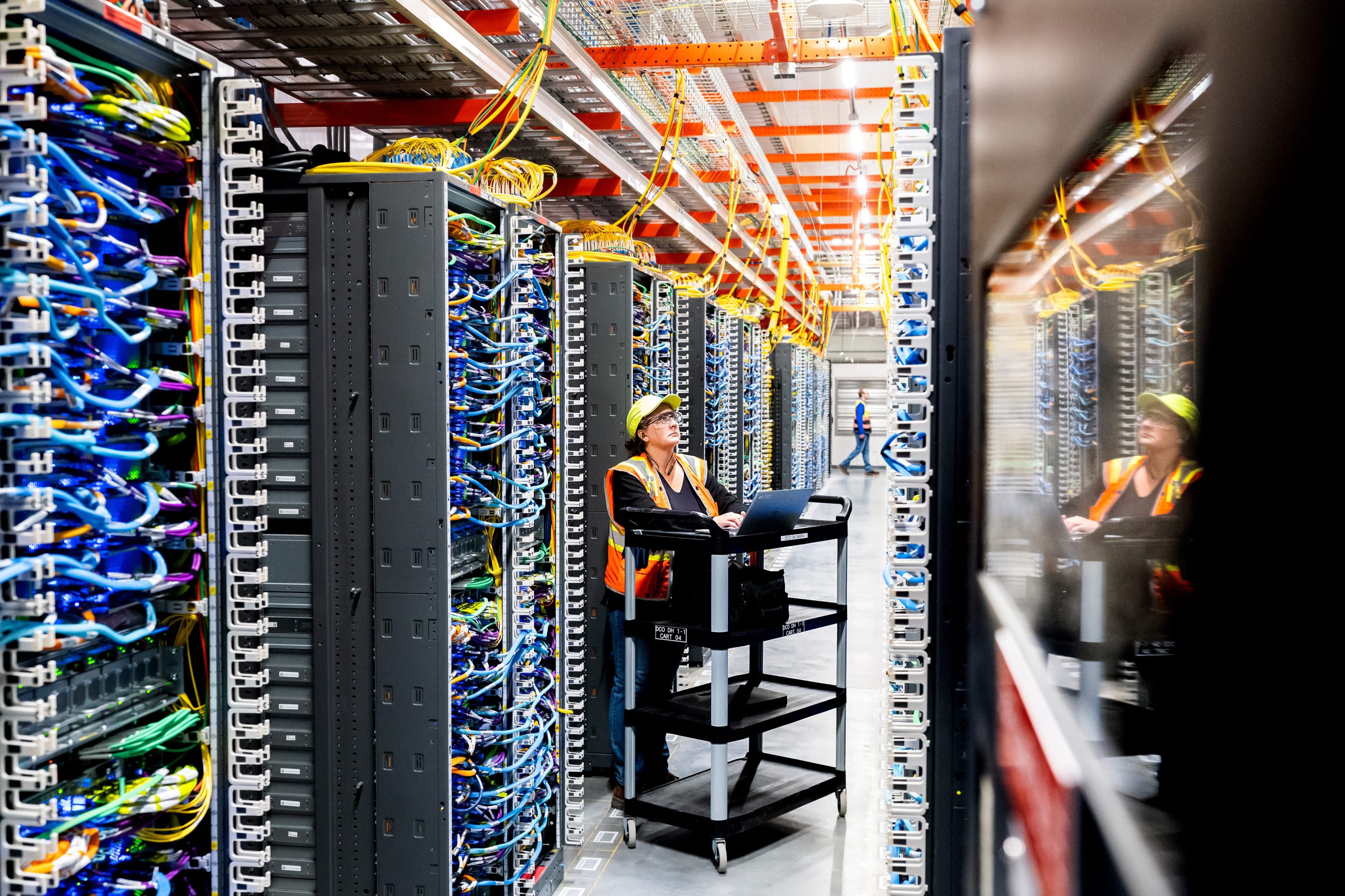
Recognizing a looming skills gap, major technology companies have moved from passive observers of the labor market to active architects of the education system. By partnering with community colleges and technical schools, firms like Amazon Web Services (AWS), Microsoft, and Oracle are effectively "minting" their own workforce. These programs, often branded as "Datacenter Academies," are designed to fast-track students into roles that didn’t exist a decade ago.
The curriculum is distinctively utilitarian. Rather than broad, theory-heavy computer science degrees, these programs prioritize hands-on proficiency in server maintenance, fiber optic networking, HVAC cooling systems, and electrical distribution. This approach recognizes that a modern data center is as much an industrial facility as it is a digital one. The systems require constant physical intervention—replacing malfunctioning racks, optimizing power loads, and maintaining the massive cooling units necessary to prevent hardware failure.
A Chronology of the Digital Gold Rush
The trajectory of this movement can be traced back to the mid-2010s, as cloud computing became the backbone of global business.
- 2006–2010: The nascent cloud era begins; data centers are largely concentrated in major urban tech hubs.
- 2016–2020: The "hyperscale" explosion. Companies seek cheaper land and electricity, moving into secondary markets like Northern Virginia, Iowa, and Oregon. U.S. Census data indicates that employment in the data processing and hosting sector surged by more than 60 percent during this period.
- 2022–2024: The "AI Boom" creates a massive spike in demand for computing power, leading to a new wave of construction projects and the formalization of college-corporate training pipelines.
- 2025–Present: Institutions like Gateway Technical College in Wisconsin and Blue Mountain Community College in Oregon reach steady-state operations, graduating hundreds of certified technicians who are hired directly into the local facilities.
Bridging the Skills Gap: Case Studies in Partnership
The model employed by Gateway Technical College in Racine, Wisconsin, serves as a blueprint for this new educational philosophy. Following Microsoft’s expansion into the region, the college launched a targeted certification program. Students complete a two-semester sequence focusing on IT fundamentals, hardware support, and server technologies.

The financial structure of these programs is equally critical. With scholarships often subsidized by the tech companies themselves, the barrier to entry is lowered significantly. For many students, this represents a life-changing opportunity. Louis Maxcy, a 30-year-old technician in Umatilla, Oregon, reflects a common narrative: the transition from a stagnating local industry to a high-growth tech career without the need to relocate to a major coastal city. In a region where agriculture and corrections were once the primary employers, the data center provides a pathway to a middle-class income, with base technician salaries averaging around $66,000 annually.
Strategic Resistance and Local Friction
Despite the promise of high-paying jobs, the rapid proliferation of data centers has not been without controversy. Community pushback has reached a fever pitch in many parts of the country. Residents often cite concerns over noise pollution, the massive consumption of local water resources for cooling, and the strain on regional electrical grids.
This friction has forced tech companies to change their public affairs strategy. Increasingly, "workforce development" is used as a bargaining chip during negotiations for zoning permits and tax incentives. Think tanks like the Brookings Institution have advised local governments to move beyond simple tax breaks and instead negotiate for long-term "community prosperity agreements" that mandate local hiring and sustained investment in technical training infrastructure.
The Resilience of the "Mid-Level" Tech Career
One of the most persistent questions is whether these jobs will remain relevant in an era of rapid automation and artificial intelligence. Skeptics suggest that as data centers become more sophisticated, they might eventually become "lights-out" facilities—entirely managed by AI with minimal human oversight.

However, industry experts argue that the nature of the work—which blends IT knowledge with mechanical trades—makes these roles uniquely resilient. "Even if you have an AI managing the software stack, you still need someone to physically pull a server rack, replace a faulty power supply, or patch a leaking cooling pipe," notes a workforce consultant familiar with the sector.
Furthermore, the training provided in these programs is often "stackable." Students who earn a data center certificate are often trained in the fundamentals of plumbing, electrical work, and fiber optics. Should the data center sector shift or consolidate, these workers possess a broad, cross-disciplinary skill set that is highly transferable to other sectors, including industrial manufacturing and green energy infrastructure.
Implications for the Future of Higher Education
The integration of corporate training into public higher education is a controversial, yet increasingly necessary, evolution. Critics worry that colleges may become too beholden to the specific needs of a single corporation, potentially narrowing the scope of education at the expense of broader critical thinking. Proponents, however, argue that this is a pragmatic response to the reality of the modern labor market.
As the "railroad" of the AI era is laid, these partnerships appear to be the primary mechanism for distributing the economic benefits of the tech boom beyond the traditional tech corridors. For the thousands of students currently enrolled in these programs, the goal is not necessarily to become the next Silicon Valley mogul, but to secure a stable, high-wage career that allows them to remain in their home communities.

The ultimate success of these programs will be measured not just by the number of certificates issued, but by the long-term career trajectory of these graduates. As the industry matures, the focus will likely shift from simply filling seats to ensuring that these workers have the agility to adapt as the underlying technology of the cloud continues to evolve. For now, the data center technician has emerged as the unsung hero of the digital age—a role that demands both the precision of an engineer and the grit of a tradesperson. In the coming decade, as the global demand for compute power continues to scale, this specific class of skilled labor will remain the critical link between the abstract potential of artificial intelligence and the physical reality of the infrastructure that sustains it.

