
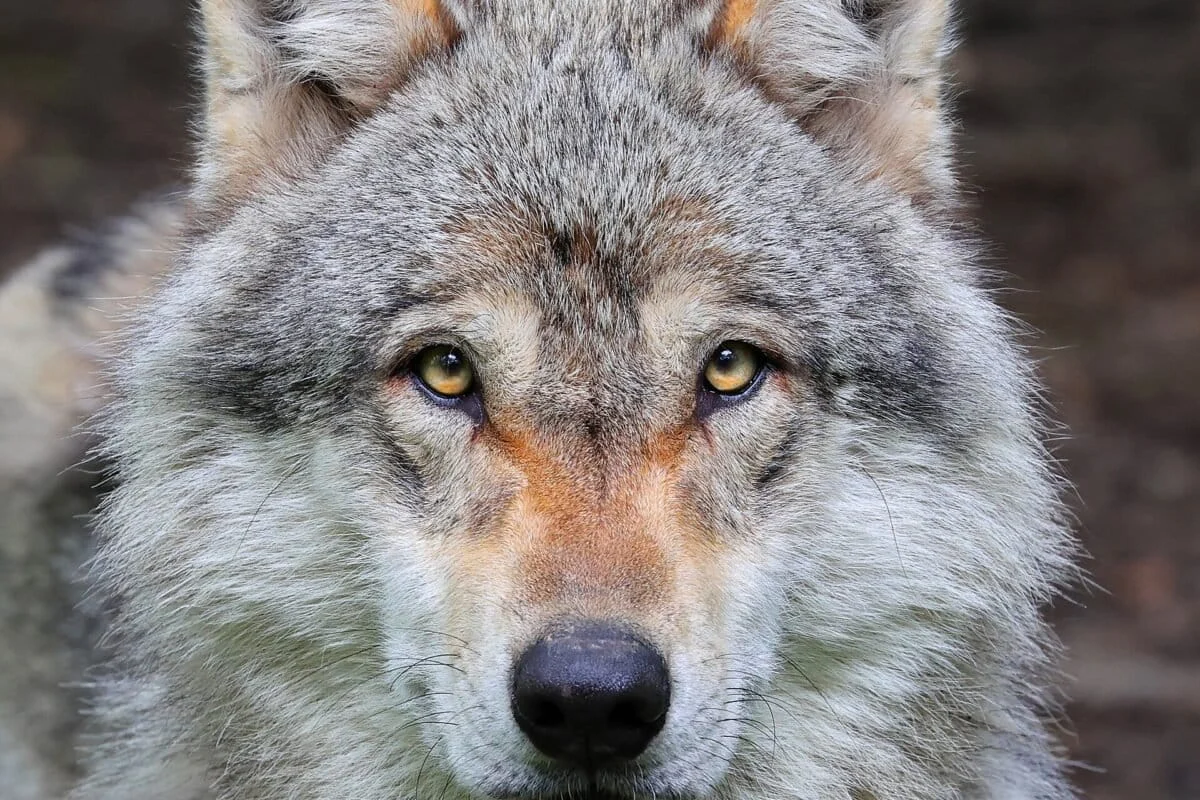
For much of the 19th and 20th centuries, the Eurasian gray wolf (Canis lupus lupus) was systematically pushed to the brink of local extinction across Western and Central Europe. Persecuted through state-sponsored bounty programs, habitat fragmentation, and the loss of natural prey, the species vanished from large swaths of its historical range. However, the closing decades of the 20th century marked a pivotal shift in environmental policy. Driven by the adoption of international agreements such as the 1979 Bern Convention on the Conservation of European Wildlife and Natural Habitats, strict protection measures were implemented. These legislative frameworks, combined with rural depopulation and the subsequent reforestation of abandoned agricultural lands, created a biological vacuum that the wolf was uniquely positioned to fill.
Over the past twenty years, these conservation efforts have yielded dramatic results. Between 2012 and 2022, European wolf populations experienced a reported surge of 58%, with current estimates placing the total number of individuals at approximately 21,500. While ecologists hail this recovery as a milestone in biodiversity restoration, the return of a top-tier predator to a landscape now dominated by human infrastructure and intensive agriculture has ignited a volatile sociocultural debate.
A Chronology of Recovery and Conflict
The return of the wolf has not been uniform across the continent. In countries like Germany, where the species was effectively absent for over a century, the first successful reproduction in the wild was documented in the year 2000. For the following two decades, the population expanded steadily. In contrast, other nations, such as the Netherlands, have only begun to witness the recolonization of wolves within the last few years.
This disparity in timing is a critical factor in the current tension. In regions where wolves never fully disappeared, traditional husbandry practices—such as the use of livestock guardian dogs, specialized fencing, and night-time enclosures—were preserved through generations of knowledge transfer. In contrast, in countries where the wolf had been absent for over a century, these protective traditions were largely forgotten. When wolves returned, livestock farmers found themselves ill-equipped to defend their animals against a predator that had been absent from their cultural memory. This mismatch between current livestock management and the ecological reality of a returning predator has fueled a sharp rise in human-wildlife conflict.
The Socio-Ecological Divide
Social scientist Emu-Felicitas Ostermann-Miyashita, an associate professor at the Tokyo University of Agriculture and Technology, argues that the public discourse surrounding wolves is often overly polarized. "Some people hate wolves, some people love them," she notes, "but my studies on public perception suggest a much more nuanced, gray area regarding attitudes toward the species."
The prevailing narrative often centers on the "wolves vs. livestock" dichotomy, which pits environmental conservationists against the agricultural sector. Farmers, facing direct financial loss from predation, often view the return of the wolf as an existential threat to their livelihoods and traditional way of life. Conversely, proponents of rewilding argue that wolves are essential for maintaining ecosystem health, potentially mitigating the overabundance of herbivore populations like deer, which can damage forest regeneration.
However, the scientific community remains cautious about oversimplifying these ecological benefits. While the "Yellowstone effect"—a trophic cascade where wolves restore ecosystem balance—is often cited, researchers point out that European landscapes are significantly more fragmented and human-dominated than the American West. Consequently, the ecological impact of wolves in Europe is highly context-dependent and difficult to quantify on a landscape-wide scale.
EU Policy Shifts and the Debate Over Lethal Control
In late 2024, the European Union voted to downgrade the protection status of the Eurasian gray wolf, a decision that has been described as a major turning point in wildlife management. Critics, including the World Wide Fund for Nature (WWF), have warned that weakening protection could jeopardize the fragile recovery of the species. In an official statement, the organization noted that many populations are still in a state of precarious growth and that policy shifts could lead to a rollback of decades of conservation progress.
The decision to loosen protections effectively shifts the burden of management from strict EU-level oversight to national and regional authorities. This has raised concerns among conservationists that local political pressures, rather than sound ecological data, will dictate the fate of wolf packs.
The debate currently centers on the efficacy of lethal control—the culling of wolves deemed responsible for livestock attacks. Ostermann-Miyashita suggests that the scientific community lacks sufficient evidence to determine whether lethal control is a viable long-term solution. "Existing data suggests the situation is much more complex than we think," she explains. "Some studies indicate that removing individual wolves can disrupt the social structure of a pack, potentially leading to increased predation by younger, less experienced wolves that find livestock easier to hunt than elusive wild prey."
Furthermore, research indicates that non-lethal protection measures, such as enhanced fencing and the use of livestock guardian animals, are consistently more effective at reducing livestock damage than lethal interventions. Despite this, the administrative and financial burden of implementing these measures often falls heavily on the farmers, leading to frustration and a desire for more immediate, albeit potentially less effective, solutions like culling.
Moving Toward Holistic Coexistence
To move beyond the current stalemate, experts suggest that a transition from "wolves vs. livestock" to "livestock with wolves" is required. This shift necessitates a more holistic, systemic approach to land management. Governments must provide more than just compensation for lost animals; they must provide the technical infrastructure, financial subsidies, and expert guidance needed to modernize husbandry in an age of returning predators.
Collaboration across borders is equally vital. Because wolf populations do not recognize national boundaries, monitoring efforts must be standardized to allow for a clearer understanding of population dynamics. Currently, inconsistencies in how different countries track wolf numbers and predation incidents hinder the ability to form a cohesive, continent-wide management strategy.
Moreover, addressing the human dimension of the conflict is as important as the biological one. Ostermann-Miyashita advocates for an approach that incorporates diverse cultural perspectives on nature. She argues that the modern, Western-centric view of nature—one that often treats the environment as a commodity to be controlled—could benefit from incorporating indigenous or non-Western frameworks that emphasize human integration within, rather than separation from, the natural world.
Implications for the Future
The challenge facing Europe is not merely a technical problem of predator management, but a profound test of how a developed, densely populated society can adapt to the presence of large carnivores. As countries like the Netherlands and Belgium continue to navigate the early stages of wolf recolonization, the lessons learned in Germany and other early-adopter nations will be invaluable.
The success of the Eurasian wolf’s return will likely depend on the ability of policymakers to balance the preservation of cultural landscapes and agricultural heritage with the imperative to maintain healthy, functional ecosystems. This will require a move away from emotional, one-sided narratives and toward an evidence-based approach that acknowledges the validity of both the farmer’s economic concerns and the conservationist’s ecological goals.
As the continent adjusts to this new reality, the "gray" areas of public perception identified by researchers provide a sliver of hope. If the majority of the public, as studies suggest, holds a more balanced view than the vocal extremes of the debate, there may be a path forward that accommodates both human livelihoods and the continued presence of one of Europe’s most iconic, yet misunderstood, species. The road ahead will not be simple, nor will it be free of conflict, but it offers a unique opportunity to redefine the relationship between European society and the wild animals that once defined its landscape.

