
As traditional public school systems across the United States face a period of significant transition marked by declining enrollment and shifting parental priorities, a new model of education is rapidly gaining momentum. Microschools—modern iterations of the historic one-room schoolhouse—are transitioning from a niche alternative to a significant pillar of the American educational landscape. Characterized by small cohorts, often serving fewer than 20 students, these typically private-pay institutions are poised for an era of unprecedented growth. According to data from the National Microschooling Center, the number of microschools has surged to over 100,000 nationwide, with an estimated enrollment currently fluctuating between one and two million students.
This movement, which gained significant traction during the disruptions of the Covid-19 pandemic, is no longer merely a temporary reaction to emergency measures. Instead, it is becoming a formalized sector supported by federal policy, state-level legislative changes, and a growing network of specialized providers. The acceleration of this trend is further bolstered by the implementation of federal tax credits under the Trump administration’s "One Big Beautiful Bill" and the increasing adoption of Education Savings Accounts (ESAs) in states like Arizona and Florida. As these financial mechanisms hit the system, the barrier to entry for families is lowering, allowing the microschooling ecosystem to diversify and expand into new demographics.
The Evolution of the Microschooling Movement
The trajectory of microschooling can be traced through a series of cultural and legislative shifts over the last decade. While the concept of small, community-based learning is centuries old, the 21st-century version is defined by its integration of technology, personalized learning paths, and a departure from the standardized "factory model" of education.
The timeline of this expansion began in earnest during the mid-2010s with the emergence of networks like Prenda and KaiPod. However, the 2020 pandemic served as a definitive catalyst. When traditional schools moved to remote learning, many parents formed "pandemic pods" to provide social interaction and supervised study for their children. As public schools struggled to return to normalcy, these pods evolved into permanent microschools. By 2024 and 2025, the movement shifted from a grassroots effort to a policy-driven phenomenon. The introduction of broad school-choice legislation in various states provided the necessary capital for these schools to move out of living rooms and into dedicated commercial spaces, mini-farms, and specialized learning centers.
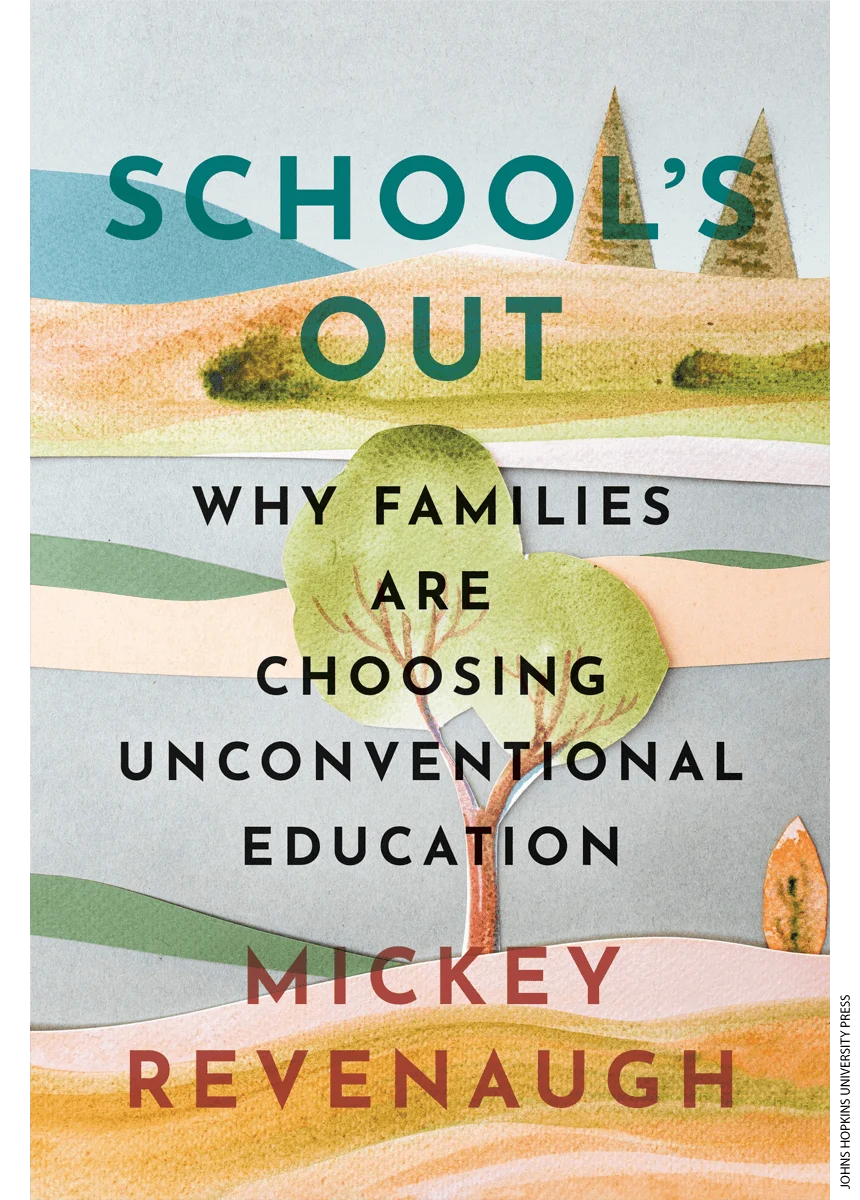
Today, the landscape is defined by its astonishing variety. Research conducted by Mickey Revenaugh, author of School’s Out: Why Families Are Choosing Unconventional Education, highlights that the movement is far from monolithic. Field observations over the past three years have identified a spectrum of institutions, ranging from strict faith-based academies and STEM-focused teenage centers to specialized environments for LGBTQ+ youth and "mini-farm" schools that prioritize outdoor, hands-on learning.
Addressing the Achievement Gap and the "Boy Crisis"
One of the primary drivers behind the exodus from traditional classrooms is the persistent struggle of male students within the standard educational framework. National data consistently indicates that the traditional classroom environment may not be optimized for the learning styles and developmental needs of many boys. The National Assessment of Educational Progress (NAEP) has long shown boys lagging behind girls in reading and writing proficiency. Furthermore, the historic advantage boys held in mathematics and science has largely evaporated as girls have closed the gap.
Data from the National Center for Education Statistics (NCES) underscores a broader systemic issue: boys typically earn lower grades throughout their elementary and secondary education. Consequently, girls are more likely to graduate from high school on time and pursue higher education degrees. The psychological and social expectations of the conventional classroom—which often prioritize sitting quietly, self-regulation, and passive absorption of information—frequently clash with the physiological need for movement and vocalization more common in young males.
In many traditional settings, a disproportionate number of boys (approximately 18 percent compared to 10 percent of girls) are diagnosed with learning disabilities or special education needs. Critics of the traditional system argue that gender socialization often forces boys to suppress curiosity and vulnerability, both of which are essential for academic growth. Microschools, with their intimate scale and flexible environments, offer a structural remedy. By fostering stronger relational bonds and allowing for physical movement, these schools align more closely with the recommendations provided by the American Psychological Association’s Task Force on Boys in School.
A Haven for Neurodiversity and Personalized Learning
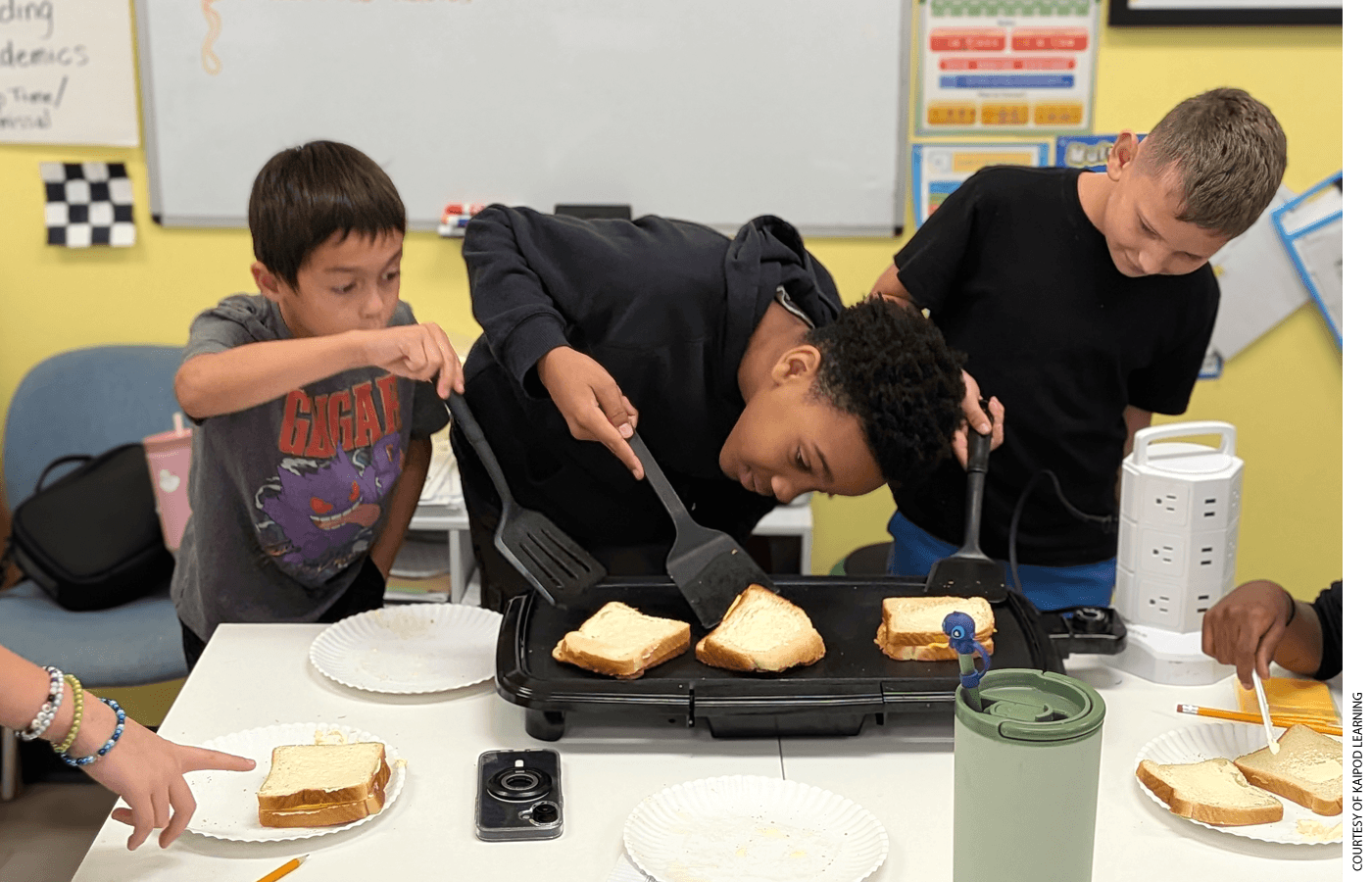
Beyond gender dynamics, microschools have become a primary destination for neurodiverse learners. Data from the National Microschooling Center reveals a high concentration of students with ADHD, dyslexia, dysgraphia, anxiety, and autism spectrum disorders within these small-scale environments. Many of these students are categorized as "twice-exceptional" (2e), meaning they are both gifted and possess a learning disability.
In a traditional school setting, the "wraparound" services required for these students can often be bogged down by bureaucracy or limited by staffing ratios. Microschools, conversely, often build adaptive measures into their core architecture. Common features include:
- Flexible Seating: Moving away from rigid desks to allow for movement and comfort.
- Sensory Zones: Dedicated areas designed to help students self-regulate when overwhelmed.
- Indirect Lighting: Reducing the sensory load caused by harsh fluorescent lights.
- Personalized Curricula: Utilizing digital platforms like Ignite Academy, which offers tailored pathways such as "Fire" for students needing extra support and "Spark" for those seeking accelerated advancement.
Kenneth Mims, executive director of Science Prep Academy—a microschool focused on STEM careers for students on the autism spectrum—argues that the microschool model is superior for neurodiverse integration. According to Mims, rather than pulling students out of class for therapy, these schools embed therapeutic practices directly into the daily schedule, ensuring that students do not miss out on core instruction.
The Regulatory Debate: Freedom vs. Accountability
As the sector grows, it has sparked a fierce debate regarding regulation and oversight. Advocates for the "permissionless" schooling model argue that parental choice and market forces are the most effective regulators. They contend that as long as basic fire safety and criminal background checks are met, microschools should be free from the "red tape" regarding curriculum, personnel certification, and physical location. This perspective holds that parents are the best judges of their children’s educational needs and will naturally move away from subpar options.
However, this "light-touch" approach has drawn criticism from educational advocacy groups and policy think tanks. The Center for American Progress (CAP), in a 2025 report titled The Importance of Holding Microschools Accountable, expressed concerns regarding the ambiguity of the legal definitions governing these schools. Critics argue that without standardized oversight, there is no guarantee that students—particularly those with high-needs disabilities—are receiving an adequate education.
There is also a concern regarding the portability of rights. While students in public schools are protected by federal mandates such as the Individuals with Disabilities Education Act (IDEA), those moving into the private microschool sector may find they have fewer legal protections if a school fails to provide promised services. For some advocates, the flight of neurodiverse students into an unregulated ecosystem is an alarming development that could lead to a fragmented and unequal educational landscape.
Broader Impact and the Future of K-12 Education
The rise of microschooling signals a fundamental shift in the American social contract regarding education. For decades, the "common school" was seen as the primary vehicle for social cohesion and standardized opportunity. The current trend suggests a move toward a "modular" education system, where families curate a bespoke experience for their children, often mixing microschooling with homeschooling, online courses, and local community resources.
The economic implications are equally significant. As local school districts lose students to microschools, they also lose the per-pupil funding associated with those students. This has led some districts to begin experimenting with their own "in-house" microschools to retain enrollment. The competition is forcing a level of innovation within the public sector that was previously absent.
As we move toward the latter half of the decade, the sustainability of the microschooling boom will likely depend on two factors: the continued availability of public funding through ESAs and tax credits, and the ability of these small institutions to demonstrate long-term academic efficacy. For now, the "neurospicy" kids and the boys who once struggled to stay still in the back of a 30-person classroom are finding a new sense of belonging in these tiny, specialized environments. Whether this represents a permanent fracturing of the public system or a necessary evolution in how we define "schooling" remains the central question for the next generation of American educators.

