

President Donald Trump’s recent proposal to distribute a $5,000 dividend to every American adult has ignited a fierce internal debate within the Republican Party, pitting populist economic theories against traditional conservative fiscal principles. Announced during the 2026 Republican National Convention at the American Airlines Center in Dallas, Texas, the plan is explicitly contingent upon the GOP securing control of both the House of Representatives and the Senate this coming November. While the proposal is framed by the administration as a way to share the nation’s growing wealth with its citizens, it has drawn immediate fire from fiscal conservatives who view the initiative as a departure from the party’s long-standing commitment to limited government, deficit reduction, and tax-based economic relief.
The Genesis of the Trump Dividend
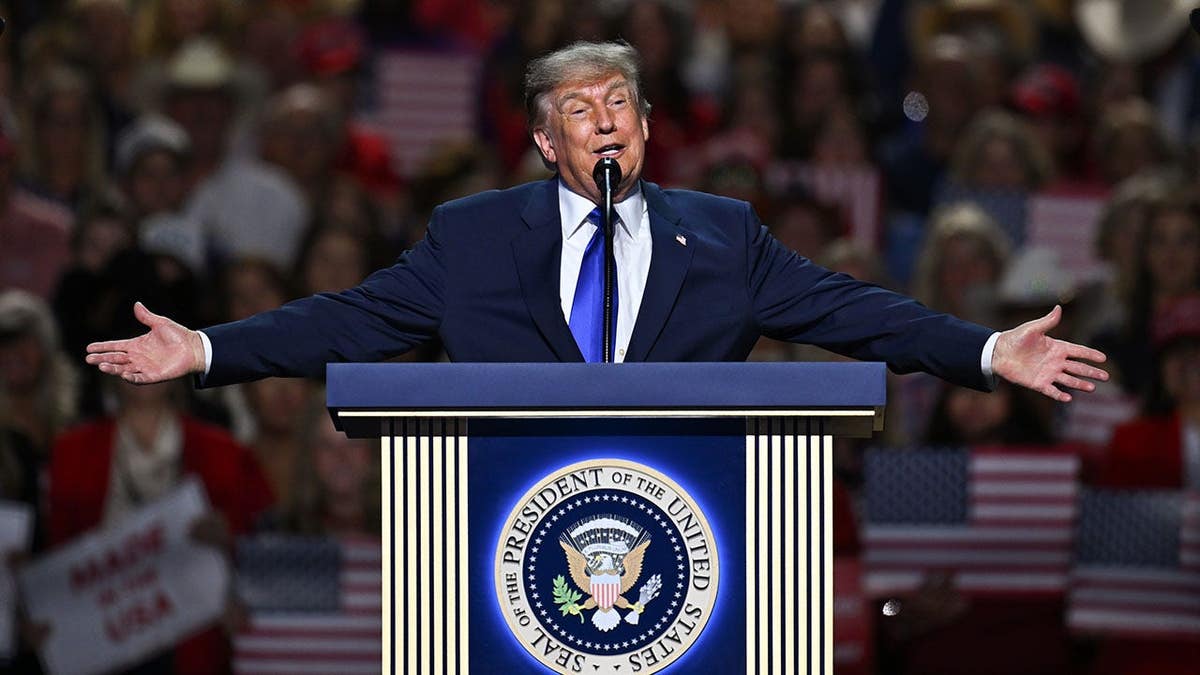
The proposal was unveiled on September 9, 2026, during the keynote address of the midterm convention. President Trump described the "Trump Dividend" as a mechanism to distribute the fruits of a booming national economy directly to the people, comparing the federal government to a corporation issuing a payout to its shareholders. The President emphasized a strict condition for the disbursement: the funds must be spent domestically. "The only caveat I have is that the dividend that we’re making must be spent in the United States of America," Trump stated, noting a desire to keep the capital circulating within the domestic economy rather than flowing abroad.
Vice President JD Vance, a vocal proponent of the administration’s economic agenda, echoed these sentiments shortly after the announcement. Vance framed the dividend as a way to ensure that the average American worker benefits from the "incredible wealth" being generated under the current administration’s policies. By linking the payout directly to a Republican legislative sweep, the White House has effectively turned the dividend into a high-stakes campaign issue, asking voters to choose between the promise of a direct cash influx and the traditional Republican platform of tax cuts and regulatory rollbacks.
Economic Context and Funding Challenges
The fiscal feasibility of the plan has become the primary point of contention. With the national debt exceeding $40 trillion, economists and policy analysts are questioning the source of the estimated $1.2 trillion required to fund such an initiative for approximately 240 million eligible adults.
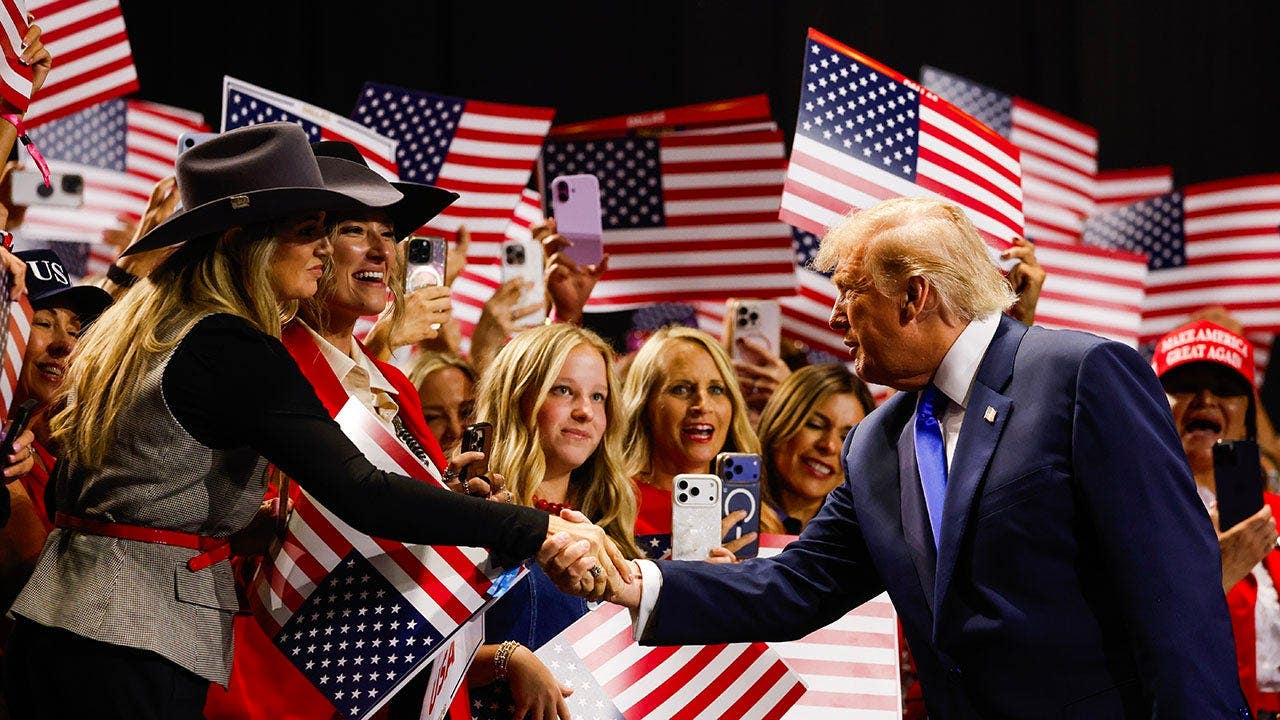
The administration has pointed to revenue generated from tariffs as the primary funding vehicle. President Trump, in his remarks, suggested that the move toward protectionist trade policies has created a new stream of income that the government can effectively "repatriate" to citizens. Treasury data indicates that the federal government collected roughly $154.4 billion in customs duties between October 1, 2025, and July 31, 2026. While significant, this figure represents only about 13% of the total estimated cost of the $5,000 dividend.
The resulting funding gap creates a profound challenge. Without a clear legislative framework detailing how the remaining $1 trillion-plus would be financed, critics argue the program would inevitably lead to further deficit spending, potentially fueling inflationary pressures or requiring drastic cuts to other federal programs. As of now, the administration has not provided specific details regarding income thresholds, though Vice President Vance has suggested in subsequent interviews that the program could be narrowed to target only the middle class, which would substantially alter both the cost and the political optics of the plan.
A Divided GOP: Populism vs. Traditional Conservatism
The reaction within the Republican ranks has been notably fractured, highlighting a widening ideological chasm between the party’s populist base and its traditional fiscal hawks.
Former Rep. Bob Good of Virginia was among the first to offer a sharp rebuke, labeling the initiative a "socialist vote-buying scheme." His criticism mirrors that of various conservative think tanks and commentators who argue that the government has no business in wealth redistribution. Matt Walsh, a prominent conservative voice, characterized the proposal as "flagrant bribery," arguing that the party should instead focus on aggressive tax cuts that allow citizens to retain their own income rather than receiving government-issued checks.
The fiscal conservative objection is rooted in the belief that the government is already overextended. Rep. Chip Roy of Texas articulated this concern, suggesting that the $1.2 trillion price tag could be better utilized by eliminating taxes for families earning up to $200,000 annually. For many, the prospect of "dependency" on federal payments is philosophically antithetical to the Republican brand.
Conversely, some members of the party are embracing the proposal as a bold shift in strategy. Sen. Bernie Moreno of Ohio has indicated he is drafting legislation to facilitate the dividend should the GOP win the midterms, while Sen. Roger Marshall of Kansas has publicly engaged with voters on how they might utilize such a windfall. This segment of the party argues that tariffs have long punished American consumers and that it is only fair that the revenue collected from foreign entities be returned to the American people.
Comparative Policy Analysis: Direct Payments vs. Tax Cuts
The current debate centers on the difference between "direct payments" and "tax relief." Traditionally, Republicans have favored tax cuts as the preferred method for economic stimulation, as they reduce the overall size of the government and minimize the bureaucracy required for distribution. Tax cuts are generally viewed as a "supply-side" tool intended to incentivize investment and job creation.
The $5,000 dividend, however, functions more like a "demand-side" stimulus, similar to the COVID-19 era relief checks. While the latter has historically been associated with Democratic platforms, the Trump-Vance model seeks to reframe the payment as a "dividend" earned by workers who have been "left behind" by globalization. This populist pivot is designed to broaden the GOP’s appeal among working-class voters in the Rust Belt and other regions where the effects of trade policy are most acute.
Potential Legislative and Economic Implications
Should the Republicans win both chambers and move forward with this proposal, the legislative process would be complex. The President cannot unilaterally authorize the disbursement of funds from the Treasury; such an action would require explicit congressional approval through a bill that could withstand both committee scrutiny and potential floor challenges.
There are also significant concerns regarding the macroeconomic impact. Injecting $1.2 trillion into the consumer economy could stimulate short-term growth, but many economists warn that such a move could exacerbate existing debt burdens and complicate the Federal Reserve’s efforts to maintain price stability. Furthermore, if the payments are not offset by corresponding spending cuts, they could lead to a significant increase in the annual budget deficit, potentially impacting interest rates and the value of the dollar.
Timeline of the 2026 Midterm Strategy
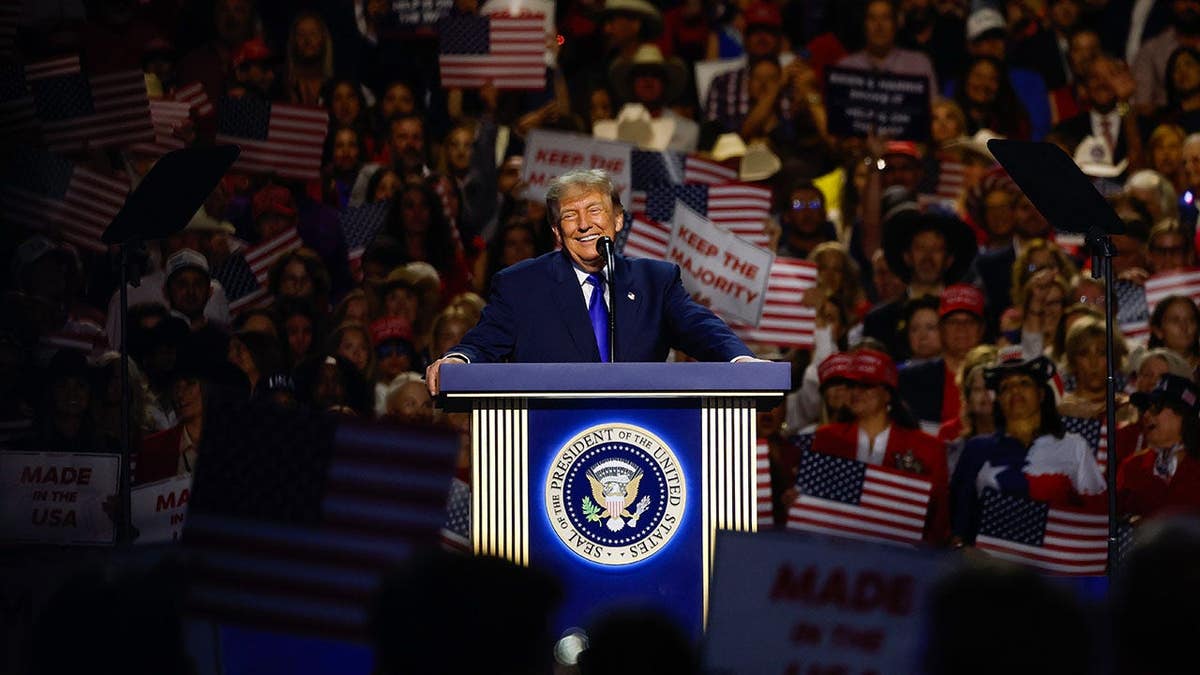
The announcement in Dallas marks a definitive moment in the 2026 midterm cycle. Below is a brief chronology of the events leading up to this proposal:
- January 2026: The administration signals a shift toward more aggressive tariff enforcement, framing it as a tool to protect domestic manufacturing.
- May 2026: Initial discussions regarding the "Trump Dividend" begin appearing in conservative policy circles, centered on the idea of returning tariff revenue to the public.
- August 2026: The national debt reaches the $40 trillion mark, sparking intense debate over federal spending priorities.
- September 9, 2026: President Trump formally proposes the $5,000 dividend at the Republican National Convention in Dallas, linking it to a GOP sweep in the November midterms.
- September 10-12, 2026: A period of intense, public, and private debate ensues among GOP lawmakers, with varying reactions from traditionalists and populist-aligned members.
Conclusion
The proposal for a $5,000 dividend stands as one of the most provocative economic policy shifts in modern Republican history. By forcing a choice between the traditional party platform and a new, direct-distribution model, the Trump administration is testing the resilience of the conservative coalition. As the November midterms approach, voters will be faced with a clear, albeit controversial, economic vision. Whether this initiative serves as a successful catalyst for electoral victory or a source of lasting internal division remains to be seen. What is clear, however, is that the discourse surrounding the role of the federal government in the economic lives of its citizens has entered a new and unpredictable phase. The debate over the "Trump Dividend" will likely continue to dominate the political landscape, serving as a litmus test for the future of Republican economic thought and the party’s ability to reconcile its populist evolution with its historical commitment to fiscal responsibility.

