
The Collapse: A Chronology of Failure
The crisis reached a breaking point on November 3, 2026, when the Central Bank of Paraguay (BCP) issued a formal resolution order against Ueno Bank. Regulators determined that the institution had breached minimum solvency requirements, rendering it unable to meet its obligations to creditors and depositors. The speed of the collapse caught observers off guard, though internal warning signs had reportedly been mounting for months.
By November 4, the crisis had transitioned from a regulatory issue to a criminal one. The public prosecutor’s office launched three separate investigations into financial crimes, including allegations of breach of trust, fraudulent accounting, and the violation of mandatory record-keeping protocols. Within 24 hours of the intervention, authorities had formally charged 27 individuals, including senior executives from the bank and its parent conglomerate, Grupo Vazquez. Federico Miguel Vazquez Villasanti, the president of the conglomerate, was remanded into custody, signaling a hard-line stance by the judiciary.
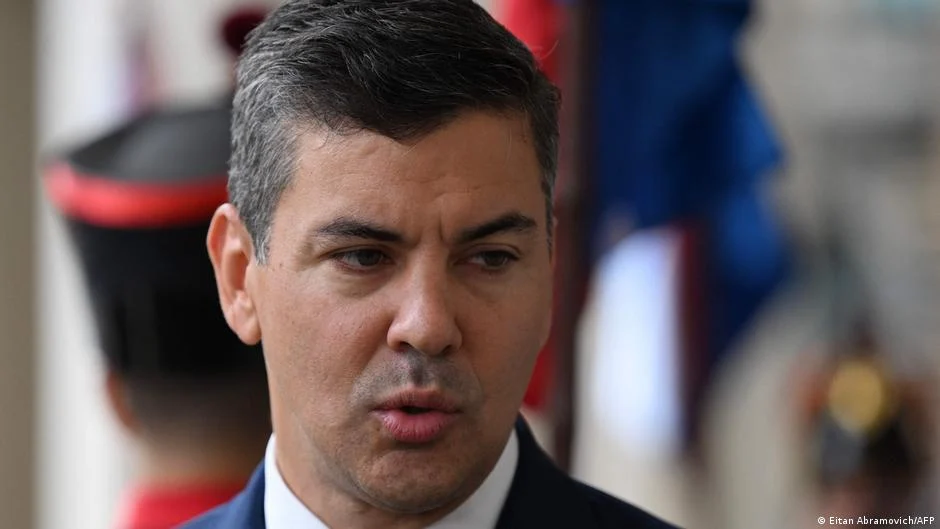
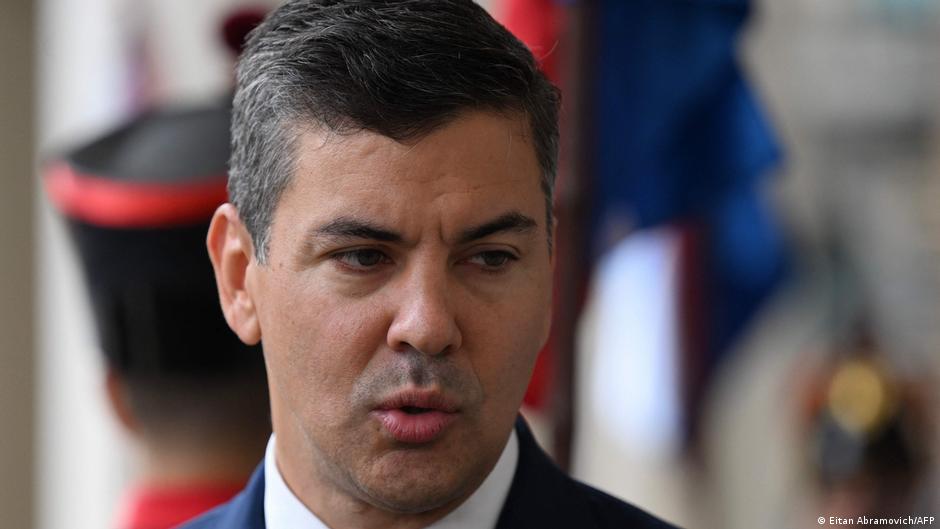
On November 5, the political landscape shifted violently. President Santiago Pena, facing immense pressure from opposition lawmakers and street protests, submitted his resignation. However, the maneuver was widely viewed as a strategic attempt to secure "senator for life" status—a constitutional provision that would grant him permanent parliamentary immunity. The Chamber of Deputies, sensing the political maneuver, unanimously rejected his resignation, opting instead to initiate impeachment proceedings. A subsequent attempt by the legislature to hold a joint session to finalize the president’s fate failed due to a lack of quorum, leaving the country in a state of executive paralysis.
The Anatomy of the Ueno Bank Crisis
Founded in 2021, Ueno Bank represented the vanguard of Paraguay’s digital banking transition. As a subsidiary of Grupo Vazquez, it capitalized on the rapid digitization of the local economy. Its user base surged to three million in less than five years, a feat that, in hindsight, masked a fragile capital structure.
Financial analysts point to three primary drivers behind the collapse:
- Excessive Related-Party Lending: Investigations suggest that Ueno Bank extended massive credit lines to other entities within the Grupo Vazquez ecosystem, frequently exceeding legal exposure limits.
- Capital Concealment: Prosecutors are probing whether the bank utilized complex inter-company transactions to hide its true insolvency, creating an artificial appearance of liquidity to satisfy central bank audits.
- Regulatory Capture: Questions regarding the independence of the BCP have reached a fever pitch. The appointment of Carlos Carvallo—the former chair of the entity that became Ueno Bank—as president of the BCP in 2023 has been cited by critics as a primary example of a conflict of interest that effectively paralyzed banking supervision.
Exposure of Public Funds
Perhaps the most damaging aspect of the scandal is the scale of public money held by the institution. Reports indicate that Ueno Bank acted as a repository for approximately 800 to 850 million US dollars in public funds. The most significant portion of this capital belonged to the Instituto de Prevision Social (IPS), the agency tasked with managing the pensions and healthcare contributions of the Paraguayan workforce.
The concentration of these funds in a single, high-risk digital institution has sparked national outrage. Economists have noted that the lack of institutional diversification in government investment strategies has placed the social security system at existential risk. The government’s failure to mitigate this risk—despite reports of the bank’s worsening financial health—has intensified public distrust in the administration’s ability to manage national assets.

Political Implications and the Impeachment Process
The impeachment proceedings against Santiago Pena represent a critical juncture for Paraguayan democracy. The central tension lies in the distinction between a voluntary resignation and a forced removal.
If Pena were to resign, he would automatically transition into his role as a senator for life, shielding him from criminal prosecution for the duration of his life. By choosing to pursue impeachment, the legislature is attempting to strip Pena of this shield. If found guilty of "serious breaches of duty" by the Senate, the president would be removed from office and rendered vulnerable to trial for any alleged involvement in the Ueno Bank scandal.
Pena has publicly denied any direct involvement with the bank’s operational decisions, though he acknowledges his former business ties to Grupo Vazquez, which he maintained until March 2025. His defense strategy appears to hinge on the argument that the bank’s failure was an isolated corporate event rather than a systemic failure of his administration.
Economic Fallout and Public Impact
The immediate economic consequences for the average Paraguayan are severe. With operations suspended, liquidity has evaporated for millions. The government has attempted to mitigate the fallout by invoking existing deposit protection laws, which cover up to 37,600 US dollars per customer. Furthermore, a new emergency law aims to fast-track the disbursement of approximately 20,000 US dollars to each saver.

Despite these assurances, experts warn of long-term economic scarring:
- Market Confidence: The collapse has shaken faith in the digital banking sector, which was previously seen as the engine of growth for the Paraguayan middle class.
- Fiscal Burden: The potential loss of IPS funds necessitates a massive government bailout, likely requiring an increase in national debt or a diversion of funds from essential infrastructure and social programs.
- Institutional Credibility: The perceived lack of oversight by the Central Bank has necessitated a top-to-bottom review of financial regulatory bodies.
International and Social Reactions
The international community has watched the situation with concern, particularly regarding the potential for regional financial contagion. While Ueno Bank is localized, its connection to the political elite and the management of national pension funds raises questions about governance standards in the broader Mercosur region.
Domestically, the situation remains volatile. Protests in Asunción have seen thousands of citizens demanding accountability. For the IPS beneficiaries, the loss is not merely fiscal; it is a direct threat to the solvency of their retirement and healthcare systems. The failure of the legislature to hold a quorate session on the president’s resignation has only served to fuel public anger, with many citizens viewing the political maneuvering as a deliberate attempt to obstruct justice.
Looking Ahead
As the Senate prepares for the formal impeachment trial, the country remains in a state of suspended animation. Vice President Pedro Alliana stands in the wings, constitutionally positioned to assume the presidency should Pena be removed. However, the path to a transition is fraught with legal hurdles and the risk of further civil unrest.

The Ueno Bank scandal serves as a stark reminder of the dangers of concentrated power and the necessity of robust, independent oversight. As the judiciary continues its work and the legislature navigates the constitutional crisis, the future of the Pena administration—and the integrity of Paraguay’s financial system—hangs in the balance. The coming weeks will determine whether the nation can reform its institutions to prevent a recurrence of this catastrophe or if it will be trapped in a cycle of political and economic instability that could redefine the nation’s trajectory for years to come.

