
The mastery of the alphabet serves as the essential cornerstone of linguistic development, providing the structural framework for word formation, language comprehension, and the eventual acquisition of proficient reading and writing skills. Literacy experts and educators emphasize that early childhood exposure to the ABCs is not merely a rote memorization task but a complex cognitive process that requires consistent, multisensory engagement. To address this educational necessity, a comprehensive suite of 36 interactive alphabet activities has been developed to help early learners bridge the gap between simple letter recognition and fluent literacy.
According to Lisa Elaine Peters, an experienced literacy educator specializing in early childhood development, alphabet instruction is the precursor to all subsequent academic success. Peters posits that before children can transition into confident readers, they must achieve three critical milestones: recognizing the visual form of a letter, connecting that form to its corresponding phonetic sound, and developing the ability to recall this information with near-instantaneous speed. This level of "automaticity" is vital because it allows the developing brain to shift its cognitive load from decoding individual characters to comprehending the meaning of full sentences and narratives.
The Science of Early Literacy and Supporting Data
The implementation of diverse alphabet activities is supported by extensive pedagogical research. Data from the National Center for Education Statistics (NCES) suggests that children who enter kindergarten with strong letter recognition skills are significantly more likely to achieve grade-level reading proficiency by the third grade. Furthermore, the "Science of Reading" movement, which emphasizes evidence-based practices in literacy instruction, highlights the importance of phonemic awareness—the ability to identify and manipulate individual sounds in spoken words—as a primary predictor of later reading success.
Education researchers have found that multisensory learning, which involves the simultaneous use of visual, auditory, and kinesthetic-tactile pathways, enhances memory and learning in young children. By tracing letters in textures like sand or spices, children are not only seeing the letter but also feeling its shape and hearing its name, creating multiple neural pathways for the same piece of information.
A Chronology of Alphabet Mastery: From Recognition to Writing
The process of learning the alphabet typically follows a logical developmental timeline. Educators generally structure their curricula to move from passive exposure to active production.
- Passive Exposure and Recognition: This initial stage involves read-alouds and environmental print. Children begin to notice that symbols carry meaning.
- Letter-Sound Correspondence: In this phase, students learn that the letter "B" makes the /b/ sound. This is often reinforced through "Letter of the Week" programs and phonics videos.
- Letter Formation: Students begin to move from recognizing letters to physically creating them. This starts with large motor movements (sky-writing) and progresses to fine motor tasks (tracing and independent writing).
- Application and Automaticity: The final stage involves using known letters to form simple words, such as their own names or basic CVC (consonant-vowel-consonant) words like "cat" or "dog."
Strategies for Effective Classroom Implementation
Peters advises that alphabet practice should be integrated into a student’s daily routine rather than treated as an isolated, once-a-week event. In high-performing early childhood classrooms, literacy work is woven throughout the day. This includes reviewing sounds during morning meetings, reinforcing them during whole-group phonics lessons, and revisiting them during independent center time.
Purposefulness is also key. Educators are encouraged to select activities based on the specific needs of their cohort. If a group struggles with visual discrimination (confusing ‘b’ and ‘d’), activities should focus on identification. If they recognize letters but cannot produce the sounds, the focus must shift to phonemic awareness.
Comprehensive Catalog of 36 ABC Activities
The following activities are categorized by their primary instructional delivery method to provide a balanced approach to literacy development.
Whole-Group Instructional Activities
These activities are designed for teacher-led sessions where the entire class participates simultaneously.
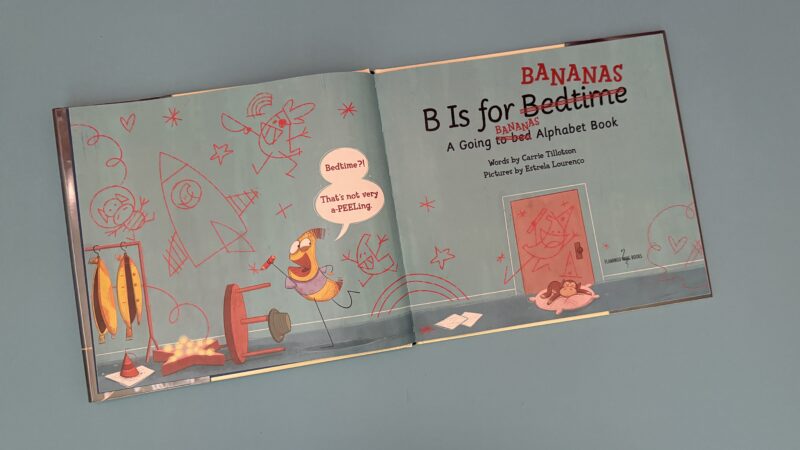
- Alphabet Read-Alouds: Utilizing high-quality picture books that explore the alphabet to build print literacy and engagement.
- Letter of the Week: A focused deep-dive into one letter, covering its sound, shape, and formation over five days.
- Alphabet Videos: Incorporating animated content (such as Chicka Chicka Boom Boom) to engage visual and auditory learners.
- ABC Book Creation: A long-term project where students illustrate and write each letter from A to Z to create a personal reference book.
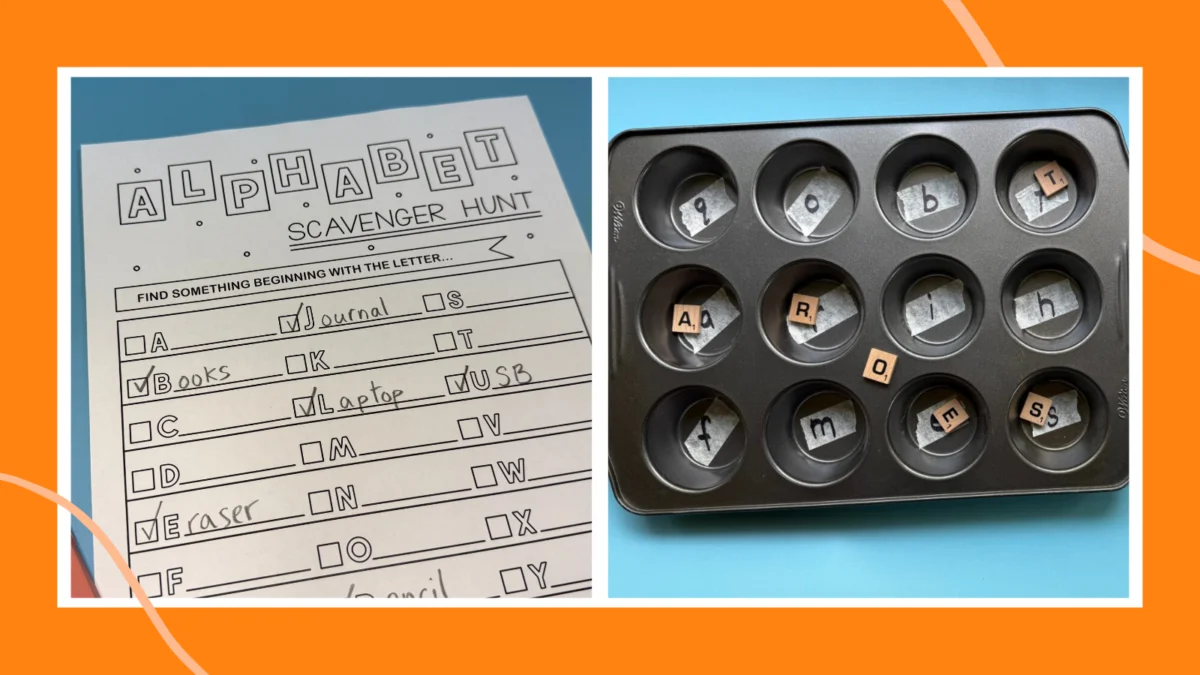
- Sticky Note Search: A classroom-wide scavenger hunt where students find hidden letters and add them to a central poster board.
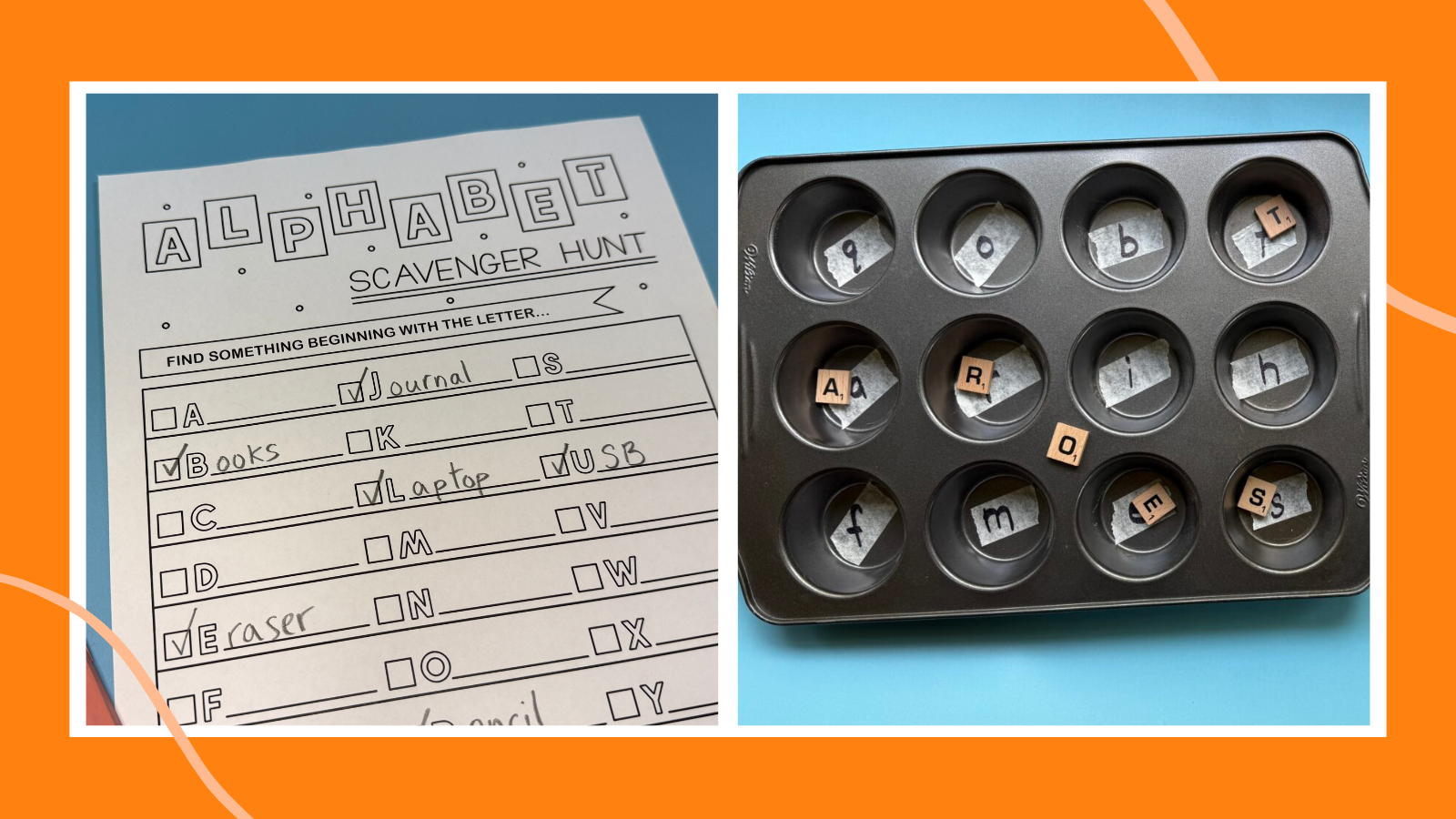
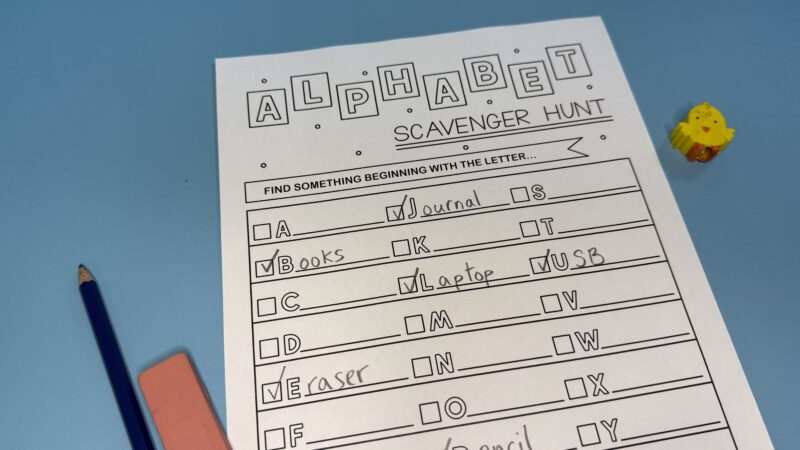
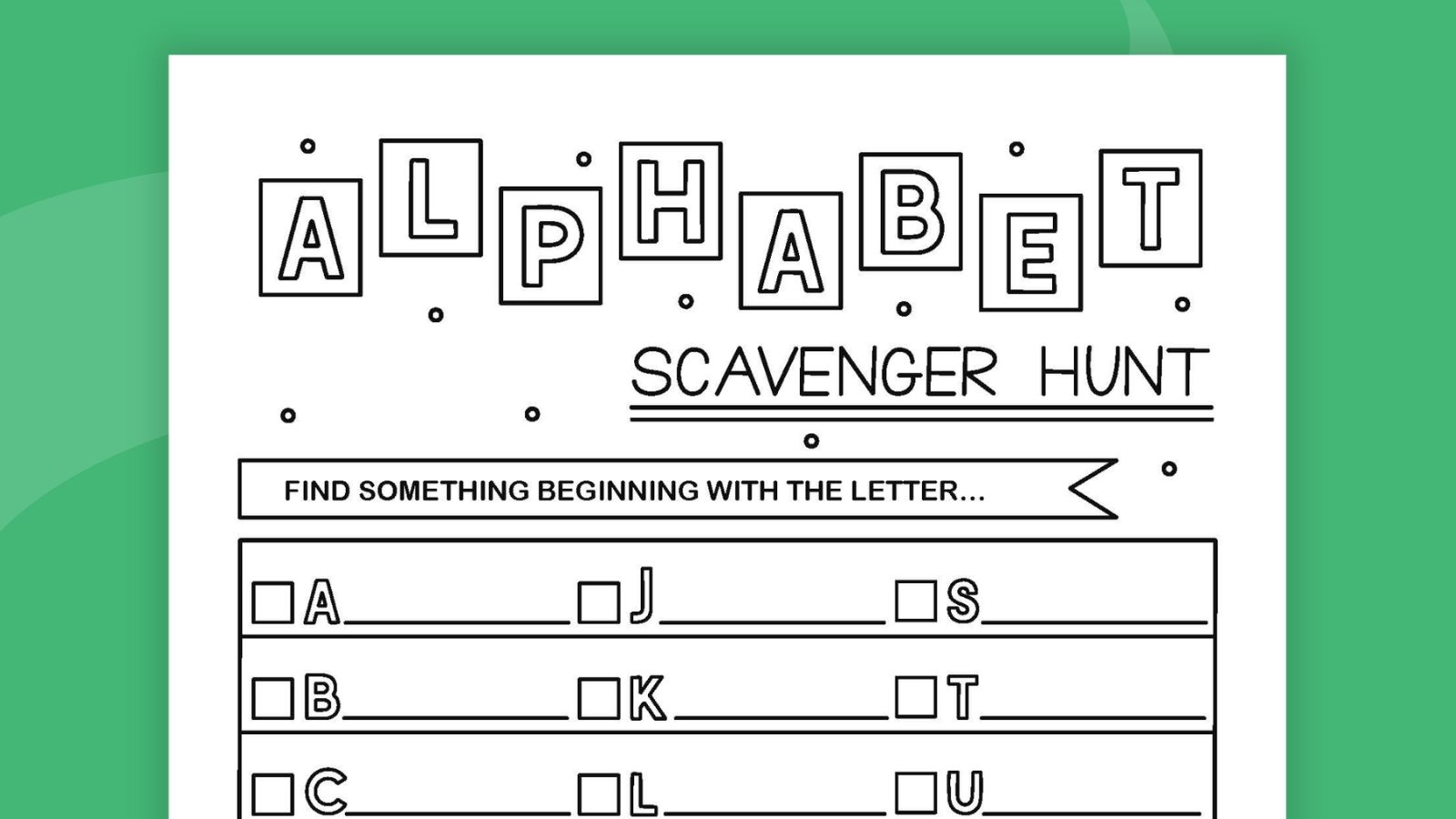
- Alphabet Scavenger Hunt: Challenging students to find physical objects in the room that begin with specific letter sounds.
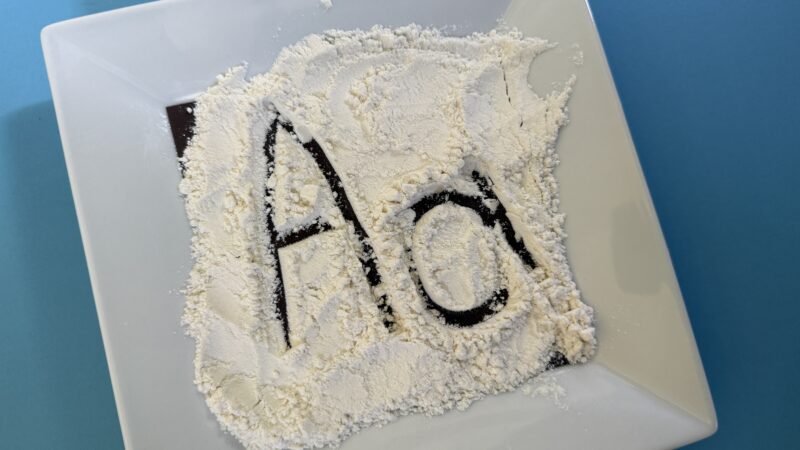
- Spice Writing: Using trays of cinnamon or salt for tactile letter tracing, engaging the sense of smell and touch.
Interactive Games and Collaboration
Games promote social-emotional learning alongside literacy by requiring turn-taking and cooperation.
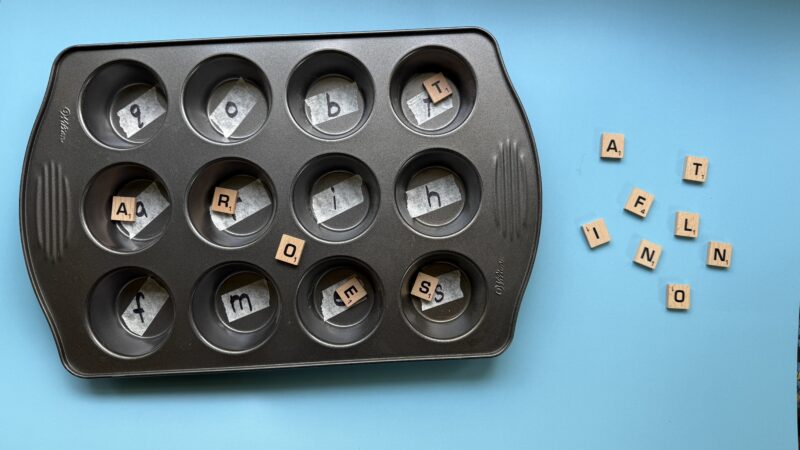
- Roll and Match: A sorting game using muffin tins labeled with lowercase letters and matching uppercase tiles.
- Alphabet Soup: Students use spoons to "fish" for letters in a bowl to spell their names or simple sight words.
- Letter Slap: A fast-paced card game that builds visual discrimination and rapid letter recall.
Kinesthetic and Movement-Based Activities
These activities are essential for students who require physical activity to process new information.
- The Alphabet Line-Up: Students are given letter cards and must physically arrange themselves in alphabetical order.
- ABC Floor Mat Drills: Using foam mats to have students hop or jump to letters called out by the instructor.
- Sky-Writing: Using large arm movements to draw letters in the air, engaging the large muscle groups to reinforce shape memory.
- Animal Movements: Associating letter sounds with physical actions (e.g., "S" for slither like a snake) to build letter-sound correspondence.
Literacy Center and Sensory Station Ideas
Small-group stations allow for differentiated instruction and hands-on exploration.
- Alphabet Hide-and-Seek: Finding plastic letters hidden in sensory bins filled with rice, sand, or cornmeal.
- Butter Bean Match: A fine-motor activity where students match uppercase and lowercase letters written on dried beans.
- Alphabet Beads: Threading letter beads onto pipe cleaners to practice spelling and fine motor control.
- Shaving Cream Letters: Writing letters in shaving cream spread across desks, providing a unique tactile experience.
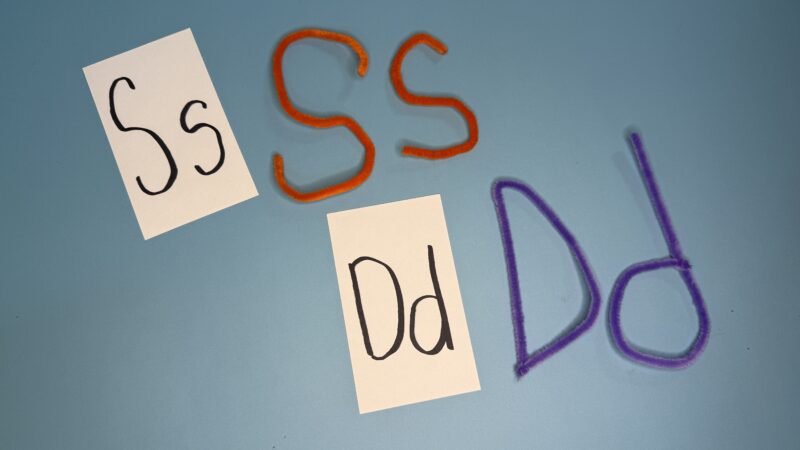
- Pipe Cleaner Construction: Bending colorful pipe cleaners into specific letter shapes to understand letter anatomy.
- Sponge Letter Prints: Using letter-shaped sponges and paint to create visual patterns and words.
- Egg Letter Match: Using plastic Easter eggs with uppercase letters on one half and lowercase on the other for matching practice.
- Loose Parts Letters: Using pebbles, bottle caps, or seeds to outline letter shapes on a flat surface.
- Play Dough Stamping: Pressing letter stamps into play dough to practice word formation and motor strength.
Independent Practice and Handwriting
These tasks focus on individual mastery and the mechanical skills of writing.
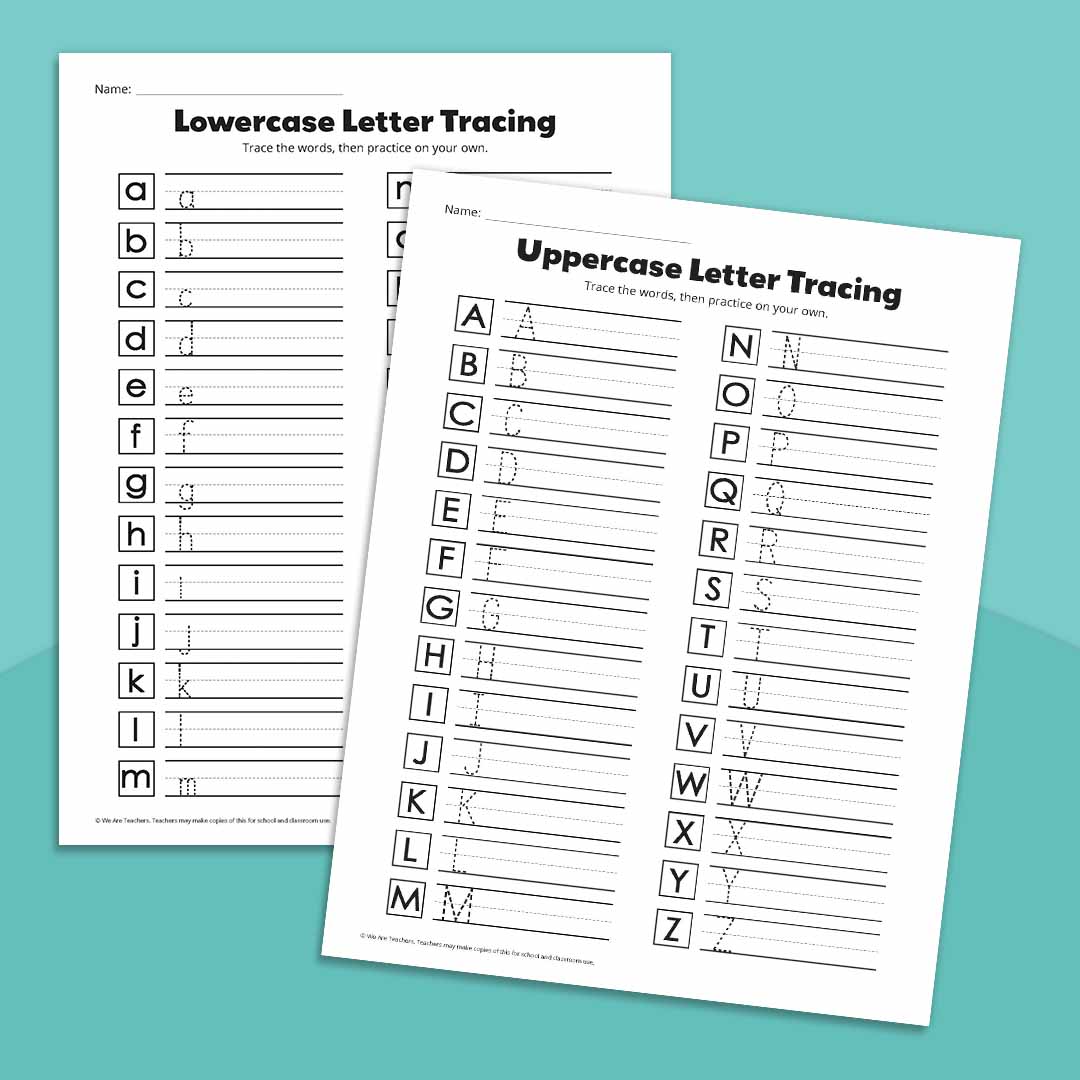
- Alphabet Tracing Strips: Using guided worksheets with arrows to teach proper stroke order and letter formation.
- Snap Cube Letters: Building letters out of interlocking plastic blocks using printable templates.
- Highlight Hunt: Scanning magazines or newspapers to find and highlight specific target letters.
- Name Puzzles: Cutting a student’s written name into pieces for them to reassemble, reinforcing the sequence of letters in their own name.
Creative and Artistic Alphabet Integration
Art-based activities help children see letters as forms that can be manipulated and decorated.
- Cotton Swab Pointillism: Using paint and swabs to dot along the lines of a letter, reinforcing its shape through repetition.
- Watercolor Reveal: Using white crayons to draw "invisible" letters that appear when painted over with watercolors.
- Musical Alphabet: A variation of musical chairs where students must name the letter they are standing near when the music stops.
- Textured Letter Cards: Gluing items like rice or pom-poms onto bubble letters to create a 3D sensory experience.
- Alphabet Songs: Utilizing varied melodies beyond the traditional ABC song to improve phonemic awareness and oral language.
- Creative Letter Drawings: Transforming a letter shape into a drawing of an object that starts with that letter (e.g., turning "S" into a snake).
Outdoor Learning and Environmental Exploration
Taking literacy outdoors provides a fresh context for learning and utilizes different surfaces.
- Sidewalk Chalk Art: Practicing letter writing on a large scale on pavement or blacktops.
- Water Spray Tracing: Using spray bottles filled with water to "erase" chalk letters by tracing over them, building hand strength.
- Nature Letter Construction: Collecting sticks, leaves, and stones during a nature walk to form letters on the ground.
Broader Impact and Implications for Early Education
The transition from recognizing a letter to understanding its role in a word is one of the most significant cognitive leaps a child makes. By providing a diverse array of activities—ranging from high-energy movement to quiet, tactile exploration—educators can ensure they are meeting the needs of every learner, including those with different learning styles or developmental delays.
The implications of these activities extend beyond the classroom. When children develop a "positive literacy identity" early on—meaning they view themselves as capable of reading and writing—they are more likely to take the risks necessary for advanced academic work. As literacy rates remain a primary concern for policymakers and school boards, the focus on foundational, hands-on alphabet instruction represents a return to proven, evidence-based methods that prepare the next generation for a lifetime of communication and learning. Through consistent, daily, and purposeful practice, the alphabet becomes not just a list of 26 characters, but a gateway to the world of information.

