
The sixth-grade year represents a critical juncture in the American educational trajectory, marking the transition from the foundational observations of elementary school to the rigorous, inquiry-based experimentation required in secondary education. As educators and curriculum specialists seek to bolster student engagement in Science, Technology, Engineering, and Mathematics (STEM), the implementation of high-quality science fair projects has emerged as a primary vehicle for developing critical thinking and the scientific method. This comprehensive analysis explores the most effective 6th-grade science fair projects, categorized by discipline, and examines their broader implications for academic development and global scientific literacy.
The Strategic Importance of Middle School STEM Engagement
Data from the National Academy of Sciences suggests that student interest in STEM careers often solidifies during the middle school years. Consequently, 6th-grade curricula have been redesigned to move beyond rote memorization, focusing instead on hands-on activities that demonstrate real-world applications. By engaging in science fair projects, students are required to formulate hypotheses, isolate variables, and analyze data—skills that are increasingly vital in a 21st-century workforce.
To assist educators in this mission, contemporary resources have categorized projects by difficulty levels and material requirements, ensuring that scientific exploration remains accessible regardless of a school’s budgetary constraints. Recognition of these efforts through formalized certifications has also been shown to improve student retention of complex scientific concepts.
Physical Science: Exploring Force, Energy, and Matter
Physical science in the 6th grade focuses on the fundamental laws that govern the universe. Projects in this category allow students to visualize abstract concepts such as thermodynamics, aerodynamics, and electromagnetism.
- Filtration and Resource Management: Students are increasingly tasked with designing water-filtration systems. By layering sand, charcoal, and gravel, students observe how particle size affects the removal of contaminants. This project aligns with global concerns regarding potable water scarcity, providing a direct link between the classroom and international humanitarian engineering.
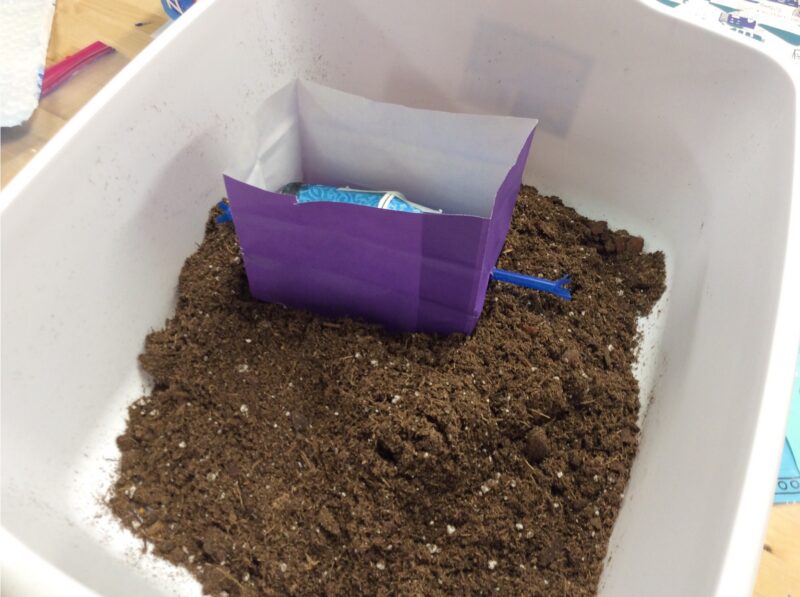
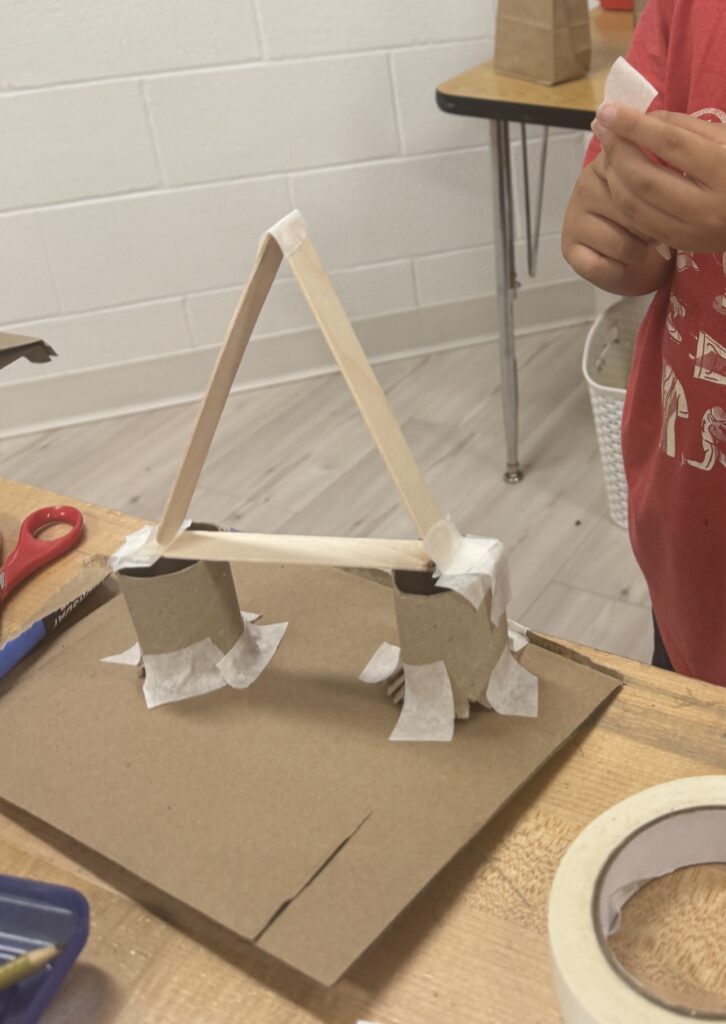
- Structural Engineering and Stability: Using simple materials like paper, tape, or craft sticks, students explore the principles of tension, compression, and load distribution. Challenges to build the tallest skyscraper or the strongest bridge require students to utilize iterative design—the process of testing, failing, and refining a structure.
- Aerodynamics and Motion: The creation of straw rockets and paper-plane launchers introduces students to the concepts of thrust, drag, and air resistance. By manipulating fin shapes and launch angles, students collect quantitative data on flight distance, mirroring the testing phases used in aerospace engineering.
- Thermodynamics and Insulation: Investigating heat transfer through various insulating materials allows students to apply the scientific method to everyday items. Testing how different fabrics or plastics retain heat in water containers provides practical insights into energy conservation and industrial design.
Life Science: Investigating Biological Systems and Ecosystems
Life science projects at the 6th-grade level encourage students to look inward at the human body and outward at the complex ecosystems that support life on Earth.
- Genetics and Molecular Biology: One of the most impactful demonstrations is the extraction of DNA from strawberries. This lab allows students to see genetic material with the naked eye, demystifying the concept of heredity. When combined with "gene bracelets"—where beads represent inherited traits—students gain a visual and tactile understanding of genetic variation.
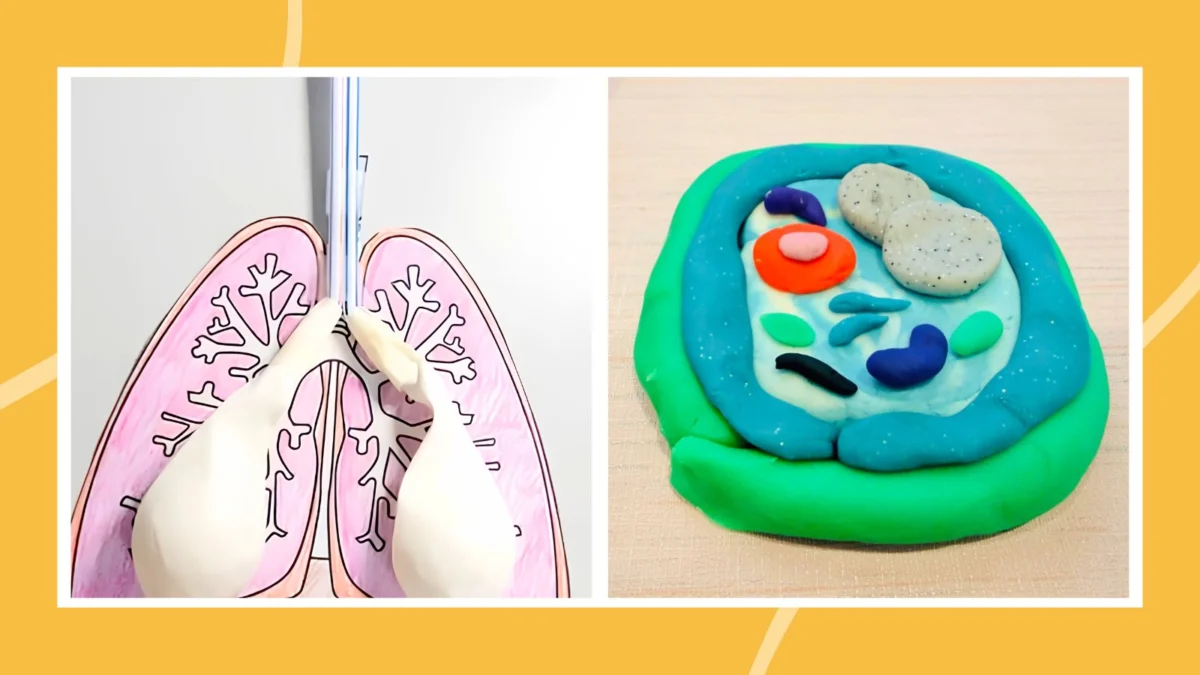
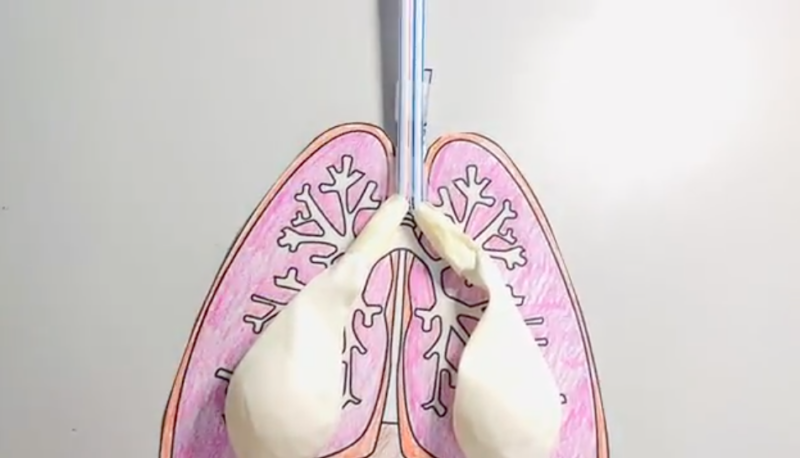
- Human Anatomy Models: Building functional models of the heart and lungs using syringes, balloons, and plastic bottles helps students understand the role of pressure in biological systems. These models illustrate how the diaphragm facilitates respiration and how valves maintain unidirectional blood flow.
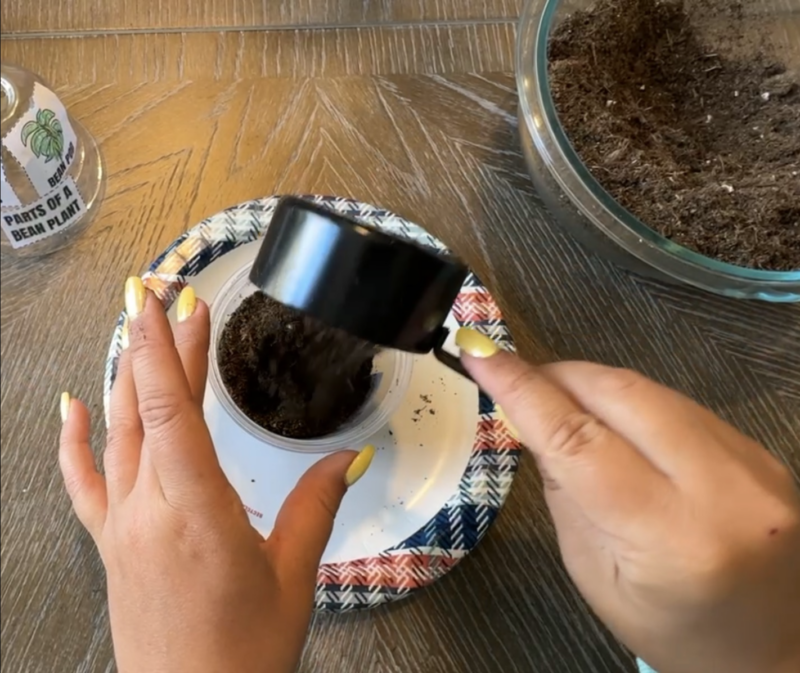
- Botany and Hydroponics: As agricultural technology evolves, students are exploring soil-less growing environments. Comparing the growth rates of hydroponic plants versus soil-based plants introduces the variables of nutrient density and oxygenation.
- Decomposition and Ecology: Creating "compost in a cup" provides a microscopic view of nutrient cycling. By observing how microorganisms break down organic waste, students learn about the vital role of decomposers in maintaining soil health and reducing landfill impact.
Earth and Space Science: Environmental Hazards and Planetary Dynamics
Earth science curricula for 6th graders emphasize the planet’s shifting systems and the human impact on the environment.
- Natural Disaster Simulation: Students build coastal models to simulate tsunamis or shaking platforms to mimic earthquakes. These projects go beyond observation; they require students to engineer solutions, such as sea walls or reinforced foundations, to mitigate damage.
- Renewable Energy Applications: The construction of solar ovens is a landmark 6th-grade project. By using reflective surfaces to concentrate solar radiation, students demonstrate the conversion of light energy into thermal energy, providing a foundation for discussions on fossil fuel alternatives.
- Environmental Remediation: Modeling an oil spill in a controlled tray allows students to test the efficacy of different sorbents, such as cotton, sponges, or chemical dispersants. This experiment highlights the difficulty of environmental cleanup and the importance of preventative regulations in the petroleum industry.
Chemistry: Observing Chemical Reactions and Material Science
Chemistry at the middle school level introduces the concept of the identity of matter and how it changes through reactions.

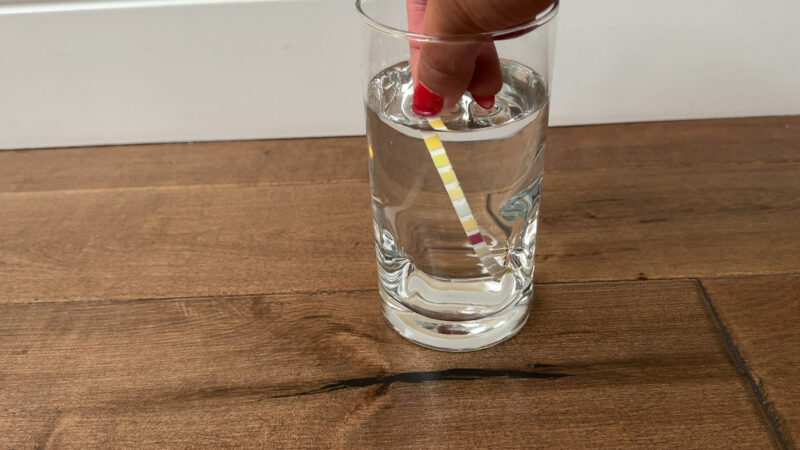
- pH Analysis and Acid-Base Chemistry: Using both synthetic pH strips and natural indicators—such as red cabbage juice—students test the acidity of common household beverages. This lab introduces the logarithmic pH scale and the concept of chemical erosion, particularly regarding dental health when testing sodas and juices.
- Polymer Science: The "magic leakproof bag" and the creation of "casein plastic" from milk proteins provide a hands-on introduction to long-chain molecules. Students observe how polymers can stretch around a puncture or how proteins can be restructured into solid forms through the addition of an acid (vinegar).
- Exothermic Reactions and Catalysts: Projects like "Elephant Toothpaste" use hydrogen peroxide and yeast to demonstrate how a catalyst can rapidly release oxygen gas. This high-visibility experiment is often used as a gateway to discussing reaction rates and molecular bonds.
Chronology of a Successful Science Fair Project
The typical timeline for these projects spans six to eight weeks, following a structured path that mirrors professional scientific research:
- Week 1-2: Selection and Hypothesis: Students identify a question and conduct preliminary research.
- Week 3: Experimental Design: Students list materials and define independent, dependent, and controlled variables.
- Week 4-5: Data Collection: Experiments are conducted multiple times to ensure the reliability of the results.
- Week 6: Analysis: Students create graphs and charts to visualize their findings.
- Week 7: Conclusion: Students determine if their data supports or refutes their initial hypothesis.
- Week 8: Presentation: Results are displayed on boards for peer and judge review.
Supporting Data and Educational Outcomes
Recent studies in educational psychology indicate that students who participate in science fairs score significantly higher on standardized science tests than those who only receive lecture-based instruction. Furthermore, a survey of middle school educators conducted by the "We Are Teachers" organization found that 85% of teachers believe that hands-on projects are the most effective way to reach "reluctant learners."
The inclusion of free printable certificates and public recognition ceremonies is not merely ceremonial. According to the Social Emotional Learning (SEL) framework, recognizing academic discovery fosters a "growth mindset," encouraging students to view failures in the lab as necessary steps toward discovery rather than final setbacks.
Official Responses and Broader Implications
Leading educational bodies, including the National Science Teaching Association (NSTA), have advocated for the integration of these projects into the standard curriculum. A spokesperson for the NSTA noted, "The goal of 6th-grade science is not to produce a generation of specialists, but to produce a generation of scientifically literate citizens who can evaluate evidence and solve problems."
The broader implications of these projects extend into the economic sphere. As the global economy shifts toward technology and green energy, the "STEM pipeline" begins in these middle school classrooms. By mastering the ability to filter water, build stable structures, and understand chemical reactions at age 11 or 12, students are building the foundational competencies required for future innovations in medicine, engineering, and environmental science.
In conclusion, the 6th-grade science fair is more than a school tradition; it is a vital pedagogical tool. By providing a diverse range of projects—from the physics of fidget spinners to the chemistry of dancing popcorn—educators can ignite a lifelong passion for discovery. As these students progress in their education, the skills honed during their 6th-grade experiments will serve as the bedrock for the next generation of scientific advancement.

