
Third grade represents a pivotal transition in elementary education as students move from basic observational learning to more complex analytical thinking. Educators and curriculum specialists increasingly emphasize hands-on science projects as a primary vehicle for developing these critical thinking skills. By engaging in experimental learning, students in the eight-to-nine-year-old demographic are better able to grasp abstract concepts such as Newton’s laws of motion, the states of matter, and the intricacies of ecological systems. According to educational research, active participation in science experiments can increase knowledge retention rates by up to 75% compared to traditional lecture-based instruction. This comprehensive guide outlines the most effective 3rd-grade science projects, categorized by scientific discipline, while analyzing their pedagogical value and alignment with modern educational standards.
Advancing Elementary STEM Education Through Experimental Learning
The integration of Science, Technology, Engineering, and Mathematics (STEM) at the 3rd-grade level is designed to meet the Next Generation Science Standards (NGSS). These standards require students to plan and conduct investigations, analyze and interpret data, and construct explanations. The following projects are structured to provide teachers and parents with accessible, low-cost methods to meet these rigorous academic goals. By utilizing common household or classroom materials, these experiments democratize science education, ensuring that students from all socioeconomic backgrounds can participate in high-quality discovery.
Physical Science: Investigating Forces, Energy, and Motion
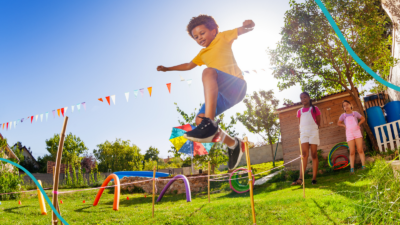
Physical science at the 3rd-grade level focuses on the fundamental laws that govern the universe. Experiments in this category allow students to visualize invisible forces like gravity, magnetism, and electricity.
- Balloon Rocket Propulsion: By threading a string through a straw and attaching an inflated balloon, students can observe Newton’s Third Law of Motion. When the air is released, the equal and opposite reaction propels the balloon forward. This introduces the concept of thrust and air pressure.
- Rubber-Band String Instruments: Utilizing empty tissue boxes and varying thicknesses of rubber bands, students explore the physics of sound. By plucking the bands, they observe vibrations and learn how tension and mass affect pitch and frequency.
- Comparative Magnetic Strength: Students use different magnets to determine how many paper clips each can attract. This quantitative analysis helps them understand that magnetic fields vary in intensity based on the material and size of the magnet.
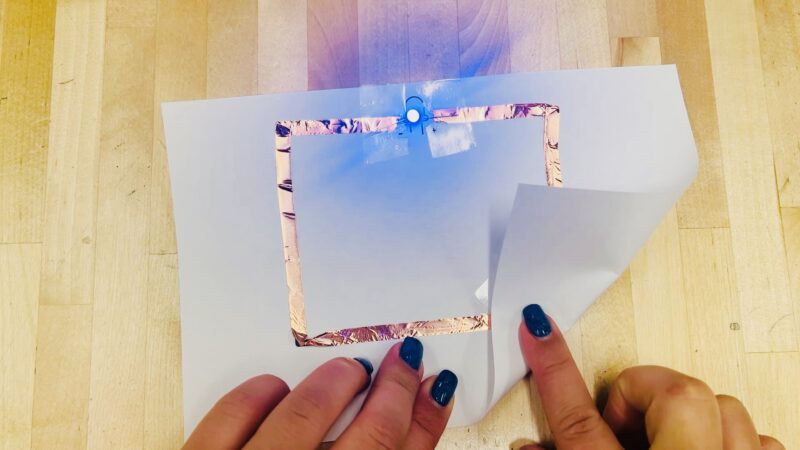
- Simple Circuit Construction: Using a battery, copper wire, and a small LED bulb, students build a closed loop. This project demonstrates how electrical energy flows and the importance of conductive paths.
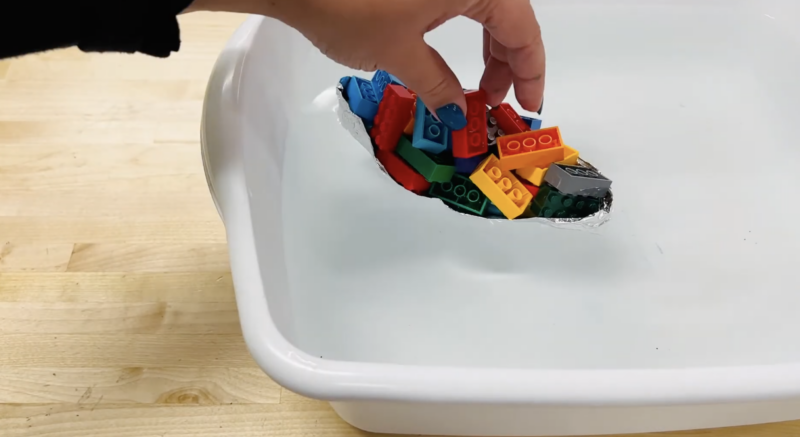
- Buoyancy and Hull Design: Using aluminum foil, students design boat structures and test their weight-bearing capacity with pennies. This experiment explores Archimedes’ principle and the relationship between surface area and displacement.
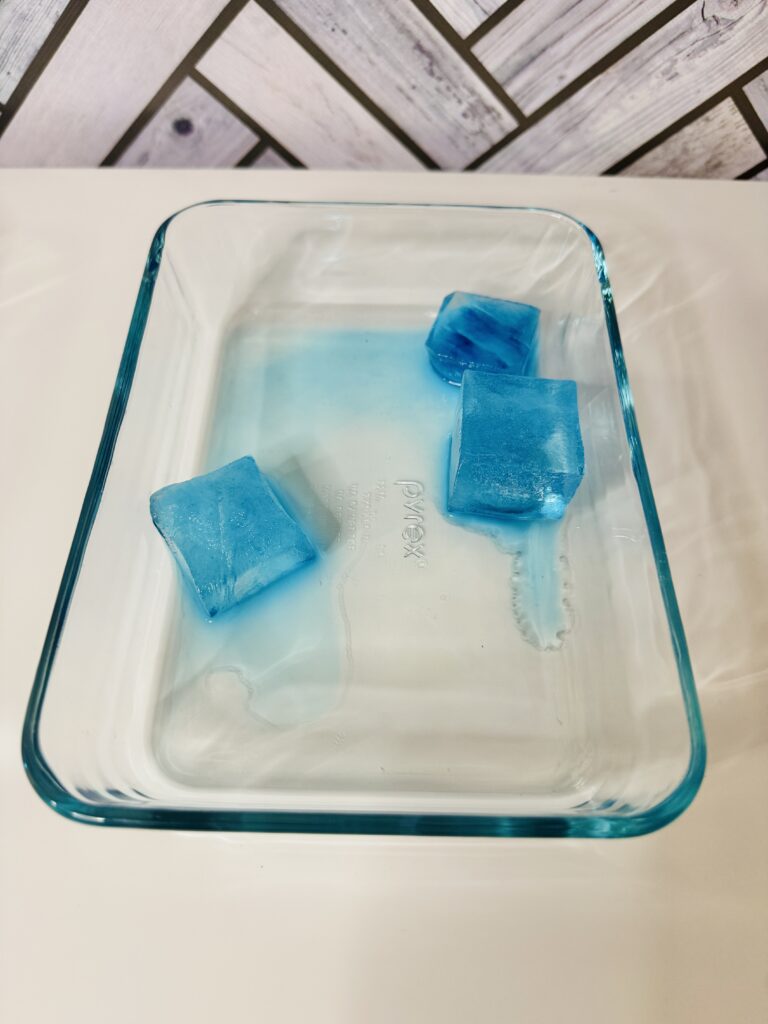
- Thermal Absorption and Color: By placing ice cubes on black and white paper in sunlight, students observe differences in melting rates. This provides a tangible example of how dark colors absorb radiant energy while light colors reflect it.
- Friction Analysis via Ramps: Rolling toy cars down ramps covered in sandpaper, carpet, or foil allows students to measure travel distances. This data highlights how different surface textures create varying levels of resistance.
- Kinetic Energy Launchers: Using spoons and rubber bands to launch cotton balls, students investigate how the amount of potential energy stored (stretch) correlates with the distance traveled (kinetic energy).
- Energy Transfer in Bouncing Balls: Dropping different types of balls—tennis, rubber, and foam—from a fixed height helps students understand elasticity and how energy is lost to heat and sound upon impact.
- Shadow Tracking: By placing a stick in the ground and tracing its shadow throughout the day, students link the apparent movement of the sun to the Earth’s rotation.
- Water-Bottle Thermometers: Filling a bottle with colored water and a straw sealed with clay creates a rudimentary thermometer. As the water is heated, it expands and rises, demonstrating thermal expansion in liquids.
- Needle Compasses: Magnetizing a sewing needle and floating it on a leaf in water allows students to interact with Earth’s magnetic field, providing a historical context for navigation technology.
- Air Pressure and Bernoulli’s Principle: Using a hairdryer to suspend a ping-pong ball in mid-air demonstrates how fast-moving air creates low-pressure zones, keeping the ball stabilized.
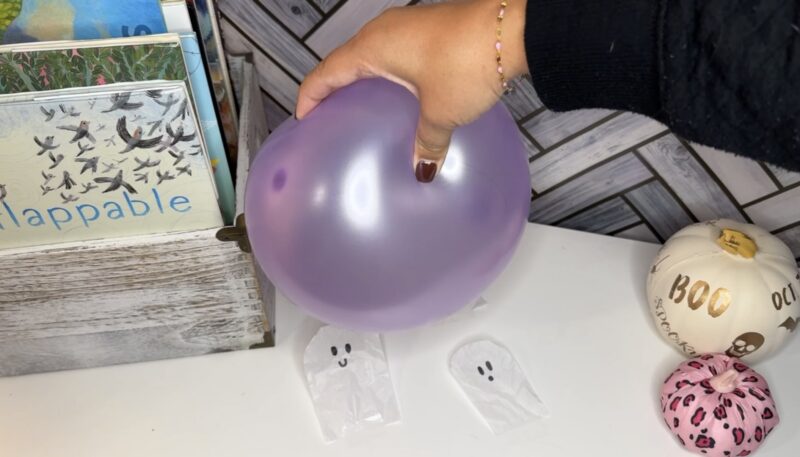
- Static Electricity Attraction: Rubbing a balloon on hair to pick up tissue paper ghosts introduces the concept of electron transfer and non-contact forces.
- Paper Helicopter Aerodynamics: Adjusting wing length on paper twirlers helps students study air resistance and the force of gravity during a descent.
Matter and Its Interactions: Exploring Phase Changes
Understanding the properties of solids, liquids, and gases is essential for 3rd-grade chemistry. These projects focus on how matter changes state and how different substances interact.
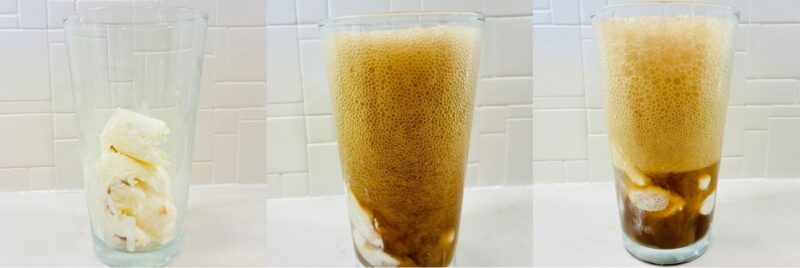
- Root Beer Float States of Matter: This experiment uses a popular treat to identify solids (ice cream), liquids (soda), and gases (carbonation bubbles), making abstract concepts edible and relatable.
- Solubility Races: Students stir sugar, salt, and sand into water to observe which substances dissolve and at what rate, introducing the concepts of solutes and solvents.
- Freezing Point Depression: By adding salt to ice, students observe accelerated melting. This has real-world implications for road safety during winter months.
- Gas Expansion in Balloons: Placing a bottle with a balloon over the opening into hot and cold water shows how air molecules move faster and spread out when heated.
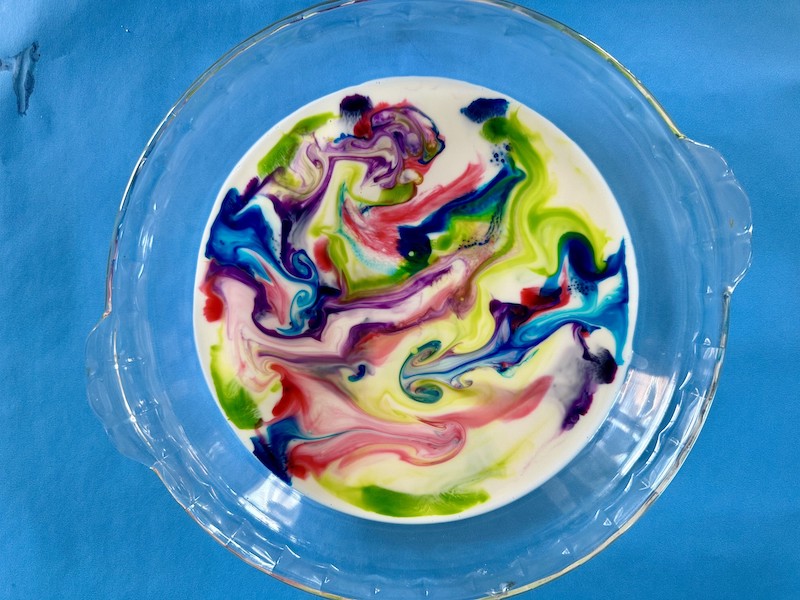
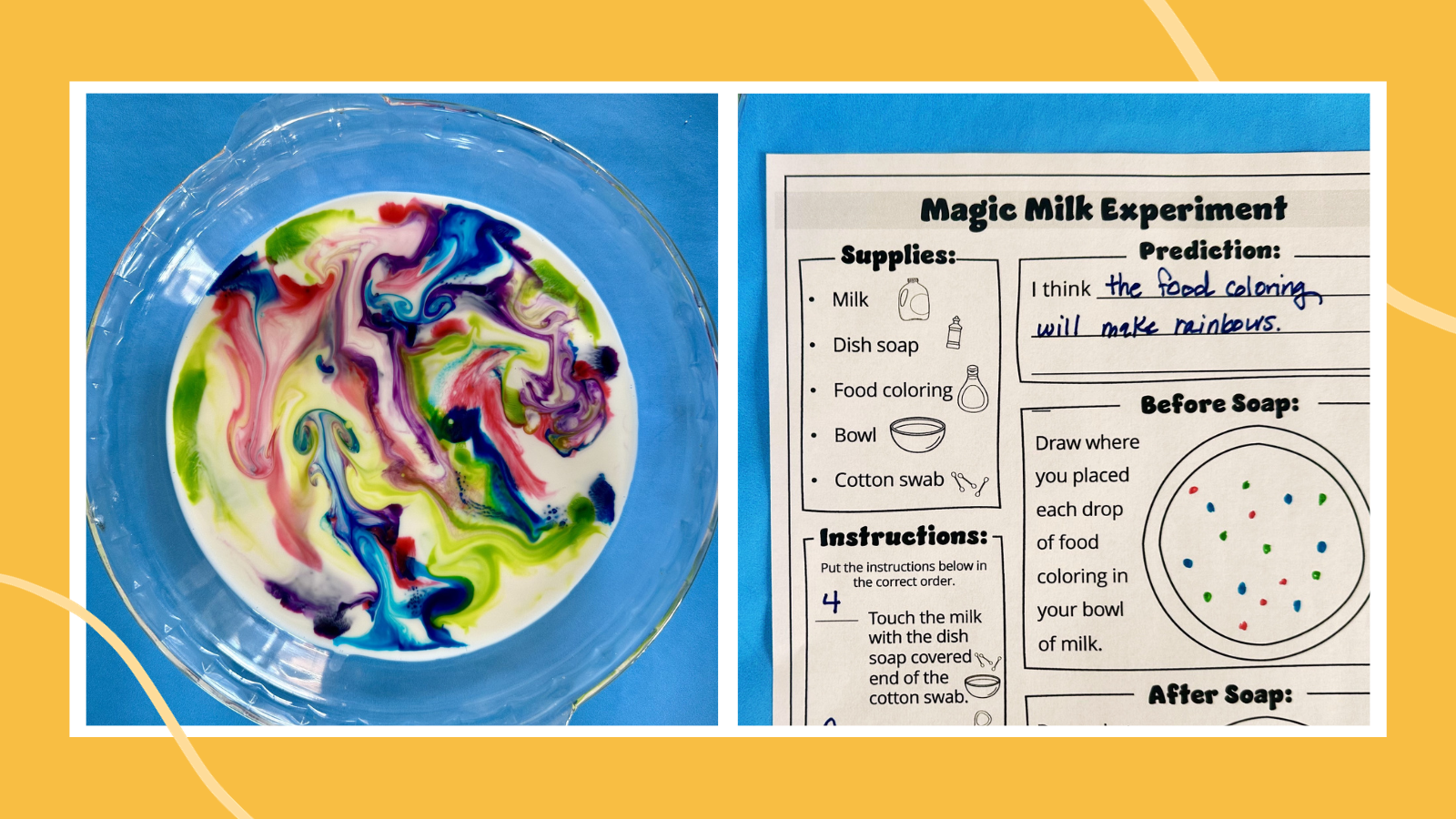
- Surface Tension and Magic Milk: Adding dish soap to milk tinted with food coloring breaks the surface tension and causes the fat molecules to move rapidly, creating a visual display of chemical interaction.
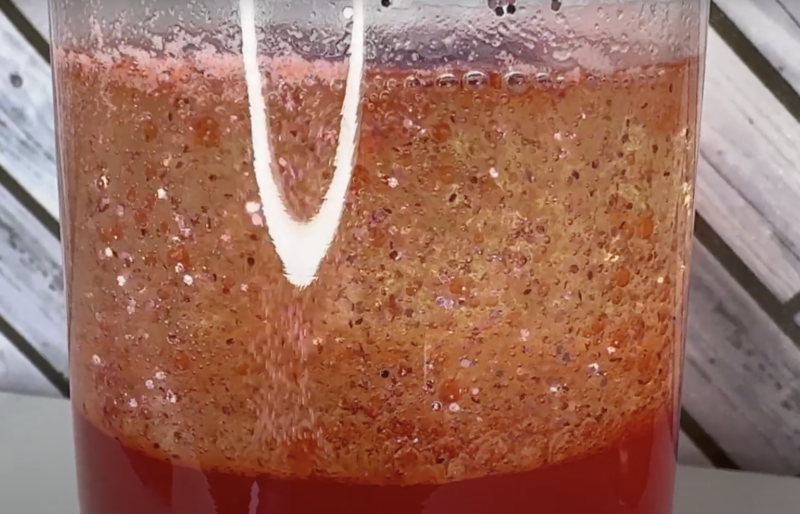
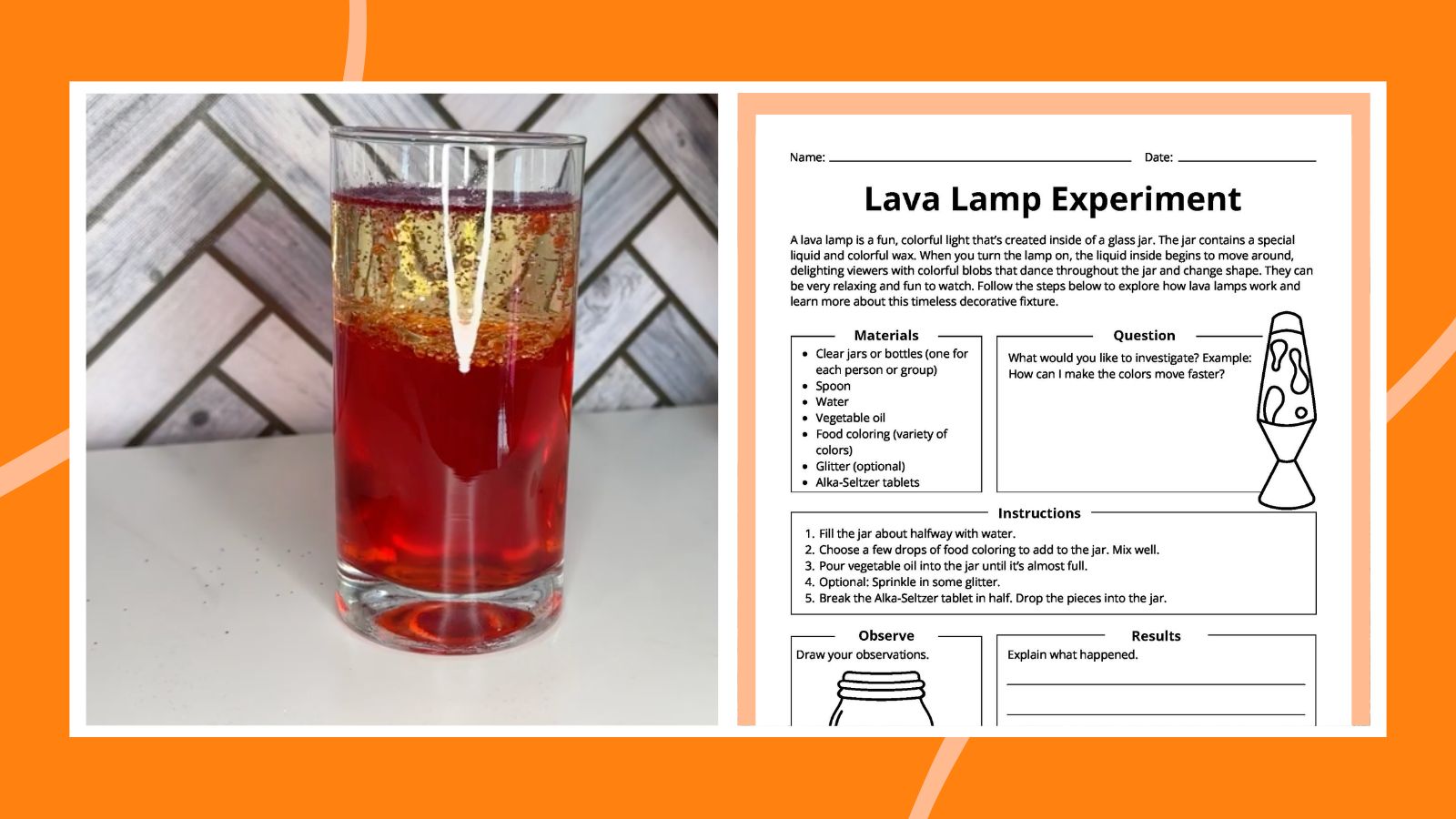
- Density Columns and Lava Lamps: Mixing oil, water, and antacid tablets allows students to see how density prevents certain liquids from mixing and how gas bubbles can transport heavier liquids upward.
- Liquid Freezing Comparisons: Freezing water, oil, and vinegar helps students understand that different substances have unique freezing points and molecular structures.
- Crayon Phase Changes: Melting old crayons demonstrates how adding thermal energy turns a solid into a liquid, which can then be reshaped and cooled back into a solid.
- Water Filtration Systems: Using coffee filters and sand to clean muddy water introduces the concept of mechanical separation of mixtures.
- Mixture and Solution Classification: Students combine various items (like beads and water or salt and water) to categorize them based on whether they can be easily separated.
Ecosystems and Biological Development: Understanding Life Cycles
Life science in 3rd grade moves toward understanding the dependencies within an environment. These projects focus on plant growth, decomposition, and the food web.
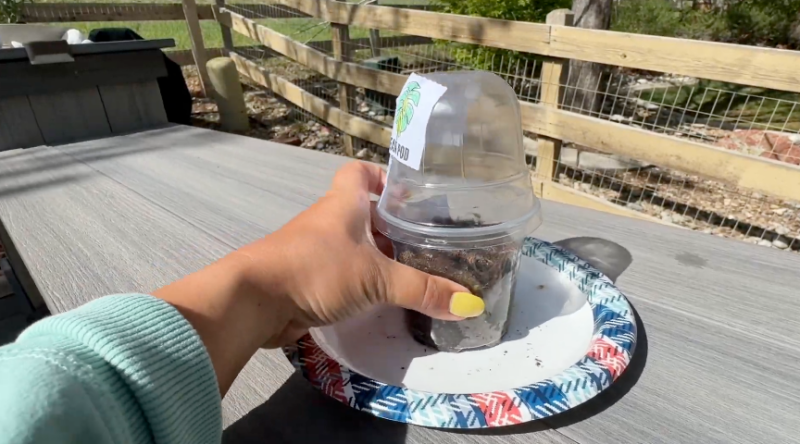
- Seed Germination in Bags: By growing seeds in clear bags with damp paper towels, students can observe root and shoot development without soil interference.
- Self-Sustaining Terrariums: Building a closed ecosystem in a jar demonstrates the water cycle and how plants can thrive in a controlled environment.
- Resource Dependency Testing: Growing plants with and without light or water provides empirical evidence of the basic needs of living organisms.
- Decomposition Bottles: Creating a mini-compost bin allows students to see how microbes break down organic matter into nutrient-rich soil.
- Soil Type and Root Health: Planting seeds in sand, clay, and potting soil helps students determine which medium provides the best support and nutrients for vegetation.
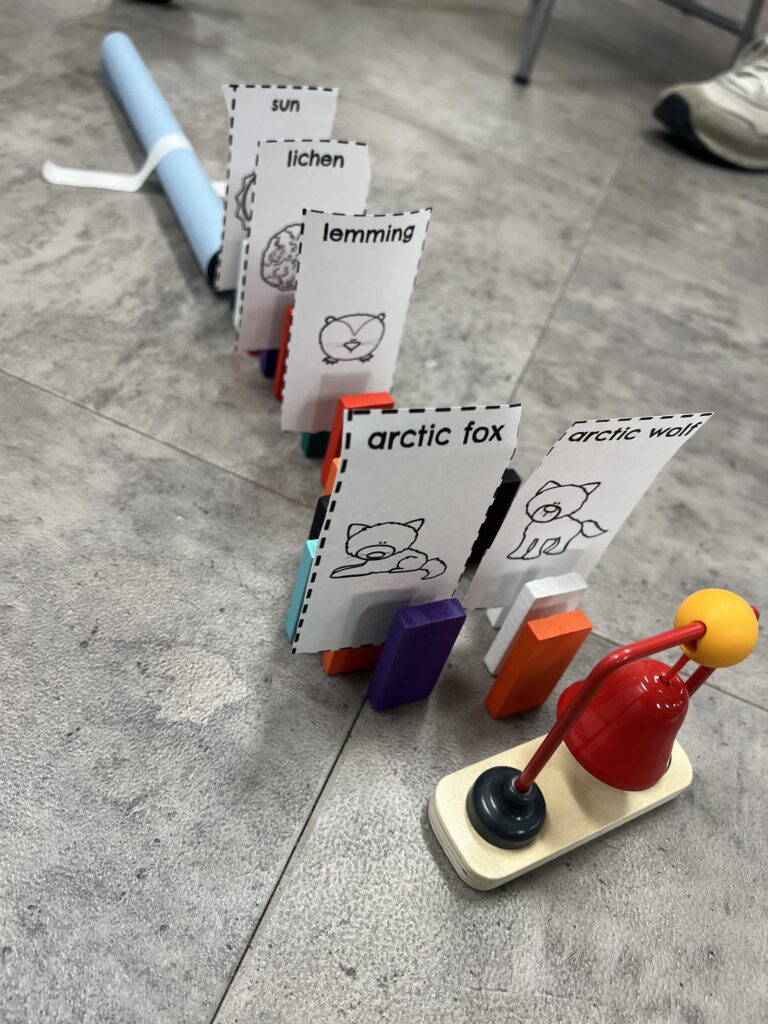
- Energy Flow Paper Chains: Students construct visual models of food chains, starting with producers (sun/plants) and moving to consumers and decomposers.
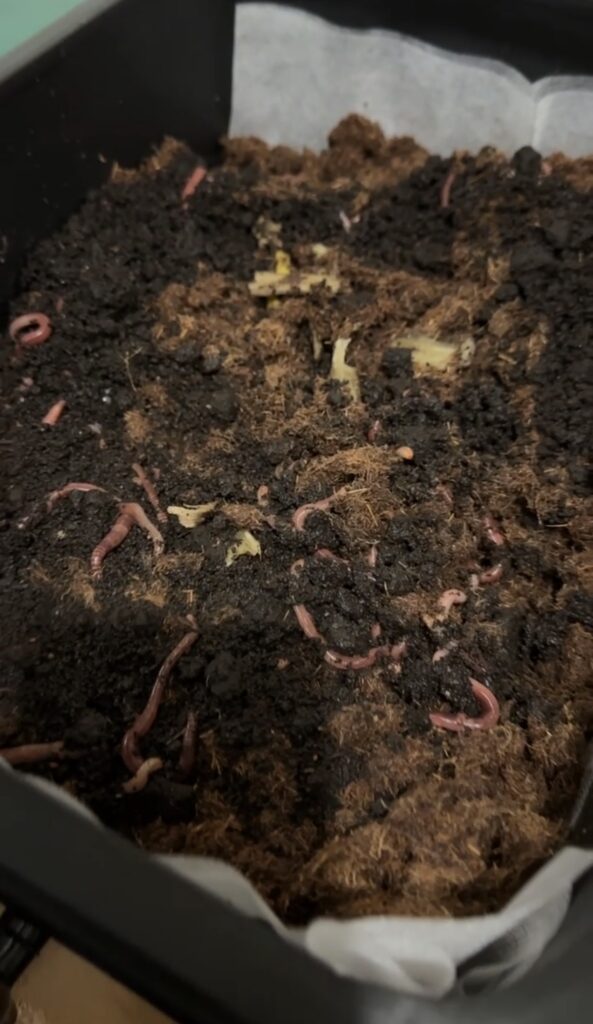
- Vermicomposting and Worm Habitats: Observing earthworms in a clear container highlights their role in aerating soil and processing nutrients.
- Living vs. Non-Living Classification: A sorting activity that requires students to identify characteristics of life, such as respiration, growth, and reproduction.
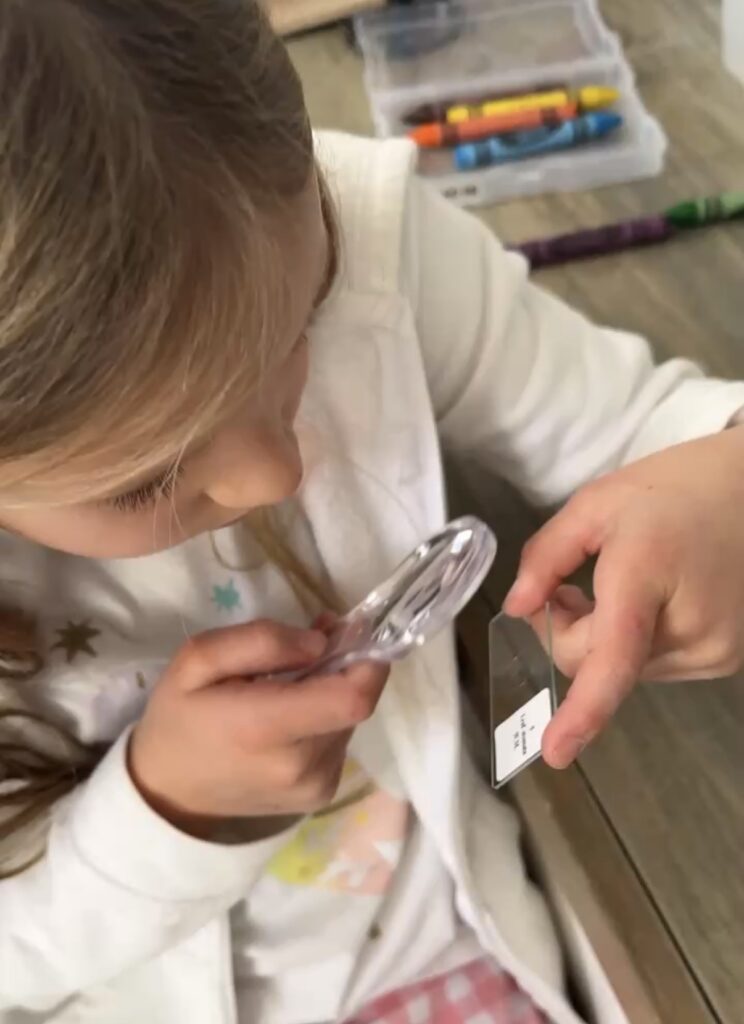
- Leaf Vein Analysis: Using magnifiers to study leaf structures helps students understand how plants transport water and nutrients.
- Aquatic Habitat Modeling: Creating a small pond environment with rocks and water plants explores the balance required for underwater life.
Earth Systems and Human Impact: Modeling Planetary Processes
These projects investigate the geological and atmospheric processes that shape the Earth, as well as the human role in environmental stewardship.
- Precipitation Models in Jars: Creating "rain" by placing ice on a lid over hot water demonstrates condensation and precipitation.
- Wind Sock Construction: Building instruments to measure wind direction helps students track local weather patterns.
- Water Cycle Bags: Taping a bag of water to a window allows students to observe the entire cycle—evaporation, condensation, and precipitation—in real-time.
- Soil Drainage Testing: Pouring water through different soil samples teaches students about permeability and its importance in preventing floods.
- Cloud Formation in a Bottle: Using a match or aerosol to provide "nuclei" for water vapor to cling to shows how clouds form in the atmosphere.
- Seismic Stability Tests: Building block towers on a "shaking" tray helps students understand engineering requirements for earthquake zones.
- Sugar Cube Weathering: Shaking sugar cubes in a jar simulates how rocks break down over time due to physical friction.
- Ocean Current Simulation: Using pepper and water, students can see how surface winds drive the movement of ocean water.
- Floodplain Modeling: Using sand and water in a tray shows how rivers overflow and the impact of sediment deposit.
- Landslide Simulations: Adding water to a sloped dirt pile demonstrates how saturation leads to geological instability.
- Solar Oven Engineering: Building a pizza box oven to cook s’mores introduces renewable energy and the greenhouse effect.
- Oil Spill Remediation: Students attempt to clean oil out of water using feathers and sponges, highlighting the difficulty of environmental cleanup.
- Rain Gauge Tracking: Measuring rainfall over a month allows students to collect and graph meteorological data.
- Urban Heat Island Effect: Comparing temperatures of water in black vs. white containers simulates how cities stay warmer than rural areas.
- Recycling Sort Challenges: An activity focused on resource conservation and the lifecycle of consumer products.
Space Systems and Celestial Patterns
Space science at this level focuses on the Earth’s place in the solar system and the patterns observed in the night sky.
- Impact Crater Analysis: Dropping marbles into flour and cocoa powder allows students to see how asteroids shape the surfaces of the moon and planets.
- Oreo Moon Phases: Using the cream of sandwich cookies to represent the waxing and waning moon helps students memorize the lunar cycle.
- Scaled Solar System Models: Drawing or building the planets in order teaches students about the vast distances and varying sizes in our neighborhood of space.
- Gnomon Shadow Clocks: Using a stick as a sundial helps students understand the relationship between Earth’s rotation and timekeeping.
- Flashlight Constellations: Punching holes in cards to project star patterns on the wall introduces the history of astronomy and navigation.
- Clay Planet Comparisons: Shaping dough into relative sizes of the planets provides a tactile understanding of planetary scale.
- UV Bead Testing: Using beads that change color in sunlight teaches students about ultraviolet radiation and the importance of solar protection.
Engineering Design and Analytical Implications
The final tier of 3rd-grade science involves engineering—the application of scientific knowledge to solve problems. Projects like straw roller coasters (Experiment 58), sugar crystal growth (Experiment 59), and "walking water" (Experiment 60) challenge students to refine their designs based on observed data. Testing soundproofing materials (Experiment 61) and paper airplane aerodynamics (Experiment 62) require students to isolate variables, a key skill for middle and high school science.
The broader impact of these 65 projects extends beyond the classroom. By fostering a sense of curiosity and providing a structured way to answer "why," these experiments build the foundation for future scientific literacy. As educational institutions continue to prioritize STEM, these hands-on activities ensure that 3rd-grade students are not just consumers of information, but active participants in the process of discovery. The ultimate goal is to prepare a generation of thinkers capable of tackling complex global challenges through empirical evidence and creative problem-solving.

