
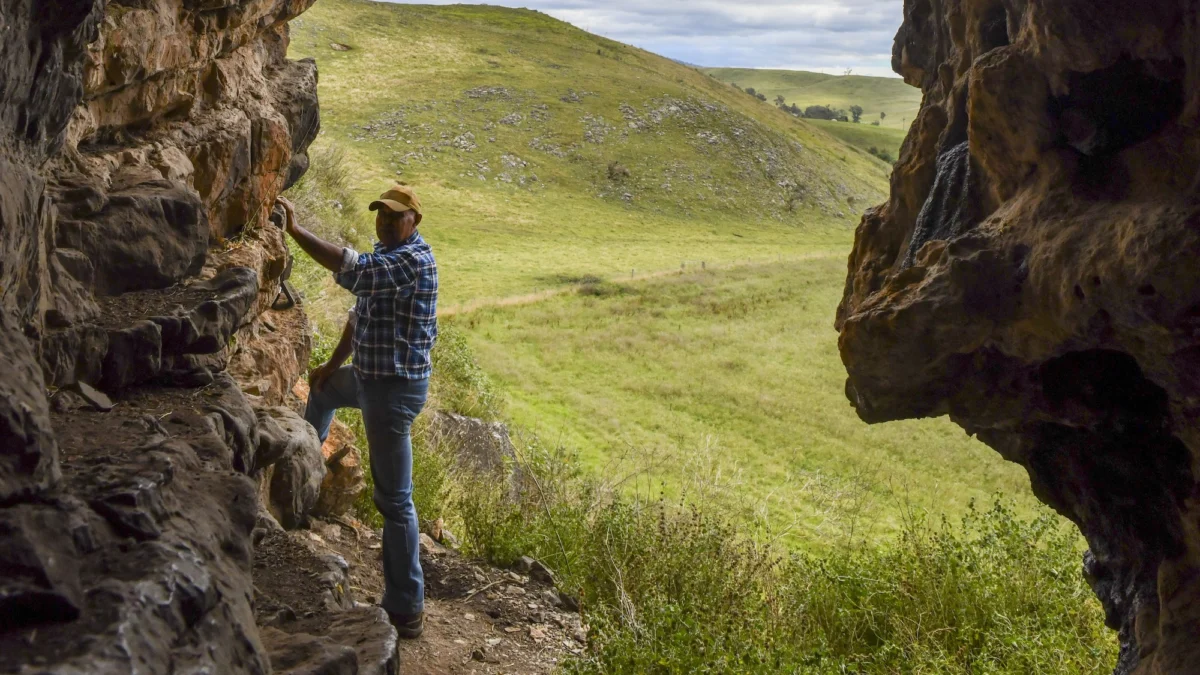
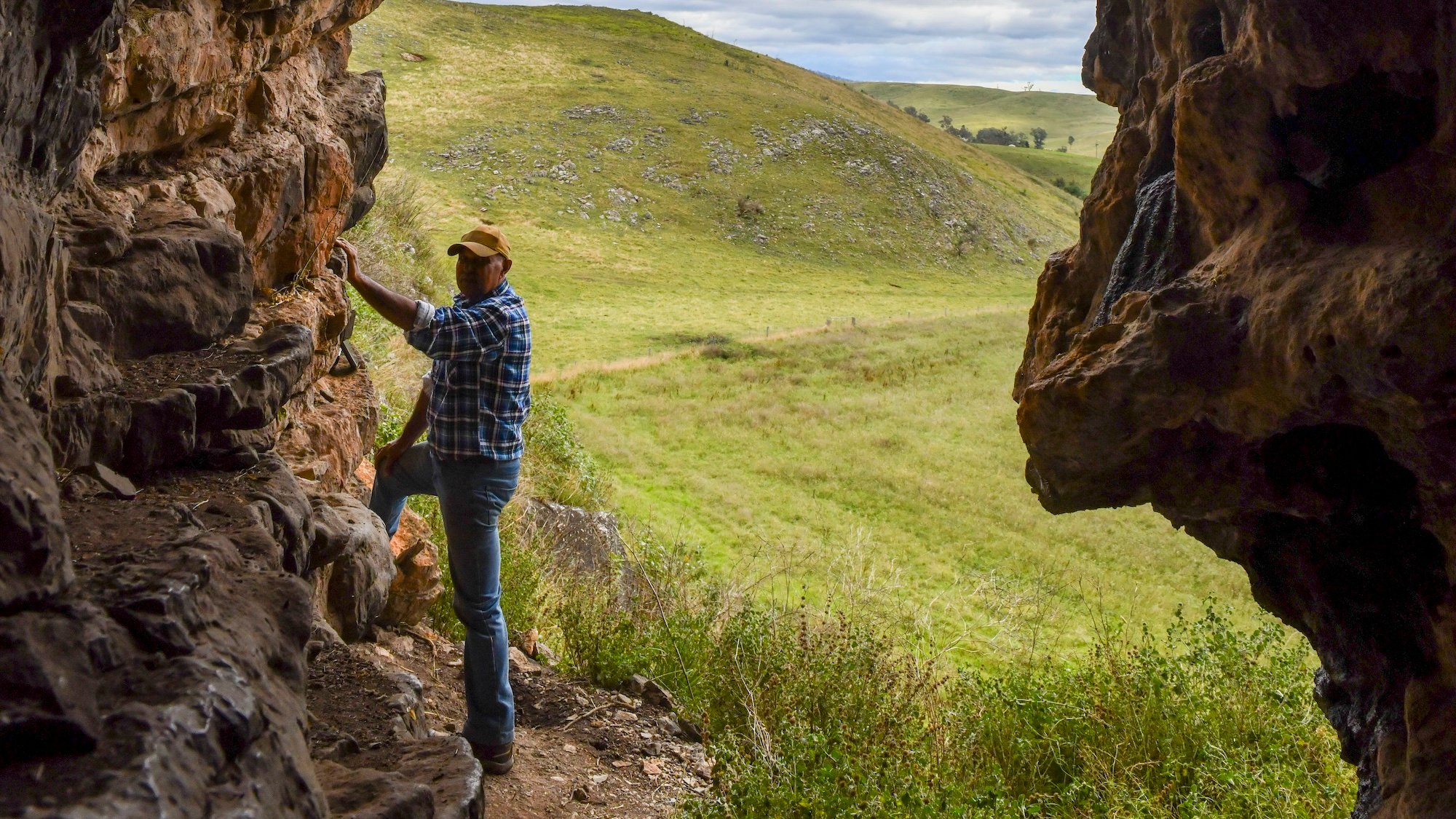
The entrance to Cloggs Cave, a vast limestone cavern nestled on a bluff in Victoria, Australia, near the town of Buchan, evokes the grandeur of a natural cathedral. For countless generations, this sacred site has been a focal point for the GunaiKurnai people, an Indigenous Australian nation whose deep connection to this land is etched into the very fabric of the cave. The blackened ceiling, a testament to the enduring smoke from ancient bonfires, whispers stories of a rich cultural heritage. Historical accounts from the 19th century, alongside the vibrant oral traditions of the GunaiKurnai, consistently describe the cave as a place of profound spiritual significance. It was here that revered elders, known as "mulla-mullung" or "Old Ancestors," conducted rituals for healing, practiced what could be described as ancient magic, and even enacted curses. These deeply ingrained practices, often involving the burning of native grasses, have now provided a remarkable window into the past, revealing the astonishing longevity of human presence within this sacred space.
New research, published in the journal Frontiers in Environmental Archaeology, has unveiled compelling evidence that Aboriginal peoples have utilized Cloggs Cave for at least 25,000 years. This groundbreaking discovery stems from the meticulous analysis of microscopic plant remains, known as phytoliths, found embedded within the cave’s ashy layers. These silica structures, preserved within the burnt grasses, offer an unparalleled glimpse into the activities and beliefs of ancient peoples, pushing back the documented human use of this significant site by millennia.
Unveiling Ancient Practices: The Science Behind the Discovery
The scientific investigation at Cloggs Cave was spearheaded by a collaborative team of archaeologists and researchers, including Elle Grono from the Australian National University and Bruno David from Monash University. Their work built upon existing knowledge of the GunaiKurnai people’s historical use of the cave, which was already known to be extensive. However, the precise temporal depth of this occupation remained a subject of scientific inquiry.
The key to unlocking this ancient timeline lay in the unique preservation conditions within Cloggs Cave. Unlike many open-air archaeological sites, the sheltered environment of the cave protected delicate organic materials from degradation. The continuous layering of ash from countless fires, punctuated by periods of sediment deposition, created a stratified record of human activity.
"Here we show that the Old Ancestors selected whole grasses from the wider landscape and carried them into Cloggs Cave to spread out in thin layers and burn," explained study co-author Elle Grono. "Over time, sediments covered these burnt layers, preserving each layer on top of another over thousands of years."
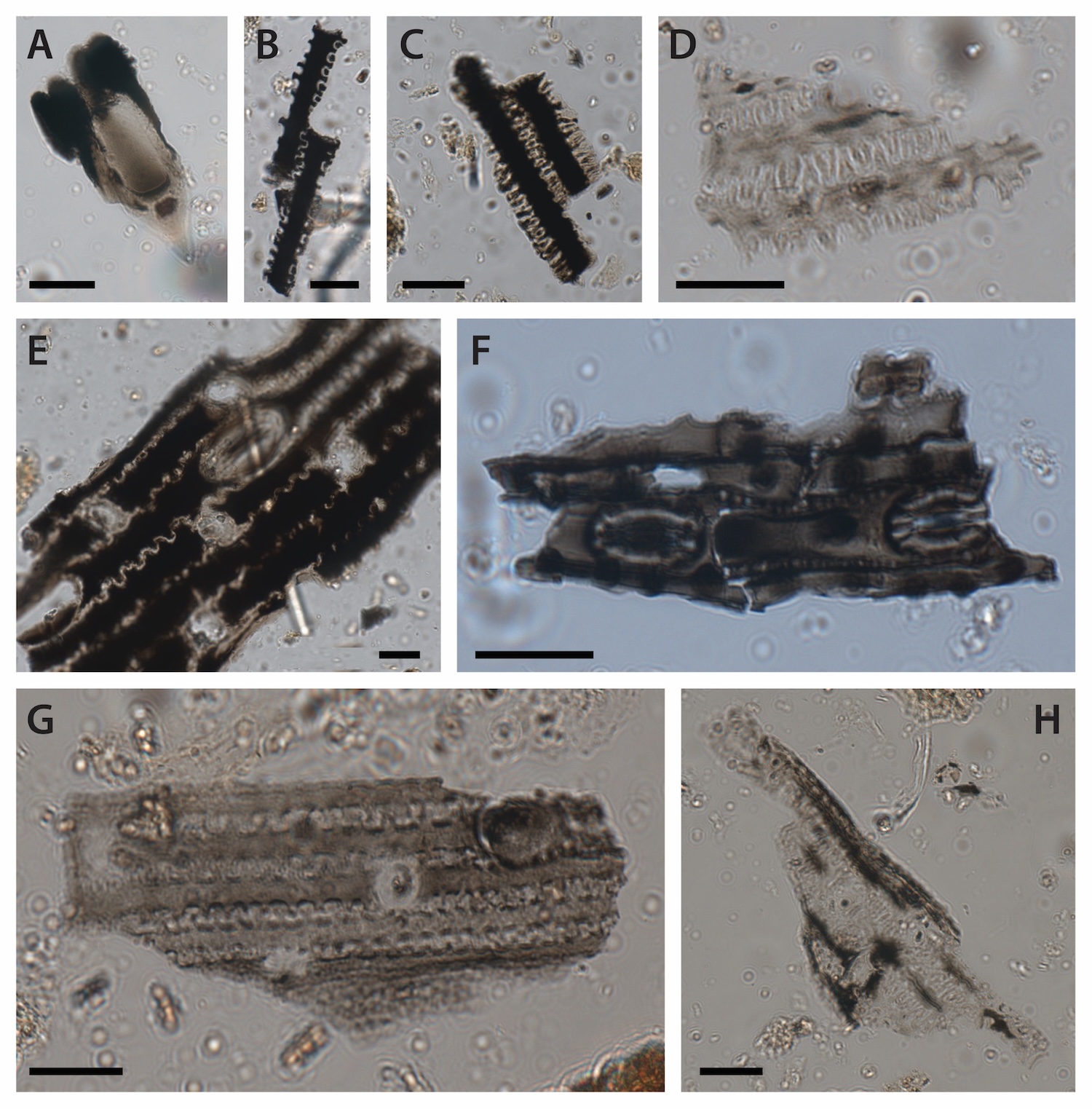
The researchers focused their analysis on phytoliths, which are microscopic silica bodies formed within plant cells. These structures are remarkably durable and can survive in archaeological contexts where other organic materials would have long since decomposed. Crucially, phytoliths generally remain within the vicinity of the plant from which they originated, making them excellent indicators of past vegetation and human-related activities.
"We focused on half-burnt phytoliths from ashy layers, which can only have been brought in by people, as unburnt ones might have arrived through either means," Grono elaborated. This distinction was critical, as it allowed the researchers to confidently attribute the presence of these burnt phytoliths to direct human intervention rather than natural deposition by animals or wind.
A Chronology of Fire and Ritual
The study meticulously dated phytoliths recovered from 73 distinct ash layers within two excavation pits inside Cloggs Cave. This detailed chronological framework revealed that the practice of burning grasses within the cave occurred intermittently between approximately 4,400 and 1,600 years ago. This period represents a significant era of sustained ritualistic activity.
The analysis identified an impressive diversity of vegetation brought into the cave, encompassing 29 different types of plants, including grasses, herbs, and woody species. The prevalence of phytoliths from the Pooideae subfamily, grasses adapted to cool and temperate climates, alongside the Panicoideae subfamily, found in warmer, more humid regions, suggests that the GunaiKurnai people possessed extensive knowledge of their local environment and intentionally selected specific plants for their rituals.
Furthermore, the study indicated that many of these grasses were deliberately gathered from areas close to the cave entrance. This suggests a considered and purposeful approach to the collection and transport of materials for ritualistic purposes. The high proportion of incinerated or melted phytoliths further underscores the intensity and frequency of the fires lit within the cave.
While the most recent layers provided a detailed record of the last few millennia, further dating of burnt plant evidence pointed to an even deeper history of human engagement with Cloggs Cave. These findings suggest that local communities began transporting materials into the cave as far back as 25,000 years ago, establishing a long and continuous tradition of its use.
Beyond the Flora: Artifacts of Spiritual Significance
The research at Cloggs Cave unearthed more than just the remnants of ancient fires. In one of the excavation pits, archaeologists made a remarkable discovery: a standing stone, approximately one foot tall, believed to have played a significant role in ceremonial practices. This artifact was discovered embedded within layers of ash containing the characteristic burnt phytoliths, strongly linking it to the ritualistic activities that took place within the cave.
"Their burning is consistent with GunaiKurnai traditional practices of using ash to perform magic and rituals, and also to track the footsteps of anyone coming in, including spirit-beings," commented Bruno David, a Monash University archaeologist and co-author of the study. This interpretation aligns with the spiritual beliefs and practices of many Indigenous Australian cultures, where ash can hold symbolic meaning and be used for a variety of purposes, including communication with the spiritual realm.
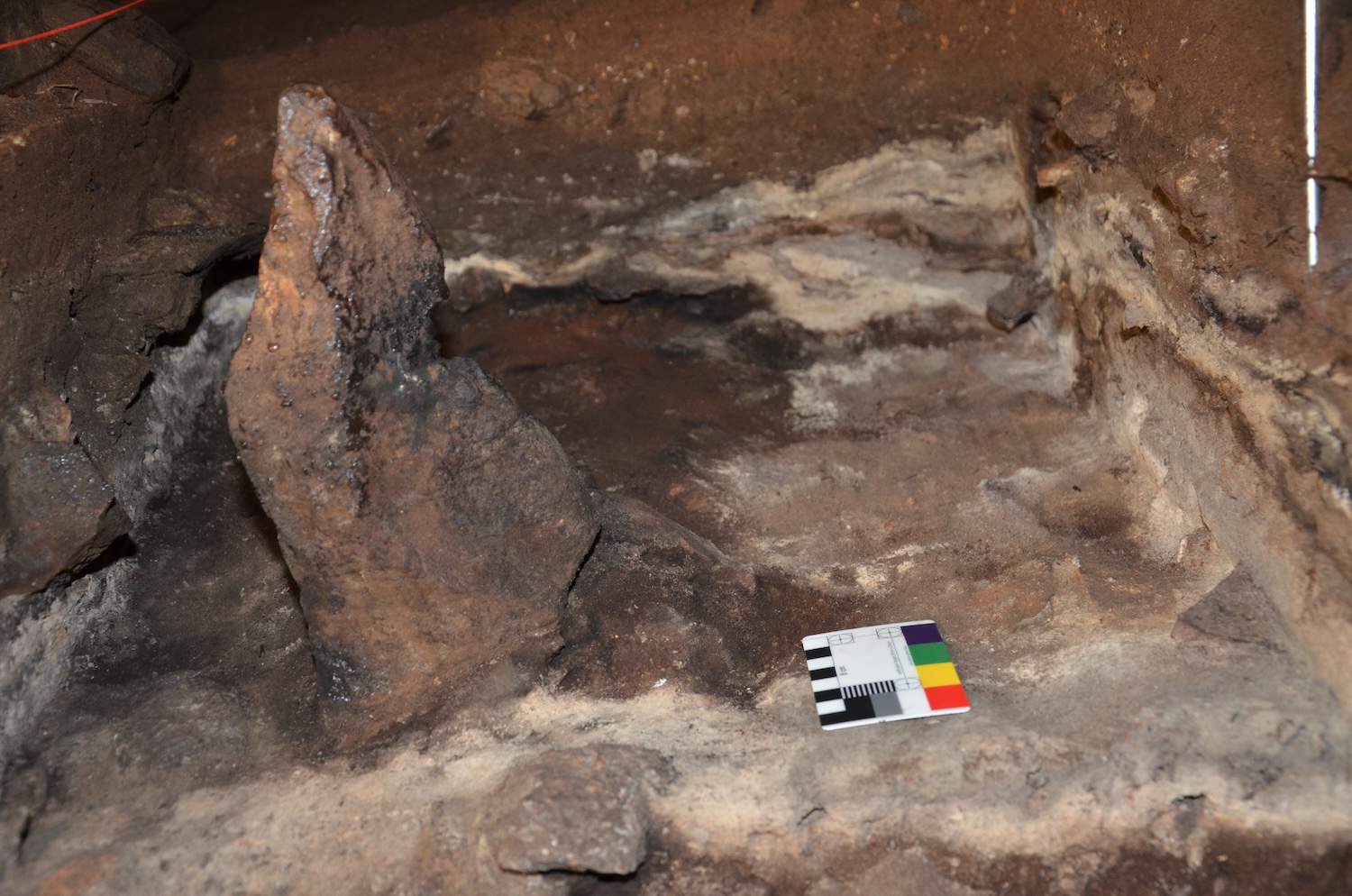
The presence of such a significant artifact, meticulously placed and surrounded by evidence of ritualistic burning, provides tangible proof of the cave’s importance as a sacred site for spiritual ceremonies, healing, and potentially, communication with ancestral spirits.
Collaboration and Cultural Respect: A Model for Archaeological Research
A cornerstone of this research project was the deep and respectful collaboration between the scientific team and the GunaiKurnai community. Recognizing the profound cultural and spiritual significance of Cloggs Cave, the researchers actively involved GunaiKurnai representatives throughout the entire research process. This included consultation during fieldwork, the analysis of findings, and the dissemination of the results.
This collaborative approach is not merely an ethical consideration; it is essential for ensuring the accurate and culturally sensitive interpretation of archaeological evidence. The GunaiKurnai people’s ancestral knowledge and oral traditions provided invaluable context to the scientific data, enriching the understanding of the cave’s multifaceted history.
"The study’s co-authors also relied heavily on GunaiKurnai community representatives while conducting their fieldwork, and consulted them during the analysis and dissemination of their findings," the article states. This commitment to Indigenous partnership demonstrates a progressive and ethical model for archaeological research, where the custodians of the land are integral to the discovery and interpretation of their own heritage.
The GunaiKurnai Land and Waters Corporation, an organization representing the interests of the GunaiKurnai people, has been a key partner in this endeavor. Their involvement ensures that the research is conducted in a manner that honors the cultural heritage and spiritual significance of Cloggs Cave.
Implications for Understanding Ancient Australian Societies
The findings from Cloggs Cave have profound implications for our understanding of ancient Aboriginal societies in Australia. The 25,000-year timeline of continuous human activity in this single site highlights the deep temporal roots of Indigenous Australian cultures and their sophisticated relationship with the Australian landscape.
The evidence of intentional plant selection and ritualistic burning suggests a complex system of beliefs and practices that extended far beyond mere subsistence. The use of Cloggs Cave for healing, magic, and spiritual ceremonies indicates a rich inner life and a sophisticated understanding of the natural world and its spiritual dimensions.
This research contributes to a growing body of evidence that challenges earlier, often colonial-era, narratives about Indigenous Australian societies. It underscores their long-standing presence, their complex social structures, their advanced knowledge of ecology, and their profound spiritual connection to the land.
The detailed analysis of the phytoliths also offers insights into past environmental conditions. The presence of grasses from both temperate and warmer climates suggests that the GunaiKurnai people traversed and utilized a diverse range of ecological zones over millennia, adapting to changing environmental conditions.
The discovery of the standing stone further emphasizes the cave’s role as a locus of important cultural and spiritual events. Its placement within the ash layers signifies its integration into the ongoing ritualistic practices of the community.
Future Directions and Preservation Efforts
The discoveries at Cloggs Cave are likely to spur further research into similar sites across Australia. The phytolith analysis technique, proven so effective here, holds immense potential for uncovering new information about the ancient human past in other cave systems and archaeological contexts.
The long-term preservation of Cloggs Cave and its invaluable archaeological record is of paramount importance. Continued collaboration between researchers and the GunaiKurnai people will be crucial in developing strategies to protect this significant cultural heritage site from any potential threats, whether they be natural or human-induced.
As the world increasingly recognizes the depth and complexity of Indigenous Australian history, discoveries like those at Cloggs Cave serve as vital reminders of the enduring legacy of the continent’s First Peoples. They offer a powerful testament to their resilience, their ingenuity, and their profound spiritual connection to the land, a connection that has been maintained for tens of thousands of years. The story of Cloggs Cave is not just about the past; it is a living narrative that continues to inform and inspire, underscoring the importance of respecting and preserving these irreplaceable cultural landscapes for future generations.

